Recliner Chairs: Comfort, Support and Smart Buying Tips
Did you know a good recliner can actually help your back? It’s not just a place to nap – the right chair can ease tension, improve posture and make movie nights feel like a spa break. Below you’ll find plain‑spoken advice on picking the best recliner for your space, health needs and budget.
What to Look for in a Recliner
First, think about how you’ll use it. If you mainly relax after work, a traditional recliner with a wide footrest and padded headrest works fine. If you have back trouble, search for models that list lumbar support, adjustable angle and a firm seat cushion. A firm cushion keeps your spine in a neutral position, while a soft one may let you sink in too far.
Material matters too. Leather feels luxe and wipes clean, but it can get sticky in summer. Fabric options breathe better and come in many colors to match bedroom décor – perfect if you’re working with a custom bedroom design.
Check the recline mechanism. Power‑assist recliners let you push a button for a smooth tilt, which is handy for seniors or anyone with limited hand strength. Mechanical levers are cheaper and reliable, but they require a bit more effort.
Finally, measure. The chair should fit your room without blocking traffic flow. Leave at least a foot of clearance behind the base so the footrest can extend fully.
Medical & Lift Recliners – What You Need to Know
Lift chairs are a different breed. They have a built‑in motor that raises the seat to a standing position, helping people with mobility challenges get up and sit down safely. If you or a family member needs that feature, ask the dealer whether the model meets Medicare’s criteria for a medical recliner.
Medicare usually covers lift chairs when a doctor writes a prescription stating the chair is medically necessary. Look for chairs that list “durable medical equipment” (DME) in the product description – they’re more likely to qualify.
The cost can vary widely. Basic lift chairs start around £600, while premium models with heat, massage and high‑density foam can exceed £1500. Many insurers will reimburse part of the price if you have the right paperwork, so keep the prescription and purchase receipt handy.
Even if you don’t need a lift function, a recliner with good lumbar support can still benefit back health. Studies show that sitting in a reclined position reduces pressure on the spine by up to 30%, which can lessen chronic lower‑back pain.
When shopping online, read the product specs for “adjustable headrest”, “padded armrests” and “weight capacity”. A chair that supports at least 120 kg offers more stability, especially for larger users.
Maintenance is simple. Vacuum fabric regularly and wipe leather with a damp cloth. For lift chairs, run the motor through its full range once a month to keep the gears lubricated.
At Custom Bedroom Solutions we pair recliner advice with bedroom design tips. A well‑placed recliner can become the centerpiece of a cozy corner, especially when matched with a custom wardrobe or nightstand that shares the same finish.
Ready to try one out? Bring a measuring tape, note your back‑support priorities and, if needed, a copy of your doctor’s prescription. Our team will help you choose a recliner that fits your lifestyle, health needs and East Yorkshire home aesthetic.

-
Quentin Melbourn

- 22 February 2026
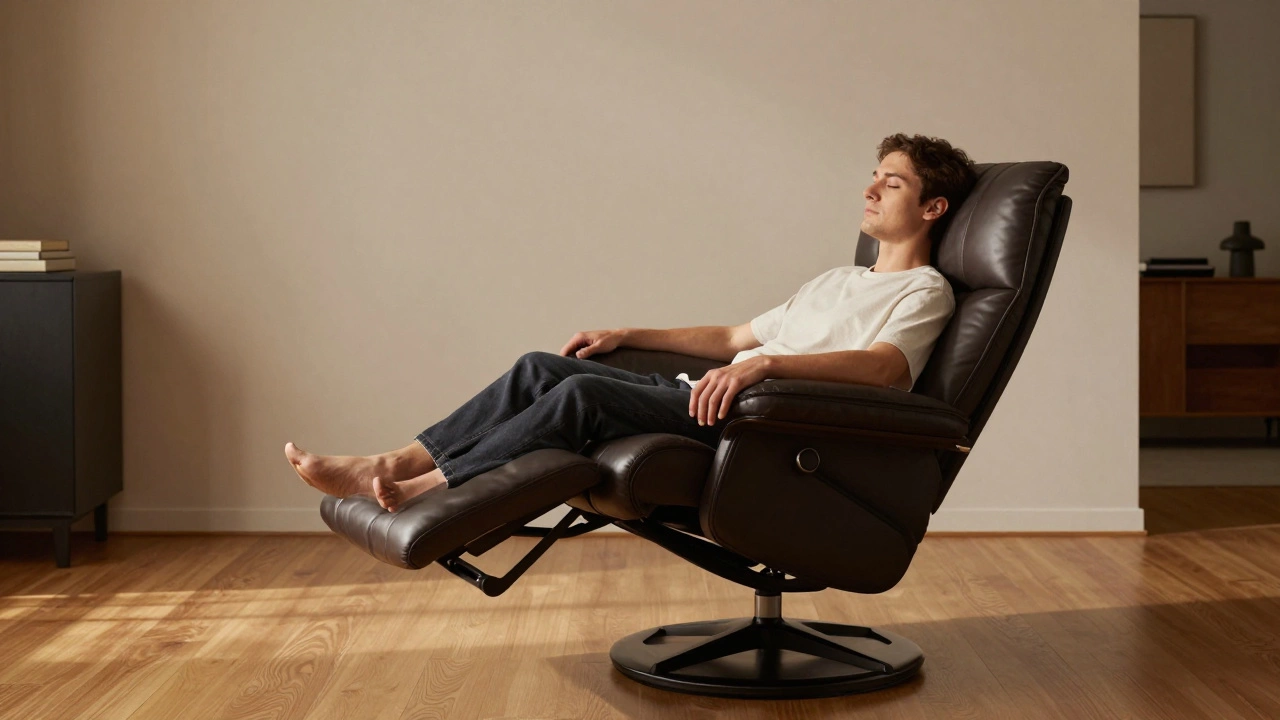
What Is the Best Month to Buy Recliners? Save Big on Comfort
The best month to buy recliners is February or March, when retailers clear out last year's models before new spring arrivals. Save up to 40% on top brands like La-Z-Boy and Ashley Furniture.
-
Quentin Melbourn
- 9 February 2026
What Brand Is Comparable to Lazy Boy? Top Recliner Alternatives You Should Know
Looking for recliner brands like Lazy Boy? Discover top alternatives including Flexsteel, Stressless, and Ashley that offer better value, durability, or features-without sacrificing comfort.
-
Quentin Melbourn
- 15 January 2026
Why Did Flexsteel Go Out of Business? The Real Story Behind the Recliner Giant's Collapse
Flexsteel, once a top American recliner brand, collapsed due to poor adaptation to online retail, supply chain issues, and outdated designs. Learn what really caused its downfall and what to buy instead.

-
Quentin Melbourn
- 11 December 2025
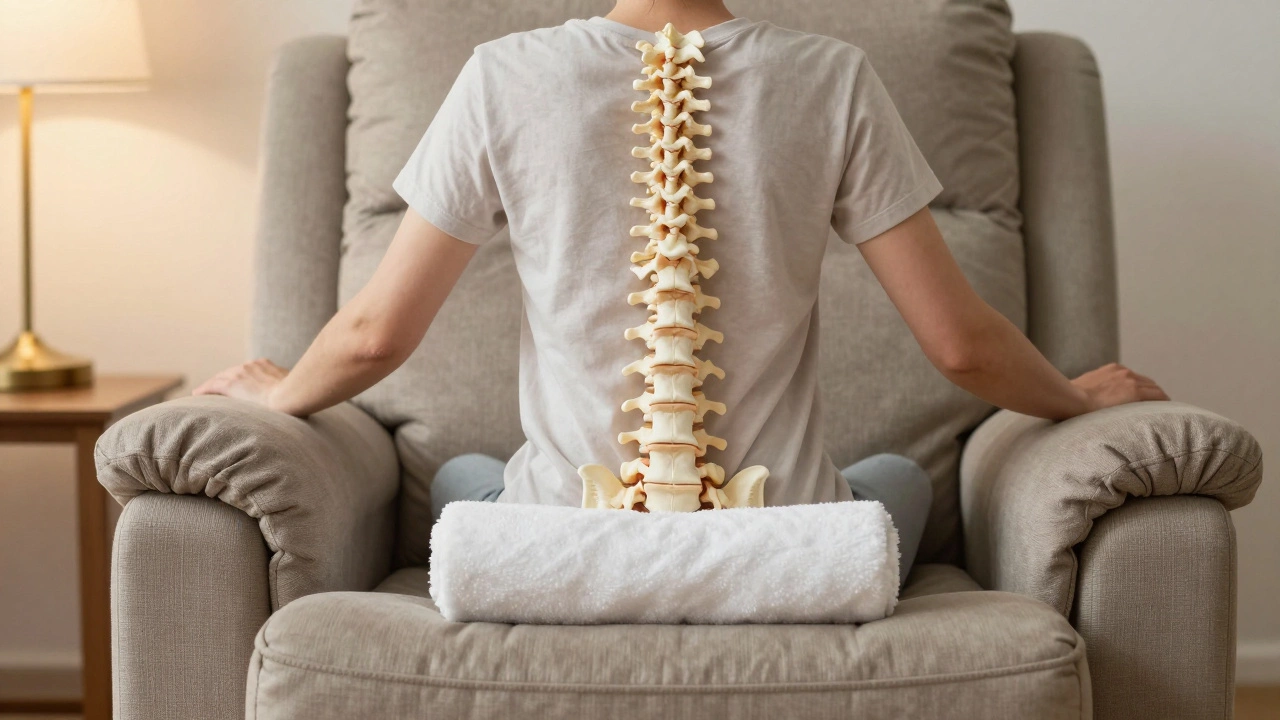
Is It Unhealthy to Sleep in a Recliner Every Night?
Sleeping in a recliner every night isn't automatically unhealthy-but it can be if your chair doesn't support your spine or if you're using it to avoid a bad mattress. Learn when it helps and when it harms.
-
Quentin Melbourn
- 4 December 2025
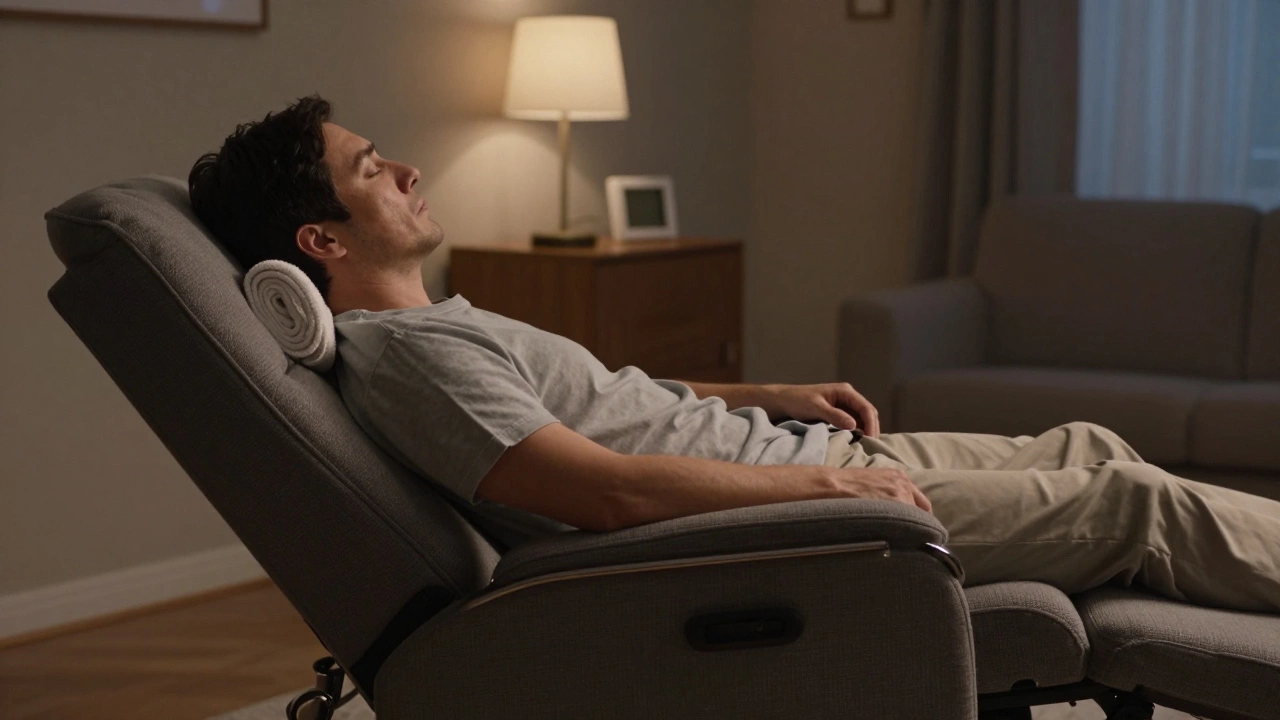
What Is the Healthiest Way to Sit in a Recliner?
Learn the healthiest way to sit in a recliner to avoid back pain, improve posture, and protect your spine. Simple adjustments make all the difference.
-
Quentin Melbourn
- 4 December 2025
Can Sleeping in a Recliner Cause Back Problems?
Sleeping in a recliner can offer temporary relief for back pain or breathing issues, but doing it nightly may cause long-term spinal problems. Learn how to use it safely-or switch to a better solution.

-
Quentin Melbourn
- 1 December 2025
Is It Healthy to Sleep in a Recliner Every Night? Here’s What Experts Say
Sleeping in a recliner every night might help with back pain or reflux, but long-term use can cause joint stiffness, nerve issues, and poor sleep quality. Experts explain when it’s okay-and when to switch to a better solution.
-
Quentin Melbourn
- 1 December 2025
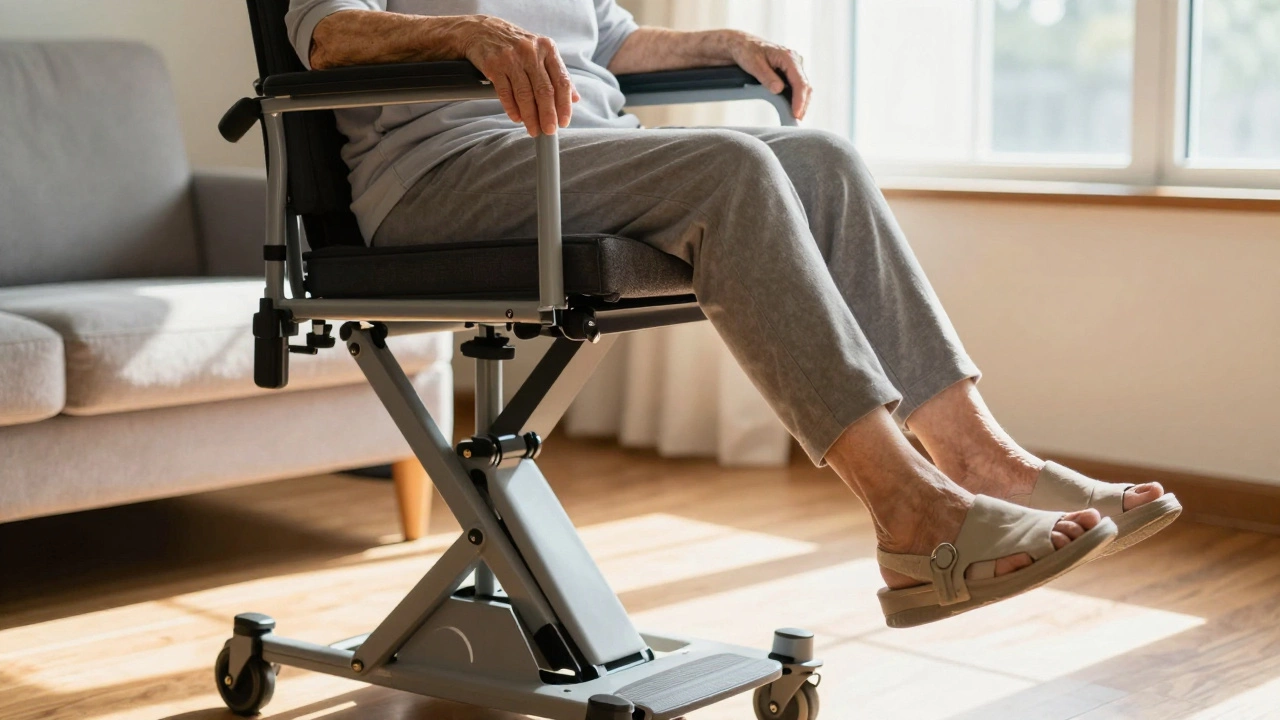
What Percentage Does Medicare Pay for a Lift Chair?
Medicare covers 80% of the lift mechanism in a lift chair, but not the chair itself. Learn what’s covered, how to qualify, and how to avoid paying for features you don’t need.

-
Quentin Melbourn
- 1 December 2025
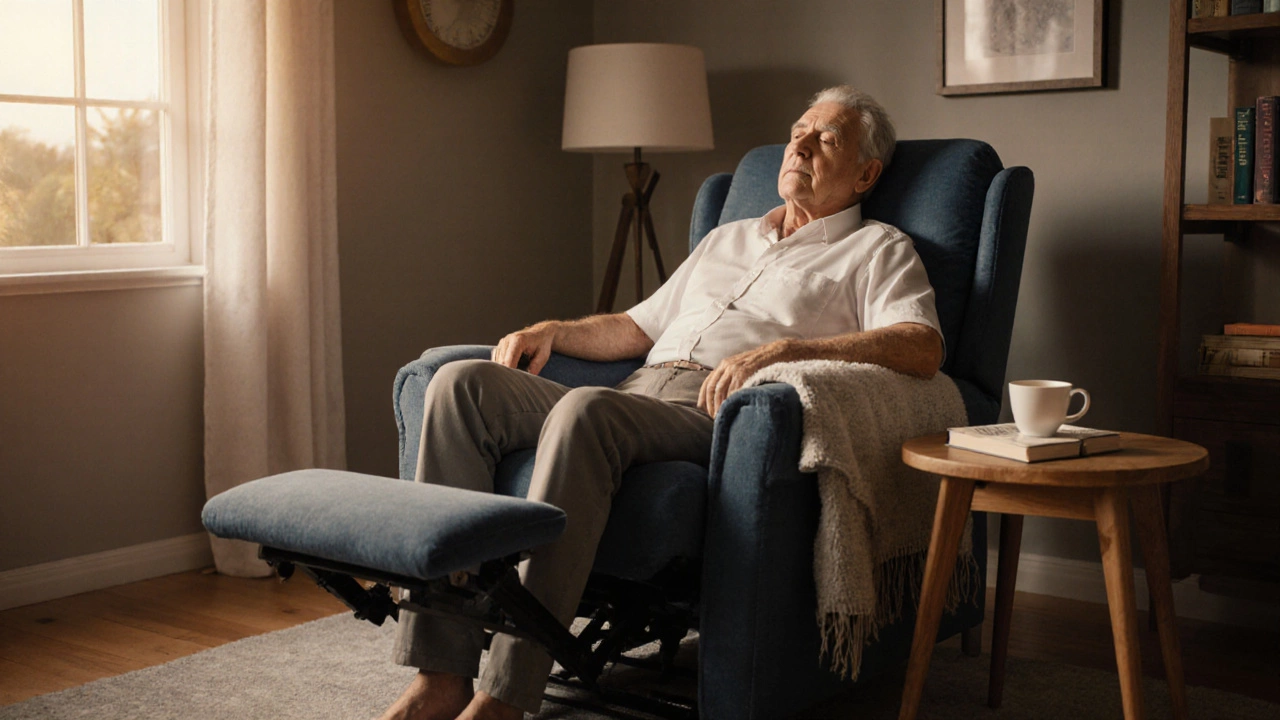
Why Do My Legs Ache When I Sit in a Recliner?
Leg pain from recliners isn't normal-it's caused by poor posture, nerve pressure, and restricted blood flow. Learn why it happens and how to fix it without buying a new chair.
-
Quentin Melbourn
- 13 November 2025
How Much Should You Spend on a Recliner? Real Prices, Real Value
Learn how much to spend on a recliner based on your needs, usage, and budget. Get real price breakdowns, durability tips, and smart buying advice for long-term comfort.

-
Quentin Melbourn
- 11 November 2025
Are Recliners Bad for Degenerative Disc Disease? What Experts Say
Recliners aren't automatically bad for degenerative disc disease-when chosen and used correctly, they can reduce spinal pressure and ease pain. Learn what features to look for and how to avoid common mistakes.

-
Quentin Melbourn
- 30 October 2025
How to Keep Elderly Loved Ones from Sliding Down in a Recliner
Learn simple, affordable ways to stop elderly loved ones from sliding down in recliners. Fix safety issues with cushions, non-slip mats, and chair adjustments-no expensive upgrades needed.
Popular Posts


Categories
Tag Clouds