
Recliner Sleep Safety Checker
Answer these questions to determine if sleeping in a recliner is safe for you based on medical guidelines.
Many people swear by sleeping in a recliner at night-especially those with back pain, acid reflux, or sleep apnea. But is it actually healthy to do this every single night? The answer isn’t simple. It depends on your body, your recliner, and how you use it.
Why People Choose to Sleep in Recliners
It’s not just about comfort. People with chronic lower back pain often find relief in a reclined position because it takes pressure off the spine. Those with GERD or acid reflux sleep better with their upper body elevated-something a recliner does naturally. And for people with sleep apnea, sleeping upright can reduce airway collapse, improving oxygen flow.
In fact, a 2022 study from the American Academy of Sleep Medicine found that 37% of participants with moderate sleep apnea reported better sleep quality when sleeping in a semi-upright position compared to lying flat. Many of them used recliners. It’s not a myth-it’s a practical workaround for real medical issues.
The Body’s Natural Needs During Sleep
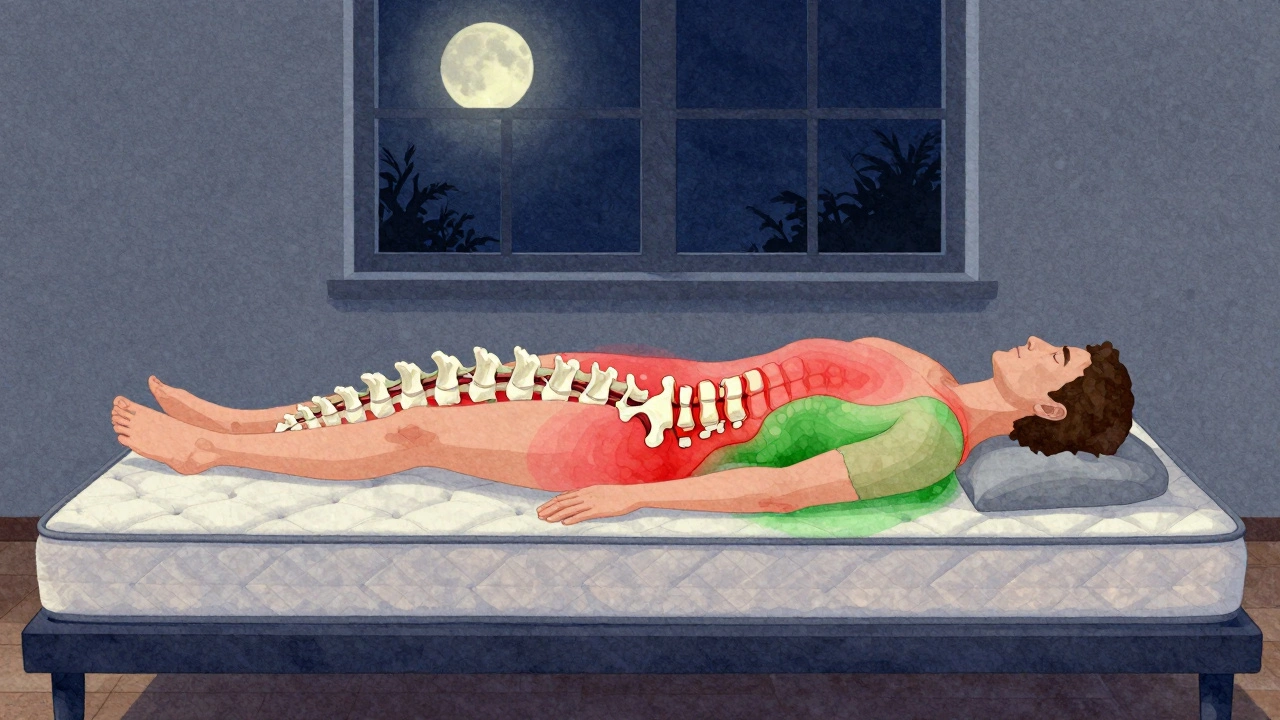
When you sleep, your body goes through cycles: deep sleep, REM sleep, and light sleep. Each stage requires your spine to be in a neutral position, your muscles to relax fully, and your airway to stay open. A good mattress supports this by evenly distributing pressure and letting your spine stay aligned.
Recliners, however, were never designed for full-night use. Most have a fixed angle-usually between 110 and 135 degrees. That’s fine for reading or watching TV, but not ideal for hours of uninterrupted sleep. Your hips and knees stay bent, your lower back may not get proper lumbar support, and your neck often hangs awkwardly if the headrest doesn’t fit your posture.
Over time, this can lead to muscle stiffness, joint tightness, and even nerve compression. One patient I spoke with in Mississauga-62, had been sleeping in a recliner for five years after back surgery-started waking up with numbness in both legs. Turns out, the constant bent-knee position was pinching his sciatic nerve.
When Sleeping in a Recliner Might Be Okay
There are exceptions. If you have a medical condition that makes lying flat painful or dangerous, a recliner can be a temporary or even long-term solution-if it’s the right one.
Look for a recliner with:
- Full leg support that extends to your heels
- Adjustable lumbar support you can lock into place
- A headrest that cradles your neck without tilting your head forward
- Zero-gravity positioning (if available), which mimics weightlessness by elevating legs above heart level
Some high-end models, like the La-Z-Boy “Infinity” or the Stressless “Comfort” line, offer motorized adjustments that let you find a true neutral spine position. These aren’t cheap-$1,500 to $3,000-but they’re built for long-term use.
For people with COPD, heart failure, or severe reflux, doctors sometimes recommend these chairs as part of a treatment plan. But even then, they’re not meant to replace a bed entirely.
The Hidden Risks of Nightly Recliner Sleep
Even if you feel fine now, long-term nightly use can cause problems you won’t notice until it’s too late.
- Joint stiffness: Keeping your knees bent for 7-8 hours can tighten your hip flexors and hamstrings. This makes standing up in the morning painful and increases fall risk in older adults.
- Pressure sores: Recliners don’t redistribute pressure like memory foam or latex mattresses. If you’re immobile for long periods, skin breakdown can occur on your tailbone, heels, or hips.
- Disrupted sleep cycles: Recliners often lack the full-body support needed for deep REM sleep. You might sleep longer, but you won’t sleep as restoratively.
- Postural imbalance: Sleeping in one position night after night can cause your pelvis to tilt, your spine to curve, and your shoulders to hunch. This isn’t just uncomfortable-it can become permanent.
A 2023 biomechanics study at the University of Toronto tracked 45 adults who slept in recliners nightly for six months. By the end, 68% showed measurable changes in spinal curvature, and 54% reported increased morning stiffness. Only 12% said their sleep quality improved over time.
What Should You Do Instead?
If you’re using a recliner because of pain or breathing issues, don’t just keep doing it. Talk to a professional.
For back pain: Try a medium-firm mattress with a lumbar roll. Physical therapists often recommend the Tempur-Pedic TEMPUR-Adapt or Saatva Classic-both offer targeted support for the lower back.
For acid reflux: Elevate the head of your bed by 6 to 8 inches using bed risers. That’s more effective than just propping yourself up with pillows. It keeps your whole torso angled, not just your head.
For sleep apnea: A CPAP machine paired with a proper bed is still the gold standard. But if you can’t tolerate it, talk to your doctor about positional therapy devices or even a wedge pillow designed for medical use.
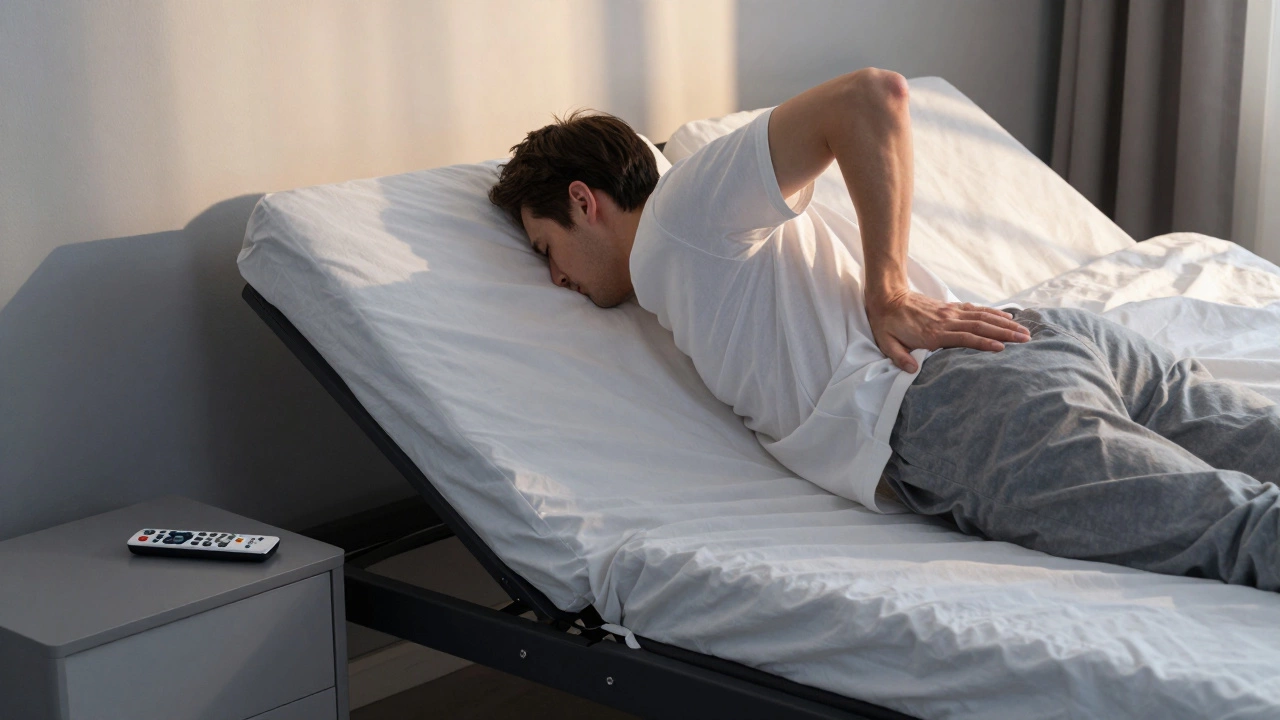
And if you just like the feeling of being in a recliner? Consider getting a bed that reclines. There are now adjustable beds (like the Sleep Number 360 c2) that let you raise your head and feet with a remote-while still offering full mattress support.
When to Stop Using a Recliner for Sleep
Stop immediately if you notice:
- Waking up with numb hands or feet
- Increased pain after sleeping
- Difficulty standing up straight in the morning
- Red marks or sores on your skin after removing clothing
- Feeling more tired in the morning than when you went to bed
These aren’t normal. They’re warning signs your body is being held in a position it wasn’t meant to hold for hours.
Final Thoughts
Sleeping in a recliner every night isn’t inherently bad-but it’s rarely the best choice. It’s a Band-Aid, not a cure. If you’re doing it for medical reasons, work with a doctor or physical therapist to find a better long-term solution. If you’re doing it because it feels cozy, consider upgrading to an adjustable bed that gives you the same comfort without the risks.
Your spine doesn’t ask for much: alignment, support, and movement. A recliner can give you two of those. But not all three. And over time, that’s enough to hurt you.