Recliner Quality Checker
Is This Recliner Well-Made?
Use this tool to evaluate a recliner based on the key factors discussed in the article. Enter details to get a quality score and see if this model lives up to the craftsmanship of original Flexsteel.
Frame Material
Spring Type
Construction Quality
Warranty
Where Made
Price Range
Enter details to see quality evaluation
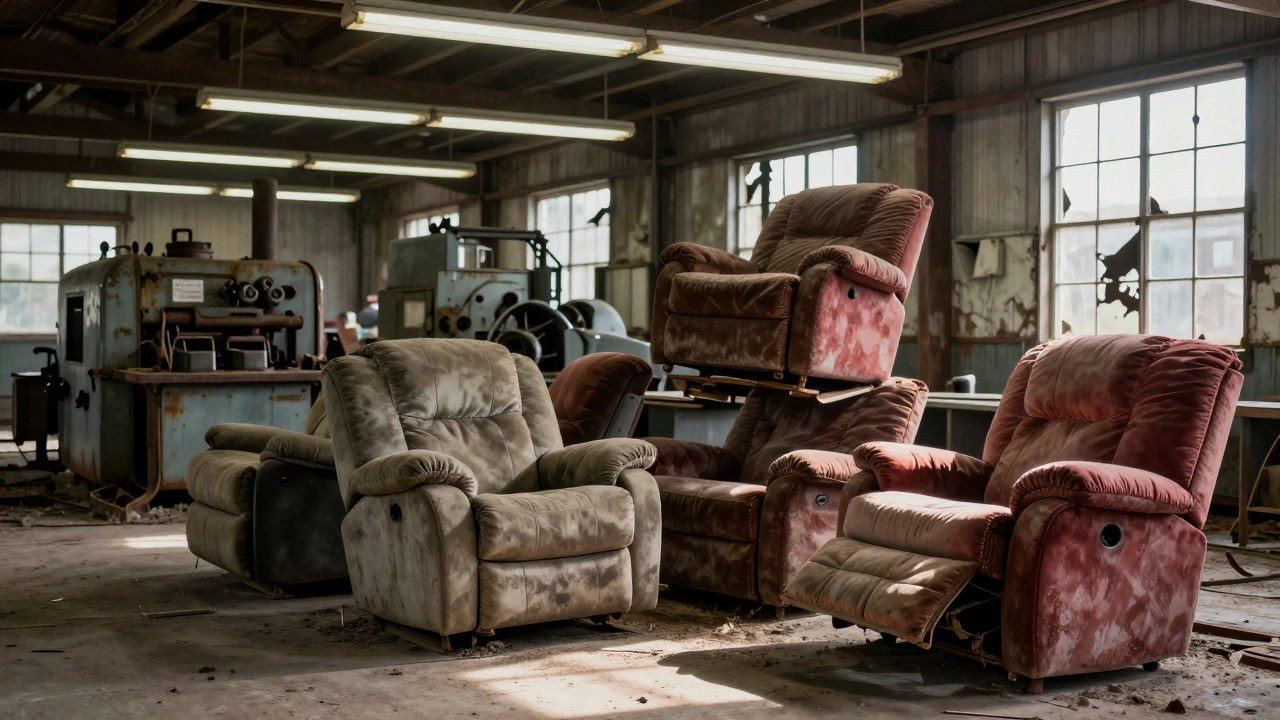
Flexsteel didn’t just fade away-it crashed. For over 130 years, the company built a reputation on solid wood frames, durable springs, and that unmistakable American-made feel. Their recliners were the kind you’d see in grandpas’ living rooms, in dentists’ waiting areas, and in homes where comfort mattered more than style. But by 2024, Flexsteel had shut down its last U.S. manufacturing plants, laid off hundreds, and filed for Chapter 11 bankruptcy. So what actually killed a brand that once dominated the recliner market?
They Bet Too Much on Retail Chains
Flexsteel’s downfall started with over-reliance on big-box retailers. By the 2010s, nearly 70% of their sales came through chains like Walmart, Target, and Costco. That sounds smart-mass distribution, volume sales, low overhead. But it backfired. These retailers demanded lower prices, tighter margins, and faster turnarounds. Flexsteel had to cut costs to keep up. They started outsourcing parts to Mexico and China. Then they began using cheaper foam, thinner wood, and less durable springs. Customers noticed. Reviews on Amazon and Home Depot started shifting from “built to last” to “fell apart in six months.”
Meanwhile, brands like La-Z-Boy and Ashley Furniture kept control of their own retail channels. They owned showrooms, trained sales staff, and told customers exactly why their products cost more. Flexsteel? They became a commodity. Just another recliner on a shelf, next to no-name brands selling for half the price.
The Rise of Online Furniture Startups
While Flexsteel was busy negotiating shelf space with Walmart, a new wave of companies was building direct-to-consumer brands online. Companies like Burrow, Floyd, and Article didn’t need warehouses full of inventory. They used modular designs, flat-pack shipping, and Instagram ads to reach younger buyers. Their recliners didn’t look like your dad’s. They had clean lines, neutral fabrics, and app-based customization. And they were priced between $500 and $900-cheaper than Flexsteel’s $1,200+ models.
Flexsteel’s website looked like it was designed in 2008. No live chat. No 3D room visualizer. No TikTok campaigns. Their marketing still relied on print catalogs and TV ads from the 2000s. Meanwhile, online brands were using AI to recommend sizes, offering free returns, and letting customers choose fabric swatches delivered to their door. Flexsteel didn’t adapt. They thought their reputation would carry them. It didn’t.
Supply Chain Chaos and Labor Costs
When the pandemic hit, Flexsteel’s supply chain broke. They sourced wood from the Midwest, springs from Ohio, and fabric from North Carolina. When trucking costs jumped 40% in 2021 and lumber prices spiked to record highs, they had no buffer. Unlike companies that kept inventory in overseas warehouses, Flexsteel ran lean. They made to order, which worked fine until materials vanished from suppliers.
Then came labor. Their Davenport, Iowa factory employed 800 people in 2018. By 2023, it was down to 320. Wages had to rise to compete with warehouse jobs paying $20/hour. But Flexsteel couldn’t raise prices without losing retailers. So they cut shifts. They delayed orders. Customers got angry. Retailers got tired of the delays. One major distributor told Furniture Today in 2023: “We stopped ordering Flexsteel because we couldn’t promise delivery dates. That’s not how you keep customers.”
They Forgot Who Their Customers Were
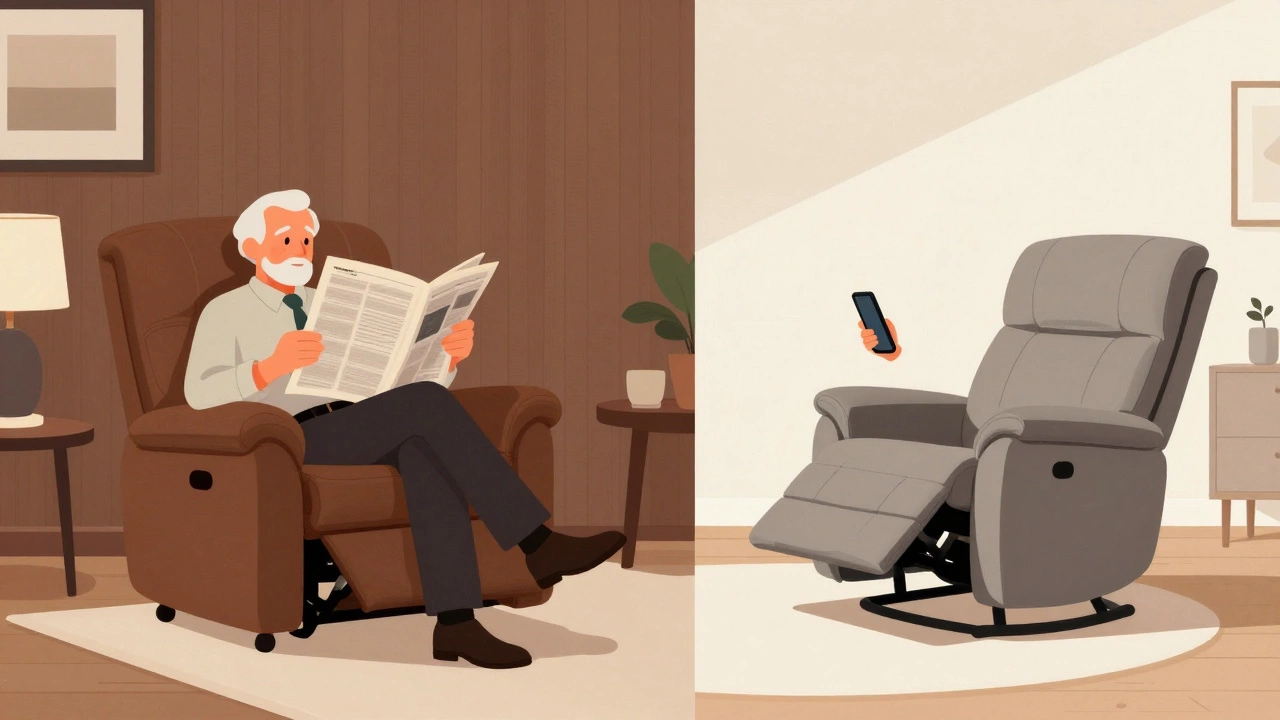
Flexsteel’s core buyers-baby boomers-were aging out of the market. Their children? Gen X and Millennials. These groups didn’t want heavy, overstuffed recliners with wooden arms and manual levers. They wanted lightweight, modern designs. They wanted smart features: built-in USB ports, massage functions, Bluetooth speakers. They wanted to buy online and get it delivered in two days.
Flexsteel kept making the same recliners they’d made since the 1990s. They added a few color options. They called one line “Contemporary.” But it was still the same frame, same spring system, same bulky silhouette. Meanwhile, brands like Eames and Herman Miller started releasing recliner-inspired chairs with ergonomic support and minimalist aesthetics. Even IKEA got in the game with their Grönbo recliner-$399, easy to assemble, and sold out every time it restocked.
Flexsteel didn’t innovate. They just rebranded.
Debt and Poor Leadership Decisions
In 2019, Flexsteel took on $150 million in new debt to fund a corporate headquarters expansion in Davenport. The building cost $42 million. It sat mostly empty. Meanwhile, their R&D budget dropped from 4% of revenue in 2015 to 1.2% in 2022. They spent more on executive bonuses than on new product development.
Three CEOs came and went between 2018 and 2023. Each one promised a “digital transformation.” None delivered. The board kept hiring outsiders who didn’t understand the furniture business. One CEO, hired from a tech startup, tried to sell recliners as “smart home accessories.” He didn’t know the difference between a double-stitched seam and a glued joint. Employees called him “The PowerPoint Guy.”
What Happened After the Bankruptcy Filing?
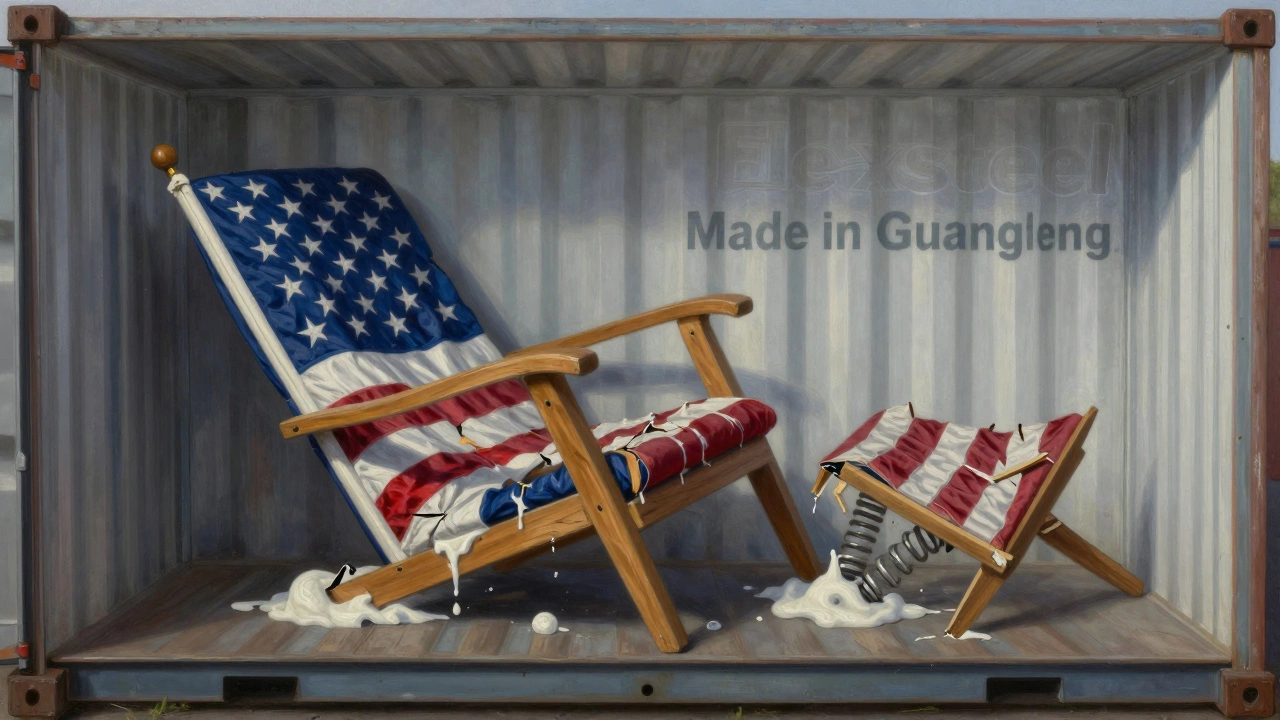
Flexsteel filed for Chapter 11 in March 2024. Creditors got paid 12 cents on the dollar. The Davenport factory closed. The brand name was sold to a private equity firm that now licenses it to a Chinese manufacturer. The new “Flexsteel” recliners are made in Guangdong, shipped in bulk to Walmart, and sold under the same logo. The quality? Customers say it’s a shadow of what it once was.
Some of the original craftsmen from the Iowa plant now work for smaller regional makers like Lane Venture or Catnapper. They say the real tragedy isn’t the bankruptcy-it’s that nobody tried to fix the business before it was too late.
Why This Matters for Recliner Buyers Today
If you’re shopping for a recliner now, Flexsteel’s collapse is a warning. Big names don’t guarantee quality. Longevity doesn’t mean resilience. Companies that ignore customer trends, avoid innovation, and chase short-term profits don’t survive. The recliner market today is split into three buckets:
- Legacy brands like La-Z-Boy and Bassett-still making solid products, but expensive and slow to change.
- Online direct brands like Burrow and Floyd-affordable, modern, and fast, but less durable over 10+ years.
- Regional makers like Rocker Recliners or American Leather-small, hand-built, and made in the U.S., with 20-year warranties.
Flexsteel fell between all three. They weren’t premium enough to justify their price. They weren’t modern enough to attract new buyers. And they weren’t nimble enough to survive.
Today, if you want a recliner that lasts, you don’t buy a name. You buy a maker. You ask where it’s made. You check the frame material. You look at the spring count. You read reviews from people who’ve owned it for five years. Flexsteel used to be one of those makers. Now, it’s just a brand on a box.
Did Flexsteel go out of business completely?
No, Flexsteel didn’t disappear entirely. The company filed for Chapter 11 bankruptcy in March 2024 and shut down its U.S. manufacturing plants. But the Flexsteel brand name was sold to a private equity firm, which now licenses it to a Chinese manufacturer. You can still buy recliners labeled “Flexsteel,” but they’re made overseas and are not the same quality as the original American-made models.
Why did Flexsteel lose its reputation for durability?
Flexsteel lost its reputation because they cut corners to meet retailer demands for lower prices. They switched to cheaper foam, thinner wood frames, and lower-grade springs. Customers noticed the drop in quality. Online reviews shifted from praising their “built to last” frames to complaining about broken levers and sagging seats within a few years. The brand stopped being seen as a long-term investment and became just another disposable chair.
Are there any American-made recliners still made today?
Yes. Brands like Lane Venture, Rocker Recliners, and American Leather still make recliners in the U.S. These companies focus on small-batch production, solid hardwood frames, and hand-stitched upholstery. Many offer 20-year warranties. They don’t advertise on TV or sell at Walmart, but they’re trusted by customers who value craftsmanship over brand names. You’ll pay more upfront, but these chairs often last 20-30 years.
What’s the best alternative to Flexsteel today?
It depends on what you want. If you want modern design and online convenience, go with Burrow or Floyd. If you want long-term durability and American craftsmanship, choose Lane Venture or Rocker Recliners. If you want a trusted name with wide availability, La-Z-Boy still makes solid recliners, though they’re pricier. Avoid any “Flexsteel” models made after 2023-they’re not the same as the originals.
How can I tell if a recliner is well-made?
Look at three things: the frame, the springs, and the stitching. A solid hardwood frame (like kiln-dried oak or maple) is better than particleboard or plywood. Eight-way hand-tied springs or sinuous springs with steel coils are more durable than foam blocks. Double-stitched seams and reinforced stress points mean the chair will hold up. Check for a warranty of at least 10 years. If the manufacturer won’t tell you where it’s made or what materials are used, walk away.
If you’re replacing an old Flexsteel recliner, don’t assume the name means quality. The real legacy isn’t in the logo-it’s in the craftsmanship. And that’s still out there. You just have to know where to look.