Furniture Storage Cover Selector
Configure Your Storage Scenario
Recommendation
Select your options above and click Analyze to see the best cover choice.
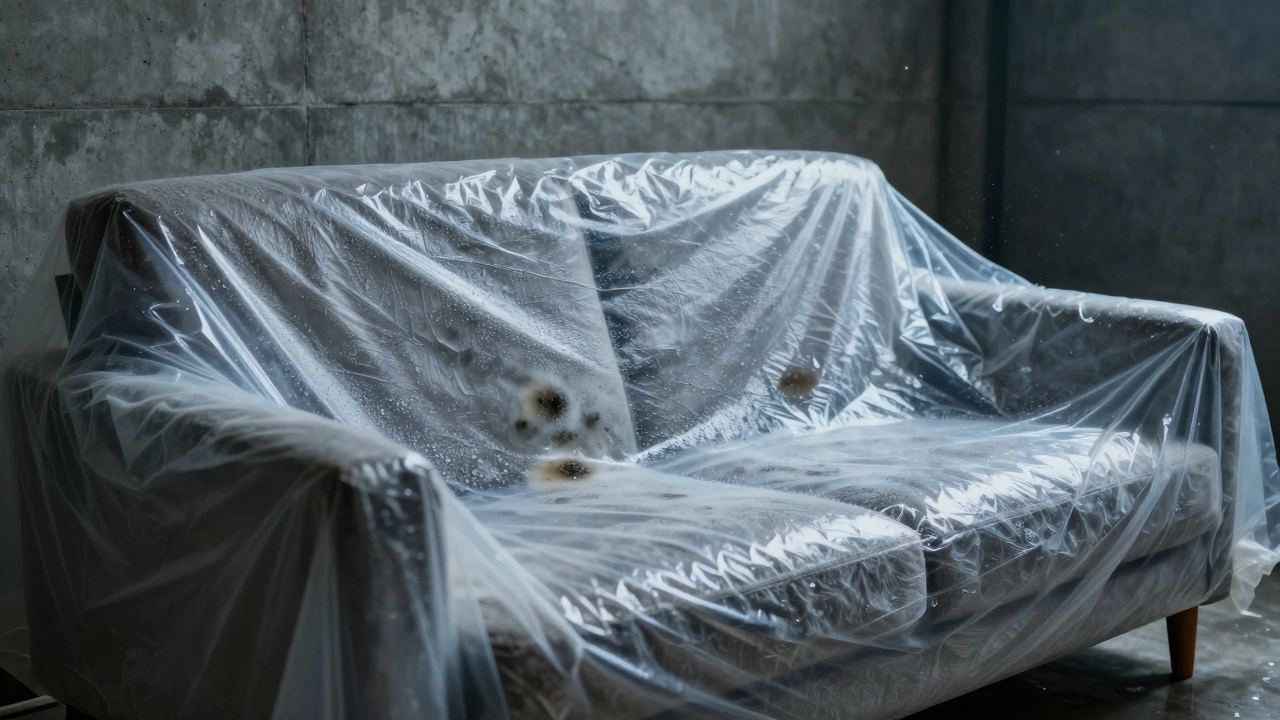
Imagine pulling the plastic wrap off your favorite sofa after six months in a self-storage unit. You expect it to look as good as the day you put it away. Instead, you find sticky residue on the fabric, a musty smell that won’t go away, or worse-mold spots blooming like dark flowers. This is the nightmare scenario for anyone storing upholstered furniture. It happens because simply throwing a sheet over a couch isn't enough. Airflow, moisture, and material choice matter more than you think.
The short answer is yes, you should cover your couch in storage, but not with just any cover. Using the wrong method can trap humidity and cause irreversible damage. Getting it right means choosing breathable materials, preparing the surface properly, and controlling the environment around the furniture. Here is how to protect your investment without turning your living room centerpiece into a science experiment gone wrong.
Why Bare Furniture Fails in Storage
Leaving a sofa uncovered might seem harmless if the storage unit is clean. However, even climate-controlled facilities have dust particles floating in the air. Over weeks or months, this dust settles into fabric fibers. It doesn't just sit on top; it grinds in. When you finally bring the couch home, vacuuming often isn't enough to remove that deep-set grit. You end up needing professional cleaning before you can even sit on it comfortably.
Dust isn't the only enemy. Insects are attracted to organic materials. Fabric, leather, and even the foam padding inside cushions provide food sources for silverfish, carpet beetles, and moths. Without a barrier, these pests can nest in the crevices of your furniture. By the time you notice them, they may have already chewed through delicate fabrics or left behind stains that are impossible to wash out. A proper cover acts as a physical shield against these intruders.
Then there is the issue of accidental spills. If you store other items near your couch, boxes can shift during transport or while being moved in and out of the unit. A leaking water pipe in the facility or condensation dripping from the ceiling could ruin an unprotected piece. A cover provides a sacrificial layer that takes the hit instead of your upholstery.
The Problem with Plastic Covers
Most people reach for clear polyethylene drop cloths or heavy-duty trash bags when covering furniture. It feels logical: plastic is waterproof and blocks dust completely. But for long-term storage, plastic is actually one of the worst choices you can make. Why? Because it traps moisture.
Furniture, especially wood frames and fabric, holds natural moisture. When covered in non-breathable plastic, that moisture cannot escape. Instead, it condenses on the inner surface of the plastic. This creates a humid microclimate around your couch. High humidity leads to mold growth. Mold feeds on cellulose found in fabrics and wood. Within weeks, you might see black spots forming on the backrest or seat cushions. Removing mold from porous materials is difficult and often requires discarding the affected parts.
Plastic also causes "off-gassing." New plastic sheets release volatile organic compounds (VOCs) as they age. These chemicals can transfer onto your fabric, leaving a chemical odor that lingers for months. Have you ever smelled a new car interior? That’s off-gassing. Imagine that smell trapped against your couch for half a year. It makes the furniture unusable until it airs out thoroughly, which takes time and effort.
Breathable Alternatives: Cotton and Canvas
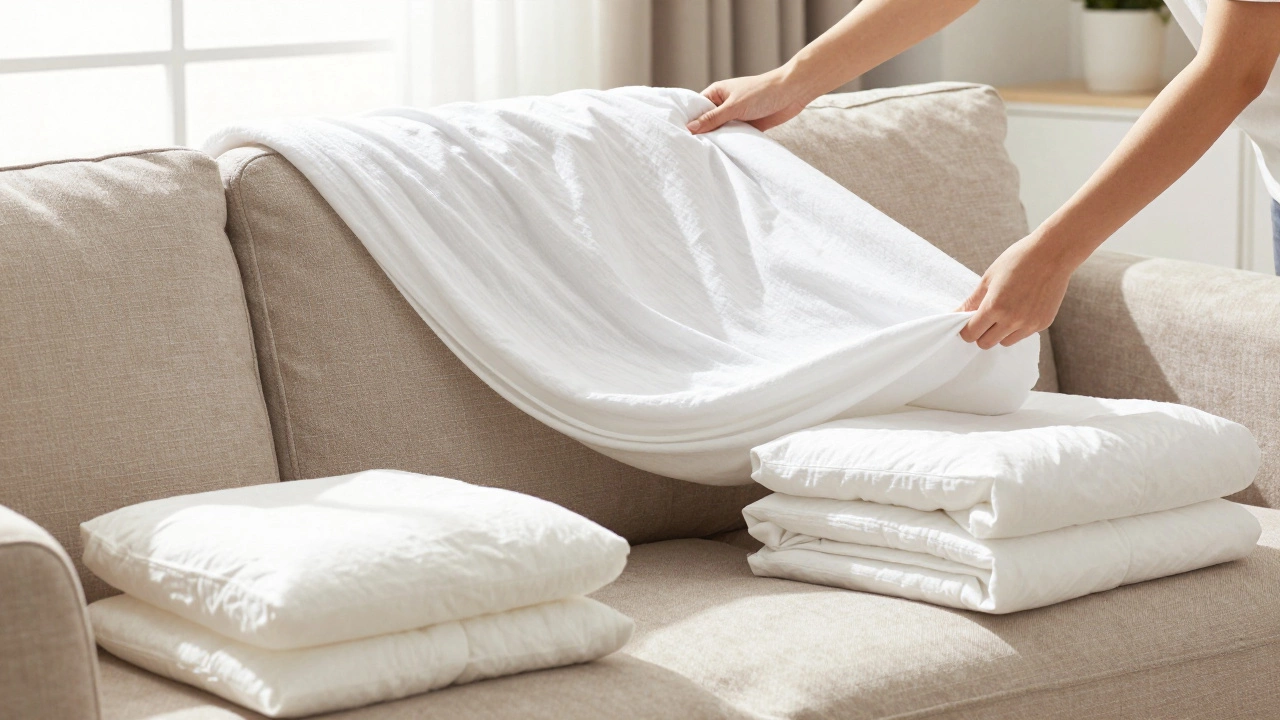
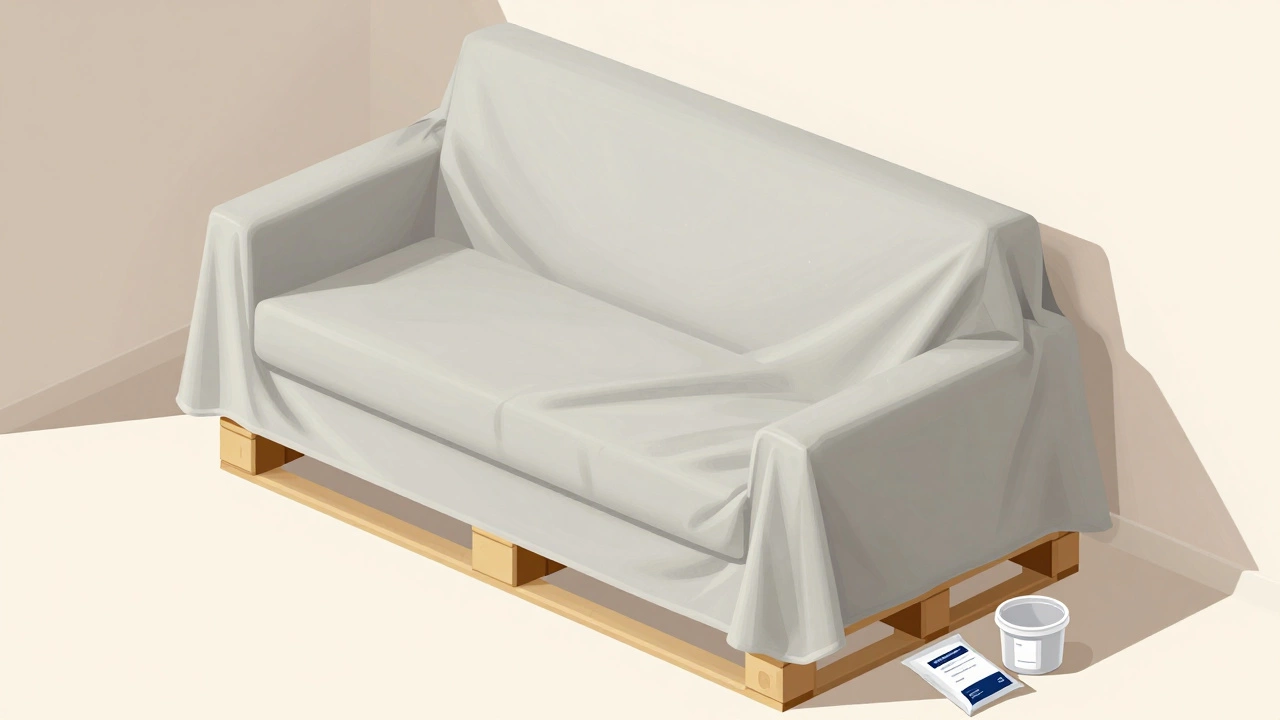
If plastic is bad, what works? The gold standard for furniture storage is breathable fabric. Specifically, cotton bed sheets, canvas drops, or specialized furniture covers made from woven polyester blends. These materials allow air to circulate while still blocking dust and light.
Cotton sheets are readily available and inexpensive. They fit snugly over most couches without slipping. Because cotton is natural, it absorbs minor fluctuations in humidity rather than trapping them. This prevents condensation buildup. Just ensure the sheets are washed and completely dry before use. Damp sheets will introduce moisture directly to your furniture.
Canvas covers offer more durability. They are thicker and resist tears better than thin cotton. Heavy-duty canvas is ideal if you are stacking boxes on top of the covered couch or if the storage area has rough surfaces that could snag lighter fabrics. Look for canvas that is untreated or lightly waxed, avoiding heavy waterproof coatings that block airflow.
Specialized furniture covers designed for storage often include elastic hems or drawstrings. These features keep the cover secure so it doesn’t slide off when you move the couch. Some also come with zippered vents to enhance airflow further. While they cost more than a spare sheet, they provide peace of mind for valuable pieces.
| Material | Breathability | Dust Protection | Moisture Risk | Best For |
|---|---|---|---|---|
| Plastic/Polyethylene | Poor | Excellent | High (Mold) | Short-term moves (<1 month) |
| Cotton Sheets | Good | Good | Low | Long-term storage, budget-friendly |
| Canvas | Moderate | Very Good | Low | Rough environments, heavy stacking |
| Specialized Woven Covers | Excellent | Excellent | Very Low | High-value antiques, extended storage |
Preparation Steps Before Covering
Covering a dirty couch seals in dirt and odors. Preparation is just as critical as the cover itself. Start by removing all cushions. Vacuum every inch of the frame, including underneath the cushions and along the seams. Use the brush attachment to lift embedded dust from the fabric. For leather sofas, wipe down the surface with a damp cloth and a mild leather cleaner, then let it dry completely.
Check for existing stains. Treat any spills now while you have access. Once the couch is covered, you won’t be able to address issues until you uncover it, potentially allowing stains to set permanently. If you have pet hair, run a rubber squeegee or lint roller over the fabric to remove loose strands.
Ensure the furniture is completely dry. If you recently cleaned it, wait at least 24 hours. Moisture trapped under a cover is the primary cause of mildew. Place silica gel packets or moisture absorbers near the base of the couch inside the storage unit. Do not place them directly on the fabric, as they can leak or stain. Keep them in open containers nearby to regulate ambient humidity.
Environmental Factors in Storage Units
Where you store the couch matters as much as how you cover it. Not all storage units are created equal. Indoor, climate-controlled units maintain stable temperatures and humidity levels. This stability reduces the risk of fabric shrinking, expanding, or molding. Outdoor units expose furniture to extreme temperature swings. Heat can fade colors, while cold can make certain adhesives brittle.
If you must use an outdoor unit, elevate the couch off the concrete floor. Concrete draws moisture from the air and releases it slowly. Placing furniture directly on the ground invites dampness into the legs and lower frame. Use pallets or wooden boards to create a barrier. Ensure the unit has good ventilation. Stagnant air promotes mold growth regardless of the cover you use.
Avoid placing the couch against exterior walls if possible. Walls can sweat due to temperature differences between the outside and inside of the unit. Positioning furniture in the center of the space allows air to circulate freely around all sides. This minimizes contact points where moisture could accumulate.
Common Mistakes to Avoid
One frequent error is using fitted sheets that are too tight. Tight covers restrict airflow and can stretch the fabric of the couch over time. Loose-fitting covers drape naturally and allow air pockets to form, aiding circulation. Another mistake is neglecting the legs. Dust accumulates rapidly on feet and bases. Wrap each leg individually in bubble wrap or paper before applying the main cover to prevent scuffs and scratches.
Do not stack heavy items on top of a covered couch unless the cover is reinforced. Even with a sturdy canvas cover, excessive weight can crush the internal structure of the sofa. Springs can sag, and foam can compress permanently. If you need to maximize space, consider disassembling removable arms or legs if the design allows it.
Finally, don't forget to label the cover. Write "FRAGILE" or "UPHOLSTERY" on the outside with a permanent marker. This warns movers or storage staff not to treat the bundle like a cardboard box. Clear labeling prevents mishandling that could tear the cover or damage the furniture beneath.
When to Uncover and Inspect
If your storage period exceeds three months, plan to inspect the couch halfway through. Uncover it briefly to check for signs of moisture, pests, or odor. Air it out for a few hours in a dry, well-ventilated area. Re-vacuum if necessary. This proactive step catches problems early before they become catastrophic. After inspection, re-cover with fresh, clean sheets if needed.
Upon retrieval, do not immediately place the couch in a closed room. Bring it into a bright, airy space first. Let it acclimate to room temperature and humidity for 24 to 48 hours. This gradual adjustment helps eliminate any residual storage smells and allows the materials to return to their normal state. Only then should you arrange it in its final spot.
Can I use a plastic garbage bag to cover my couch?
No, avoid using standard plastic garbage bags for long-term storage. They trap moisture and heat, creating a perfect environment for mold and mildew. Plastic also off-gases chemicals that can stain fabric and leave unpleasant odors. Use breathable cotton or canvas instead.
How long can I store a couch safely?
With proper preparation and breathable covers, a couch can be stored safely for several years. However, regular inspections every 3-6 months are recommended to check for pests or moisture. Climate-controlled storage extends the safe duration significantly compared to outdoor units.
Should I remove the cushions before storing?
Yes, always remove cushions. Store them separately in their own breathable bags or wrapped in sheets. This allows air to circulate around both the frame and the padding, preventing uneven moisture retention and making it easier to clean hard-to-reach areas of the sofa base.
What if my couch gets wet in storage?
If you discover moisture, uncover the couch immediately. Remove all cushions and place fans or dehumidifiers nearby to dry the area thoroughly. Do not replace the cover until everything is bone-dry. Check for mold; if present, consult a professional cleaner to avoid spreading spores.
Is climate-controlled storage worth the extra cost?
For upholstered furniture, yes. Climate control maintains consistent humidity levels, drastically reducing the risk of mold, warping, and fabric degradation. While it costs more per month, it protects high-value items from environmental damage that cheap repairs cannot fix.