Patio Furniture Green Growth Identifier & Cleaner
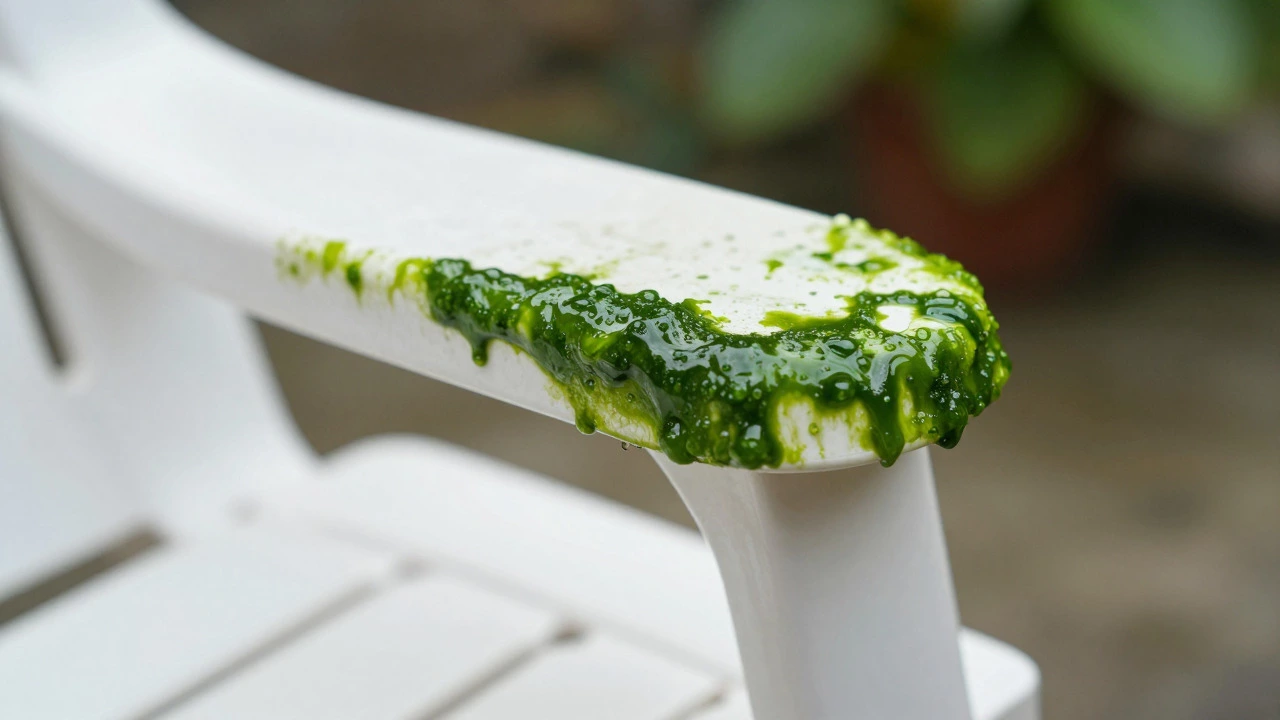
You step outside to enjoy your morning coffee, but instead of a relaxing start, you’re greeted by a slimy, vibrant green coating on your favorite chair. It’s gross, it’s slippery, and frankly, it looks terrible. That green stuff on my patio furniture is usually algae, moss, or mildew thriving in the damp conditions we’ve had lately. Before you scrub it off with harsh chemicals that might ruin your finish, you need to know exactly what you are dealing with.
Identifying the culprit is the first step because different organisms require different treatments. Algae loves moisture and sunlight, moss prefers shade and soil contact, and mold thrives in dark, damp crevices. Getting this wrong can lead to ineffective cleaning or even damage to delicate materials like wicker or teak. Let’s break down how to identify, remove, and prevent these unwelcome guests from taking over your outdoor space.
Identifying the Green Invader: Algae vs. Moss vs. Mold
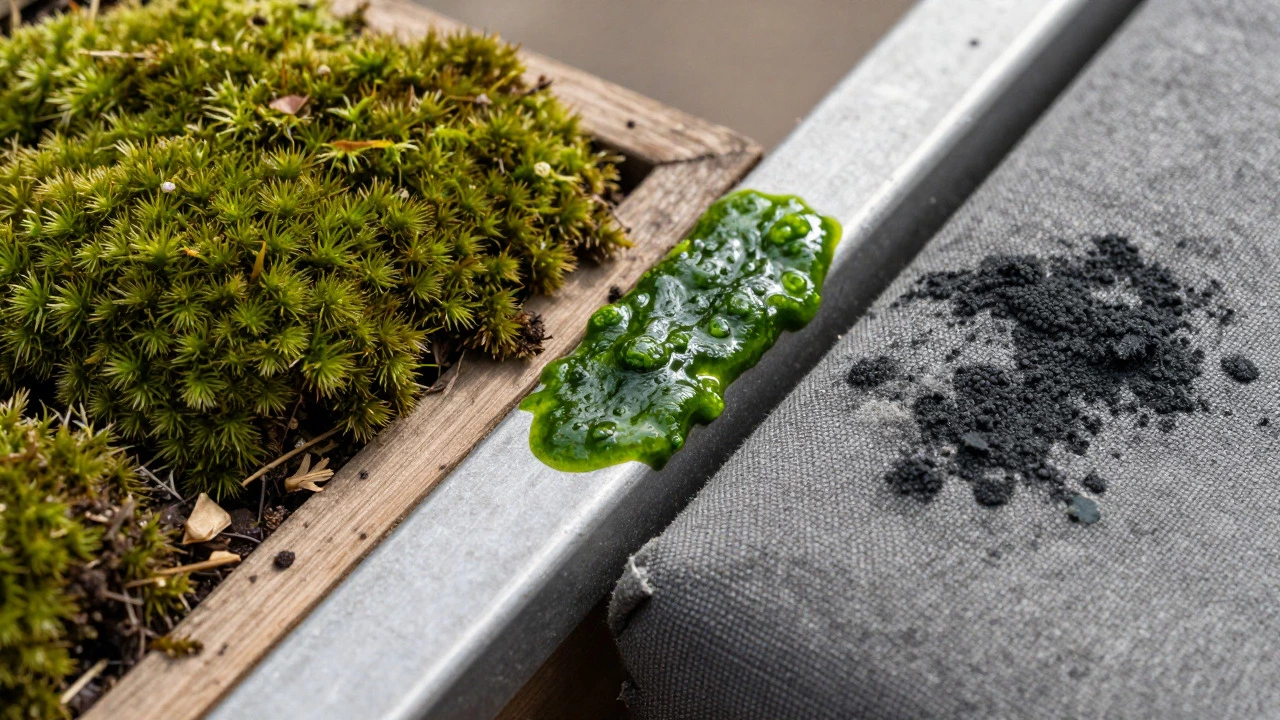
Not all green growth is created equal. While they might look similar at a glance, their texture, location, and resistance to cleaning vary significantly. Misidentifying them is the most common mistake homeowners make, leading to frustration when the standard vinegar spray doesn’t work.
| Type | Appearance & Texture | Preferred Environment | Common Locations |
|---|---|---|---|
| Algae | Slippery, slimy film; bright green to olive | Sunlight + Moisture | Flat surfaces, plastic chairs, metal frames exposed to rain |
| Moss | Fuzzy, carpet-like clusters; deep green | Shade + Dampness + Soil Contact | Wooden deck edges, potted plant bases, shaded corners |
| Mold/Mildew | Powdery spots; green, black, or white | Dampness + Organic Debris | Cushions, fabric weave, tight crevices |
If the surface feels slick under your finger, you are likely looking at Algae, which is a simple organism that uses photosynthesis to create energy, often forming biofilms on wet surfaces. If it feels fuzzy or spongy and lifts easily, it’s probably moss. If it appears as distinct spots within the fabric weave, it’s mold. Knowing this distinction dictates your cleaning strategy.
Safe Removal Methods for Different Materials
Once you know what you have, you need to choose a cleaner that matches your furniture material. Using a pressure washer on delicate resin wicker can shred the fibers, while bleach on natural wood can strip the oils and cause premature cracking. Here is how to tackle the green stuff based on what your furniture is made of.
Plastic and Metal Furniture
These materials are tough, but they aren’t invincible. For Plastic Patio Chairs, which are commonly made from polypropylene or resin and prone to algae buildup due to their non-porous nature, a mixture of warm water and dish soap is often sufficient. Scrub with a soft-bristled brush. For tougher algae, add one cup of white distilled vinegar per gallon of water. Vinegar is acidic enough to kill algae spores without damaging the plastic finish. Avoid using steel wool, which can scratch the surface and provide grooves for future algae to hide in.
Metal furniture, especially wrought iron or aluminum, can rust if the protective coating is compromised. Use the same vinegar solution, but rinse thoroughly with clean water immediately after scrubbing. Dry the metal completely with a microfiber cloth to prevent water spots and early corrosion. If the green stuff is actually copper patina (on copper fixtures), leave it alone-it’s natural and protects the metal underneath.
Wooden Furniture
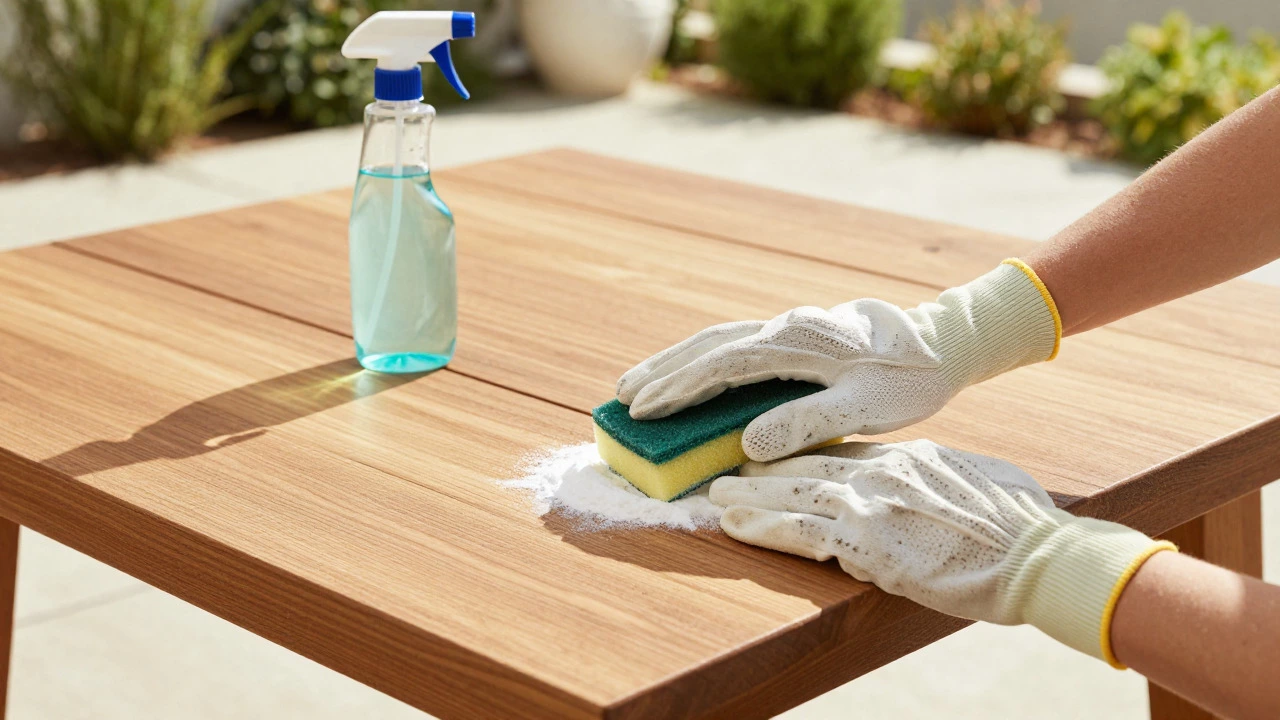
Natural woods like Teak Wood, known for its high oil content and natural resistance to rot and insects, handle moisture well but still get covered in algae. Do not use bleach on teak unless absolutely necessary, as it kills the natural oils. Instead, use a specialized teak cleaner or a paste of baking soda and water. Apply it gently with a sponge, let it sit for ten minutes, then rinse. For other woods like pine or eucalyptus, ensure they are sealed. If the sealant is worn, algae will penetrate deeper. You may need to sand lightly and reapply an outdoor-grade wood sealant after cleaning.
Wicker and Rattan
This is the trickiest category. Synthetic Wicker, also known as HDPE (High-Density Polyethylene) rattan, designed to mimic natural fibers while offering weather resistance, can harbor algae in the tight weaves. A stiff brush is too abrasive and will fray the strands. Use a soft toothbrush dipped in soapy water to agitate the crevices. Rinse with a gentle stream of water from a hose-never a high-pressure nozzle. Natural rattan should ideally be brought indoors during heavy rains, but if it gets green, dry it out in the sun first to kill the spores before attempting any wet cleaning.
Fabric Cushions
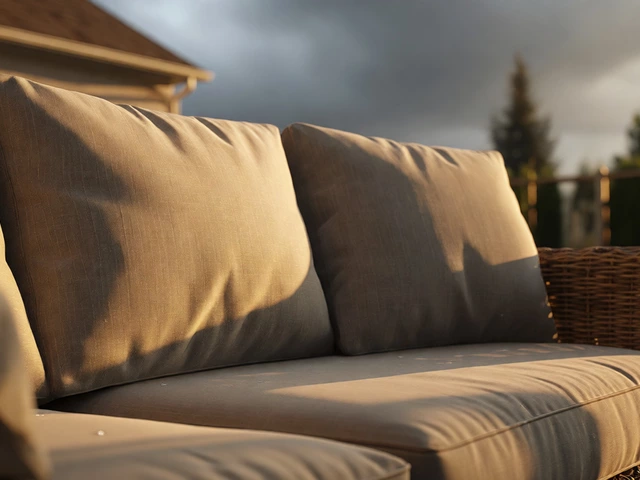
If the green stuff is on your cushions, check the label first. Most outdoor fabrics are treated with UV inhibitors and stain repellents. For machine-washable covers, wash them on a cold cycle with a mild detergent. Add half a cup of white vinegar to the rinse cycle to neutralize odors and kill remaining spores. Air dry only; heat from a dryer can shrink the fabric or degrade the waterproof coating. For non-removable cushions, spot clean with a mixture of water, mild detergent, and a splash of hydrogen peroxide (test for colorfastness first). Blot, don’t rub, to avoid pushing the algae deeper into the foam.
Prevention Strategies: Keeping It Clean Longer
Cleaning is reactive; prevention is proactive. The goal is to make your patio furniture an inhospitable environment for algae and moss. This involves managing moisture, light, and debris.
- Improve Drainage: Ensure your patio area slopes away from where the furniture sits. Standing water is the primary food source for algae. If you have a flat concrete slab, consider adding French drains or permeable pavers in high-moisture zones.
- Trim Overhanging Foliage: Moss thrives in shade. Trim back branches that cast heavy shadows over your seating area. More sunlight means faster drying times, which inhibits growth.
- Regular Dusting: Organic debris like leaves and pollen provides nutrients for algae. Sweep or wipe down your furniture weekly. It takes five minutes and saves hours of scrubbing later.
- Use Covers Wisely: Furniture covers are great, but if they trap moisture underneath, they create a greenhouse effect for mold. Only use covers when the furniture is completely dry. Choose breathable, mesh-backed covers rather than solid plastic tarps.
- Apply Protective Sealants: For wood and stone, apply a hydrophobic sealant annually. These products repel water, preventing it from sitting on the surface long enough for algae to take hold.
When to Call a Professional
Sometimes, DIY methods fall short. If the green growth has penetrated deep into porous stone or untreated wood, or if you suspect toxic black mold (which often accompanies green algae in neglected areas), it might be time to call a professional cleaning service. They have industrial-grade steam cleaners and antimicrobial treatments that are safe for humans but lethal to stubborn organisms. Additionally, if your furniture is antique or valuable, professional restoration ensures you don’t accidentally strip historical finishes.
In Mississauga and surrounding areas, late summer humidity makes this a particularly relevant issue right now. Taking action now prevents the problem from worsening into the fall, when leaf litter combines with moisture to create a perfect storm for winter mold.
Is the green stuff on my patio furniture dangerous?
Generally, no. Algae and moss are harmless to humans, though they can be slippery. However, if the green growth is accompanied by black or gray powdery spots, it could be mold, which can trigger allergies or respiratory issues in sensitive individuals. Always wear gloves when cleaning to protect your skin from irritants.
Can I use bleach to remove algae from patio furniture?
You can, but with caution. Bleach is effective against algae and mold but can damage certain materials. It may fade colored plastics, corrode metal, and strip natural oils from wood. If you must use bleach, dilute it heavily (1 part bleach to 10 parts water), test on a small hidden area first, and rinse thoroughly. Vinegar is a safer alternative for most materials.
How often should I clean my outdoor furniture?
Aim for a quick dusting or wipe-down every week during the rainy season. Perform a deeper clean with soap and water or vinegar at least twice a year-once in spring to remove winter residue and once in late summer to prepare for fall. Regular maintenance prevents the buildup that requires aggressive scrubbing.
Why does algae grow so fast on plastic furniture?
Plastic is non-porous, which seems like it should resist growth, but it also means water beads up and stays on the surface longer if the furniture isn’t tilted for drainage. Combined with sunlight, this creates ideal conditions for algae photosynthesis. Micro-scratches from previous cleaning can also trap organic matter, providing a foothold for new growth.
Will moving my furniture indoors stop the green growth?
It helps, but only if the furniture is completely dry before storage. Storing damp furniture in a garage or shed traps moisture, leading to mold growth inside. Always clean and dry your furniture thoroughly before bringing it in for the winter. If possible, store it in a well-ventilated area.