TV Placement Ergonomics Checker
Enter your room dimensions to determine if you should center the TV on the wall or align it with your couch for maximum comfort.
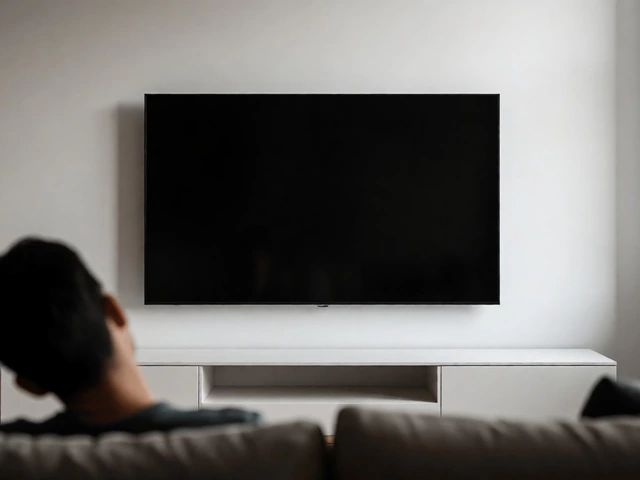
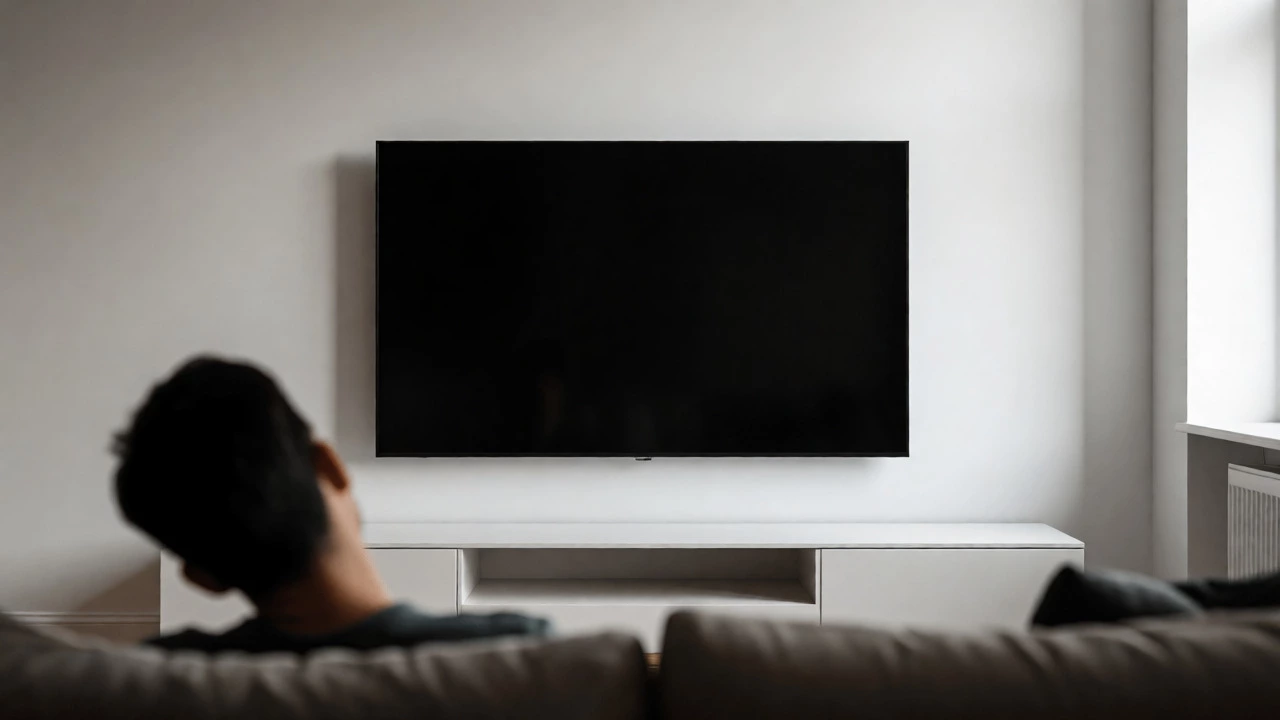
You walk into the living room, drop onto the sofa, and immediately feel a subtle neck strain. The TV is perfectly centered on the wall, symmetrical and beautiful in photos, but you have to turn your head slightly left just to see the screen. Or maybe it’s the opposite: the TV is aligned with your favorite armchair, leaving a huge, awkward blank space on the right side of the media unit. Which one is wrong? Neither, necessarily-but one is usually better for your eyes, your back, and your sanity.
This isn’t just about aesthetics. It’s about ergonomics. TV placement determines whether your movie night feels like a cinematic experience or a workout for your cervical spine. Most people default to centering the TV because interior design magazines love symmetry. But real life isn’t a magazine spread. Real life involves multiple people sitting at different angles, coffee tables blocking sightlines, and windows causing glare. So, should you center the TV on the wall or align it with the couch? The answer depends on three things: who sits where, how wide your viewing angle is, and what kind of content you watch most often.
The Myth of Perfect Symmetry
We’re conditioned to think that if something looks balanced in a photo, it must be functional. Designers love centered TVs because they anchor the room. They create a focal point that draws the eye across the entire wall. But here’s the problem: symmetry is an aesthetic goal, not an ergonomic one. If your sofa is pushed against a side wall, or if you have a sectional that wraps around a corner, centering the TV forces half the household to crane their necks.
Think about the last time you watched sports with friends. Everyone was probably clustered on one side of the couch, leaning forward, shouting at the referee. Did anyone care that the TV wasn’t centered relative to the fireplace? No. They cared about seeing the ball. This reveals the core truth: the primary function of a TV is visibility from the primary seating position, not decorative balance.
However, this doesn’t mean you should ignore the wall entirely. If you mount a TV off-center on a large wall, it can look lopsided and unfinished. The trick is finding the compromise between visual weight and viewing comfort. You don’t need perfect centering; you need optimal alignment.
Ergonomics: Where Your Eyes Want the TV
Your eyes are designed to move horizontally more comfortably than vertically, and certainly more easily than rotating your entire head. When you sit down, your natural line of sight goes straight ahead. If the TV is significantly off-axis, you engage muscles in your neck and shoulders to compensate. Over time, this leads to fatigue, headaches, and that annoying "tech neck" stiffness.
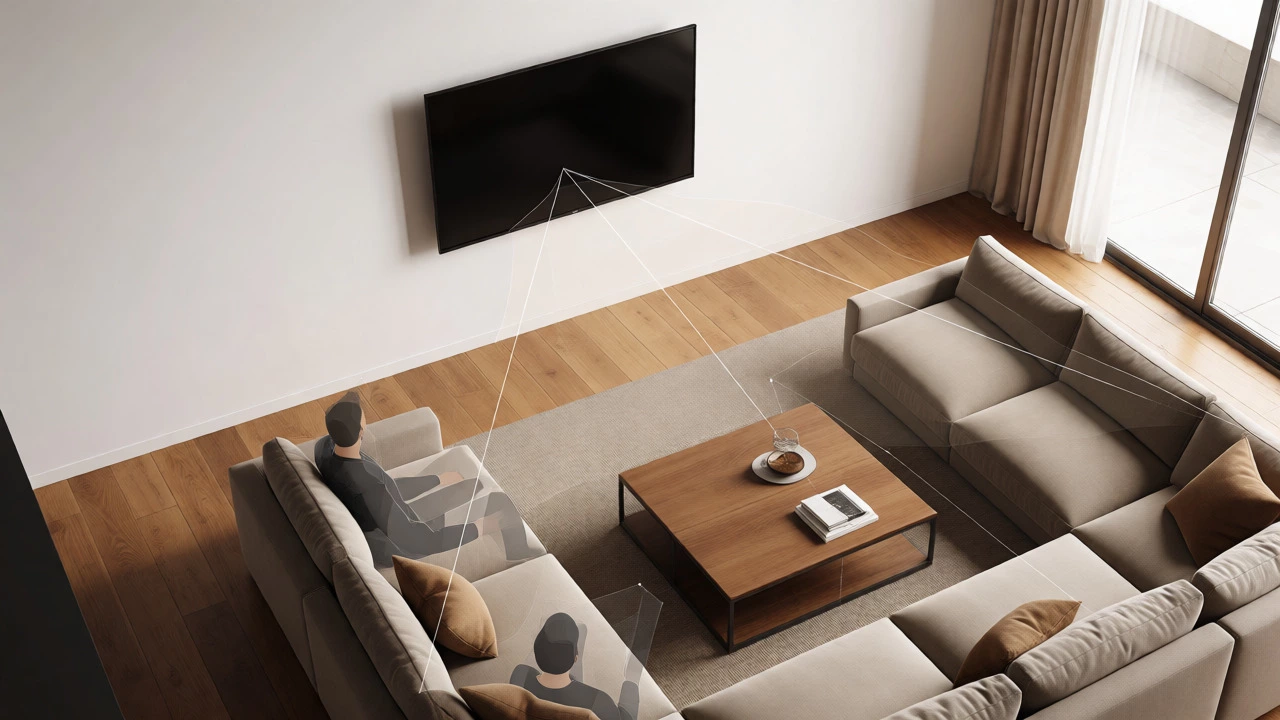
There’s a general rule of thumb used by AV installers: viewing angle should stay within 15 to 30 degrees from the centerline of the screen. If you have to turn your head more than 15 degrees to see the edge of the screen, you’re straining. If it’s over 30 degrees, you’re missing details and color accuracy, especially on modern LED panels which lose contrast when viewed from sharp angles.
So, measure your setup. Sit on your main couch. Look straight ahead. Mark that spot on the wall. That’s your ideal TV center. Now, compare that to the physical center of the wall. Are they close? If the difference is less than 6 inches, stick with wall centering-it’s negligible. If the difference is 2 feet or more, prioritize the couch alignment.
The Multi-Seater Dilemma
What if you have two sofas facing each other? Or a sectional with seats at different angles? Centering on the wall might actually be the best compromise here. In these scenarios, no single seat gets a perfect view, so you aim for equity. A centered TV ensures that everyone is equally far from the ideal axis, even if none of them are exactly on it.
But consider the coffee table as a mediator. Often, the coffee table defines the central zone of the conversation area. If your TV is centered on the wall but your coffee table is skewed toward one side due to room shape, the visual disconnect can feel jarring. In irregular rooms, aligning the TV with the coffee table’s centerline often creates a more cohesive "zone" of activity, even if it doesn’t match the architectural center of the wall.
| Strategy | Best For | Ergonomic Score | Aesthetic Risk |
|---|---|---|---|
| Wall Centered | Symmetrical rooms, formal living spaces, minimal furniture | Medium (depends on sofa position) | Low (looks traditional) |
| Couch Aligned | Single sofa setups, media rooms, gaming zones | High (optimal for main user) | Medium (may look unbalanced) |
| Compromise (Offset) | L-shaped sectionals, mixed seating areas | High (balances multiple views) | Low (feels intentional) |
When to Break the Rules
There are specific scenarios where rigid rules fail. First, consider glare sources. If you have a large window on the left wall, centering the TV might put the screen directly in the path of afternoon sun, washing out the image. Moving the TV slightly right to avoid direct reflection is worth sacrificing perfect symmetry. Function always beats form when it comes to actual usage.
Second, think about cable management and architecture. Sometimes, the electrical outlet or HDMI port is only accessible in one location. Running long cables across a wall can look messy unless you use raceways or conduit. If the power source is off-center, mounting the TV there saves you from ugly cord spaghetti behind the unit.
Third, consider the size of the TV versus the wall. On a small wall, a large TV mounted off-center can dominate the space and make the room feel cramped. On a very large wall, a small TV centered might look like a postage stamp. In these cases, scaling matters more than positioning. You might need to add flanking speakers or shelving units to visually rebalance an off-center TV.
Practical Steps to Find Your Sweet Spot
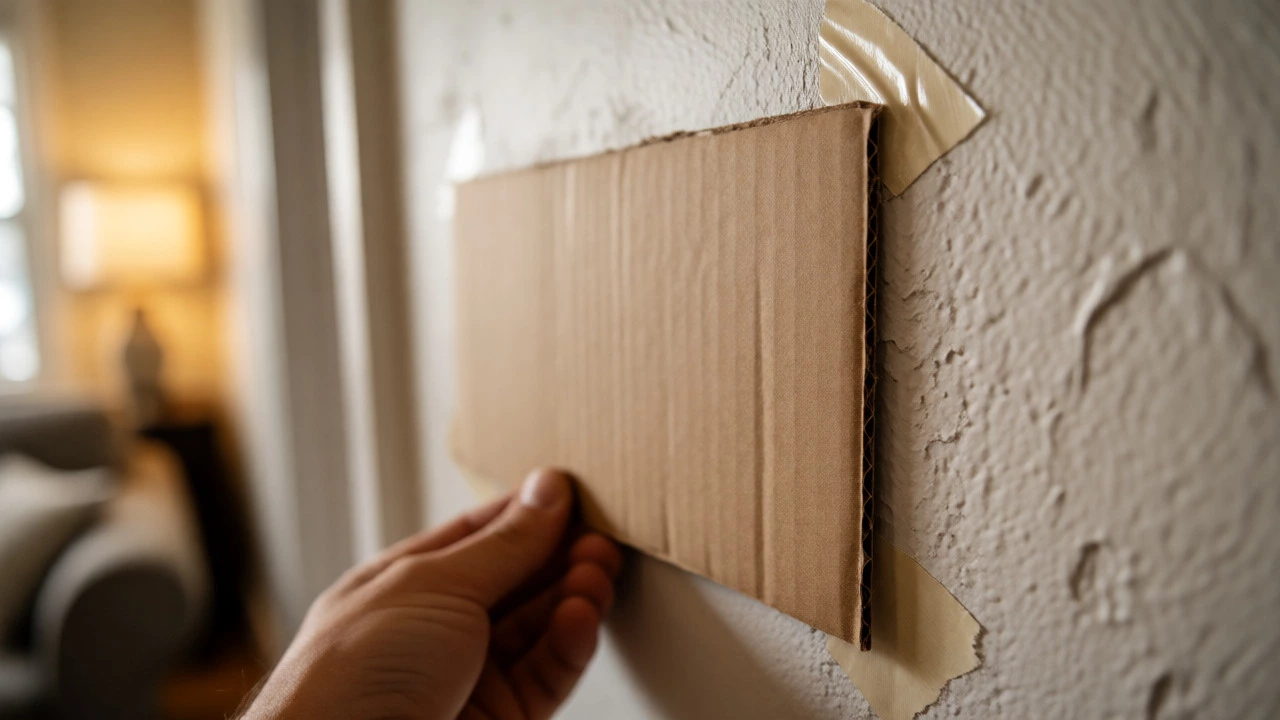
Don’t guess. Test it before you drill holes. Here’s a simple method I use when helping clients rearrange their living rooms:
- Step 1: Tape a piece of cardboard cut to the size of your TV on the wall at the desired height.
- Step 2: Sit in every primary seating position. Note which ones feel comfortable and which require turning.
- Step 3: Shift the cardboard left or right in 6-inch increments until the majority of seats have a clear, straight-on view.
- Step 4: Check for glare at different times of day. Move the mock-TV if sunlight hits it directly.
- Step 5: Stand up and walk away. Does the off-center placement look weird from the doorway? If yes, adjust slightly toward the wall center until it feels "intentional" rather than "accidental."
This process removes the emotional attachment to symmetry and focuses on data. You’ll likely find that a slight offset-say, 10 to 12 inches from true center-is invisible to guests but makes a massive difference in daily comfort.
The Role of Furniture Layout
Your sofa arrangement dictates everything. If you pull your sofa away from the back wall, you change the viewing distance and angle. Many people push sofas against walls to maximize floor space, but this often pushes them too close to side walls, creating bad angles. Pulling the sofa out just 6 inches can improve the viewing geometry significantly.
Also, consider the TV stand or console. If you’re using a stand instead of wall-mounting, its width matters. A narrow stand under a wide, centered TV looks unstable. A wide stand under an off-center TV can help ground the composition. Use furniture to support the visual logic of your choice. If the TV is off-center, place a tall plant or lamp on the empty side of the wall to restore visual balance.
Final Verdict: What Should You Do?
If you have a standard living room with one main sofa facing the TV wall, align the TV with the center of that sofa. Your neck will thank you. Ignore the urge to center it on the drywall unless the difference is minor.
If you have multiple seating areas or a formal layout, center the TV on the wall. Accept that some viewers will sit at an angle. Enhance the experience with wider-angle screens or curved monitors if possible.
And if you’re still torn? Offset it. Split the difference between the wall center and the couch center. This is the designer’s secret weapon. It looks deliberate, offers decent ergonomics, and avoids the stark emptiness of a poorly placed focal point.
Is it okay if my TV is not centered on the wall?
Yes, absolutely. While symmetry is aesthetically pleasing, ergonomics are crucial for comfort. If aligning the TV with your seating provides a better viewing angle and reduces neck strain, it is the superior choice. Many modern interiors embrace asymmetrical layouts to prioritize functionality.
How far off-center is too far off-center?
Generally, if the TV is more than 15-20% of the wall width off-center, it may look unintentionally skewed. However, this depends on the room's proportions. Use the "cardboard test" mentioned earlier to ensure it feels balanced from the entryway while maintaining good sightlines from the couch.
Does TV height matter more than horizontal centering?
Height is arguably more critical. The center of the TV should be at eye level when seated, typically 42-48 inches from the floor depending on sofa height. Poor vertical placement causes significant neck strain, whereas minor horizontal offsets are easier for the brain to ignore during active viewing.
What if I have a fireplace above the TV?
Fireplaces force centering due to their structural nature. In this case, accept the height trade-off. Mount the TV as low as safely possible above the mantel. If the heat issue is severe, consider a tilting bracket to angle the screen downward toward the viewer, compensating for the high position.
Can I fix an off-center look later?
Yes, through decor. Add artwork, shelves, or plants to the heavier side of the wall to create visual counterweight. Alternatively, use a larger media console that spans the wall width, making the TV appear part of a unified structure rather than a floating object.