Furniture Storage Cover Selector
Select your furniture type and storage conditions to get personalized wrapping recommendations.
Imagine unboxing your favorite armchair after six months in a garage, only to find it covered in a layer of grime that no amount of vacuuming can fix. Or worse, the fabric has yellowed because sunlight slipped through a thin sheet. Storing furniture isn't just about shoving things into a corner; it’s about preservation. The difference between a pristine piece and one destined for the landfill often comes down to what you wrapped it in-and how you did it.
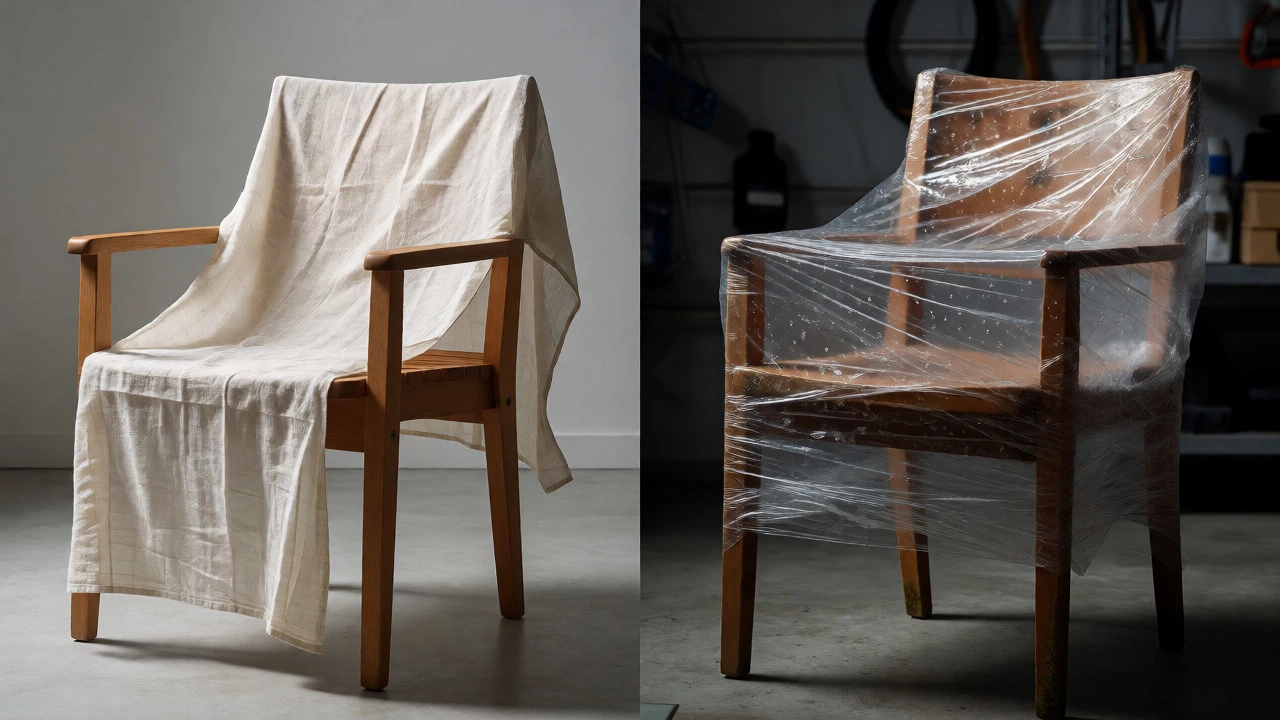
You might think a simple bedsheet is enough. It’s not. Bedsheets trap moisture against upholstery, creating a breeding ground for mold and mildew, especially if your storage unit gets humid. Plastic wrap? That’s a double-edged sword. It seals out dust but traps off-gassing from wood finishes and moisture from fabrics, leading to sticky residues or rot. So, how do you actually cover furniture for storage so it survives the hiatus intact?
The Golden Rule: Clean Before You Cover
Before you even touch a roll of packing tape, you need to deep clean every item. This step is non-negotiable. If you store a sofa with a spilled coffee stain from last Tuesday, that stain will set permanently within weeks. Dust particles act like sandpaper when they sit on fabric under pressure for months.
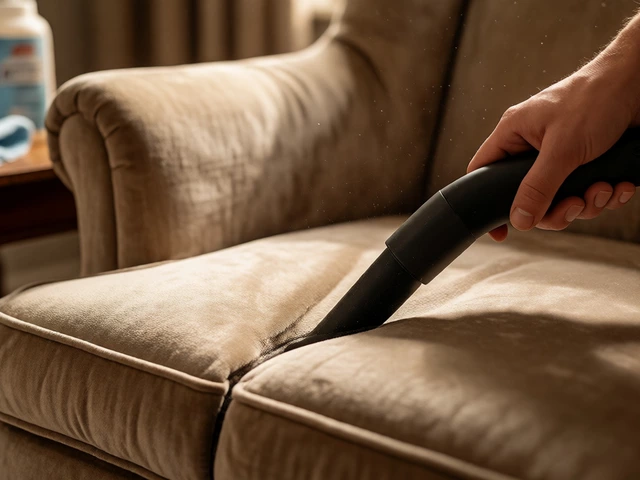
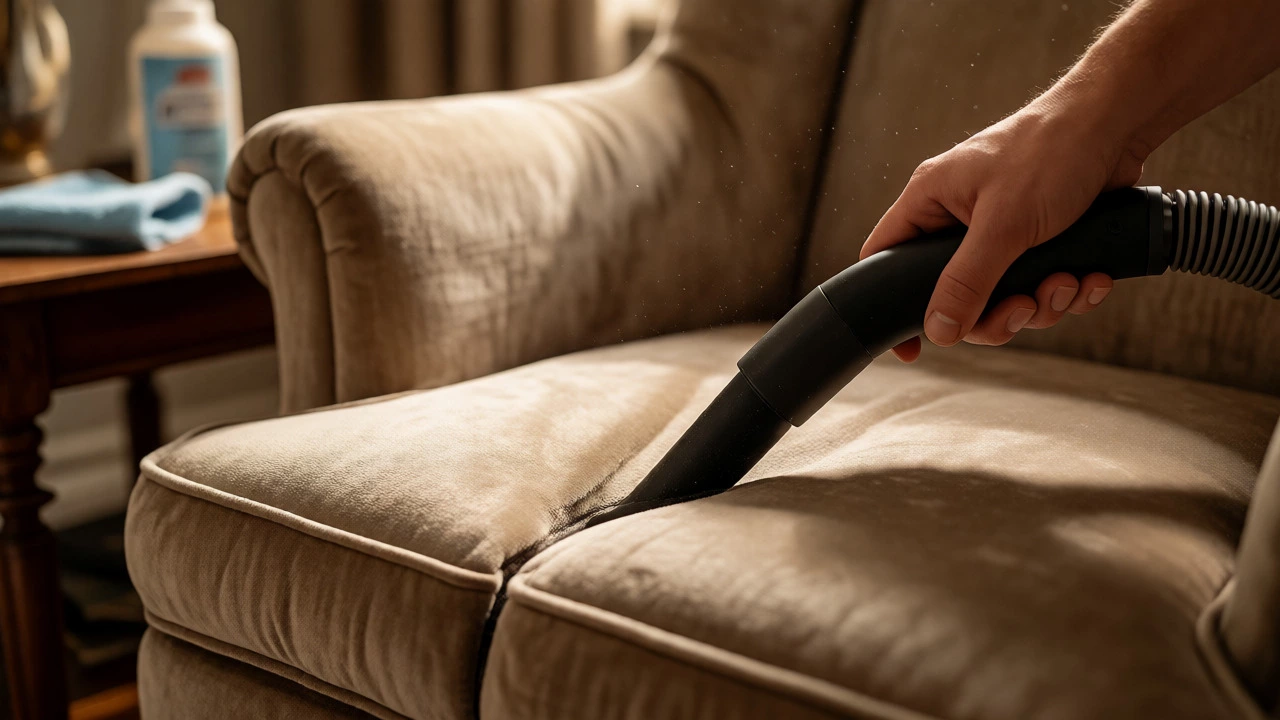
- Upholstery: Vacuum thoroughly, including crevices and under cushions. Use an upholstery shampoo or steam cleaner if there are visible spots. Let it dry completely-any dampness left behind becomes mold.
- Wood: Wipe down with a microfiber cloth and a gentle wood cleaner. For unfinished wood, consider applying a light coat of wax or oil to prevent drying cracks, but let it cure fully before wrapping.
- Metal: Check for rust spots. Apply a thin layer of machine oil or WD-40 to bare metal parts to prevent oxidation during storage.
Skipping this step means you’re sealing dirt and bacteria right into the fibers. Think of it as putting dirty laundry in a sealed bag-it won’t get cleaner, it’ll just smell worse.
Choosing the Right Material for Each Item
Not all furniture needs the same treatment. A solid oak dining table has different vulnerabilities than a velvet sectional. Using the wrong material can cause more harm than good. Here’s a breakdown of what works best for common items.
| Furniture Type | Recommended Cover | Why It Works | What to Avoid |
|---|---|---|---|
| Upholstered Sofas & Chairs | Breathable Fabric Bags (Canvas/Non-woven) | Allows air circulation to prevent mold while blocking dust. | Plastic sheets (traps moisture). |
| Wooden Tables & Dressers | Moving Blankets + Plastic Wrap | Blankets cushion impacts; plastic protects finish from scratches. | Tight rubber bands (can leave marks). |
| Lamps & Fragile Decor | Bubble Wrap + Box | Cushions delicate glass or ceramic components. | Wrapping whole lamps without removing shades. |
| Mattresses | Specific Mattress Bags | Designed to breathe and resist tears; keeps allergens out. | General-purpose trash bags (tear easily). |
| Electronics (TVs) | Original Box or Anti-static Wrap | Protects screens from static and physical damage. | Newspaper (ink transfers to screen). |
Notice the pattern? Breathability is key for anything with fabric or natural materials. Cushioning is critical for hard surfaces. Specificity saves money-buying a dedicated mattress bag for $15 is cheaper than replacing a $800 mattress ruined by mildew.
Step-by-Step: Wrapping Upholstered Furniture
Let’s tackle the biggest pain point: sofas and sectionals. These bulky items are prone to sagging and staining. Follow this sequence to keep them looking new.
- Disassemble if possible: Remove legs, arms, or modular pieces. Wrap each part separately. This reduces bulk and prevents stress points on the frame.
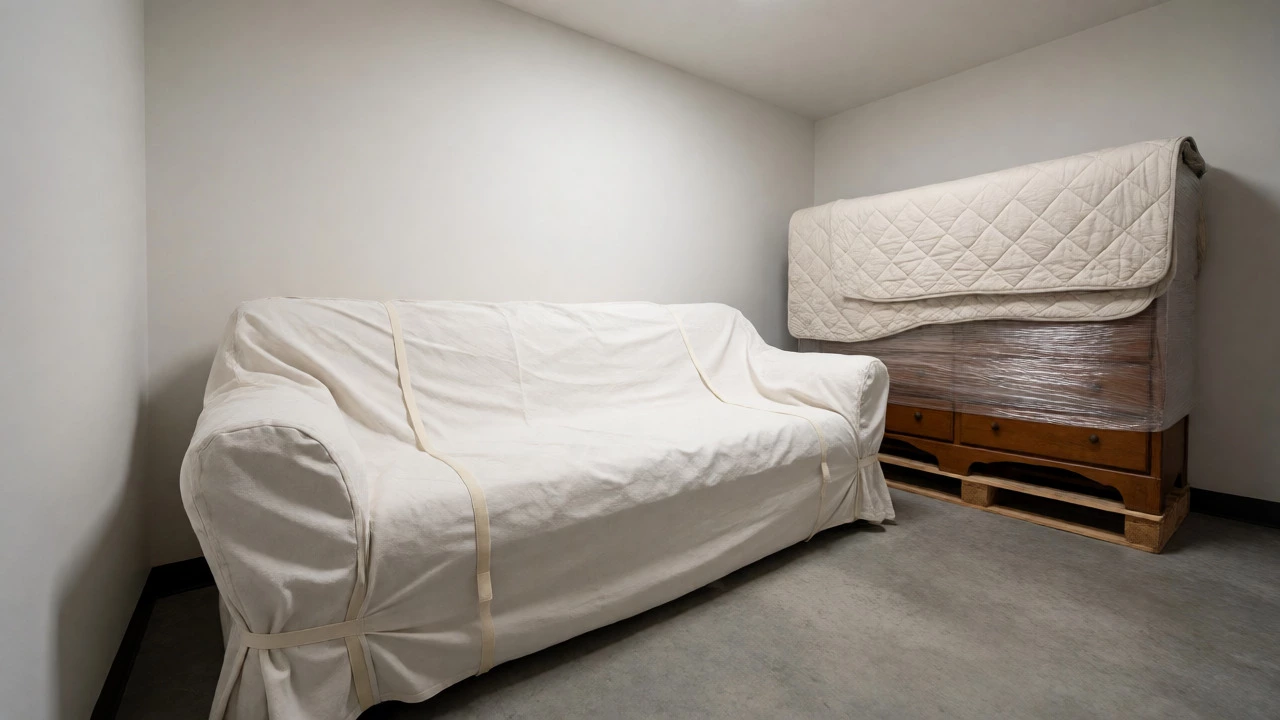
- Wrap in breathable material: Use a large canvas drop cloth or a specialized furniture cover. Do not use plastic directly on the fabric. If you must use plastic for weatherproofing in a non-climate-controlled unit, put a layer of cotton or muslin between the furniture and the plastic.
- Secure gently: Use Velcro straps or soft ties. Avoid duct tape directly on fabric-it leaves adhesive residue that’s nearly impossible to remove later. If you need tape, stick it to the plastic wrap, not the upholstery.
- Label clearly: Write "FRONT" or "UP" on the cover so movers know which way to orient it.
A pro tip from my own moves: take photos of your couch configuration before disassembling it. Future-you will thank present-you when trying to reassemble a five-piece sectional in a cramped apartment living room.
Protecting Wood and Hard Surfaces
Wood breathes. It expands and contracts with humidity changes. If you seal it too tightly in plastic without proper conditioning, you risk cracking or warping. Here’s how to handle wooden tables, dressers, and chairs.
Start by protecting corners and edges, which are the first to chip. Cut cardboard strips or foam tubes and tape them over sharp corners. Then, wrap the entire piece in moving blankets. These thick, quilted pads absorb shocks better than any thin plastic. Secure the blankets with stretch wrap (the kind used for pallets) rather than standard cling film. Stretch wrap holds tension without sticking to the wood finish.
If you’re storing antique or high-value wood, consider using acid-free tissue paper between layers of blanket. Standard newsprint or colored blankets can transfer dye onto lighter woods over time. I learned this the hard way with a white-painted dresser that turned slightly blue-gray after being stored next to a red moving blanket for a year.
Climate Control Matters More Than Covers
You can buy the most expensive cover in the world, but if you’re storing furniture in a drafty shed in Mississauga during January, it’s going to suffer. Temperature fluctuations cause condensation inside covers. When warm air hits cold surfaces, water droplets form. On wood, this causes swelling; on fabric, it breeds mold.
For long-term storage (over three months), rent a climate-controlled unit. In Ontario, winters dip well below freezing and summers spike above 30°C. Non-climate units swing wildly. Climate-controlled spaces maintain a steady temperature (usually around 15-20°C) and humidity level (40-60%). This stability extends the life of your furniture significantly.
If you can’t afford climate control, elevate everything off the concrete floor. Concrete wicks moisture up into wood and fabric. Place pallets or bricks under your furniture before covering it. Leave a few inches of space between items and walls to allow air circulation. Don’t stack heavy boxes on top of upholstered pieces unless they’re designed to bear weight.
Common Mistakes That Ruin Furniture
Even careful people make these errors. Watch out for these pitfalls:
- Using newspaper: Ink transfers onto light-colored fabrics and wood finishes. It also breaks down quickly, leaving scraps everywhere.
- Stacking mattresses flat: Unless specified by the manufacturer, stacking mattresses compresses the foam or springs unevenly. Store them upright against a wall instead.
- Ignoring hardware: Screws, bolts, and knobs should go in labeled ziplock bags taped to the corresponding piece. Don’t toss them in a generic "miscellaneous" box-you’ll spend hours hunting for the right screwdriver bit.
- Forgetting pest prevention: Moths love wool and silk. Mice love insulation in sofas. Toss a cedar block or mothball (if safe for your materials) inside enclosed covers. Cedar is natural and smells nicer than chemicals.
Another sneaky mistake: storing leather furniture in direct sunlight or near heat vents. Leather dries out and cracks. Keep it cool, dark, and conditioned with a leather protector before wrapping.
Unpacking and Reviving Your Furniture
When retrieval day arrives, don’t just rip off the covers and start sitting. Let the furniture acclimate to your home’s temperature for a few hours. This prevents sudden expansion or contraction of materials.
Remove covers carefully. Shake out dust outside, not indoors. Vacuum upholstery again to pick up any settled particles. Wipe down wood with a damp cloth to remove static-charged dust. Check for signs of pests or moisture damage immediately. Address small issues now before they become big repairs.
Finally, give yourself grace. Some minor wrinkles in fabric or slight scuffs on wood are normal. Most can be steamed out or buffed away. But if you followed the steps above, your furniture should look remarkably close to how it looked when it went into storage.
Can I use plastic wrap directly on leather furniture?
No, avoid direct contact. Plastic traps moisture and can cause leather to stick or develop mold. First, apply a leather conditioner, then wrap in a breathable cotton sheet, and finally use plastic only if necessary for external protection.
How long can furniture stay in storage?
With proper cleaning and climate-controlled storage, furniture can last indefinitely. However, check items every 6-12 months for signs of pests, moisture, or shifting covers. Non-climate storage is risky for periods longer than 3-6 months due to temperature swings.
Do I need to disassemble furniture before storing?
Yes, whenever possible. Disassembling beds, tables, and modular sofas reduces size, prevents damage during transport, and allows for better packing efficiency. Keep all hardware in labeled bags attached to the main piece.
What is the best way to protect a mirror or glass tabletop?
Apply masking tape in an 'X' pattern across the glass surface to hold shards together if it breaks. Wrap in bubble wrap with bubbles facing inward, then place in a sturdy box or crate. Store vertically, never flat.
Is it okay to store furniture in a self-storage unit without climate control?
It depends on the duration and local climate. In stable climates, it may be fine for short terms. In regions with extreme humidity or temperature changes (like Canada), climate control is highly recommended to prevent mold, warping, and cracking.