Sofa Color Compatibility Calculator
Your Living Situation
Why this works:
Key Factors:
Enter your details to find the ideal sofa color for your home.
Walk into any furniture showroom or scroll through interior design feeds, and you’ll notice a pattern. While bold reds and deep navy blues make statements, the vast majority of living rooms are anchored by something far more subtle. If you’re standing in an aisle wondering which shade will look good five years from now, you aren’t alone. The question isn’t just about what looks nice today; it’s about longevity, resale value, and how that piece fits into your actual life.
The short answer? Grey remains the undisputed champion of popularity. However, the landscape is shifting. We are seeing a massive pivot away from cool, steel tones toward warmer, earthier hues. Beige, oatmeal, and soft taupe are rapidly climbing the charts, challenging grey’s decade-long reign. Understanding this shift helps you avoid buying a trend that feels dated before the delivery truck even leaves.
The Enduring Reign of Grey
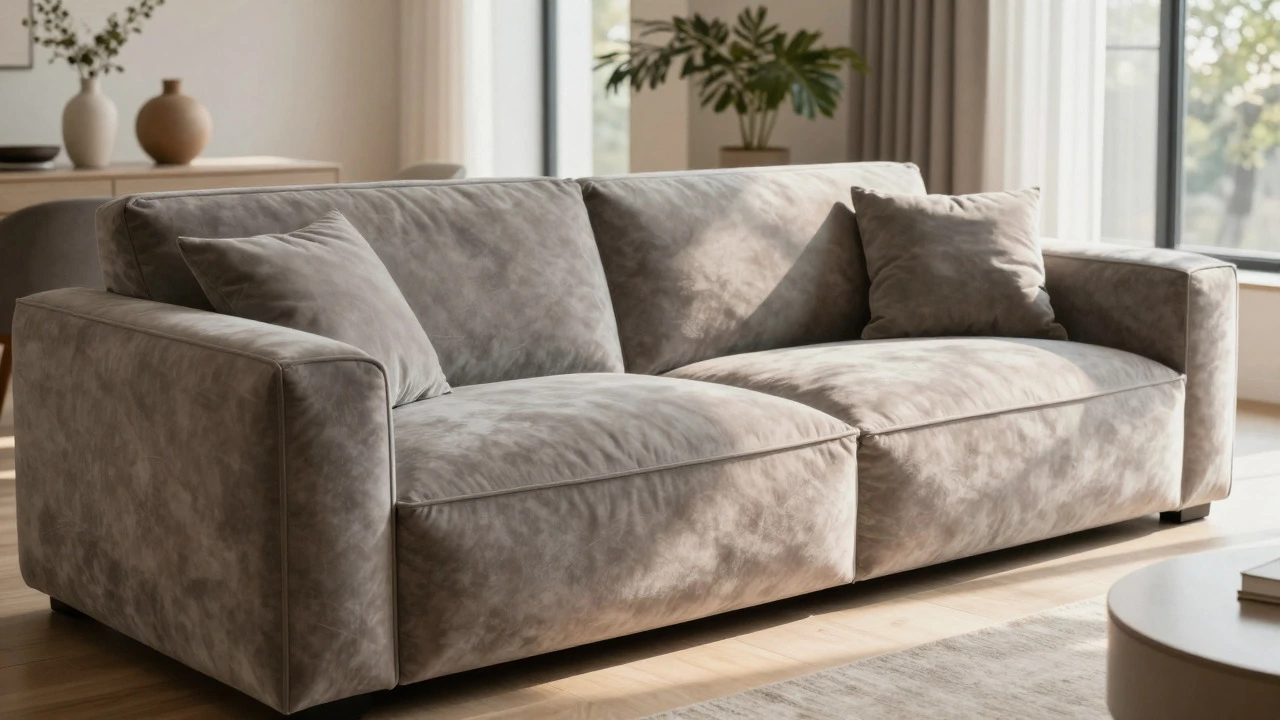
For roughly ten years, grey has been the default choice for new homes, rentals, and designer showrooms. It makes sense. Grey is the ultimate chameleon. A mid-tone charcoal sofa can ground a room with white walls, while a light heather grey blends seamlessly into a Scandinavian-style space. Its neutrality allows homeowners to change up throw pillows, rugs, and art without clashing with the largest piece of furniture in the room.
However, not all greys are created equal. In recent years, we’ve seen a split in preference:
- Cool Greys: These have blue or green undertones. They feel modern, crisp, and industrial. They pair beautifully with black metal fixtures and concrete textures but can feel cold in smaller, windowless rooms.
- Warm Greys (Greige): This is where the market is moving. By mixing grey with beige, designers create a tone that offers the sophistication of grey with the comfort of cream. It reads as expensive and inviting rather than sterile.
If you love grey, lean towards the warmer side. Pure slate grey is becoming less common in mainstream catalogs, replaced by these softer, more complex neutrals that hide wear better and age more gracefully.
The Rise of Warm Neutrals: Beige and Cream
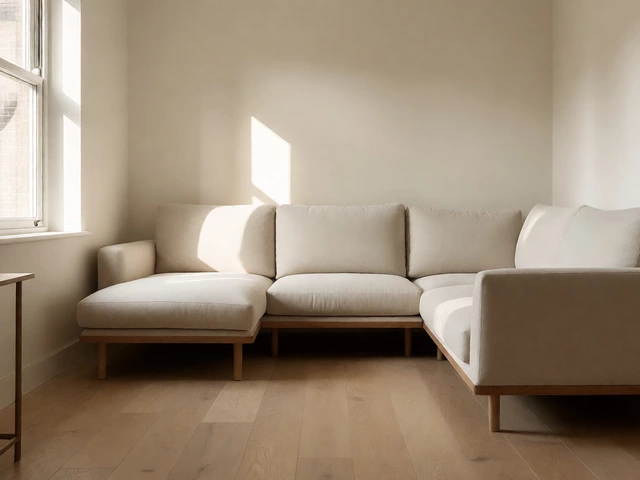
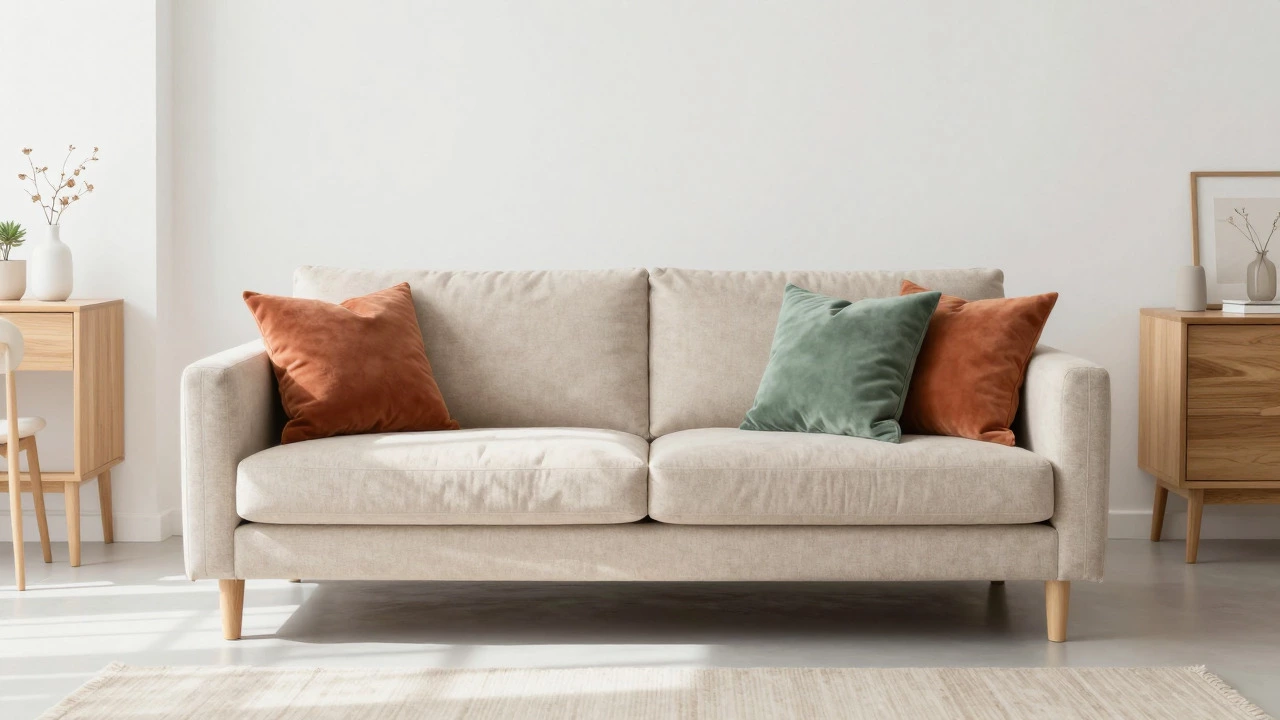
There was a time when beige was considered boring. That stigma has completely vanished. Today, beige-specifically shades like oatmeal, sand, and camel-is having a major moment. This trend is driven by the "Quiet Luxury" aesthetic, which prioritizes texture and quality over loud patterns or dark contrasts.
Why are people choosing lighter neutrals?
- Light Reflection: Lighter sofas bounce natural light around a room, making small spaces feel larger and airier. In cities with long winters, like Toronto or Mississauga, this brightness matters during darker months.
- Versatility: A cream bouclé sofa acts as a blank canvas. You can layer vibrant greens, terracottas, or blues on top without worrying about color theory clashes.
- Perceived Cleanliness: Counterintuitively, well-maintained light fabrics signal high status. Dark hides often look worn quickly; light linen, if vacuumed regularly, maintains a fresh, hotel-like appearance.
The catch? Maintenance. If you have young children or pets, pure white is risky. Opt for textured weaves like bouclé or heavy cotton blends. The irregular surface hides crumbs and minor stains better than smooth velvet or flat linen.
Earth Tones: Olive, Terracotta, and Rust
If you want color but still crave versatility, earth tones are the sweet spot. These colors mimic nature-think dried moss, clay pots, and autumn leaves. They bring warmth into a home without overwhelming the senses.
Olive green has become a standout contender. It pairs exceptionally well with wood flooring and brass accents. Unlike bright lime greens, olive is muted enough to serve as a neutral in many contexts. Similarly, rust and terracotta offer a pop of personality that complements both modern minimalist decor and cozy, eclectic styles.
These shades work because they are organic. They don’t fight against other elements in the room; they harmonize. An olive sofa doesn’t demand attention like a royal blue one might, but it adds depth that grey sometimes lacks.
| Color Family | Best For | Maintenance Level | Resale Appeal |
|---|---|---|---|
| Grey (Warm/Greige) | Modern, urban apartments | Low | Very High |
| Beige/Cream | Small spaces, light-filled rooms | Medium-High | High |
| Olive Green | Natural, bohemian, or rustic styles | Low-Medium | Medium |
| Navy Blue | Traditional or coastal themes | Low | Medium-High |
Dark Hues: Navy and Charcoal
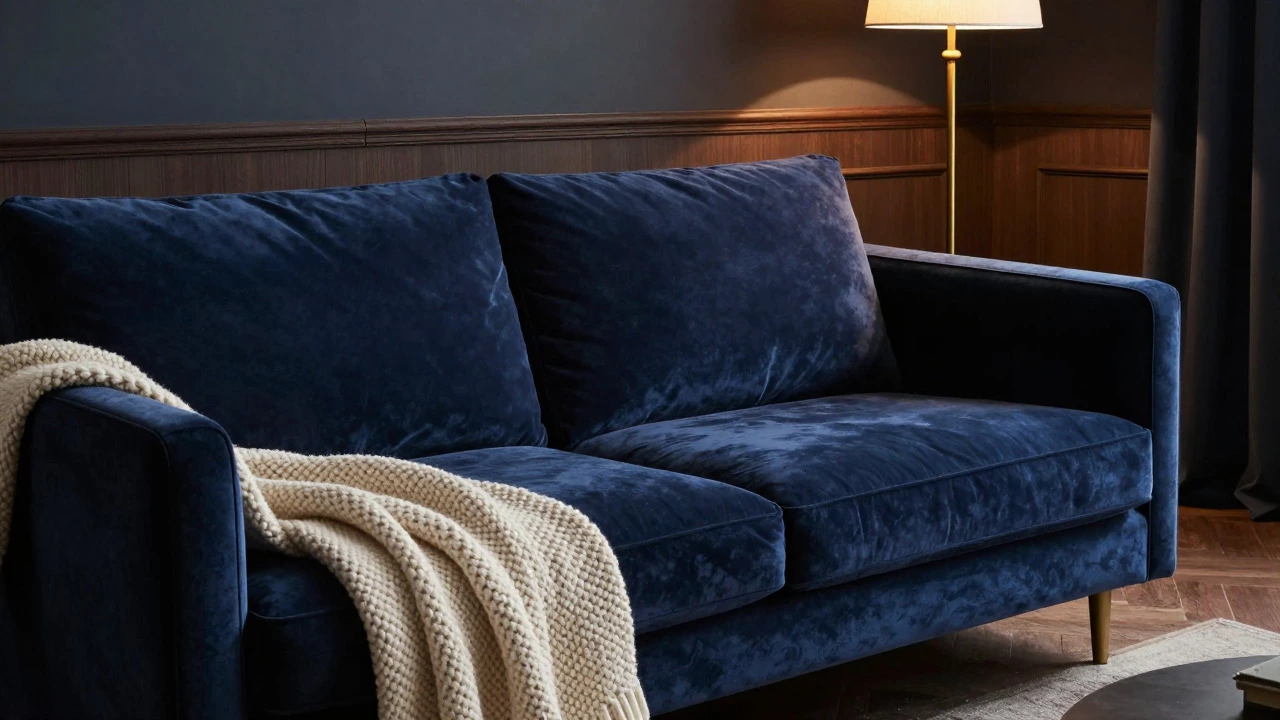
Don’t write off dark colors just yet. Navy blue and charcoal remain strong choices, particularly for families. Why? Because they hide everything. Pet hair, mud tracks, and coffee spills are far less visible on a deep navy fabric than on a light oatmeal one.
Navy also serves as a sophisticated alternative to black. Black sofas can sometimes look harsh or institutional, especially under bright LED lighting. Navy retains that depth and drama but softens the edge. It pairs beautifully with light wood floors and white trim, creating a classic nautical or preppy vibe that never goes out of style.
If you choose a dark sofa, balance it with lighter textiles. Throw a chunky knit blanket or place a light-colored rug underneath to prevent the seating area from feeling like a visual anchor dragging the room down.
Choosing Based on Your Lifestyle
Popularity metrics are useful, but your daily routine dictates the right choice. Consider these scenarios:
- The Pet Owner: Avoid light solids. Go for textured greys, dark navies, or microfiber fabrics that resist shedding. Avoid loose weaves where claws can snag.
- The Young Family: Look for stain-resistant treatments. Brands like Sunbrella or performance velvets are worth the extra cost. Earth tones like rust or olive hide dirt better than stark whites.
- The Minimalist: Stick to monochromatic schemes. A light grey or beige sofa allows you to keep clutter low while maintaining a clean aesthetic.
- The Resale Focused: If you plan to sell your home soon, stick to warm greys or beiges. These appeal to the widest range of buyers and help potential purchasers visualize their own belongings in the space.
Material Matters as Much as Color
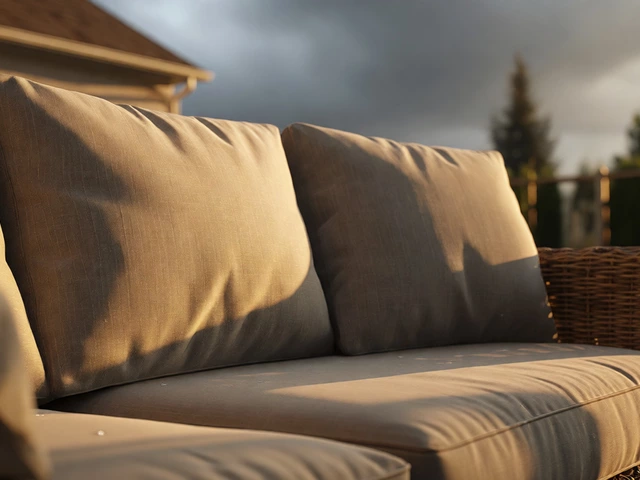
You can’t talk about color without discussing fabric. The same grey looks completely different in leather versus linen. Leather develops a patina over time, changing shade slightly as it ages. Linen fades gently in sunlight, taking on a softer, sun-bleached look.
Velvet is currently very popular for adding luxury to a room. It reflects light differently depending on the angle, giving a single-color sofa dynamic visual interest. A emerald green velvet sofa looks almost black in shadow and vibrant green in direct light. This dimensionality makes colored sofas feel less risky because the material itself provides variety.
When shopping, always ask for a swatch. View it in your home’s lighting at different times of day. A sofa that looks perfect under store fluorescents might appear dull or too pink in your evening lamp light.
Is grey still in style for sofas in 2026?
Yes, but the preference has shifted. Cool, bluish greys are losing popularity, while warm greys (often called greige) remain highly sought after. They offer the neutrality of grey with the coziness of beige, making them a safe yet stylish choice.
What is the most timeless sofa color?
Navy blue and warm grey are considered the most timeless. They do not date quickly and appeal to a broad demographic. Neutral tones like oatmeal and cream are also timeless but require more maintenance to keep looking fresh.
Should I buy a light or dark sofa for my living room?
Choose light if you have a small room or limited natural light, as it opens up the space. Choose dark if you have pets, children, or prefer a moody, dramatic aesthetic. Dark fabrics also hide wear and tear much better.
Are colored sofas a bad investment?
Not necessarily. Muted earth tones like olive green, rust, and mustard yellow are versatile enough to act as secondary neutrals. Bright primary colors are riskier for resale but can define a personal style if you plan to stay in the home long-term.
How do I match my sofa color to my wall color?
Aim for contrast. If your walls are light, a medium-to-dark sofa creates definition. If your walls are dark, a light sofa prevents the room from feeling cave-like. Avoid matching the sofa exactly to the wall color unless you want a seamless, monochromatic look.