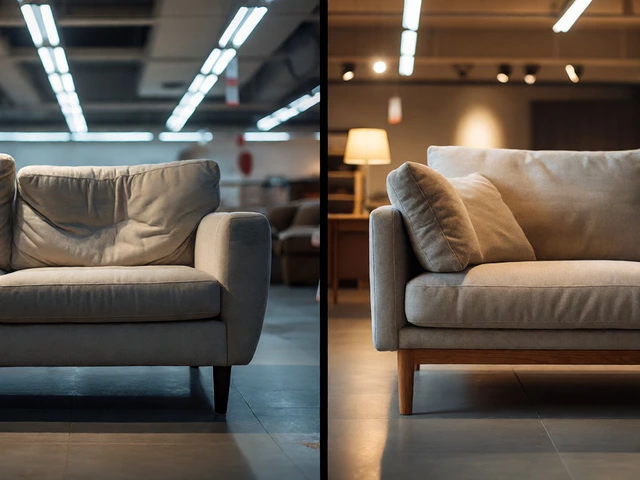
Sofa Durability Estimator
Select the specifications of your current or prospective sofa to calculate its estimated structural lifespan and receive tailored maintenance advice.
Select all four options on the left to see your personalized durability score and maintenance plan.
Verdict
⚙ Maintenance Recommendations
- • Tip 1
- • Tip 2
Buying a new sofa is a significant investment. Most people expect their furniture to last at least five years, but many end up replacing them after just three or four. Why? It usually comes down to two things: the frame and the filling. If you want a piece that stays comfortable and structurally sound for a decade or more, you need to look past the fabric swatch and inspect the bones of the chair.
The short answer is that a solid hardwood frame with high-density polyurethane foam and natural fiber webbing will outlast any other combination. But let’s break down exactly what makes a sofa durable so you can spot the difference when you’re shopping in Mississauga or online.
The Frame: The Skeleton of Your Sofa
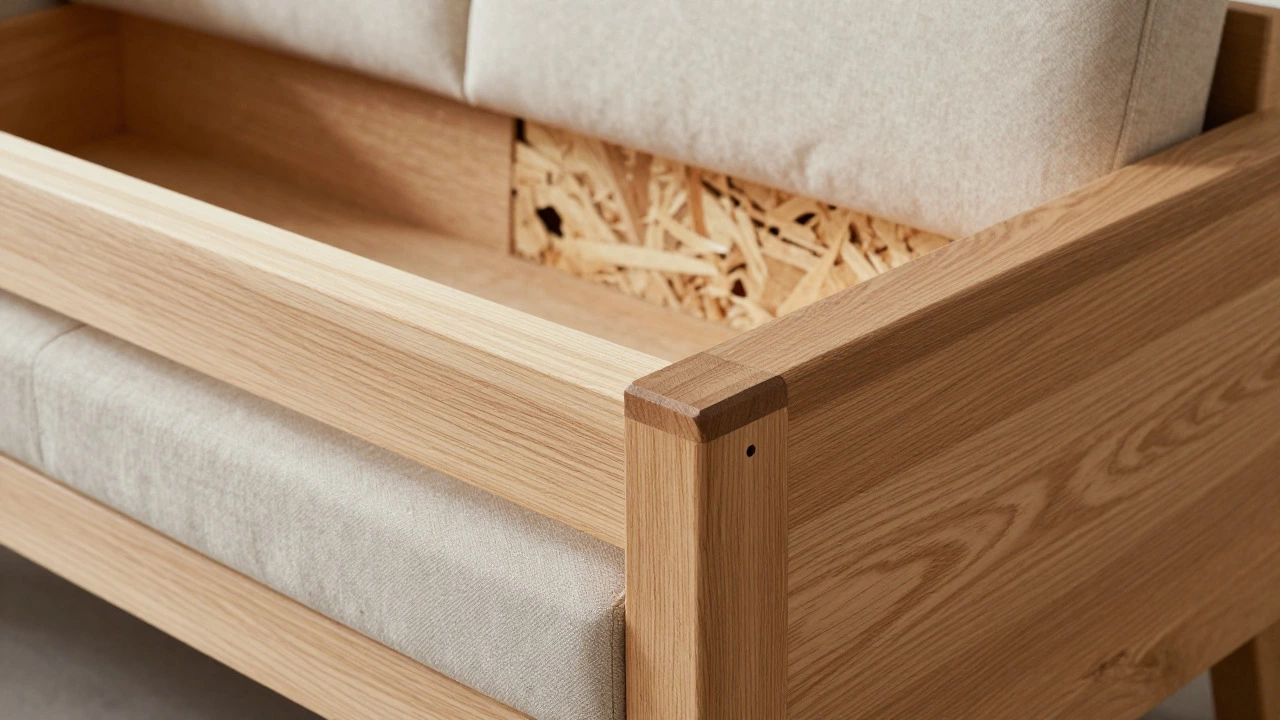
The frame is the most critical component for longevity. If the frame fails, the sofa is done, regardless of how nice the cushions are. There are two main types of frames you’ll encounter: engineered wood (particle board/MDF) and solid hardwood.
- Solid Hardwood is a structural material made from kiln-dried lumber such as oak, maple, beech, or ash. This is the gold standard. Kiln-drying removes moisture, preventing warping and splitting over time. Solid wood joints, especially those reinforced with corner blocks or metal brackets, can support heavy loads for decades.
- Engineered Wood is a composite material made from wood chips and resin, including particle board and medium-density fiberboard (MDF). While cheaper, it is susceptible to moisture damage and can crumble under repeated stress. If you buy a budget sofa, check if the frame is entirely engineered wood. It may hold up for 3-5 years, but it rarely exceeds that without sagging or breaking.
When inspecting a sofa in-store, lift the backrest. If it feels wobbly or you hear creaking, walk away. A well-built frame should feel rigid and silent. Look for exposed joinery on the underside; dovetail joints and box joints are signs of quality craftsmanship.
Upholstery Materials: Fabric vs. Leather
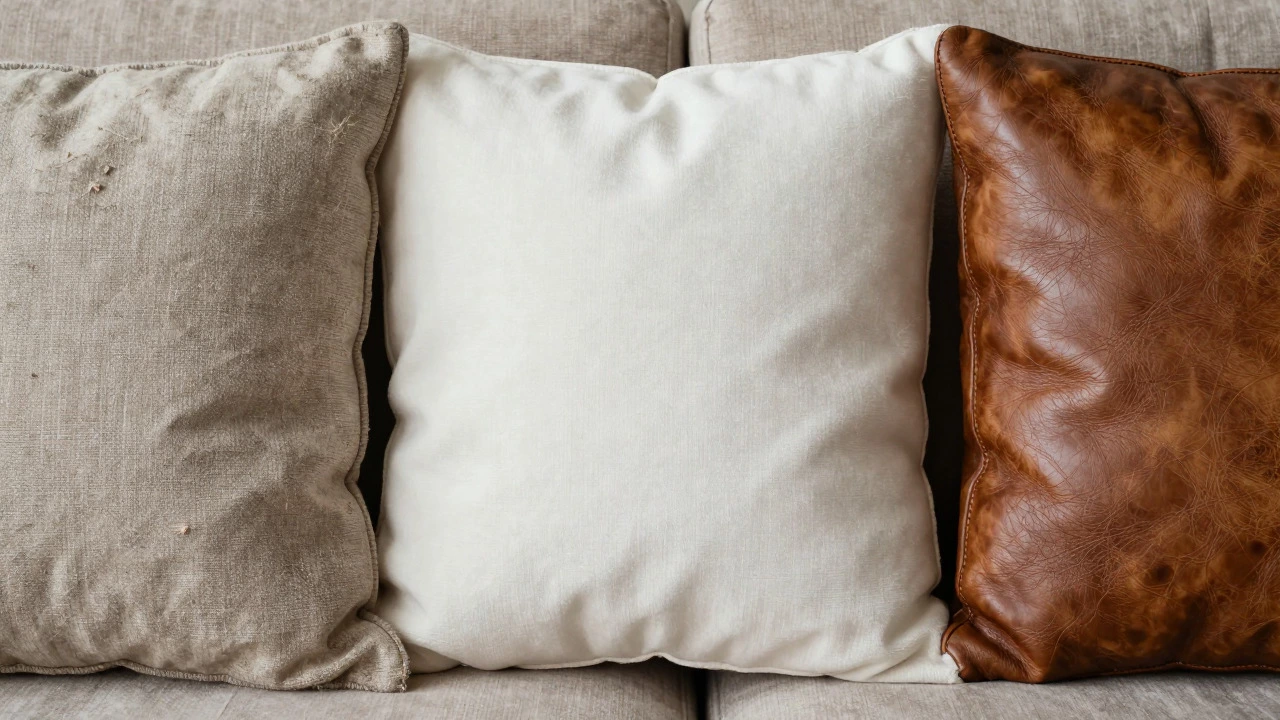
The outer layer affects how long your sofa looks good, even if the frame holds up. Different materials age differently.
Natural Fibers
Cotton and linen are breathable and natural, but they tend to wear out faster than synthetics. They are prone to pilling and fading if exposed to direct sunlight. However, they can be replaced or reupholstered relatively easily.
Synthetic Fabrics
Polyester and microfiber are the workhorses of modern furniture. Microfiber, in particular, is highly resistant to stains and abrasion. It’s a great choice for households with pets or children because it doesn’t show wear as quickly as natural fibers. Polyester blends often include performance finishes that repel liquids, extending the life of the fabric surface.
Leather
Full-grain leather is the top layer of hide that retains its natural grain and pore structure. Unlike bonded leather, which is a composite of scraps glued together, full-grain leather develops a patina over time rather than cracking. With proper conditioning, a leather sofa can last 15-20 years or more. It’s one of the most durable options available, though it requires maintenance to prevent drying out.
| Material | Average Lifespan | Maintenance Needs | Best For |
|---|---|---|---|
| Microfiber | 7-10 years | Low (vacuum regularly) | Families, pets |
| Performance Polyester | 8-12 years | Medium (spot clean) | High-traffic areas |
| Linen/Cotton | 5-7 years | High (professional cleaning) | Decorative use |
| Full-grain Leather | 15+ years | Medium (condition every 6 months) | Long-term investment |
Cushion Fillings: Comfort Meets Structure
You might think softer is better, but excessive softness leads to permanent indentation. The goal is a balance between comfort and support. The core of the cushion determines how long it maintains its shape.
- High-Density Polyurethane Foam: This is the industry standard for durability. Look for a density of at least 1.8 pounds per cubic foot (lb/ft³). Higher density means slower breakdown. Low-density foam (under 1.5 lb/ft³) will flatten within 2-3 years of daily use.
- Down Feather Blend: Often used in luxury sofas, this provides a plush feel but lacks structural support on its own. It must be wrapped around a high-density foam core. Without the core, feathers shift and clump, leading to uneven seating.
- Springs: Traditional coil springs offer excellent bounce and longevity. They distribute weight evenly and resist compression. If a sofa has springs, it’s likely built to last longer than one with only foam.
A pro tip: press firmly into the seat cushion. If you can feel the hard frame immediately, the foam is too thin or low-density. You should feel resistance before hitting the bottom.
Webbing: The Connection Point
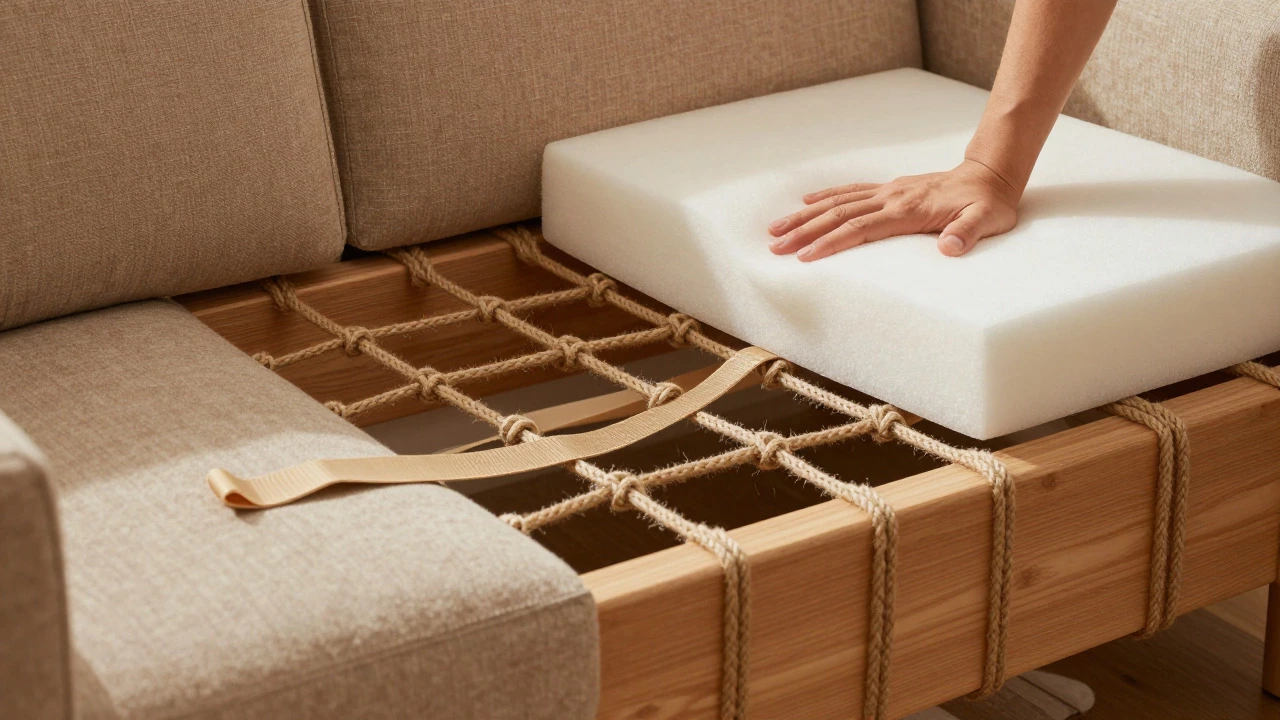
Many buyers overlook the webbing-the mesh that connects the frame to the seat base. There are two types: elastic and non-elastic (jute/hemp).
Elastic webbing stretches and can loosen over time, causing the seat to sink. Non-elastic jute or hemp webbing is much stronger and maintains tension better. If you see exposed webbing under the cushions, check its condition. Tight, intact jute webbing is a sign of a sturdy build. Sagging elastic straps are a red flag.
How to Test Sofa Durability Before Buying
Don’t rely solely on the salesperson’s description. Perform these simple checks in the showroom:
- The Wiggle Test: Grab the armrests and try to twist them. Minimal movement indicates a solid frame.
- The Lift Test: Ask a staff member to lift the back of the sofa. Listen for creaks or cracks. A silent lift is a good sign.
- The Seat Press: Sit heavily in the center. Does the cushion compress evenly? Do you hit the frame? Uneven compression suggests poor internal support.
- Check the Labels: Reputable brands often label their frames and foams. Look for "Kiln-dried hardwood" and "High-density foam."
Maintenance Tips to Extend Sofa Life
Even the best sofa won’t last forever without care. Here’s how to maximize its lifespan:
- Vacuum Weekly: Dust and dirt act like sandpaper on fabric fibers. Use an upholstery attachment to remove debris from crevices.
- Rotate Cushions: Flip and rotate seat and back cushions monthly to ensure even wear distribution.
- Protect from Sunlight: UV rays fade fabrics and dry out leather. Use curtains or move the sofa away from direct sun exposure.
- Clean Spills Immediately: Blot, don’t rub. Rubbing pushes liquid deeper into the foam and fabric.
By focusing on the frame, filling, and webbing, you can predict how long your sofa will serve you. A well-constructed piece isn’t just about aesthetics; it’s about engineering. When you invest in quality materials, you’re not just buying furniture-you’re buying peace of mind for the next decade.
What is the most durable sofa frame material?
Solid hardwood, specifically kiln-dried oak, maple, or beech, is the most durable frame material. It resists warping and supports heavy loads far better than engineered wood or particle board.
How do I know if my sofa has high-density foam?
You can check the product specifications for foam density (look for 1.8 lb/ft³ or higher). In-store, press firmly into the cushion; if you feel the frame immediately, the foam is likely low-density. High-density foam offers firm resistance before compression.
Is leather really longer-lasting than fabric?
Yes, full-grain leather typically lasts 15-20 years or more with proper care, while most high-quality fabrics last 7-12 years. Leather ages gracefully with a patina, whereas fabric tends to wear, pill, or fade.
What role does webbing play in sofa longevity?
Webbing connects the frame to the seat base. Non-elastic jute or hemp webbing is more durable than elastic webbing, which can stretch and loosen over time, causing the seat to sag. Tight, intact webbing is crucial for maintaining structural integrity.
How often should I clean my sofa to extend its life?
Vacuum your sofa weekly to remove dust and debris that can abrade fabric fibers. Rotate cushions monthly to ensure even wear. Clean spills immediately by blotting, not rubbing, to prevent staining and liquid penetration.