Bookshelf Style & Space Estimator
Enter your shelf details to calculate capacity and receive 2026 styling tips.
Optimal Book Capacity
Books recommended per full display (at 60% fill)
Material Vibe & Tips
🌿 Add Negative Space
💡 Use LED Accent Lighting
Walk into any trendy café or browse a popular home renovation show, and you’ll spot them instantly: bookshelves are everywhere. But are they actually still in style, or are we just seeing the last gasp of a bygone era? If you’re staring at your empty wall wondering if buying a new bookcase is a waste of money, you’re not alone. The short answer is yes, but the way we use them has changed dramatically.
The days of stuffing every shelf to the brim with dusty paperbacks are over. Today’s modern bookshelves are about curation, texture, and intentional gaps. They serve as architectural elements rather than just storage units. Whether you live in a compact apartment in Mississauga or a sprawling suburban home, understanding how to integrate shelving into your current décor can make or break the room’s vibe. Let’s break down what’s working in 2026 and how you can pull it off without looking like you stepped out of a 1990s catalog.
The Shift from Storage to Statement
Think back ten years ago. Bookshelves were purely functional. You had books; you needed a place for them. Now, with digital reading dominating, physical books have shifted roles. They are decorative objects first, reading material second. This change has transformed the bookcase from a utility closet substitute into a focal point of interior design.
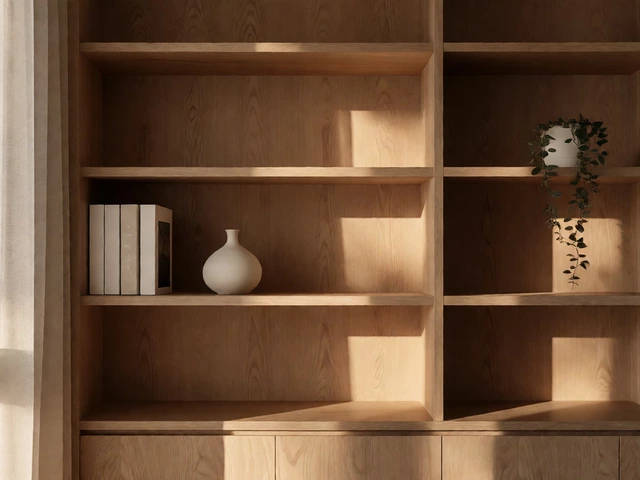
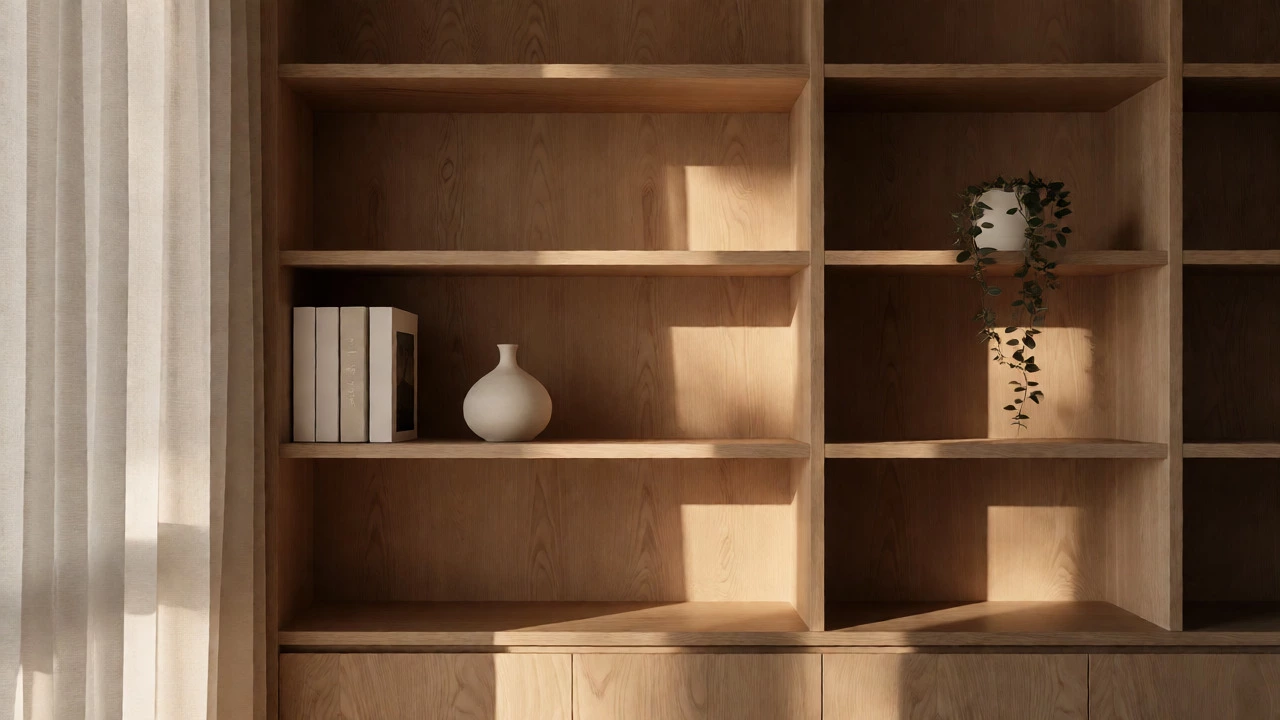
In 2026, the trend is "less is more." Overcrowded shelves look chaotic and collect dust faster than you can clean them. Instead, designers recommend leaving negative space. A well-styled shelf might hold three art books, one ceramic vase, and a small plant. The rest of the wood or metal remains visible. This approach highlights the quality of the furniture itself. If you buy a cheap particleboard unit, hiding it behind clutter makes sense. But if you invest in solid oak or steel, let the material breathe.
This shift also affects where you place these units. Floating shelves remain popular for their minimalist appeal, especially in kitchens and bathrooms. However, floor-to-ceiling built-ins are making a comeback in living rooms because they create a sense of height and grandeur. The key is integration. The best-looking bookshelves today often blend seamlessly with the wall color or feature backlighting to highlight specific zones.
Materials That Define Current Trends
Not all bookshelves are created equal, and the materials you choose signal different aesthetic intentions. In the Canadian market, sustainability and durability are top priorities. Here is what is currently trending versus what feels dated.
| Material | Aesthetic Vibe | Durability | Best For |
|---|---|---|---|
| Solid Oak | Warm, traditional, timeless | High (lasts decades) | Living rooms, studies |
| Black Steel | Industrial, sleek, modern | Very High | Lofts, offices, open-concept homes |
| Walnut | Mid-century modern, rich | High | Accent walls, bedrooms |
| Laminate/Veneer | Clean, uniform, budget-friendly | Moderate (prone to chipping) | Rentals, kids' rooms |
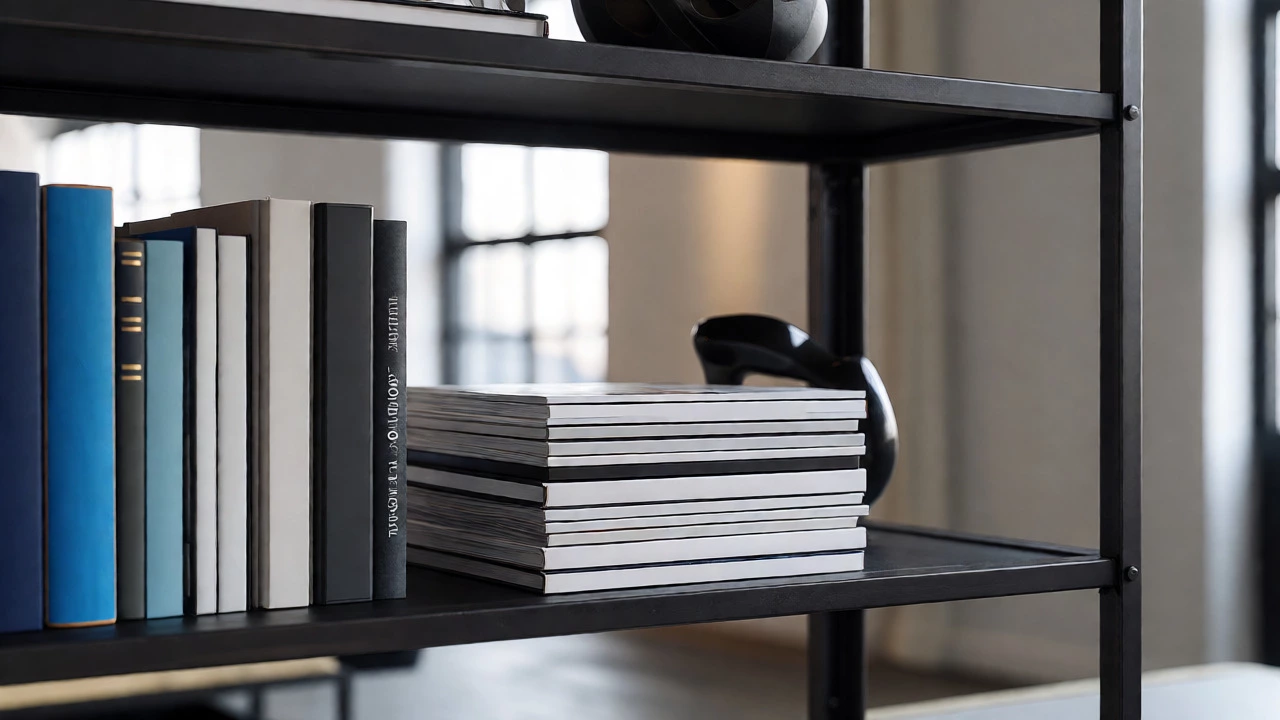
Solid wood, particularly Oak and Walnut, dominates high-end interiors. These woods age gracefully, developing a patina that adds character. On the other hand, industrial styles favor black powder-coated steel frames paired with wood shelves. This combination works exceptionally well in urban apartments where maximizing light is crucial. The thin profile of steel allows light to pass through, preventing the room from feeling cramped.
What’s falling out of favor? Heavy, dark cherry wood with ornate carvings. It tends to darken a room and clashes with the lighter, airier palettes popular now. Also, avoid glossy white finishes on large units. They reflect too much light and can feel sterile. Matte whites or soft creams are much easier on the eyes and blend better with contemporary textiles.
Styling Secrets: How to Avoid the Cluttered Look
You’ve bought the right piece. Now comes the hard part: filling it. Most people fail here because they treat shelves like boxes to be packed. Instead, think of each shelf as a small stage. You need balance, height variation, and depth.
Start with the vertical rule. Never stack everything horizontally. Mix upright books with stacked piles. Upright books save space and allow spines to act as color blocks. Stacked books create horizontal lines that anchor the eye. Aim for a ratio of roughly 70% vertical to 30% horizontal arrangement. This creates visual rhythm.
Next, consider depth. Push larger items toward the back and smaller accessories forward. If you place a tall vase in front of a short stack of books, you hide the books entirely. Layering matters. Place a framed photo slightly behind a small sculpture. This creates shadows and dimension, making the display look curated rather than accidental.
Color coordination is another powerful tool. You don’t need to sort every book by rainbow order-that looks artificial. Instead, group similar colors together. A cluster of blue-spined books next to a blue ceramic pot ties the section together. Use neutral books (white, grey, beige) as buffers between colorful sections. This prevents the display from becoming overwhelming.
Alternatives to Traditional Bookshelves
If a standard rectangular bookcase doesn’t fit your space, consider these alternatives that are gaining traction in 2026:
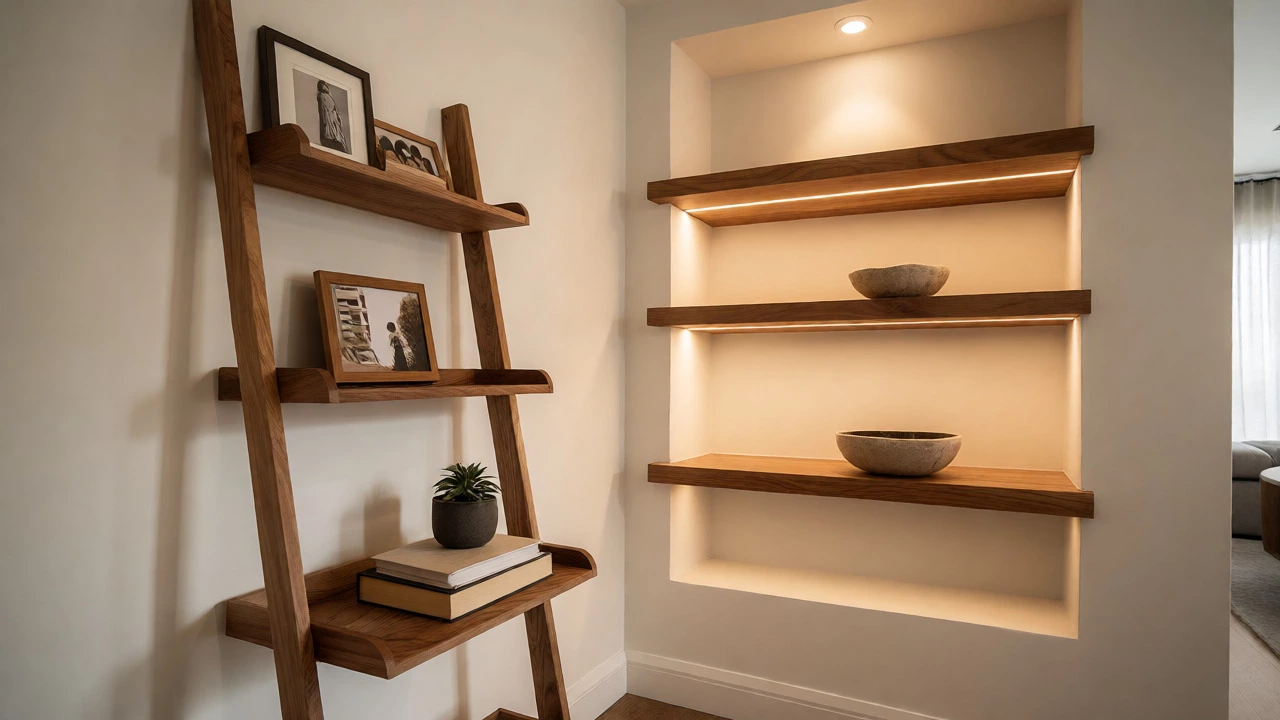
- Ladder Shelves: Leaning against the wall, these offer a casual, relaxed vibe. They are perfect for renters who cannot drill holes or for adding height to a corner without blocking sightlines.
- Cube Organizers: Modular and flexible, these allow you to mix open storage with closed cabinets. They work great in children’s rooms or home offices where you need to hide clutter quickly.
- Floating Niche Shelving: Built directly into the drywall, these create seamless, minimalist displays. They require professional installation but offer the cleanest look possible.
- Room Divider Shelves: Open-back bookcases that separate spaces in open-concept homes. They define areas without closing them off, allowing light to flow through both sides.
Each option serves a different function. Ladder shelves are decorative; cube organizers are practical; niche shelving is architectural. Choose based on whether you prioritize aesthetics or accessibility.
Common Mistakes to Avoid
Even with good intentions, it’s easy to mess up. The biggest error is ignoring scale. A massive bookcase in a tiny bedroom will swallow the room. Measure twice. Leave at least six inches of clearance around the unit so it doesn’t feel boxed in.
Another mistake is lighting neglect. Dark corners make even the best collection look dull. Install LED strip lights under each shelf or use picture lights above the unit. Proper illumination turns your books and objects into a gallery exhibit. It’s a small investment with a huge impact.
Finally, don’t forget maintenance. Dust accumulates fast. If you hate cleaning, opt for glass-front cabinets. They protect contents while keeping the visual interest of an open shelf. Just ensure the glass is low-reflective to avoid glare.
Final Verdict: Are They Worth It?
Yes, bookshelves are absolutely still in style. But the definition of "style" has evolved. We are moving away from pure functionality toward expressive design. Your bookshelf tells guests about your interests, your taste, and your personality. It’s no longer just a place to dump old magazines.
If you’re ready to update your space, start small. Edit your current collection. Remove duplicates and damaged copies. Then, focus on arranging what remains with intention. Remember, the goal isn’t to fill every inch. It’s to create a composition that brings you joy every time you glance at it. In 2026, a well-curated half-empty shelf beats a full messy one every single time.
How many books should I put on a shelf?
There is no strict number, but aim for 50-60% capacity. Leaving empty space allows the eye to rest and highlights individual items. If you have too many books, rotate them seasonally rather than displaying them all at once.
Should I arrange books by color or size?
Both work, but mixing methods looks more natural. Group by color for a bold, graphic look, or by size for a structured, library feel. Avoid sorting strictly alphabetically unless you have a very large, uniform collection, as it can look monotonous.
What is the best height for floating shelves?
For living rooms, install shelves at eye level, typically 57-60 inches from the floor to the center of the shelf. In kitchens, go higher to keep cooking surfaces clear. Always measure from existing furniture to ensure proper alignment.
Can I use bookshelves in small apartments?
Absolutely. Choose slim-profile units or ladder shelves that lean against the wall. Light-colored woods or mirrored backs can help reflect light and make the space feel larger. Vertical storage maximizes floor area in tight quarters.
Do I need to back my bookshelf?
If the bookshelf stands against a finished wall, you don't need a backing. However, if it acts as a room divider, add a backing panel for stability and privacy. Wallpaper or paint on the back wall can also serve as a stylish backdrop without adding bulk.