Small Space Sofa Fit Checker
Enter your room dimensions and desired sofa size to see if it fits comfortably according to the "18-Inch Rule" and best practices for small spaces.
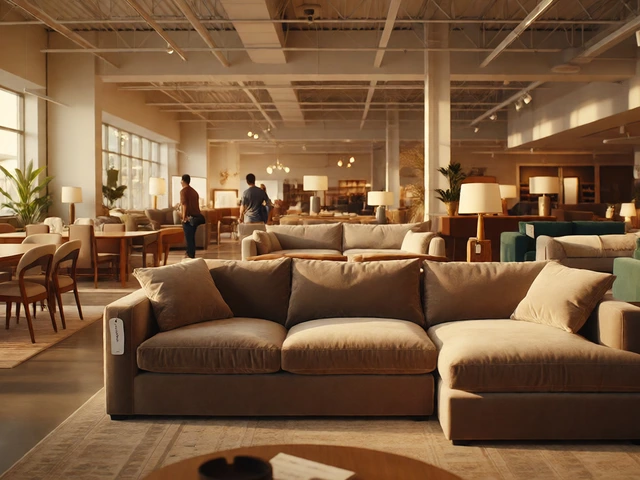
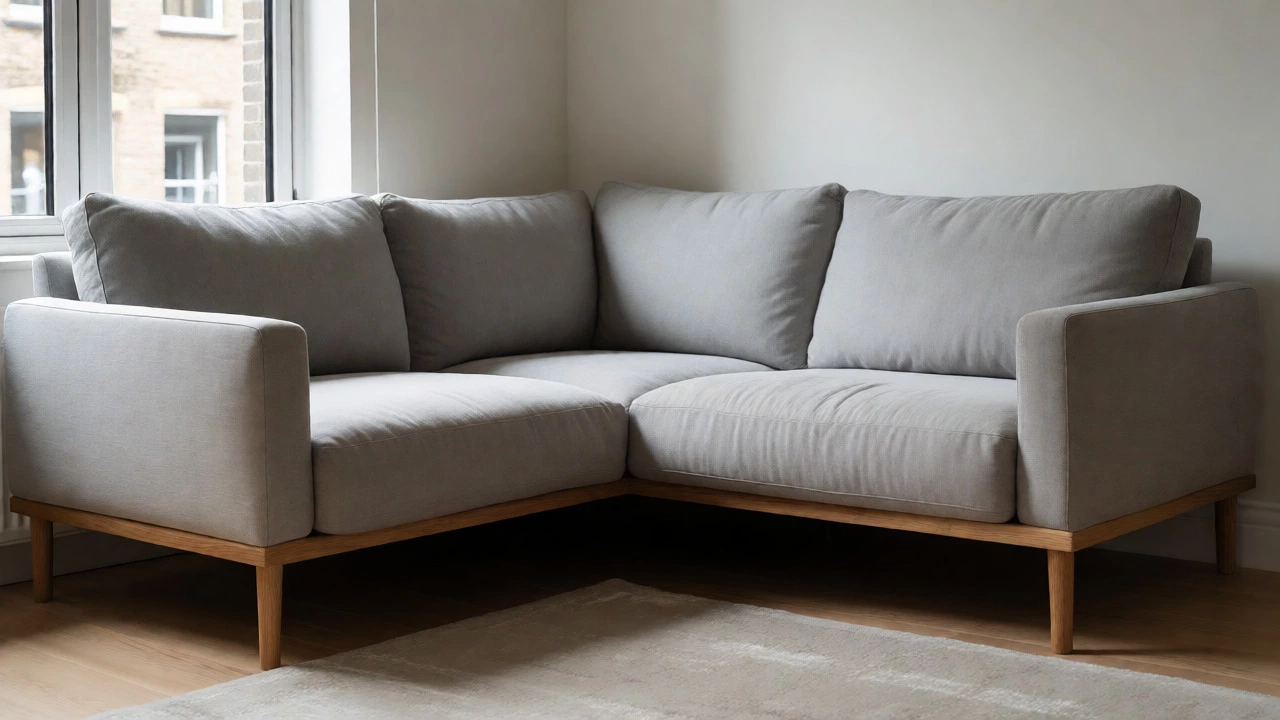
You walk into your living room, eyeing that massive L-shaped beast in the showroom, and panic sets in. "Will this giant block of fabric swallow my entire floor plan?" It’s the number one fear for anyone with a compact apartment or a cozy suburban den. The short answer is no-corner sofas do not inherently make a room look smaller. In fact, when placed correctly, they often make spaces feel larger and more defined than traditional arrangements. But there is a catch. A poorly chosen corner sofa can absolutely crush a room's vibe, turning an open area into a cramped maze. It all comes down to geometry, scale, and how you handle the visual weight of the piece.
The Geometry of Space: Why Corners Are Your Friend
Think about how you currently arrange your seating. Most people default to pushing two separate sofas against opposite walls or creating a floating conversation pit in the center. This approach wastes prime real estate. By definition, a corner sofa is a modular seating unit designed to occupy two adjacent walls, utilizing dead space that would otherwise remain empty. When you place a standard three-seater against a wall, you leave the corner behind it as a dark, unused void. A corner sofa fills that void, turning negative space into positive utility.
This utilization changes how your brain perceives the room. Instead of seeing fragmented furniture pieces scattered around, you see one cohesive zone. Psychologically, unified zones read as "larger" because there are fewer visual interruptions. If you have a rectangular room, a corner sofa anchors the layout, clearly defining where the "living" area ends and the rest of the home begins. It stops the room from feeling like a hallway that happens to have chairs in it.
Scale and Proportion: The Golden Rules
Here is where most people mess up. They buy a corner sofa meant for a spacious loft and shove it into a 12x12-foot square. The result? You can barely walk past the coffee table without brushing your shin against the upholstery. To avoid this, you need to respect the proportions of your space.
- The 18-Inch Rule: Always leave at least 18 inches (about 45 cm) of clearance between the edge of the sofa and any other furniture or wall traffic path. If you can't maintain this gap, the sofa is too big.
- Measure the Return: The "return" is the shorter leg of the L-shape. In small rooms, opt for a return length of under 60 inches (152 cm). Longer returns dominate the floor plan and block sightlines.
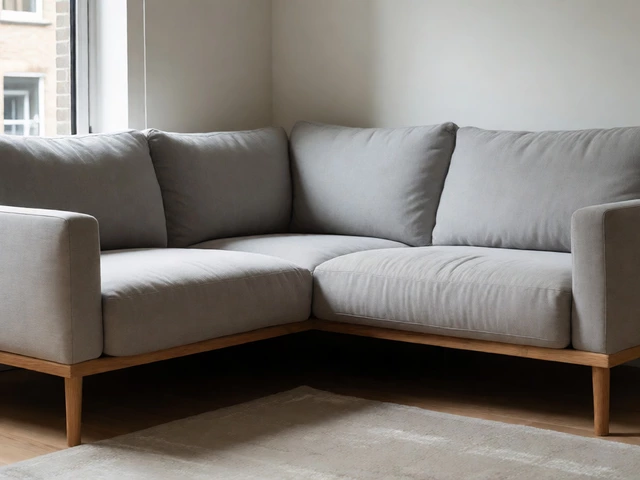
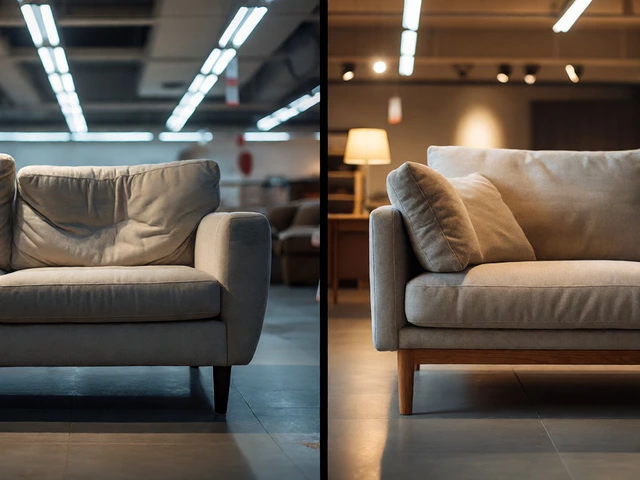
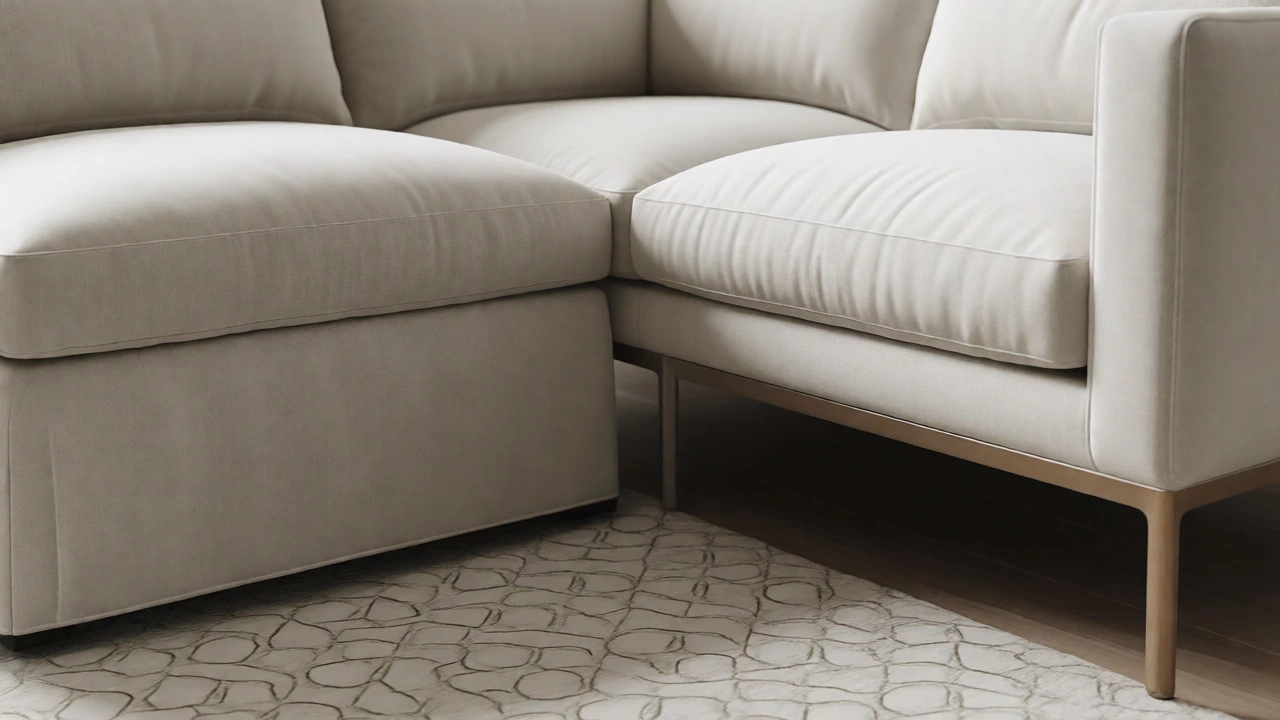
- Legs Matter: Choose a model with exposed legs rather than a skirted base. Seeing the floor continue underneath the sofa creates an illusion of airiness. A solid base blocks the view of the floor, making the piece look heavier and bulkier.
If your room is truly tiny, consider a chaise lounge instead of a full sectional. A chaise provides the lounging benefit without occupying the second wall entirely, leaving that corner free for a plant or a slim side table.
Visual Weight and Color Strategy
Size isn't just about dimensions; it's about color and texture. A dark, heavy velvet corner sofa in a small, dimly lit room will absorb light and visually shrink the walls. Conversely, a light-colored linen or cotton blend reflects ambient light, helping the boundaries of the room recede.
| Attribute | Effect on Small Rooms | Recommendation |
|---|---|---|
| Color | Dark colors advance; light colors recede. | Choose neutrals, pastels, or soft greys. |
| Fabric Texture | Bulky textures add visual noise. | Opt for smooth weaves or low-pile fabrics. |
| Armrest Style | Roll arms take up horizontal width. | Select track arms or armless designs to maximize seat depth. |
| Back Height | Tall backs block sightlines across the room. | Choose low-profile backs to maintain openness. |
Notice the emphasis on armrests. Traditional rolled arms eat up nearly 10-12 inches of width per side. In a narrow room, switching to track arms allows you to fit a wider sofa into the same footprint, giving you more actual sitting space without encroaching on the walking area.
Placement Tactics for Maximum Flow
Where you put the sofa matters as much as which sofa you pick. The biggest mistake is blocking natural light sources. If your window is on the left wall, don't let the back of the sofa cast a shadow over the entire room. Orient the long section of the corner sofa along the longest wall. This stretches the eye horizontally, emphasizing the room's width.
Another trick is to float the sofa slightly off the wall if the room allows. Pulling it forward by just six inches creates a sense of breathing room and prevents the piece from looking glued to the architecture. However, in very tight quarters, hugging the wall is necessary. In these cases, ensure the corner itself doesn't trap dust or create a dark crevice. Use a tall, slender floor lamp in the corner behind the sofa to draw the eye upward, counteracting the horizontal bulk of the furniture.
Alternatives to the Full Sectional
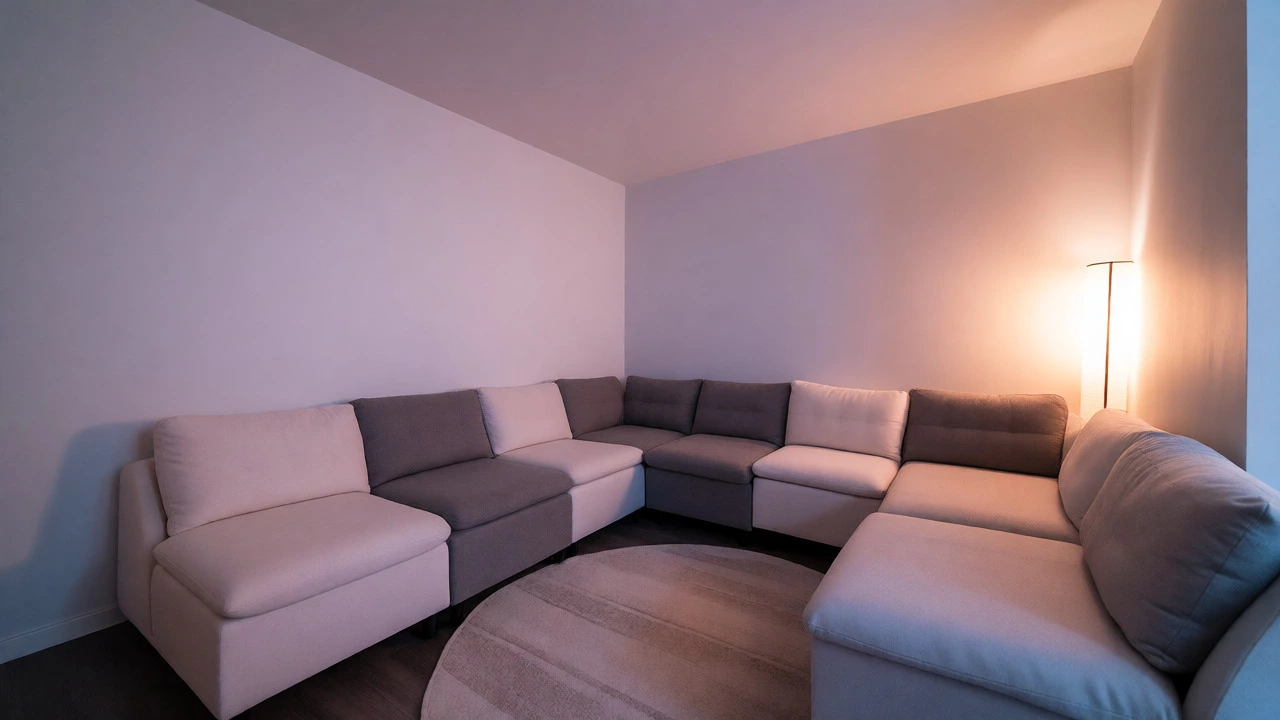
Not every small room needs a corner sofa. Sometimes, the best solution is breaking the monolith apart. Modular sofas allow you to configure the shape based on daily needs. You can keep it as an L-shape for movie nights and split it into two separate loveseats for dinner parties. This flexibility is crucial for multi-use spaces, like studio apartments or combined living-dining areas.
Consider these alternatives if a corner sofa feels too imposing:
- Two Loveseats: Place them facing each other or perpendicular. This creates intimacy without the bulk of a third section.
- Sofa + Armchair Combo: A standard sofa paired with a lightweight accent chair offers similar seating capacity but leaves the corner open for movement.
- Ottoman Extension: Use a regular sofa and add a large ottoman in front. It serves as a footrest, extra seat, or coffee table substitute, and can be moved out of the way instantly.
Making the Most of Your Investment
A corner sofa is a commitment. Once it's in place, rearranging the room becomes difficult. That's why precise measurement is non-negotiable. Before you click "buy," tape out the dimensions of the sofa on your floor using masking tape. Walk around it. Sit in the imaginary spot. Does it feel crowded? Can you still open windows or doors easily?
Remember, the goal isn't just to fit furniture; it's to create a functional, inviting environment. A well-chosen corner sofa acts as the anchor of your social life, encouraging longer conversations and deeper relaxation. Don't let fear of size dictate your choice. Let logic and measurements guide you. If you respect the scale and choose lighter visuals, your corner sofa won't shrink your room-it will expand its potential.
Does a corner sofa work in a square room?
Yes, but you must be careful with proportions. In a square room, a corner sofa can make the space feel boxy if it fills both walls completely. Opt for a smaller sectional or use only one leg of the corner, leaving the other side open for a rug or console table to break up the symmetry.
Should I push a corner sofa against the wall?
In small rooms, yes, pushing it against the wall maximizes floor space. However, if you have a larger room, pulling it away from the wall creates a cozy, enclosed seating area and improves traffic flow behind the sofa. For small spaces, ensure the back is clean-finished so it looks good even if viewed from behind.
What color makes a small room look bigger with a sectional?
Light, neutral colors such as white, cream, beige, or light gray reflect light and help the furniture blend into the background, making the room feel airier. Dark colors tend to recede but can also make a small room feel cave-like if there isn't enough natural light. Matching the sofa color to your wall color is a pro tip for seamless blending.
Can I use a corner sofa in a rental property?
Absolutely. Many modern corner sofas are modular, meaning they come in boxes and assemble on-site. This makes them easier to move through narrow stairwells or elevators compared to traditional bulky sectionals. Just check the delivery guidelines and ensure the components fit through your doorways before purchasing.
How do I style the area around a corner sofa?
Use a round rug to soften the sharp angles of the L-shape. Place a tall plant or a slim floor lamp in the outer corner to draw the eye vertically. Avoid cluttering the inner corner with heavy side tables; a simple tray or a stack of books works better to keep the area accessible and uncluttered.