Sofa Color & Fabric Selector
Not sure which sofa color fits your life? Answer three quick questions to find your ideal match based on 2026 trends.
Recommendation
TrendingRecommended Shade Preview
Color Name
Reasoning goes here...
Maintenance Level: Level
You are standing in the showroom, surrounded by hundreds of fabric swatches. The salesperson asks what you want, and your mind goes blank. Is gray still cool? Did beige make a comeback? Should you risk a bold emerald green or stick to safe navy blue? Choosing the most popular color for a sofa isn't just about following trends; it's about protecting your investment and ensuring your living room doesn't look dated in three years.
Here is the truth: there is no single "correct" color that works for every home. However, data from major furniture retailers and interior design platforms like Houzz and Pinterest reveal clear patterns. Neutral tones dominate sales because they offer flexibility, but specific shades within those neutrals shift year by year. As we move through 2026, the market has settled into a preference for warm, grounded earth tones over the cold grays of the early 2010s. Let’s break down exactly what is selling, why it sells, and how you can pick the right one for your space without regretting it later.
The Dominance of Warm Neutrals
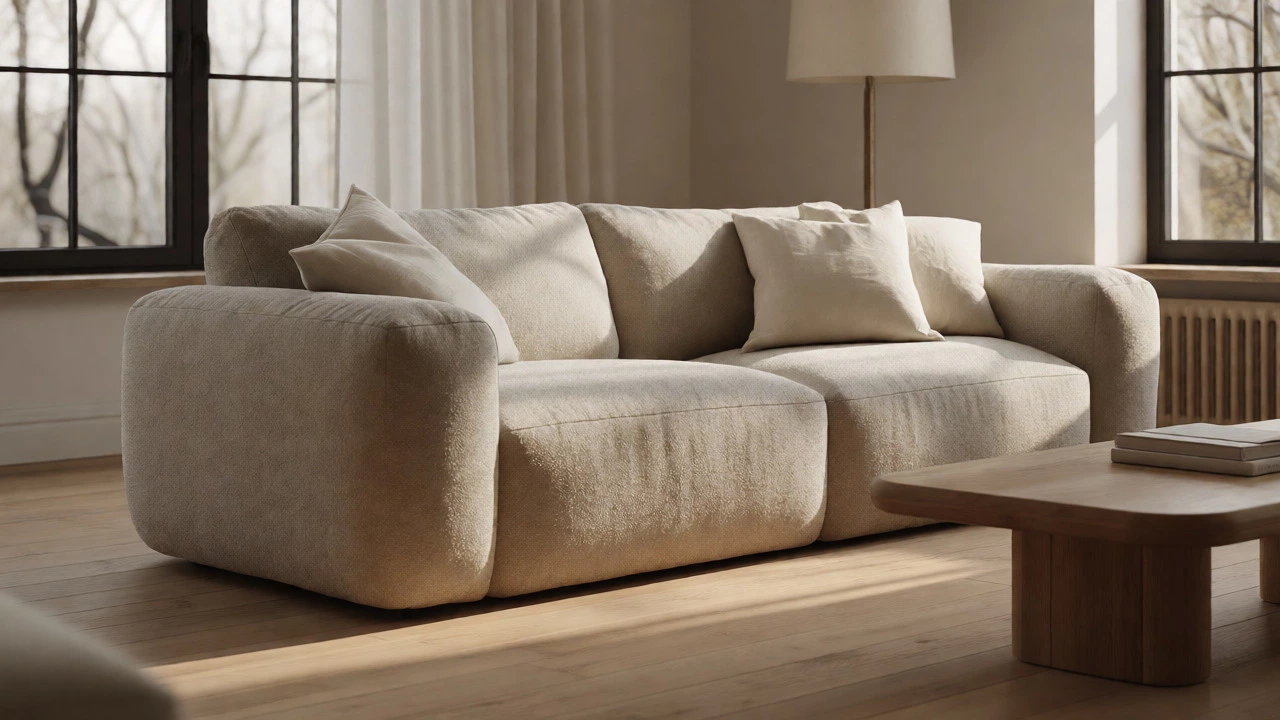
If you walk into any high-end furniture store today, you will notice a distinct absence of stark white or icy gray sofas. They haven’t disappeared, but they have been pushed aside by warmer alternatives. Why? Because modern interiors are moving away from the sterile "minimalist" look toward spaces that feel cozy and lived-in. This shift has propelled Greige and warm beiges to the top of the popularity charts.
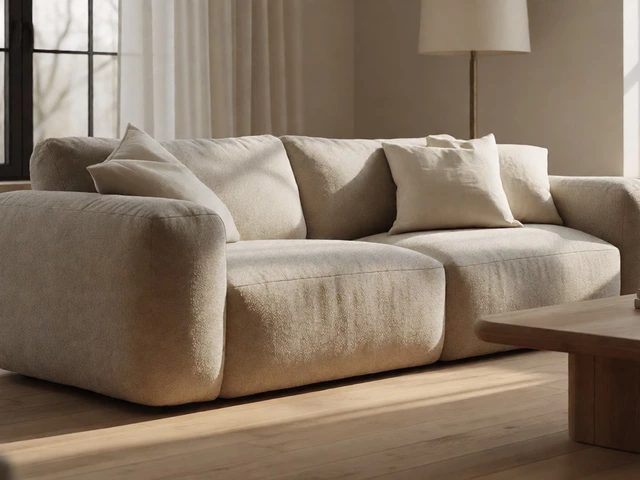
Greige-a blend of gray and beige-offers the best of both worlds. It provides the modern edge of gray while retaining the warmth of brown. According to recent sales data from North American furniture chains, greige and oatmeal-colored upholstery account for nearly 40% of all sofa purchases. These colors work because they act as a chameleon. They reflect light softly, making small rooms appear larger, and they pair effortlessly with almost any accent color.
Beige itself has also undergone a rebranding. It is no longer seen as "boring." Instead, designers now favor creamy, off-white tones that mimic natural materials like linen or unbleached cotton. These fabrics add texture and depth, preventing the sofa from looking flat. If you are worried about stains, don’t be. Modern performance fabrics, such as Crypton or Sunbrella, have made light-colored sofas surprisingly durable and easy to clean.
Why Gray Still Holds Its Ground
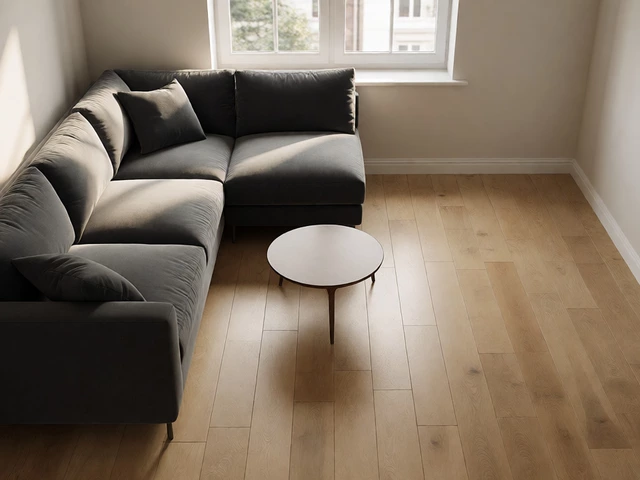
While warm tones are rising, gray remains a powerhouse. Specifically, medium-to-dark charcoal and slate gray continue to be top sellers, particularly in urban apartments and industrial-style lofts. Gray is the ultimate backdrop. It hides dust, pet hair, and minor spills better than lighter neutrals, which makes it a practical choice for households with children or pets.
However, the type of gray matters. Cool, blue-toned grays can sometimes clash with warm wood floors or yellow-toned lighting, creating a disjointed look. Experts recommend choosing grays with undertones of brown or green if your home features traditional elements. In Mississauga, where many homes feature oak flooring, a warm gray often looks more cohesive than a steel gray. If you love the sleekness of gray but worry about it feeling cold, mix it with textured throws in cream or rust to soften the visual impact.
The Rise of Earth Tones and Greens
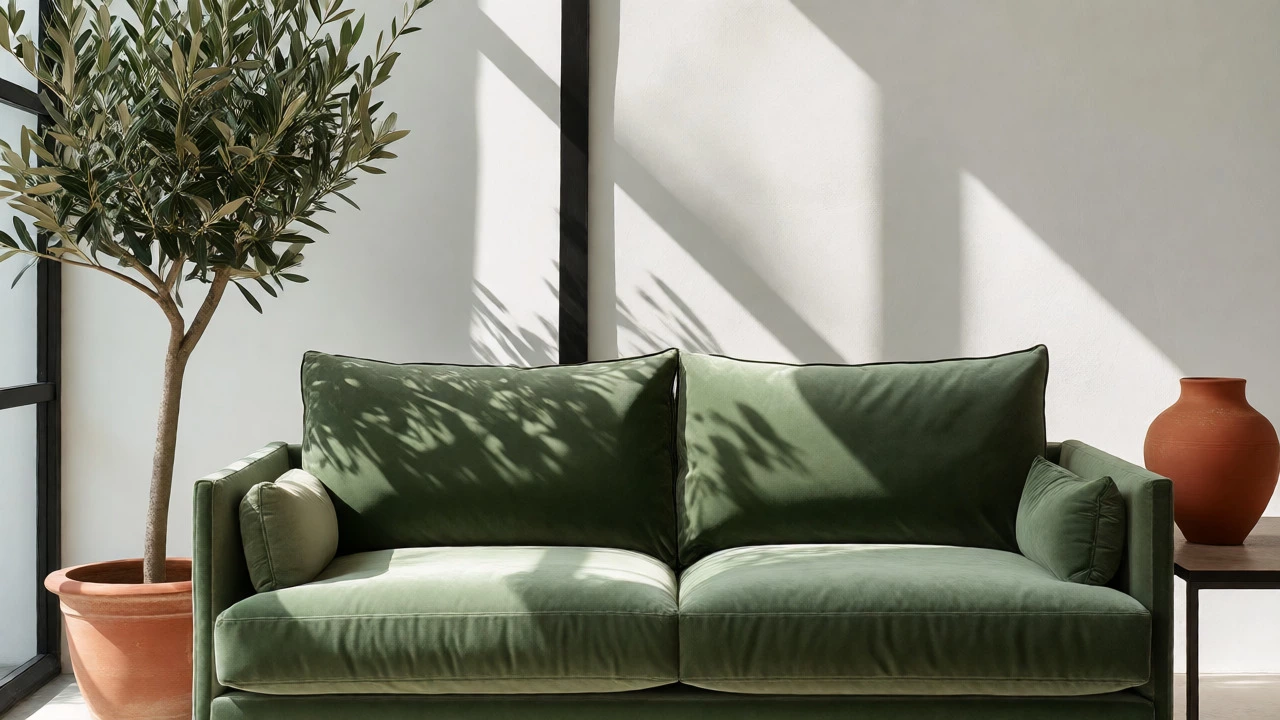
For those who want color without shouting, earth tones are the current favorite. Sage Green and Olive Green have surged in popularity over the last two years. These colors bring a sense of calm and connection to nature indoors, aligning with the biophilic design trend that emphasizes bringing outdoor elements inside.
Unlike bright greens, sage and olive are muted enough to function as neutrals. You can pair a sage green sofa with white walls, wooden coffee tables, and black metal accents, and it will look intentional rather than chaotic. Another rising star is terracotta or burnt orange. These warm, spicy hues add energy to a room without overwhelming it. They work exceptionally well in sunrooms or spaces with plenty of natural light, where their vibrancy can shine without becoming garish.
Navy blue deserves a mention here too. While not an earth tone, deep blue has remained a consistent best-seller for decades. It offers a sophisticated alternative to black, providing contrast without the harshness. Navy pairs beautifully with gold hardware and light woods, making it a staple in coastal and transitional style homes.
How Lighting Changes Everything
A common mistake buyers make is judging sofa color under showroom lighting. Furniture stores use bright, cool-toned LEDs that flatter most fabrics. Your living room likely uses warmer bulbs (2700K-3000K), which can turn a crisp white sofa yellowish or a vibrant teal muddy. Always request a large fabric sample to take home. Place it on your floor near the sofa’s intended spot. Check it at different times of day-morning light, afternoon sun, and evening lamp light.
North-facing windows cast a cooler, bluer light, which can make warm colors look dull. In these rooms, opt for brighter neutrals or cool blues to balance the temperature. South-facing rooms get intense, warm sunlight throughout the day. Here, darker colors or rich earth tones prevent the room from feeling overheated. Understanding how light interacts with pigment is crucial. A color that looks perfect in the store might look completely different in your actual space.
Fabric Texture vs. Color: What Matters More?
Color gets all the attention, but texture determines how luxurious a sofa feels. Two sofas in the same shade of gray can look vastly different depending on the weave. Velvet reflects light, making dark colors appear deeper and richer. Linen absorbs light, giving lighter colors a soft, matte finish that feels casual and relaxed. Leather adds sheen and highlights the contours of the sofa’s shape.
If you choose a bold color like emerald green or mustard yellow, consider a simpler texture like plain cotton or leather to avoid visual clutter. Conversely, if you stick with a neutral like beige or gray, you can afford a more complex texture like boucle or tweed. Boucle, in particular, has become incredibly trendy. Its nubby, looped surface adds dimension to simple shapes, making even a basic beige sofa look designer-worthy.
Practical Considerations for Families and Pets
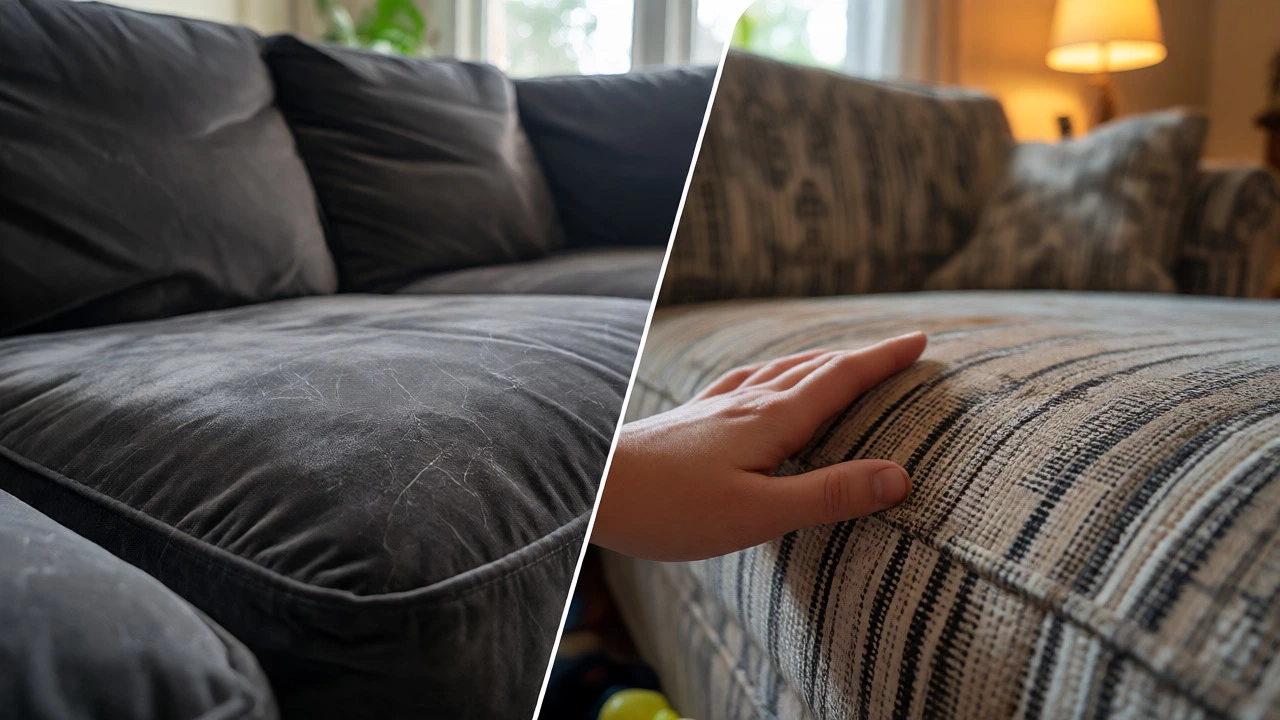
Let’s face reality: life happens. Kids drop juice boxes, dogs shed, and cats scratch. If you have a high-traffic household, color choice impacts maintenance significantly. Dark colors hide dirt but show lint and pet hair clearly. Light colors show stains but hide dust and fur. Medium tones are the compromise zone.
Patterned fabrics are another smart hack. A subtle geometric print or a multi-tonal weave can disguise spills and wear far better than solid colors. If you have young children, consider a patterned sofa in neutral base colors. It gives you the aesthetic of a neutral piece with the forgiveness of a busy print. For pet owners, microfiber or tightly woven synthetic blends are easier to clean than loose-weave linens. Avoid silk or velvet if you have claws roaming free, as snagging is inevitable.
Comparison of Popular Sofa Colors
| Color Category | Best For | Maintenance Level | Trend Status (2026) |
|---|---|---|---|
| Warm Beige/Oatmeal | Cozy, minimalist, Scandinavian styles | Medium (requires regular vacuuming) | Rising / Peak Popularity |
| Charcoal/Slate Gray | Modern, industrial, urban apartments | Low (hides stains well) | Stable / Classic |
| Sage/Olive Green | Biophilic, bohemian, traditional mixes | Medium | High Growth |
| Navy Blue | Coastal, transitional, formal living rooms | Low | Timeless |
| Terracotta/Rust | Sunrooms, eclectic, mid-century modern | Medium | Emerging Trend |
Resale Value and Long-Term Appeal
Do you plan to sell your house in five years? Or maybe you just hate changing furniture often. Neutral sofas generally hold their appeal better during home sales. Buyers prefer blank canvases they can decorate around. A bright red sofa might limit your buyer pool, whereas a beige or gray sofa appeals to everyone. Even if you love color, consider using accessories-pillows, rugs, art-to introduce personality. That way, when you tire of the color, you swap the pillows, not the $2,000 sofa.
Investment-grade pieces in classic colors tend to retain value better. If you buy a vintage-inspired Chesterfield in tan leather, it will likely look good forever. If you buy a neon pink modular sectional, you might find yourself replacing it sooner than expected simply because it feels out of place. Think long-term comfort, not just immediate excitement.
Final Verdict: What Should You Buy?
So, what is the most popular color for a sofa right now? Statistically, it is a warm neutral like greige or oatmeal. But popularity doesn’t equal personal fit. If you crave coziness, go beige. If you need durability and a modern look, choose charcoal. If you want to embrace nature-inspired design, try sage green. The key is to match the color to your lifestyle, lighting, and existing decor-not just the latest Instagram post.
Before you swipe your credit card, sit on the sofa. Look at the fabric up close. Imagine it stained with wine. Imagine it covered in dog hair. Does it still look inviting? If yes, you’ve found the right one.
Is white a bad choice for a sofa?
White is not inherently bad, but it requires high maintenance. It shows every stain, shadow, and piece of lint. It works best in low-traffic areas or homes without children/pets. If you want the airy feel of white, consider an off-white or cream instead, which is slightly more forgiving.
Which sofa color is easiest to keep clean?
Mid-tone colors like taupe, medium gray, and patterned fabrics are the easiest to maintain. They hide dust, crumbs, and minor spills better than very light or very dark solids. Performance fabrics with stain-resistant coatings further enhance this advantage.
Will my sofa color look different online than in person?
Yes, screen calibration varies wildly. Monitor brightness and color settings can distort hues. Never buy a sofa solely based on photos. Always order a physical fabric swatch before committing to a large purchase.
Are leather sofas still popular?
Leather remains highly popular, especially in cognac, tan, and black. It ages well, developing a patina over time. However, it can be expensive and may crack in dry climates if not conditioned regularly. It is a great option for durability and ease of cleaning.
How do I match my sofa color to my rug?
You don’t need them to match exactly. Aim for contrast or harmony. If your sofa is neutral, a colorful rug adds interest. If your sofa is bold, keep the rug neutral. Ensure the front legs of the sofa sit on the rug to anchor the seating area visually.