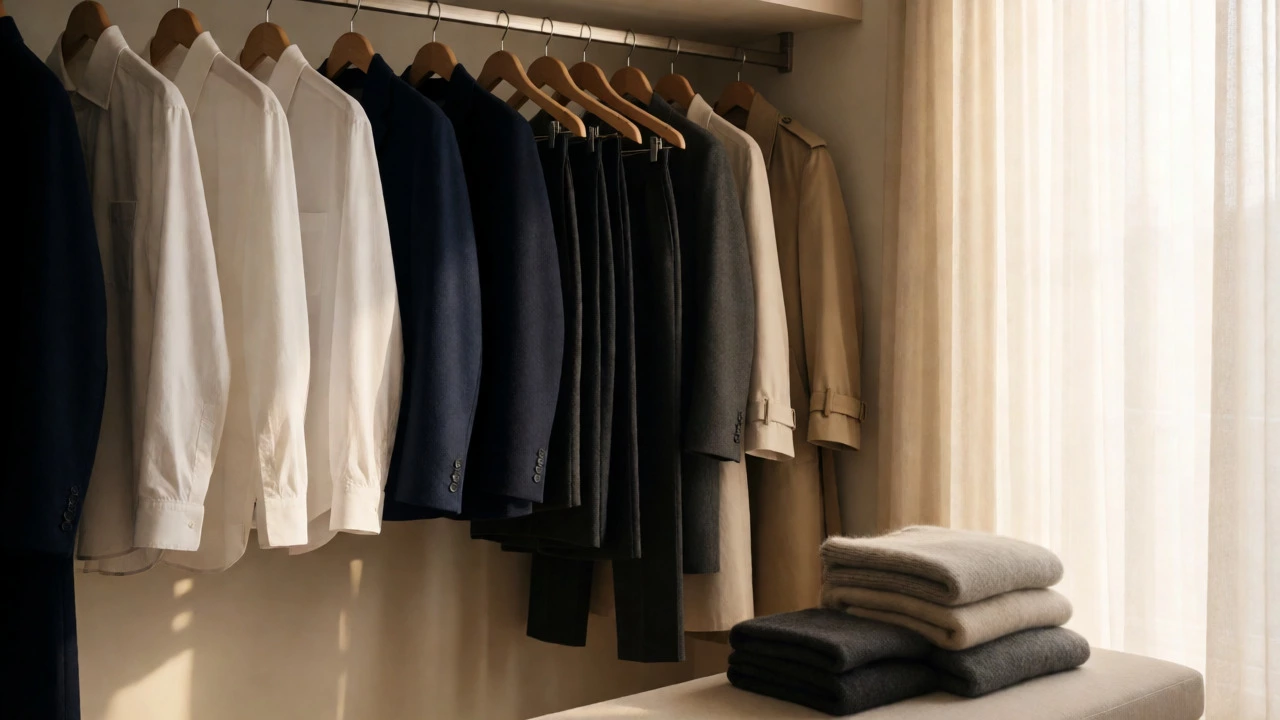
Classy Wardrobe Audit Tool
Answer these questions honestly to see how close your closet is to the ideal "classy" standard. This tool helps you identify quick wins for improving your personal style.
Your Score
You walk into a room, and someone catches your eye. It’s not because they’re wearing the loudest print or the most expensive logo. It’s because their clothes fit perfectly, the colors work together, and everything looks intentional. That feeling you get? That’s what people mean when they talk about a classy wardrobe. But here’s the thing: being classy isn’t about having a huge bank account. It’s about making smart choices with what you already own.
A lot of us think "classy" means boring beige blazers and stiff collars. We picture old-money aesthetics that feel out of reach. In reality, a classy wardrobe is simply one that prioritizes longevity over trends. It’s a collection of pieces that make you feel confident without screaming for attention. If you’ve ever stared at a full closet thinking you have nothing to wear, you don’t need more clothes. You need better ones. Let’s break down exactly how to build a closet that works as hard as you do.
The Core Definition of a Classy Wardrobe
At its heart, a classy wardrobe is defined by restraint and quality rather than quantity. Think of it as editing your life through your clothes. It removes the noise. When you open your closet, you shouldn’t see five shirts that are almost the same but slightly off in color or fit. You should see three that are perfect.
This concept overlaps heavily with the idea of a capsule wardrobe, which is a curated selection of interchangeable clothing pieces. However, while a capsule wardrobe focuses on utility, a classy wardrobe adds an aesthetic layer of sophistication. It’s the difference between just having pants and having pants that drape correctly, hold their shape after washing, and match literally anything else you own.
Why does this matter? Because decision fatigue is real. When every item in your closet fits well and coordinates with others, getting dressed takes two minutes instead of twenty. You stop worrying about whether your outfit is "too much" or "not enough." You just know it works. That confidence is the ultimate sign of class.
Fabric Matters More Than Brand Names
If you take only one rule from this article, let it be this: check the label. Not the brand name, but the fabric content. Cheap synthetic materials like polyester often look shiny under harsh lighting and lose their shape quickly. They trap heat and smell bad faster than natural fibers. A classy wardrobe relies on natural fabrics such as cotton, wool, linen, silk, and cashmere.
Here’s why fabric choice changes everything:
- Drape: Natural fibers hang beautifully on the body. Synthetic blends tend to stick out or cling awkwardly.
- Breathability: Wool and cotton regulate temperature. You won’t sweat through your shirt during a summer meeting.
- Longevity: A good wool sweater can last ten years if cared for. A cheap acrylic one pills after three washes.
You don’t need to buy pure silk for every top. Blends are fine-just avoid high percentages of polyester in base layers. For example, a dress shirt made of 100% cotton or a blend with less than 5% elastane will always look sharper than a 65% polyester mix. The texture feels different against your skin, too. Once you experience the softness of high-quality cotton, going back to scratchy synthetics feels impossible.
Fit Is Non-Negotiable
You can buy a $500 suit, but if it doesn’t fit right, it looks cheap. Conversely, a $50 pair of jeans tailored to your exact measurements can look like designer denim. Fit is the single biggest factor in perceived elegance. Clothes that are too baggy make you look sloppy; clothes that are too tight look uncomfortable and desperate.
Most people wear clothes that are one size too big. This is usually because we buy based on comfort rather than silhouette. Try this test: stand in front of a mirror in profile. Does the jacket bunch up at the shoulders? Are there diagonal pull lines across the chest? Do the pants pool around your ankles? If yes, the fit is wrong.
Tailoring is the secret weapon of the classy wardrobe. You don’t need to tailor everything. Just focus on these three areas:
- Sleeve Length: Jacket sleeves should show about half an inch of your shirt cuff. Shirt sleeves should end at the wrist bone, not cover your hand.
- Pant Hem: Pants should either touch the top of your shoe (no break) or create a slight fold (single break). No stacking fabric at the ankle.
- Waist Adjustment: If a pair of trousers fits your hips but gaps at the waist, fix it. A gap creates visual chaos.
Find a local tailor. Yes, it costs money upfront-maybe $15 to hem pants-but it extends the life of the garment and makes it look custom-made. That effort shows. People notice when clothes fit properly. They might not know why you look put-together, but they will notice.

The Power of Neutral Colors
Classy wardrobes lean heavily on neutrals. Why? Because neutrals coordinate effortlessly. Black, white, navy, gray, beige, and olive green are the backbone of sophisticated dressing. These colors don’t clash. They don’t go out of style. They allow accessories or a statement piece to shine without competing for attention.
This doesn’t mean you have to wear head-to-toe beige. You can add color, but keep it controlled. Instead of a neon green tie, try forest green. Instead of bright red, try burgundy. Muted tones feel more mature and grounded. Bright, saturated colors often read as playful or trendy, which clashes with the serious tone of a classy aesthetic.
| Color Type | Perceived Vibe | Versatility Score |
|---|---|---|
| Neutrals (Black, Navy, Gray) | Professional, Reliable, Calm | High |
| Muted Tones (Olive, Burgundy) | Thoughtful, Unique, Grounded | Medium-High |
| Bright Saturation (Neon, Primary) | Energetic, Youthful, Trendy | Low |
Start by building 80% of your wardrobe in neutrals. Then, use the remaining 20% for personality. Maybe it’s a patterned scarf or a colorful belt. This ratio keeps your look balanced. If everything is loud, nothing stands out. If everything is neutral, you might look invisible. Find that middle ground.
Quality Over Quantity: The Cost-Per-Wear Rule
People often hesitate to spend $100 on a coat because they see similar ones online for $30. But those $30 coats might fall apart after one winter. The $100 coat could last five years. This is where the concept of cost-per-wear comes in handy.
To calculate cost-per-wear, divide the price of the item by the number of times you expect to wear it. A $200 pair of boots worn 50 times costs $4 per wear. A $40 pair of boots worn 5 times before falling apart costs $8 per wear. Suddenly, the expensive option is cheaper.
Apply this logic to your shopping habits. Before buying, ask yourself:
- Will I wear this at least 30 times?
- Does it match at least three other items I already own?
- Is the fabric durable enough to withstand regular cleaning?
If the answer is no, put it back. Buying fewer, higher-quality items reduces clutter and saves money in the long run. It also simplifies your mental load. You stop chasing sales on things you don’t actually need.
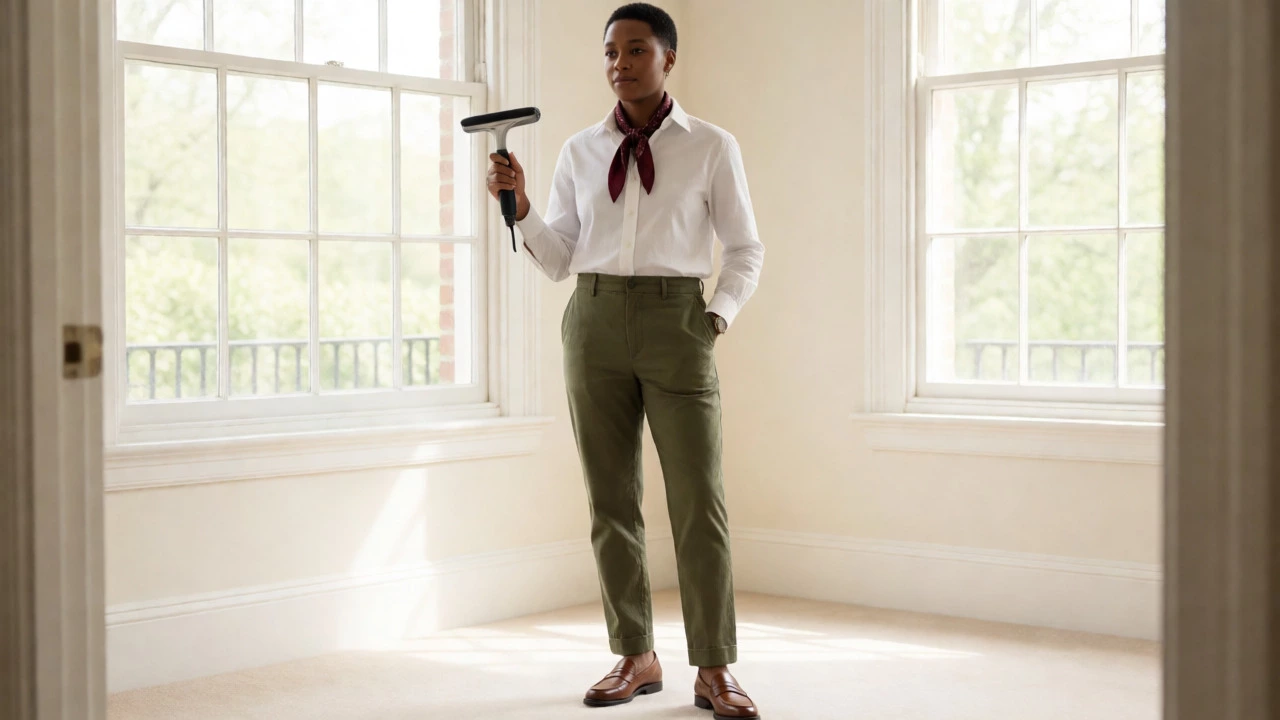
Caring for Your Clothes
A classy wardrobe requires maintenance. Wrinkles, stains, and pilling ruin even the most expensive garments. You don’t need a dry cleaner for everything, but you do need basic care routines.
Invest in a steamer. It’s faster than ironing and gentler on fabrics. Steam releases wrinkles without direct contact, preserving the integrity of delicate materials like silk or wool. Keep a lint roller handy for coats and sweaters. A single pill on a black sweater draws the eye immediately.
Wash less. Most clothes don’t need washing after every wear. Jeans, for instance, benefit from being aired out rather than scrubbed. Over-washing fades colors and breaks down fibers. Spot-clean small stains instead of throwing the whole item in the machine. Rotate your shoes so they have time to air out between wears. Leather shoes that dry completely last longer and smell better.
Common Mistakes to Avoid
Even well-intentioned shoppers slip up. Here are the traps that kill classiness:
Oversized Logos: Huge brand names plastered across the chest scream insecurity. True luxury whispers. Small, discreet branding suggests you bought the item for its design, not for validation.
Ignoring Undergarments: Visible bra straps, ill-fitting underwear lines, or sagging boxers undermine an otherwise polished outfit. Invest in seamless underlayers. They disappear under clothes and create smooth lines.
Shoe Neglect: Scuffed shoes ruin a great suit. Clean your sneakers weekly. Polish your leather shoes monthly. Replace worn-out soles promptly. Shoes are the first thing people notice when you walk into a room.
Chasing Micro-Trends: Skinny ties, bell-bottoms, oversized silhouettes-trends cycle fast. If you buy something solely because it’s popular right now, you’ll likely discard it in six months. Stick to classic shapes that have survived decades.
Do I need to spend a lot of money to have a classy wardrobe?
No, you don't need a massive budget. Focus on spending more on key pieces like coats, shoes, and suits, and save on basics like t-shirts and socks. Thrift stores and consignment shops are excellent places to find high-quality vintage items at lower prices. Prioritize fit and fabric over brand names.
How many items should be in a classy wardrobe?
There is no fixed number, but most minimalists aim for 30-50 core pieces excluding underwear and workout gear. The goal is to have enough variety to rotate outfits without repetition, but not so much that you struggle to choose. Quality over quantity is the guiding principle.
Can I wear patterns in a classy wardrobe?
Yes, but keep them subtle. Classic patterns like houndstooth, pinstripes, plaid, and polka dots are timeless. Avoid large, chaotic prints or novelty graphics. Ensure the colors in the pattern complement your neutral base pieces.
What is the best way to start decluttering my current closet?
Take everything out. Sort items into three piles: keep, donate/sell, and repair. Be honest about what you actually wear. If you haven't worn an item in a year, let it go. Start by removing anything damaged, ill-fitting, or outdated.
Are black and white the only colors for a classy wardrobe?
No. While black and white are staples, navy, gray, beige, olive, and brown are equally versatile. These earth tones and deep hues add depth to your wardrobe without being flashy. Experiment with muted versions of colors you love.