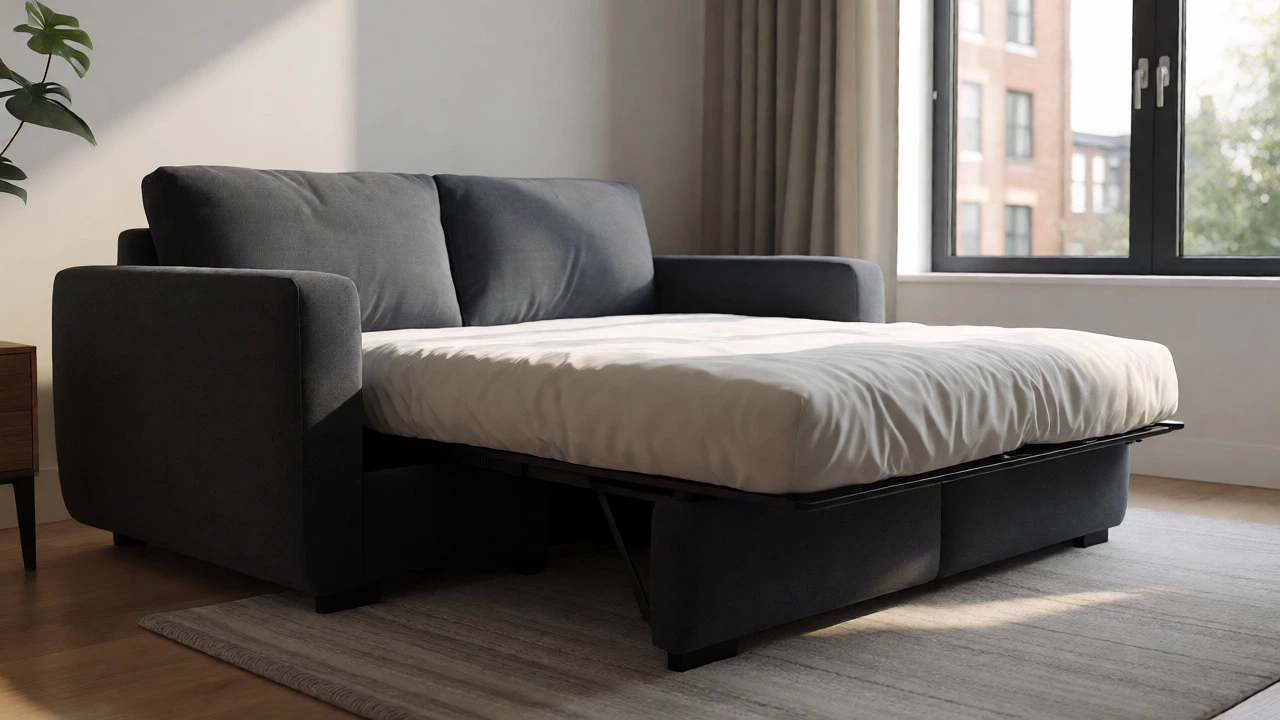
Queen Sleeper Sofa Fit & Comfort Calculator
Enter your room dimensions and preferences to determine if a queen sleeper sofa is the right choice for your space and sleep needs.
Space Analysis
- Closed Sofa Footprint: ~80" x 38"
- Open Bed Requirement: ~90" x 60"
- Total Space Needed: 120" length (incl. clearance)
- Your Room: --
Verdict: Calculating...
Comfort Score
| Type | Mattress W x L | Best For | Min. Room Length* |
|---|---|---|---|
| Twin | 39" x 75" | Single Child/Guest | ~10 ft |
| Full | 54" x 75" | Couples (Snug) | ~11 ft |
| Queen | 60" x 80" | Couples (Comfortable) | ~12 ft |
| Cal King | 60" x 84" | Tall Individuals | ~13 ft |
You’re hosting friends for the weekend, but your apartment doesn’t have a spare room. You look at your living area and wonder if that bulky couch can actually double as a bed without destroying your back or your floor space. This is where the queen sleeper sofa enters the conversation. It’s not just a piece of furniture; it’s a spatial puzzle solver. But before you swipe your credit card, you need to know exactly what you’re buying. Is it truly a queen? How much room does it eat up when open? And more importantly, will it feel like sleeping on a brick?
The term "queen sleeper sofa" gets thrown around loosely in furniture stores, often causing confusion between actual queen-sized mattresses and oversized full-size ones. If you click away from this article thinking any large pull-out counts as a queen, you might end up with a bed that’s too narrow for two adults or too wide for your hallway. Let’s break down the reality of these convertible sofas so you can make a decision that fits your life, not just your catalog.
The Real Dimensions: What Makes It a "Queen"?
Here is the first trap many shoppers fall into: assuming the sofa itself is queen-sized. It isn’t. The mattress inside is usually the only part that claims queen status. A standard queen mattress measures 60 inches wide by 80 inches long (152 cm x 203 cm). However, because the mattress has to fold or roll inside the frame, the closed sofa footprint is significantly different from the open bed footprint.
When closed, a typical queen sleeper sofa ranges from 74 to 90 inches in length and about 36 to 40 inches in depth. When fully extended, it requires roughly 85 to 95 inches of clearance from the wall to accommodate the mattress and the mechanism. If your living room is tight, measure twice. I’ve seen people buy beautiful queens that simply couldn’t fit through their own front doors, let alone unfold in a 10x10 room.
| Sofa Type | Mattress Width | Mattress Length | Best For |
|---|---|---|---|
| Twin Sleeper | 39 inches | 72-75 inches | Single kids or guests under 5'8" |
| Full Sleeper | 54 inches | 72-75 inches | Couples who don't mind touching shoulders |
| Queen Sleeper | 60 inches | 75-80 inches | Couples needing real elbow room |
| California King | 60 inches | 84 inches | Tall individuals (rare in sofas) |
Queen vs. Full: The Critical Difference
This is the most common point of confusion. Many manufacturers label a 54-inch wide mattress as a "queen" because it feels spacious compared to a twin. But strictly speaking, a full (or double) mattress is 54 inches wide, while a true queen is 60 inches. That six-inch difference sounds small until you’re sharing a bed with another adult. In a full sleeper, you’re likely bumping elbows every time one of you rolls over. In a queen, you get those extra three inches per person, which translates to significantly better sleep quality for couples.
If you are buying this primarily for occasional single guests, a full sleeper is cheaper and takes up less space. But if you plan to use it for yourself or a partner regularly, skip the full. The comfort gap is real. I’ve tested both types extensively in my own home office setup, and the queen consistently allows for side-sleeping without hanging an arm off the edge.
Comfort Mechanics: Foam vs. Innerspring
Not all queen sleeper sofas are created equal. The biggest factor in comfort isn’t just the size-it’s the mattress type. Historically, sleeper sofas were infamous for having thin, lumpy innerspring coils that poked you in the spine. Modern designs have improved, but you still need to check the specs.
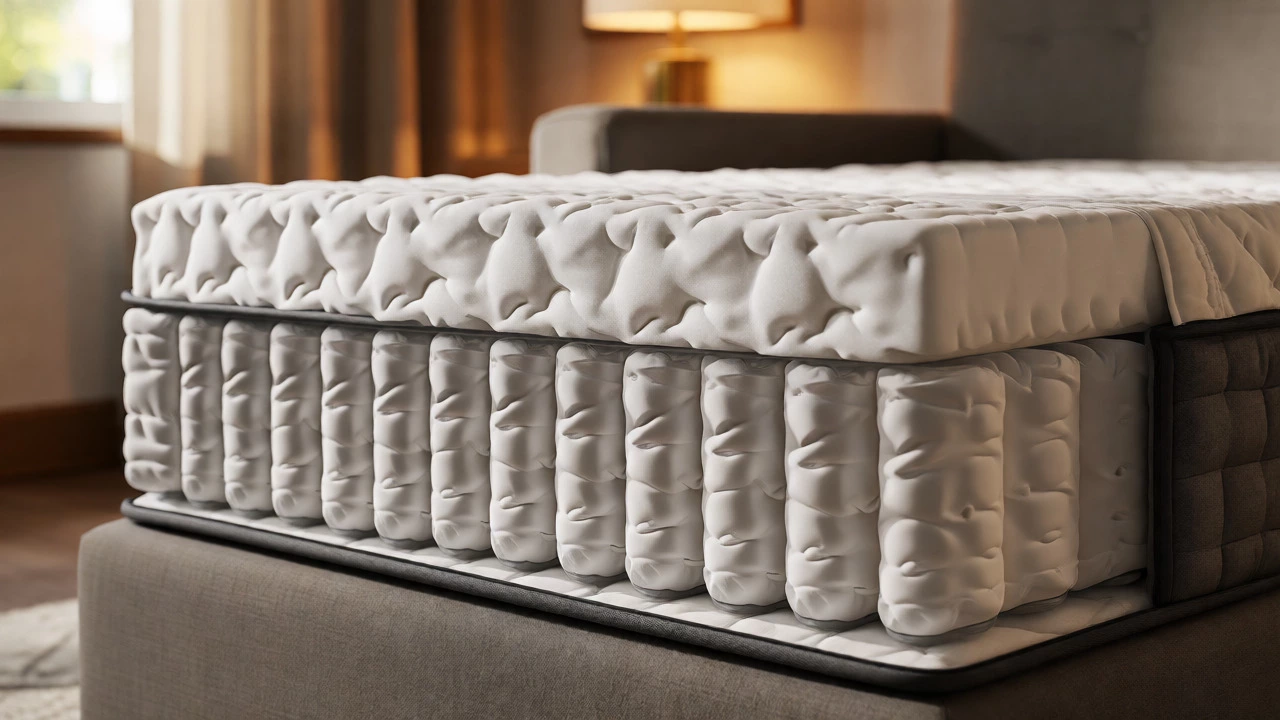
- Innerspring: These are traditional coil systems. They are durable and affordable but often feel firm and uneven. Look for "pocketed coils" if possible, as they reduce motion transfer.
- Memory Foam: This is the gold standard for comfort. Memory foam contours to your body, relieving pressure points. The downside? It can run hot, and high-quality memory foam adds significant weight to the mechanism, making it harder to open and close.
- Hybrid: Some newer models combine pocketed coils with a top layer of memory foam or latex. This offers the support of springs with the cushioning of foam. If you have back issues, this is often the sweet spot.
Avoid ultra-thin mattresses (under 4 inches). No matter how good the material is, four inches won’t hide the metal bars underneath. Aim for at least 5 to 6 inches of thickness if you want genuine comfort.
Mechanism Types: How Easy Is It to Open?
You will be converting this sofa daily or weekly, depending on usage. If the mechanism is clunky, you’ll dread using it. There are three main types you’ll encounter:
- Pull-Out: The classic style. You pull the seat forward, then lift the backrest to reveal the mattress. It’s reliable but requires significant vertical clearance and physical effort. Best for sturdy frames.
- Click-Clack: Common in modern, minimalist designs. The entire unit reclines flat. It’s easy to operate but often lacks a dedicated headboard structure, meaning pillows slide around.
- Lift-Over: You lift the cushions and flip the frame over. These are often lighter but can feel less stable than heavy-duty pull-outs.
In Mississauga, where I live, many condos have tight elevators and stairwells. Before buying, check the "disassembly" feature. Can the legs be removed? Does the back detach? If not, ensure the box fits through your entryway. I once watched a delivery crew struggle for forty minutes because a queen sleeper was two inches wider than the elevator door.
Space Planning: Will It Fit Your Room?
A queen sleeper sofa demands more visual and physical space than a standard couch. When closed, it looks bulkier due to the thick armrests and deep seating required to house the mechanism. When open, it dominates the room.
Use this rule of thumb: Leave at least 3 feet of walking space around the perimeter when the bed is deployed. If your room is smaller than 12x12 feet, a queen might overwhelm it. In smaller spaces, consider a "chair-and-a-half" sleeper or a high-quality full instead. Alternatively, look for armless designs. Armless queen sleepers save about 4-6 inches of width, which can be the difference between fitting and not fitting.

Price and Value: What Should You Pay?
Quality varies wildly. You can find cheap queen sleepers for $500, but expect them to sag within two years. Mid-range options ($800-$1,500) offer decent mechanisms and acceptable comfort. High-end models ($1,500+) often feature custom fabrics, premium memory foam, and lifetime warranties on the mechanism.
Don’t just look at the sticker price. Consider the longevity. A $1,200 sofa that lasts ten years is cheaper than a $600 sofa that breaks in three. Check the warranty specifically for the mechanism, not just the fabric. The hinges and gears are the first things to fail.
Related Concepts and Alternatives
If a queen sleeper feels too big, look into Daybeds. They offer similar functionality but often come with a trundle for extra storage or a second guest. Another option is the Futon, which is slimmer but less comfortable for nightly use. For those prioritizing aesthetics over pure sleep utility, modular sectionals with chaise lounges can sometimes serve as makeshift beds, though they lack the structural integrity of a true sleeper.
Remember, the goal is versatility. A queen sleeper sofa is an investment in flexibility. It turns a living room into a guest suite, a studio into a bedroom, and a vacation rental into a viable Airbnb listing. Just ensure you match the size to your space and the comfort to your needs.
Is a queen sleeper sofa really queen size?
Yes, but only the mattress. A true queen sleeper contains a 60x80 inch mattress. However, some retailers mislabel full-size (54x75 inch) mattresses as queens. Always verify the exact mattress dimensions in the product specifications rather than relying on the marketing name.
How much space do I need for a queen sleeper sofa?
You need enough room for the closed sofa plus approximately 85-95 inches of linear space when fully extended. Ensure there is also clearance for opening the mechanism. Measure your doorway and hallways too, as queen sleepers are often difficult to maneuver into apartments.
Are queen sleeper sofas comfortable for daily use?
High-end models with memory foam or hybrid mattresses are quite comfortable for daily use. Cheaper innerspring models may cause discomfort over time. If you plan to sleep on it every night, invest in a model with at least 5-6 inches of foam density and a sturdy frame.
Can I replace the mattress in a queen sleeper sofa?
In most modern designs, yes. Many brands sell replacement mattresses separately. However, older or budget models may have integrated upholstery that makes replacement difficult or impossible. Check with the manufacturer before purchasing if you anticipate needing a replacement.
What is the difference between a full and a queen sleeper?
A full sleeper has a 54-inch wide mattress, while a queen has a 60-inch wide mattress. The queen provides 6 additional inches of width, offering significantly more personal space for couples. Queens are generally heavier and more expensive than fulls.