Wardrobe Style Advisor
Answer these 5 questions to find the perfect wardrobe setup for your home.
You walk into your bedroom after a long day. You want to change clothes quickly, but you also don't want to see the chaos of your last three outfits piled on a chair. This is the core dilemma every homeowner faces when designing a wardrobe. Is it better to hide everything behind solid panels, or should you let your clothes breathe and show off your style? There is no single right answer, because the best choice depends entirely on how you live, what you own, and how much effort you’re willing to put into keeping things tidy.
The debate isn't just about aesthetics. It’s about dust, humidity, accessibility, and even the perceived size of your room. In Mississauga, where winters can be dry and summers humid, the environment inside your closet actually matters for fabric longevity. Let’s break down the real pros and cons so you can decide which setup fits your life.
The Case for Closed Wardrobes
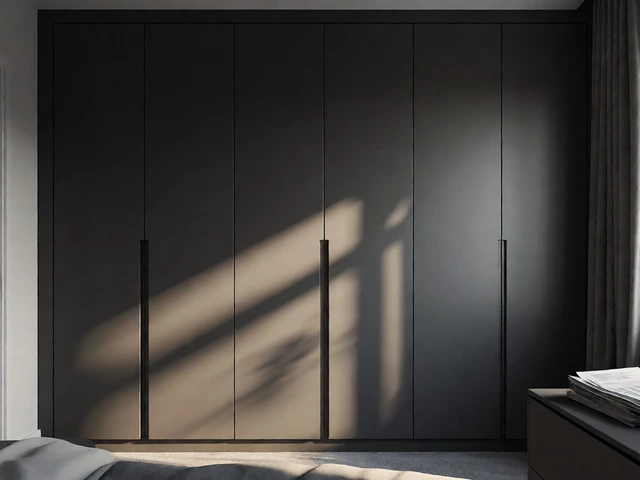
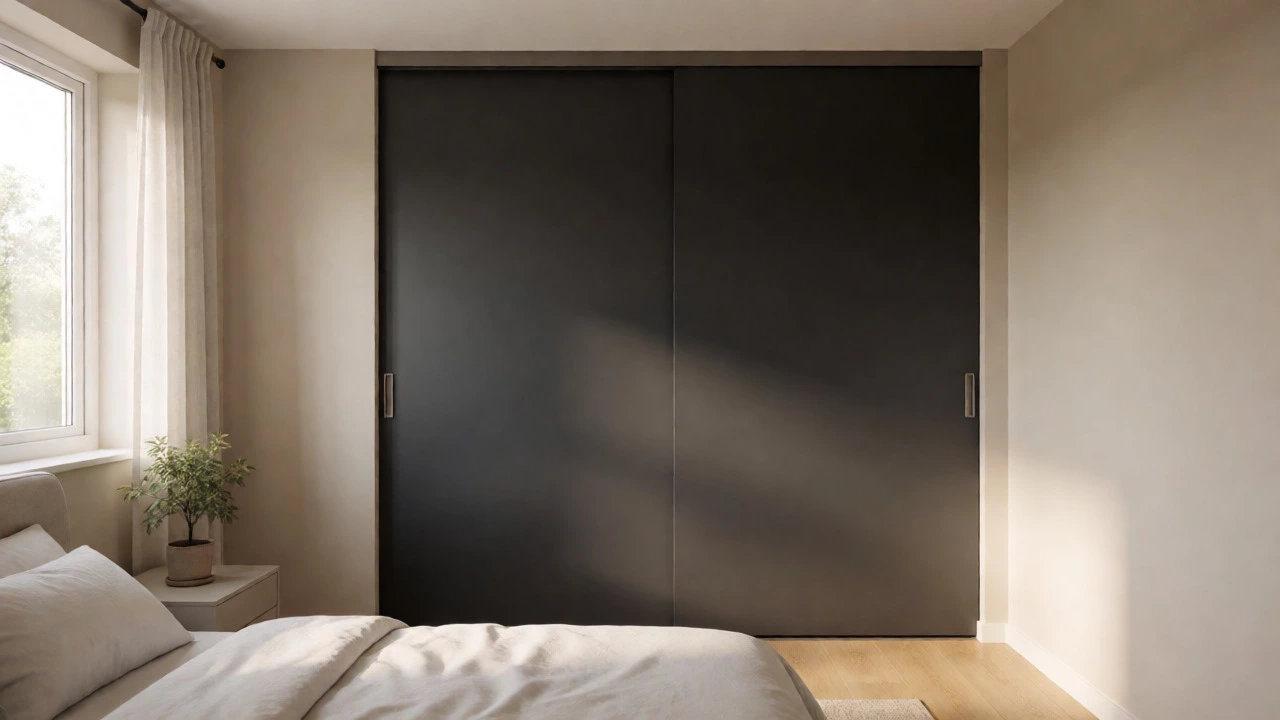
Closed wardrobes are the traditional standard for a reason. They offer control. When you install doors, whether they are hinged, sliding, or mirrored, you create a barrier between your clothes and the rest of the room. This barrier serves several critical functions that go beyond just looking neat.
Dust and allergen protection is the biggest practical benefit. If you suffer from allergies or asthma, an open closet is essentially a giant filter trap. Dust settles on your shirts, coats, and dresses, and every time you reach in, you kick up particles. A closed door keeps those irritants contained. According to the Asthma Society of Canada, reducing indoor allergens is key to managing symptoms, and enclosed storage helps significantly with this.
Another major factor is visual clutter. Even if you organize perfectly, seeing twenty different colors and textures at once can feel overwhelming. Closed doors allow you to "hide" the mess. You can throw things in, close the door, and your room instantly feels calmer. For small bedrooms, this visual simplicity can make the space feel larger and less cramped.
- Privacy: Not everyone wants their underwear or workout gear on display.
- Pest Control: Moths and silverfish love dark, undisturbed spaces, but they hate being seen. More importantly, doors prevent pets (looking at you, cats) from using your cashmere sweaters as beds.
- Light Protection: Sunlight fades fabrics. If your bedroom gets direct afternoon sun, open shelves will bleach your clothes over time.
The Appeal of Open Wardrobes
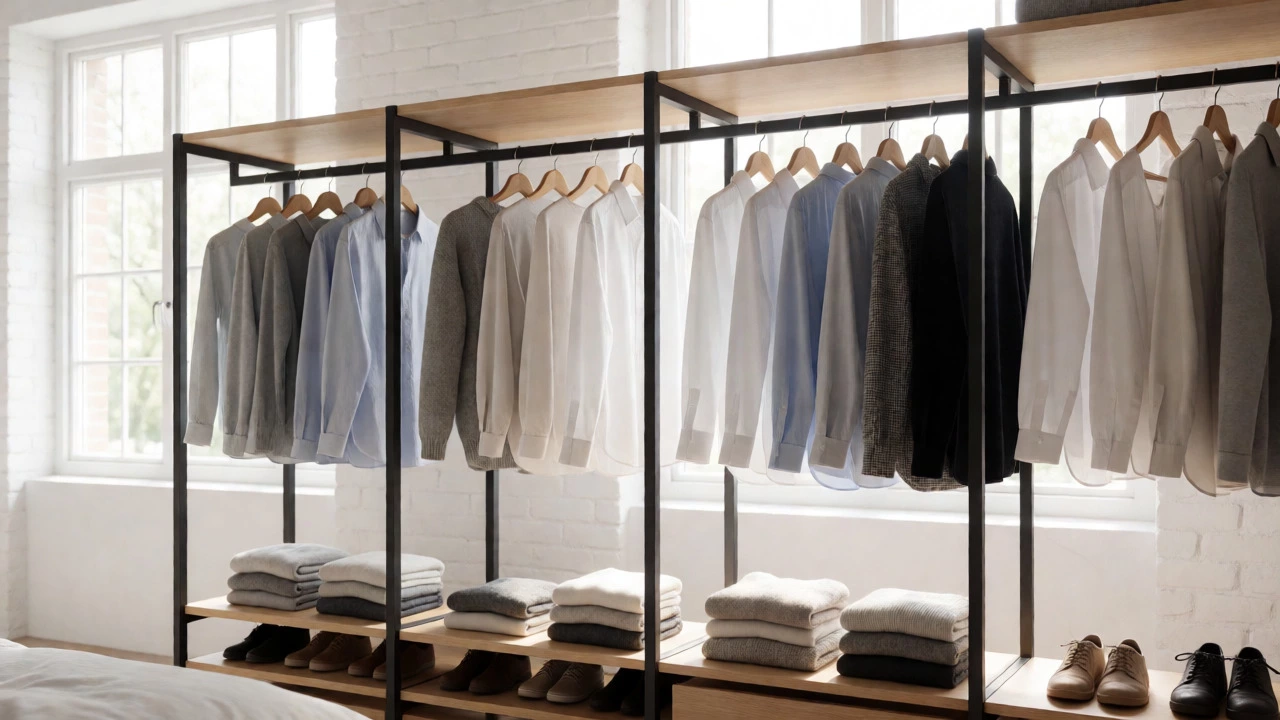
On the flip side, open wardrobes have surged in popularity, largely driven by minimalist trends and the influence of boutique hotel designs. An open system removes the physical barrier, making access faster and frictionless. You grab what you need without opening, closing, or navigating around sliding tracks.
This setup forces honesty. You can’t hide a messy pile behind a door. If your shirt is wrinkled, you see it. If your shelf is overflowing, you know immediately. This transparency often leads to better organization habits because the feedback loop is instant. Many people find that maintaining an open wardrobe requires more daily discipline but results in a more curated collection.
From a design perspective, open wardrobes add character. You can treat your clothing like decor. Matching hangers, color-coordinated racks, and neatly folded stacks become part of the room’s aesthetic rather than something to be hidden. In smaller apartments, removing bulky doors can save inches of floor space, allowing for easier movement around the bed.
| Feature | Closed Wardrobe | Open Wardrobe |
|---|---|---|
| Dust Accumulation | Low | High |
| Visual Clutter | Hidden | Visible |
| Access Speed | Moderate (requires opening) | Fast (direct access) |
| Cost | Higher (doors + hardware) | Lower (frame + shelves only) |
| Maintenance | Occasional cleaning of exterior | Frequent dusting of clothes/shelves |
| Room Size Perception | Can feel bulkier | Feels airier and lighter |
Climate and Environment Factors
Living in Ontario means dealing with distinct seasonal changes. In winter, indoor heating dries out the air, which can stiffen leather jackets and shrink wool blends if not stored properly. Closed wardrobes maintain a more stable microclimate. The lack of airflow prevents rapid moisture loss, keeping natural fibers supple longer.
In summer, however, trapped heat and humidity can lead to musty smells if ventilation is poor. Sliding doors often seal tightly, blocking air circulation. If you choose closed doors, ensure there are small vents or gaps at the bottom to allow some breathability. Conversely, open wardrobes expose clothes to fluctuating temperatures and humidity levels, which can accelerate fading and odor absorption from cooking or pets.
If you live in a high-traffic area near a kitchen or bathroom, open closets will absorb grease and moisture faster. Your white shirts might start yellowing quicker than they would in a sealed cabinet. Consider the location of your bedroom relative to other rooms before going fully open.
Design Styles That Favor One Over the Other
Your interior design theme plays a huge role in this decision. Certain styles clash with one option while embracing the other.
Minimalism and Scandinavian Design: These styles often favor open shelving. The goal is functionality and lightness. Visible wood tones and clean lines look great without doors. However, minimalists usually own fewer items, making the "clutter" problem negligible.
Traditional and Classic Interiors: Built-in cabinetry with paneled doors fits seamlessly here. The focus is on symmetry and elegance. Exposed clothes can look chaotic against ornate moldings or antique furniture.
Industrial Lofts: Metal pipes and exposed brick pair well with open garment racks. The raw aesthetic supports showing off structure. But again, this works best if you keep only essential pieces visible.
If you have a large wardrobe but a small number of clothes, open systems look intentional. If you have a massive collection of varied items, closed doors help unify the look. Mismatched hangers and random colors disappear behind a uniform door front.
Hybrid Solutions: The Best of Both Worlds
You don’t have to choose one extreme. Many modern custom wardrobes use a hybrid approach. This involves combining open sections for frequently used items with closed cabinets for bulkier or seasonal storage.
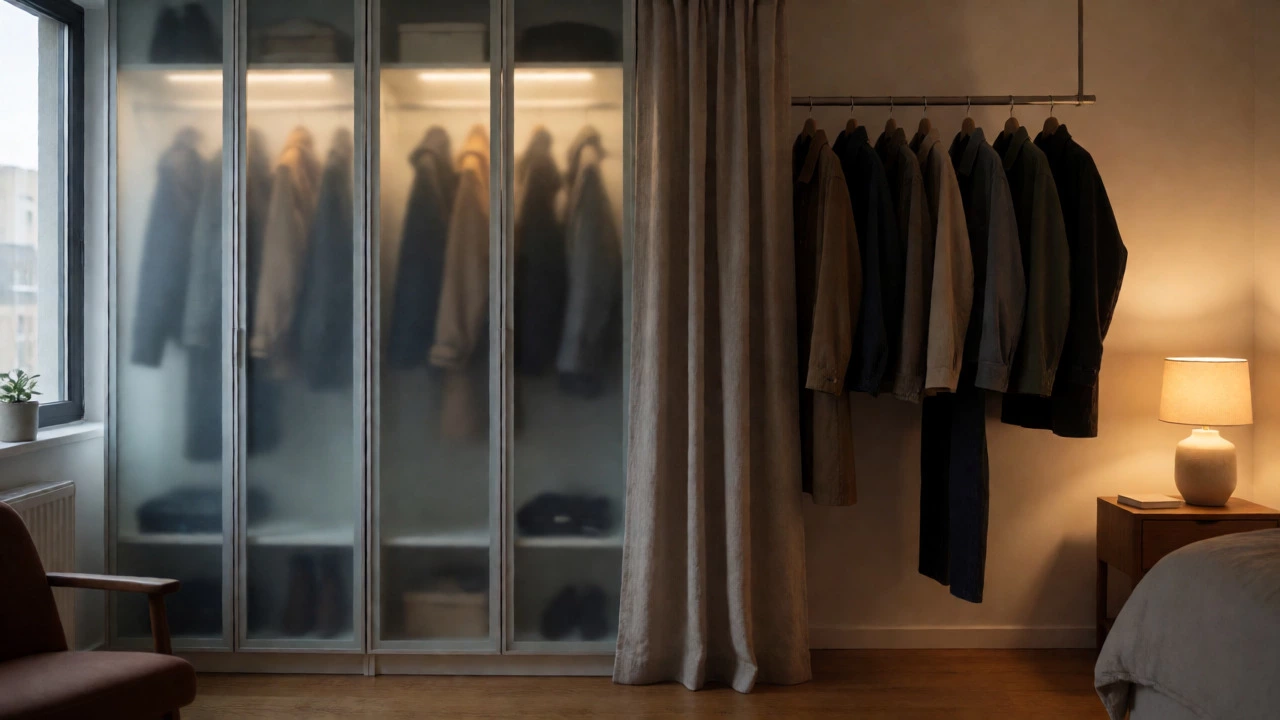
For example, keep your current season’s work clothes on an open rail for quick access. Store winter coats, extra bedding, or rarely worn formal wear in closed upper cabinets. This reduces the visual noise while maintaining convenience. Another popular trick is using curtains instead of hard doors. Curtains are cheaper, softer, and easy to pull back, offering partial privacy without the weight of wood or glass.
Consider adding glass-fronted doors. Frosted or smoked glass allows you to see vague shapes of your clothes (helping you find items) without revealing every detail. It adds sophistication and protects from dust while keeping the space feeling open.
Practical Tips for Decision Making
Before buying or building, ask yourself these questions:
- How often do I reorganize? If you hate folding and sorting, closed doors give you permission to be lazy occasionally.
- Do I have pets or kids? Cats jump into open shelves easily. Toddlers pull everything out. Doors provide containment.
- Is my bedroom dusty? If you live near a construction site or busy road, open shelves mean constant wiping.
- What is my budget? Custom sliding doors with good rollers cost significantly more than simple shelving units.
Remember, you can always modify later. Start with an open frame and add curtain rods if you get tired of the dust. Or install basic doors now and replace them with mirrors later. The structure matters most; the covering is flexible.
Do open wardrobes collect more dust?
Yes, significantly more. Without a physical barrier, airborne particles settle directly on fabrics and shelves. You’ll need to vacuum or wipe down your clothes and shelves weekly to prevent buildup, especially if you have carpet or pets.
Are sliding doors better than hinged doors for small rooms?
Generally, yes. Hinged doors require clearance space to swing open, which can block pathways or hit the bed in tight quarters. Sliding doors move parallel to the wall, saving valuable floor space and making navigation easier in compact bedrooms.
Will open wardrobes make my room look bigger?
Often, yes. Large, solid doors can visually weigh down a room. Open structures allow sightlines to continue through the space, creating an illusion of depth. However, this only works if the clothes themselves are organized and aesthetically pleasing; otherwise, clutter makes the room feel smaller.
How do I protect clothes in an open wardrobe from sunlight?
Position the wardrobe away from direct windows, or use UV-filtering window films. You can also place sensitive items like silk or wool on higher shelves or in boxes within the open unit. Rotating your displayed clothes regularly ensures no single piece fades unevenly.
Is it cheaper to buy an open wardrobe or one with doors?
Open wardrobes are typically cheaper upfront because they lack complex hardware like hinges, handles, and heavy door panels. However, high-quality open systems with sturdy frames and adjustable shelving can rival the price of basic closed units. Always compare total costs including installation.