Fitted vs. Freestanding Wardrobe Decision Tool
Answer these questions to see if a fitted wardrobe is worth the investment for your specific situation.
Key Considerations Based on Your Inputs:
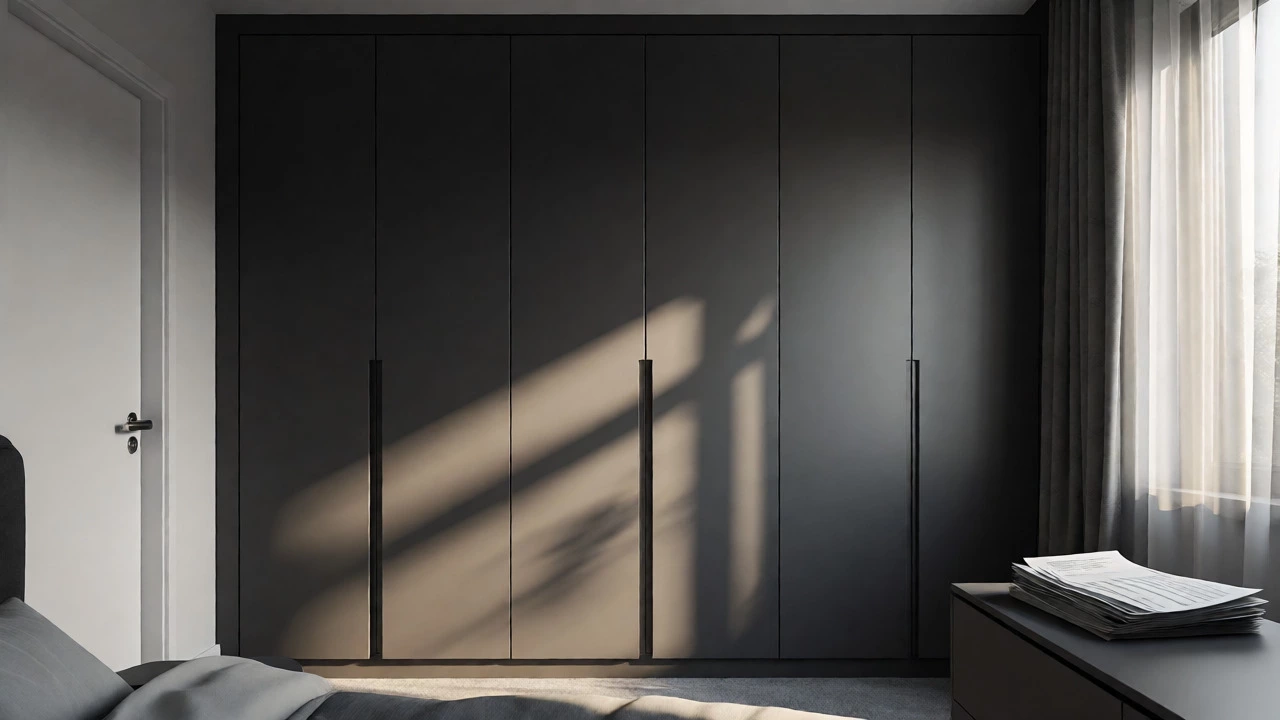
You’ve seen them in every home magazine and Instagram feed: sleek, floor-to-ceiling fitted wardrobes that make a small bedroom look twice as big. They promise maximum storage and a clutter-free aesthetic. But before you hand over your deposit to a joiner or order from a high-street retailer, there’s a catch. The reality of living with built-in storage isn’t always as smooth as the brochure suggests.
Fitted wardrobes are permanent fixtures. That sounds great until you want to change your room layout, move house, or realize the internal configuration doesn’t actually fit your shoe collection. This article cuts through the marketing fluff to expose the genuine downsides of fitted wardrobes. We’ll look at cost, flexibility, maintenance, and resale value so you can decide if the trade-off is worth it for your specific situation.
The High Upfront Cost vs. Long-Term Value
Let’s talk money first. A standard freestanding wardrobe from a flat-pack store might cost £300-£600. A decent quality fitted wardrobe starts around £1,500 and can easily climb past £4,000 depending on materials and complexity. Why the massive gap?
You aren’t just paying for wood and hinges. You’re paying for labor, precise measurement, and customization. Unlike mass-produced units, fitted wardrobes require skilled carpenters or specialized installers. If you choose bespoke designs, prices skyrocket further. For renters or people planning to move within five years, this initial outlay rarely offers a return on investment. You’re essentially sinking capital into the property itself, not an asset you can take with you.
| Feature | Freestanding Wardrobe | Fitted Wardrobe |
|---|---|---|
| Average Price (UK) | £300 - £800 | £1,500 - £5,000+ |
| Installation Time | 1-2 hours (DIY) | 1-3 days (Professional) |
| Movability | High (can take with you) | None (permanent fixture) |
| Customization | Limited to shelf adjustments | Total (internal layout, doors) |
Zero Flexibility When Layouts Change
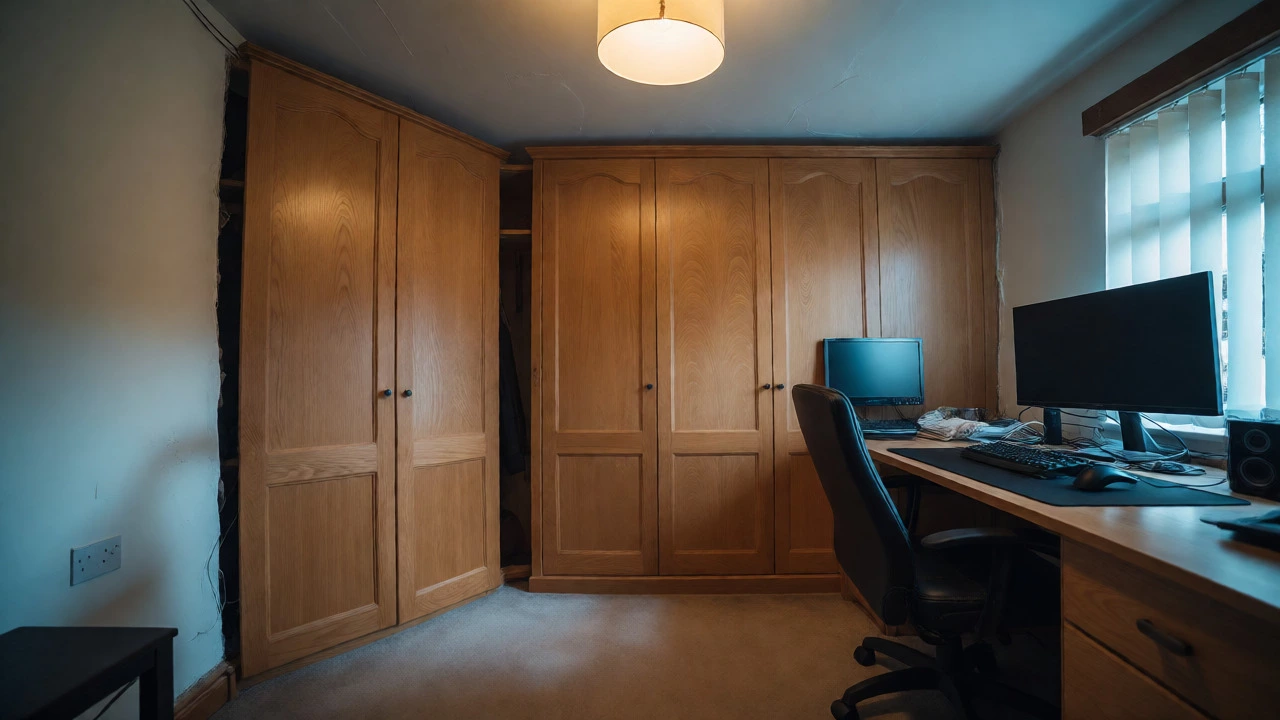
Here is the biggest headache for homeowners: permanence. Once a fitted wardrobe is installed, it stays. What happens when you get tired of the bedroom arrangement? Or worse, what if you convert the spare room into a home office next year?
With a freestanding unit, you just push it against another wall. With a fitted wardrobe, you have three bad options:
- Leave it: It looks out of place in an office setting.
- Remove it: This often leaves behind holes in the walls, damaged skirting boards, and unfinished flooring where the unit used to sit. Fixing this costs extra money and time.
- Live with it: You accept a suboptimal room layout forever.
This lack of agility is particularly frustrating for families. Children grow, needs change, and rooms repurpose. A fitted wardrobe locks your design choices into stone long before you’ve finished evolving your lifestyle.
Installation Nightmares and Hidden Issues
People often assume installation is straightforward. It’s not. Most modern homes have uneven floors and crooked walls. To make a fitted wardrobe look flush and professional, installers must scribe the sides-cutting the wood to match the wall’s imperfections.
If the installer makes a mistake during this process, you’re stuck with gaps. Dust collects in these crevices, and they look messy. Furthermore, if your walls are damp or poorly insulated, the back panel of the wardrobe can trap moisture. Over time, this leads to mold growth behind the unit, which is hard to spot until you smell it or see stains on your clothes.
Another common issue involves electrical outlets. Many fitted wardrobes cover existing sockets. If you don’t plan ahead to cut access panels or relocate the wiring, you lose convenient charging points. Trying to charge a phone or run a hairdryer becomes a game of extension cord Tetris.
Resale Value Isn’t Always Positive
Estate agents love saying "built-in wardrobes add value." Sometimes they do. Often, they don’t. It depends entirely on the buyer’s taste.
Imagine selling your house to someone who wants to turn the master bedroom into a nursery or a studio. They might view your expensive oak-fitted wardrobe as an obstacle they need to pay to remove. In some cases, fitted wardrobes can actually reduce interest because they limit how future owners use the space.
Additionally, if the style is dated-think glossy melamine doors from 2010-it can make the whole room feel old-fashioned. Updating a freestanding wardrobe is cheap; replacing a fitted one is a renovation project. Potential buyers factor that removal cost into their offer, potentially lowering your final sale price.
Maintenance and Repair Difficulties
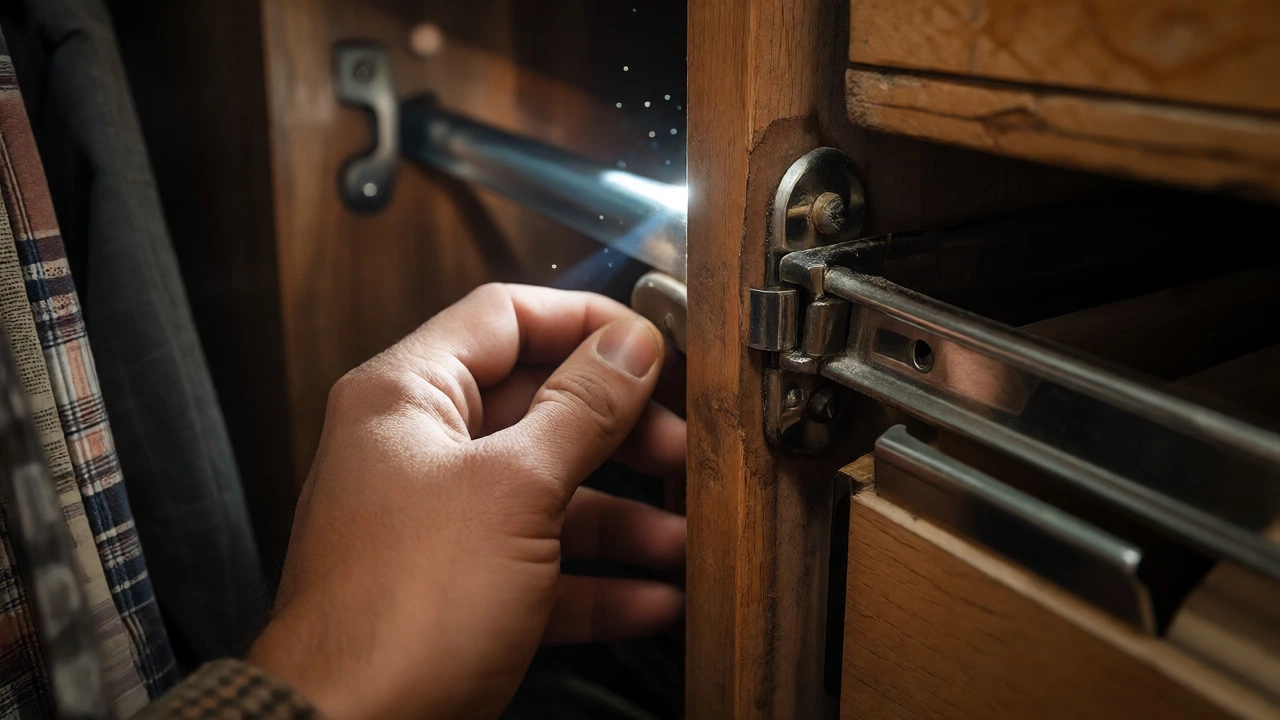
Hardware fails. Hinges snap, drawer runners jam, and handles loosen. With a freestanding wardrobe, you can often slide the unit away from the wall to access the back or side for repairs. With a fitted wardrobe, you’re working in tight quarters.
If a door hinge breaks, you might need to remove the entire door to fix it, which can be awkward if the ceiling height is low. More seriously, if the carcass (the main box structure) gets damaged by water or impact, repairing it without replacing the whole section is nearly impossible. You can’t just swap out a broken panel like you would with a modular system. Often, you have to call in a specialist, which adds ongoing maintenance costs that freestanding furniture simply doesn’t incur.
Lighting and Ventilation Challenges
Fitted wardrobes are enclosed boxes. Without proper ventilation, clothes stored inside can develop a musty smell. Freestanding wardrobes usually have gaps at the top and bottom allowing air circulation. Fitted units, especially those reaching the ceiling, seal off the space completely.
To combat this, many people add internal lighting. While nice, this introduces another layer of complexity. Wiring lights into a fitted wardrobe requires electricians if you want them hardwired. Battery-operated LEDs are easier but need frequent changing. If you forget to leave access hatches for wiring or battery changes, you end up having to dismantle parts of the interior shelving just to replace a lightbulb.
Who Should Actually Avoid Fitted Wardrobes?
Based on these drawbacks, certain groups should think twice before committing:
- Renters: Unless you have explicit permission to alter the property, you cannot install fitted wardrobes. Even then, removing them at the end of the tenancy is risky.
- First-time movers: If you’re unsure about staying in the area long-term, the sunk cost isn’t worth it.
- Minimalists: If you don’t own enough clothes to fill a custom-built system, you’re paying for empty space.
- Budget-conscious renovators: The money saved by buying a freestanding unit can go toward better bedding, paint, or artwork, which often has a higher visual impact per pound spent.
Fitted wardrobes solve specific problems-like awkward alcoves or sloping ceilings-but they create others. They demand precision, patience, and a long-term commitment to the current layout. If you value flexibility, lower upfront costs, and easy maintenance, a high-quality freestanding wardrobe might actually serve you better.
Do fitted wardrobes increase house value?
Not necessarily. While estate agents often claim they add value, the reality is mixed. High-quality, neutral-finish fitted wardrobes can appeal to buyers looking for immediate convenience. However, poor-quality installations or styles that clash with the buyer's taste can deter them. Additionally, if a buyer plans to repurpose the room, they may view the fixed nature of the wardrobe as a negative due to removal costs.
Can I move a fitted wardrobe?
Generally, no. Fitted wardrobes are designed to be permanent fixtures anchored to the wall and floor. Attempting to move them usually results in damage to the unit and the surrounding walls. If you need mobility, you should opt for a freestanding wardrobe instead.
Are fitted wardrobes more expensive than freestanding ones?
Yes, significantly. A basic freestanding wardrobe costs between £300 and £800. A comparable fitted wardrobe typically starts at £1,500 and can exceed £5,000 for bespoke designs. The higher price reflects custom manufacturing, professional installation, and the labor required to fit the unit precisely to the room's dimensions.
What is the biggest disadvantage of fitted wardrobes?
The biggest disadvantage is the lack of flexibility. Because they are permanently installed, you cannot rearrange the room layout without undertaking significant demolition work. This locks you into a specific design choice for years, which can be problematic if your needs or tastes change.
How do I deal with damp behind a fitted wardrobe?
Prevention is key. Ensure the wall behind the wardrobe is dry and insulated before installation. Use breathable backing materials rather than solid MDF if possible. If damp occurs, you may need to pull the unit away from the wall (if feasible) or treat the wall surface, which often requires partial disassembly of the wardrobe carcass.