Storage Units: What They Are and Why They Matter
When talking about storage units, a secure space, often a metal or concrete compartment, where people keep items they don’t need at home but want safe access to later. Also known as self‑storage lockers, they storage units come in many sizes and can be rented short or long term. A related concept is furniture storage, the practice of packing and placing larger pieces like wardrobes or sofas inside a unit to protect them from damage, while self storage, the broader service industry that offers these units to individuals and businesses. Together they form a flexible solution for decluttering, moving, or temporary holding of goods. Storage units encompass climate‑controlled storage, packing supplies, and even pest‑prevention strategies, creating a complete ecosystem for safeguarding belongings.
Choosing the Right Type and Keeping Items Safe
One of the biggest decisions is whether to go for standard or climate‑controlled storage, a unit that regulates temperature and humidity to protect sensitive items like electronics, wooden furniture, or documents from extreme conditions. Climate‑controlled storage reduces the risk of mold growth, which is a common issue in unventilated spaces; mold, in turn, can damage fabrics, paper, and metal. Proper packing requires sturdy boxes, plastic wrap, and padding – the right supplies enable you to seal items airtight, limiting moisture ingress. When you combine climate control with careful packing, you create a barrier that stops mold from thriving, illustrating the semantic triple: Proper packing prevents mold growth in climate‑controlled storage. Additionally, using pallets or shelves lifts items off the floor, which further cuts down on dampness exposure.
Cost and location also play a role. Units near city centers often cost more but offer easier access, while rural facilities may provide larger spaces at lower prices. Before you sign a lease, compare security features like CCTV, gate codes, and on‑site staff – security is a core attribute of reliable self storage. The final step is maintenance: periodically check your unit for water leaks, replace damaged seals, and rotate stored items to avoid long‑term stagnation. By linking security, climate control, and regular upkeep, you establish a robust framework that protects belongings over months or years. Below, you’ll find a curated collection of articles that dive deeper into each of these topics, from mold prevention tricks to step‑by‑step packing guides, giving you actionable insights for a hassle‑free storage experience.
-
Quentin Melbourn

- 24 October 2025
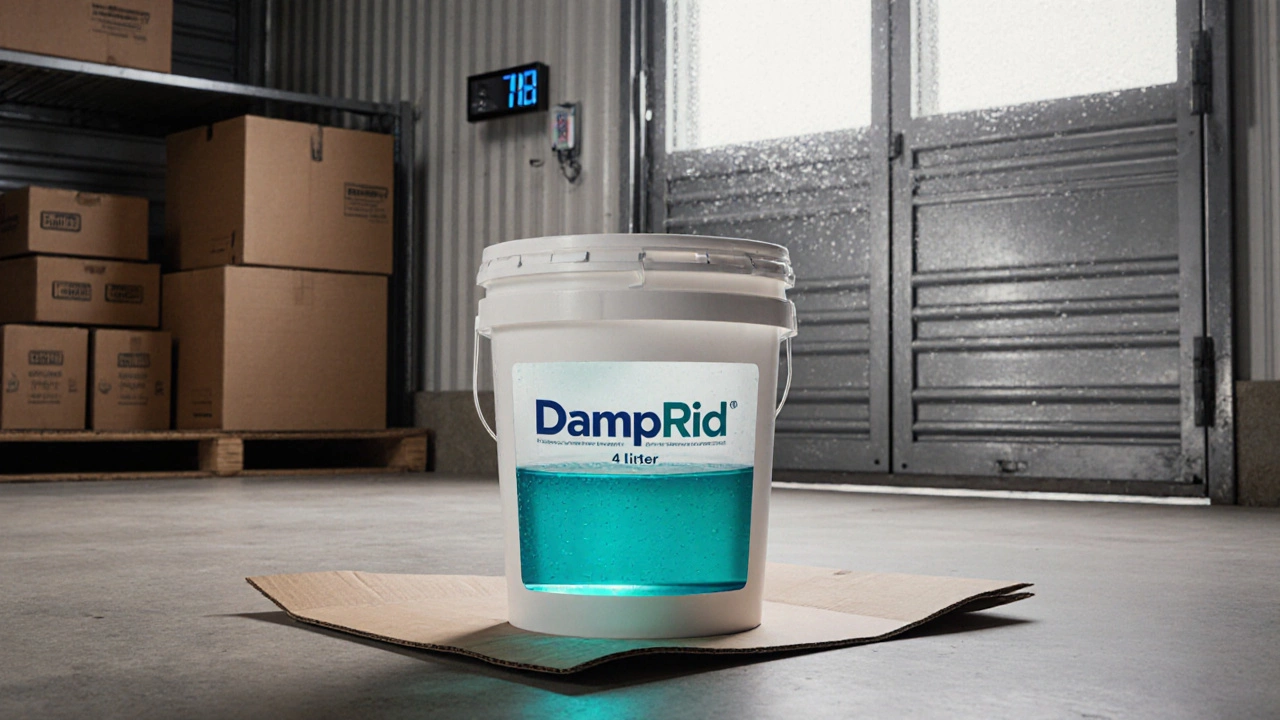
Does DampRid Work in Storage Units? Moisture Control Guide
Learn if DampRid can keep storage units dry, how it works, ideal usage tips, and when to upgrade to a dehumidifier.
Popular Posts



Categories
Tag Clouds