Bookcase Anchor: How to Secure Your Shelves Safely
When working with bookcase anchor, a hardware piece that fastens a bookcase or shelving unit to a wall to prevent tipping. Also known as wall anchor, it is essential for households with kids, pets, or heavy collections. Without it, a top‑heavy unit can wobble, tip, and cause injuries or damage. The good news? Installing one is a quick DIY job that saves a lot of hassle later. Below we’ll look at the key players that make a solid anchoring system work, from the wall itself to the tools you’ll need.
Why Wall Mounting Matters
One of the most common companions of a bookcase anchor is the concept of wall mounting, the practice of attaching fixtures directly to studs or solid wall sections. A sturdy mount gives the anchor a reliable anchor point and determines how much weight the shelf can hold. Studs typically support 80‑100 lb per screw, while drywall alone drops to barely 20 lb. Choosing the right mount style—like a lag bolt versus a toggle bolt—depends on your wall material and the load you expect. When you match the anchor to a proper wall mounting method, you create a chain of strength that keeps your bookcase upright for years.
Another crucial piece of the puzzle is furniture safety, the set of practices that prevent furniture from tipping or collapsing. Safety isn’t just about preventing breakage; it’s about protecting people. The Consumer Product Safety Commission reports that tipping furniture accounts for millions of injuries each year, many involving children. By adding a bookcase anchor, you comply with safety recommendations and often meet insurance guidelines for home safety. The simple act of anchoring turns a decorative piece into a secure part of your living environment.
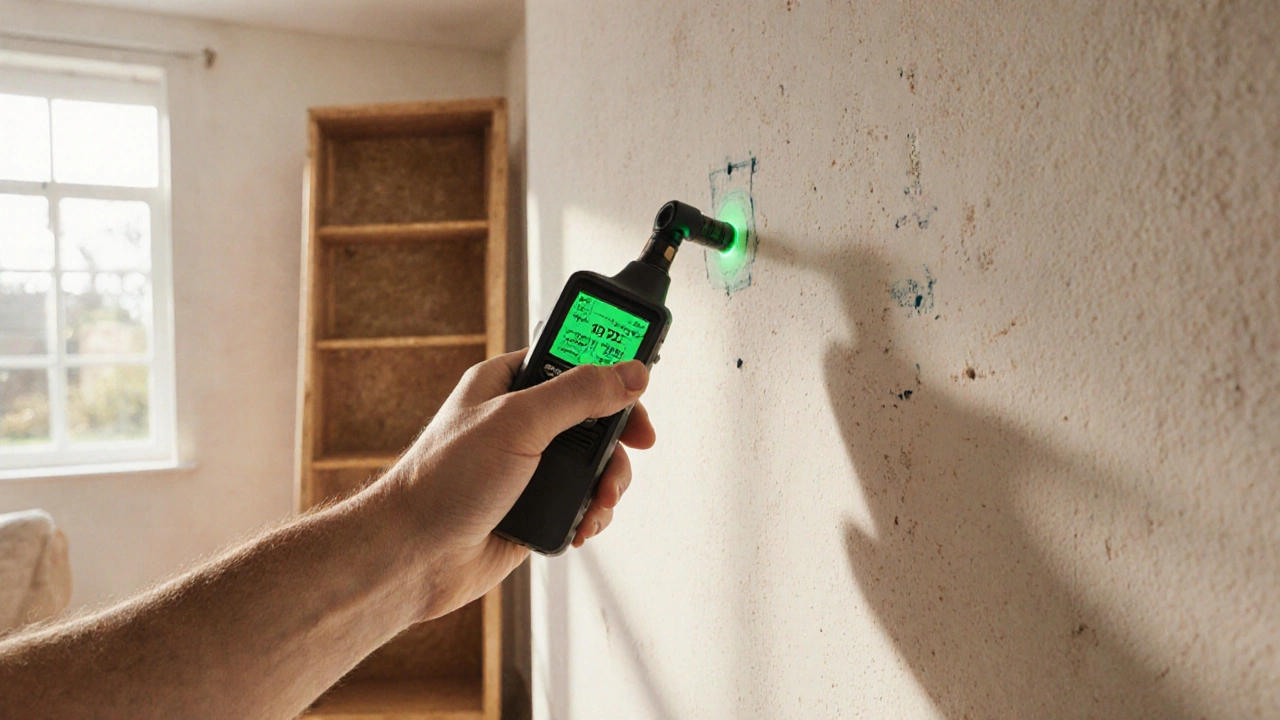
Getting the job done requires the right DIY tools, basic equipment like a drill, stud finder, and screwdriver used for home projects. A cordless drill speeds up hole‑making, while a stud finder ensures you hit the structural wood behind the drywall. A set of appropriate screws—preferably 3‑inch lag screws for studs—makes the connection rock‑solid. If you’re new to these tools, start with a low‑speed setting and double‑check each step. The tools themselves aren’t expensive, but using them correctly makes the difference between a wobble‑free shelf and a future disaster.
While securing a bookcase is the main focus, the broader context of home safety, overall measures taken to protect a dwelling and its occupants from hazards ties everything together. Anchors help keep pathways clear, reduce the chance of furniture falling onto stairs or hallways, and even protect against secondary damage during an earthquake. Pairing anchors with good storage habits—like not overloading shelves with heavy books or decorative items—creates a layered defense. Think of it as a safety net: the anchor catches the bookcase, the wall mount secures the anchor, and your daily habits keep the load balanced.
Now that you understand what a bookcase anchor is, why wall mounting, furniture safety, DIY tools, and home safety all intersect, you’re ready to choose the right hardware and install it with confidence. Below you’ll find a curated list of articles that walk you through everything from selecting the best anchor type to troubleshooting common installation issues. Dive in and turn your shelves into a safe, stylish feature of your home.
-
Quentin Melbourn

- 22 October 2025
Best Anchor for a Bookcase: How to Choose the Right One
Learn how to pick and install the best anchor for your bookcase, avoid common mistakes, and keep heavy shelves safe on any wall type.
Popular Posts





Categories
Tag Clouds