Corner Sofa Layout Advisor
Find out whether you should push your L-shaped sectional against the wall or float it in the center of the room.
Enter your details to see the optimal placement strategy for your corner sofa.
You just bought that gorgeous L-shaped corner sofa and it’s sitting in the middle of your living room like a giant puzzle piece. Now comes the million-dollar question: does it belong against the wall, or should it float in the center? Most people instinctively push their big furniture to the edges because they’ve been told that’s how you “save space.” But here’s the twist-sometimes pushing that massive sectional into the corner actually makes your room feel smaller, darker, and awkwardly shaped.
I’ve seen this mistake in dozens of homes across Mississauga and beyond. The truth is, there is no single right answer. It depends entirely on your room’s dimensions, traffic flow, and what you want the space to do for you. A corner sofa against the wall can create a cozy nook in a small apartment, but in an open-plan loft, it might block sightlines and kill the vibe. Let’s break down exactly when to stick it in the corner and when to pull it away from the wall.
The Case for Pushing Your Corner Sofa Against the Wall
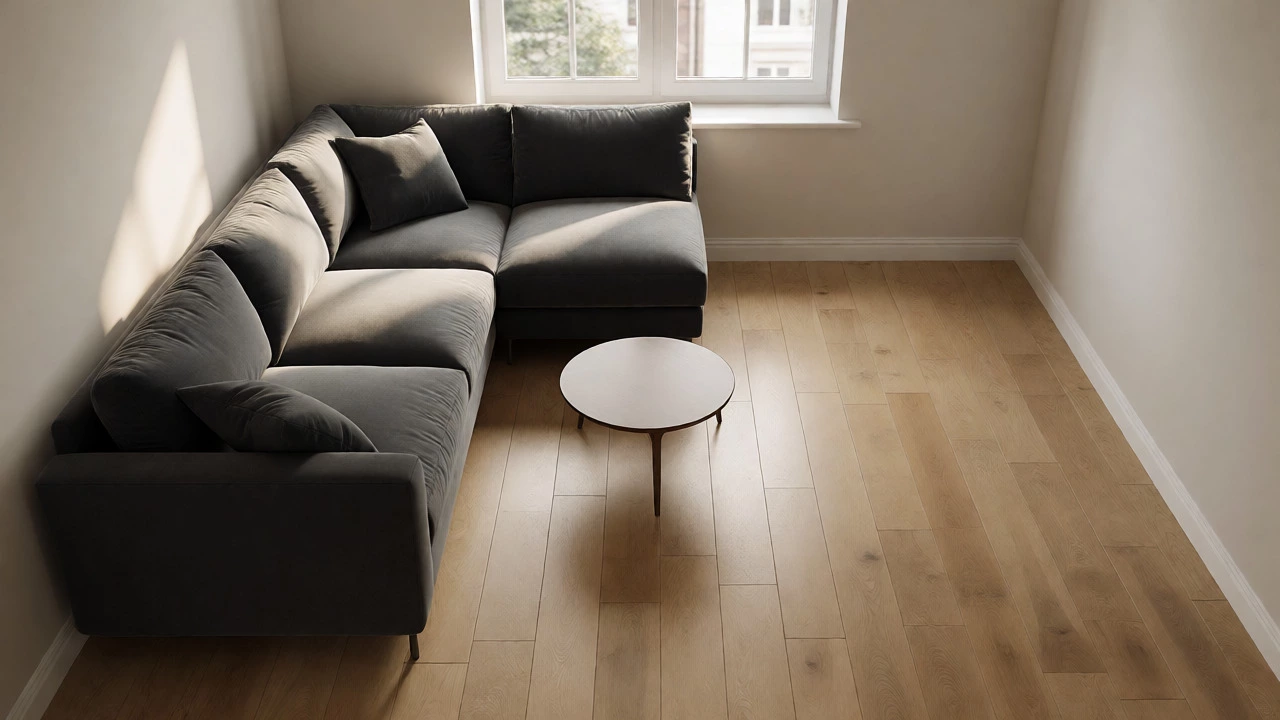
For most standard-sized rooms, especially those under 15x15 feet, keeping the corner sofa anchored against the walls is often the safest bet. Why? Because it maximizes floor area. When you hug the perimeter, you leave the center open for walking, playing with kids, or setting up a temporary workspace. This layout is particularly effective if your living room doubles as a hallway or entryway.
Think about energy efficiency too. In Canadian winters, heat rises and circulates. Placing your seating against external walls can sometimes expose you to cold drafts coming through poorly insulated windows or doors. However, if your internal walls are well-insulated, this setup keeps the main thoroughfare clear. It also simplifies cleaning. You don’t have to worry about crumbs rolling behind the sofa or vacuuming around four separate legs in the middle of the room. Just one side needs attention, and even then, it’s usually tucked tight enough that dust bunnies stay put.
- Maximizes Open Floor Space: Ideal for families with young children or pets who need room to roam.
- Simplifies Traffic Flow: Creates a clear path from the door to the kitchen or other rooms.
- Easier Maintenance: Less surface area exposed to foot traffic means fewer stains and less frequent deep cleaning.
When Floating the Sofa Makes More Sense
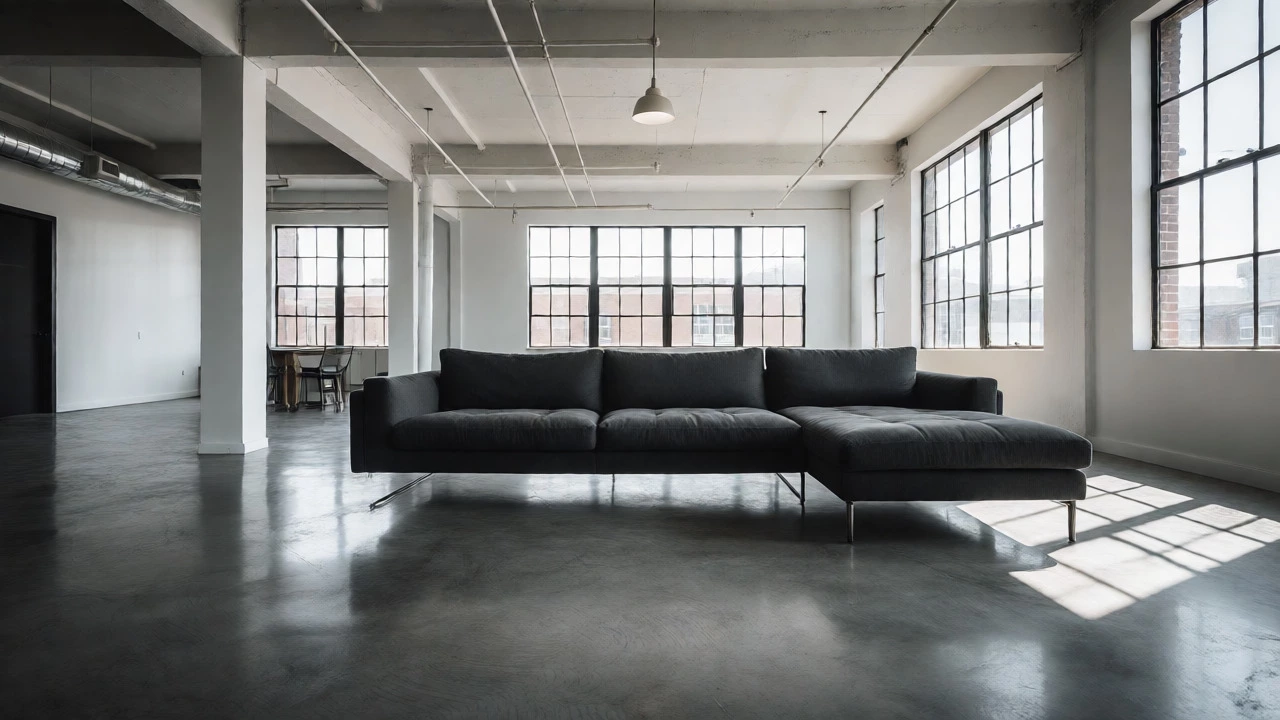
Now, let’s talk about the scenarios where pulling that sofa off the wall changes everything. If you have an open-concept home-which is incredibly common in newer builds in areas like Mississauga-pushing the sectional to the far wall can disconnect it from the rest of the living zone. It feels isolated, like the furniture was banished rather than placed.
Floating the sectional in the center of the room helps define zones without building walls. For example, you can use the back of the sofa to subtly separate the living area from the dining area. This creates a psychological boundary that feels natural and inviting. Plus, when the sofa isn’t stuck to the wall, you gain access to both sides. This is crucial for social settings. If you’re hosting guests, being able to walk around the sofa allows conversation to flow more naturally between people seated in different sections.
There’s also an aesthetic benefit. A floating sofa looks intentional. It suggests you designed the room, not just filled it. It allows light to bounce around the piece, preventing that dark shadow gap that forms between the upholstery and the paint. If you have beautiful flooring-hardwood, large-format tiles, or high-end laminate-floating the sofa shows it off instead of hiding it under the overhang.
Comparing Layout Strategies
To help you decide, let’s look at how these two approaches stack up against common living room challenges. This isn’t just about preference; it’s about functionality.
| Factor | Against the Wall | Floating (Center) |
|---|---|---|
| Small Rooms (<200 sq ft) | Best Option. Maximizes usable space. | Risky. Can make the room feel cramped. |
| Open Plan Areas | Poor. Disconnects the seating area. | Excellent. Defines zones clearly. |
| Traffic Flow | Clear paths along the perimeter. | Requires careful planning to avoid bottlenecks. |
| Visual Weight | Can feel heavy and bulky in corners. | Appears lighter and more balanced. |
| Cleaning Difficulty | Easy. Only one side accessible. | Moderate. All sides require maintenance. |
The "Wall Gap" Rule of Thumb
If you’re torn between the two extremes, there’s a happy medium. You don’t have to choose between jamming it flush against the plaster or putting it dead center. Often, leaving a small gap-about 6 to 8 inches-between the back of the sofa and the wall works wonders. This technique is called "breathing room."
Why bother with such a small gap? First, it prevents scuff marks on your paint. Second, it allows air to circulate, which reduces moisture buildup behind the cushions-a common issue in humid basements or older homes. Third, it makes the sofa look less like a storage unit shoved aside. From a visual perspective, that tiny sliver of floor visible behind the sofa tricks the eye into seeing more depth in the room.
However, be careful with this approach in very narrow rooms. If the total width of the room minus the sofa leaves less than 30 inches of walkway, skip the gap. Functionality beats aesthetics every time. You don’t want to squeeze past a coffee table while trying to reach the outlet behind the couch.
Practical Tips for Perfect Placement
Before you start dragging heavy furniture across your floors, take a moment to measure. Not just the sofa, but the pathways. Standard walkways should be at least 30 to 36 inches wide. Anything less feels claustrophobic. Here are a few specific checks to run through:
- Check the Power Outlets: Does the sofa block access to charging ports? If you plan to watch TV from the chaise lounge, ensure you can plug in devices without crawling under the seat.
- Consider the Rug Size: If you’re using a rug, the front legs of the sofa should ideally sit on it. If the sofa floats, all legs should be on the rug. If it’s against the wall, having just the front legs on adds stability and visual cohesion.
- Test the Sightlines: Sit in the main spot. Can you see the TV without twisting your neck? Can you see the door? A corner sofa should anchor the view, not obstruct it.
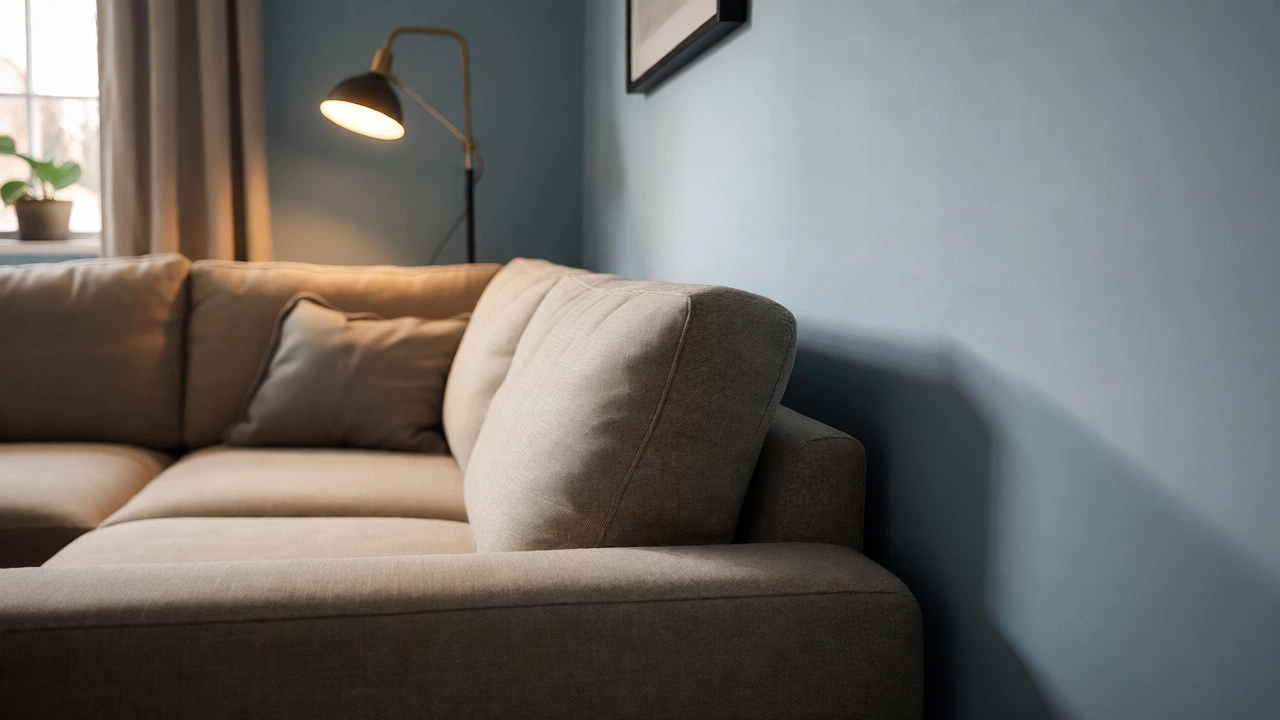
Another pro tip involves lighting. If you place the sofa against a wall, consider adding a floor lamp or sconce nearby. Corner sofas tend to cast shadows on themselves when tucked into corners, making them look darker than they are. Floating the sofa allows overhead lighting to hit it evenly, highlighting the fabric texture and color.
Common Mistakes to Avoid
One major error I see repeatedly is ignoring the shape of the room relative to the shape of the sofa. An L-shaped sectional assumes a rectangular footprint. If your room has odd angles, alcoves, or pillars, forcing the sofa into a corner might leave weird triangular gaps. These gaps become dust traps and visual clutter. In such cases, a modular sofa might be a better long-term investment, allowing you to reconfigure the shape to fit the architecture.
Also, don’t forget about the heating vents. In many Canadian homes, baseboard heaters or floor vents are located along exterior walls. Blocking these with a heavy sectional can reduce heating efficiency by up to 15%. Check your thermostat readings after moving the sofa. If the room takes longer to warm up, you’ve likely blocked airflow.
Finally, resist the urge to fill every empty wall with art just because the sofa moved. When you float a sofa, the wall behind it becomes a focal point. That’s your chance to hang a large mirror or a gallery wall. It draws the eye outward, expanding the perceived size of the room. Conversely, if the sofa is against the wall, keep the decor above it minimal so it doesn’t compete with the bulk of the furniture.
Does a corner sofa make a small room look bigger?
Not necessarily. While it utilizes corner space efficiently, its bulk can overwhelm a small room if placed incorrectly. To make a small room look bigger, choose a low-profile corner sofa with exposed legs and light-colored fabric. Placing it diagonally or slightly off-center can also help, provided there is enough clearance for movement.
How much space should be between a sofa and the wall?
Ideally, leave 6 to 8 inches of space if possible. This prevents paint damage, improves air circulation, and makes cleaning easier. If space is tight, placing it flush is acceptable, but use felt pads on the back frame to protect your walls from scratches.
Is it bad Feng Shui to put a sofa against the wall?
In Feng Shui, having a solid wall behind you provides support and security, which is generally considered positive. However, blocking energy flow (Chi) by cramming furniture into tight corners is negative. Ensure there is still some breathing room around the sofa to allow energy to move freely.
Can I put a corner sofa in the middle of the room?
Yes, absolutely. Floating a corner sofa works best in large, open-plan spaces. It helps define the living area distinct from dining or kitchen zones. Just ensure there is at least 30-36 inches of walkway around all sides for comfortable movement.
What is the best way to clean behind a corner sofa?
If the sofa is against the wall, slide it out periodically to vacuum the gap. Use a crevice tool for tight spots. If it floats, regular vacuuming of the surrounding floor suffices. Consider using furniture sliders to make moving heavy sections easier during cleaning days.