Electric Recliner Troubleshooter
Answer a few questions about your recliner's symptoms to get a diagnosis and repair cost estimate.
Step 1: Initial Response
When you press the control button, what happens?
Complete silence, no lights
Hears click but doesn't move
Motor sounds but stuck
Sometimes works, sometimes doesn't
Step 2: Power Check
Have you checked the power supply? (Plugged in correctly, outlet working, adapter intact)
Outlet works, adapter seems fine
Not sure or noticed something wrong
Step 3: Recent Usage
How was the recliner used before it stopped working?
Regular reclining/returning
Many cycles in short time
Coins, objects, or debris
No obvious cause
Step 4: Additional Symptoms
Select any additional symptoms you've noticed:
Motor area feels hot
Smells like burning plastic/electronics
Visible sparks or electrical sounds
Nothing unusual besides not working
Diagnosis Results
Your favorite electric recliner is a motorized seating solution designed for comfort and accessibility has suddenly stopped responding. You press the button, hear nothing but silence, or maybe just a faint click. It’s frustrating, especially when you’re looking forward to relaxing after a long day. Before you call a technician or consider buying a new chair, there are several common reasons why these chairs fail. Most issues are simple fixes that don’t require professional help.
The Power Supply: The First Place to Look
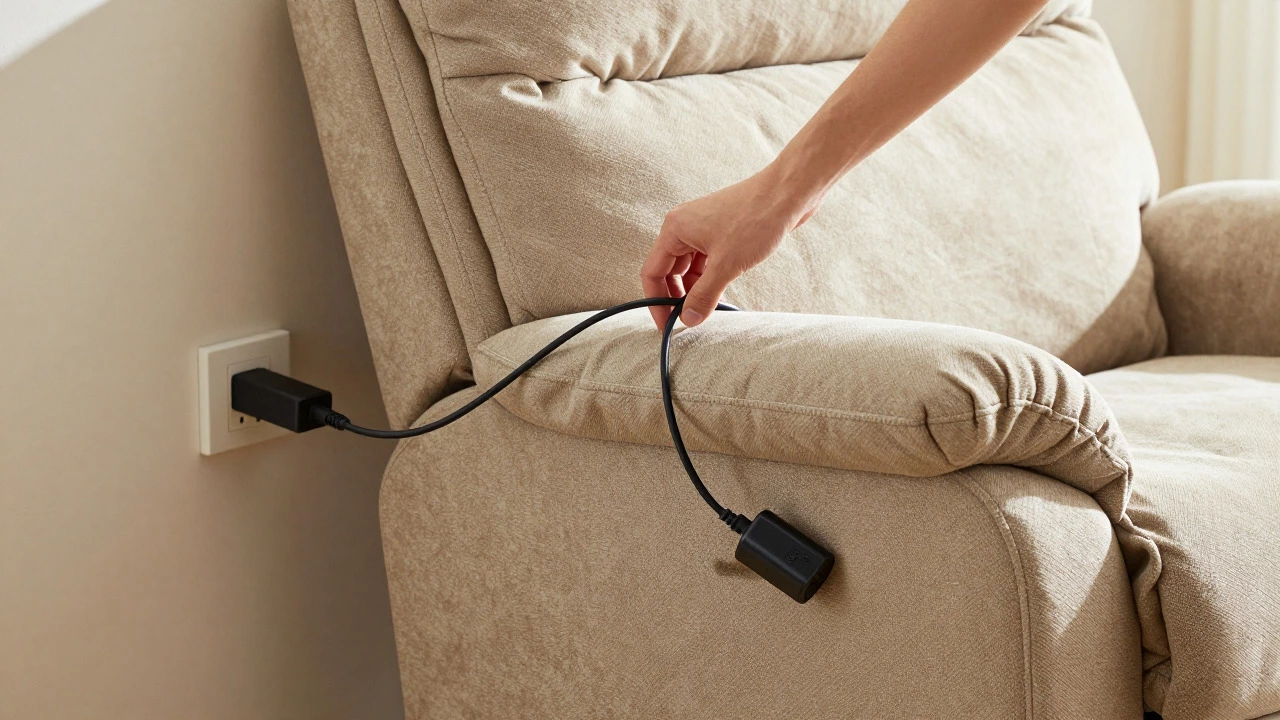
It sounds obvious, but the most frequent cause of an electric recliner stopping is a lack of power. Unlike manual recliners, these chairs rely entirely on electricity to move the mechanisms. If the chair isn’t plugged in correctly, or if the outlet itself is dead, the chair won’t work. Start by checking the plug at the wall. Sometimes, heavy furniture can pull the cord loose without you noticing. Try plugging another device, like a lamp, into the same outlet to verify it’s receiving power.
If the outlet works, inspect the power adapter. Many electric recliners use a low-voltage DC adapter (usually 12V or 24V) rather than a direct high-voltage connection. These adapters can fail over time due to heat buildup or internal component wear. Look for signs of damage on the cable, such as fraying or exposed wires. If you have a multimeter, you can check the output voltage of the adapter. If it reads significantly lower than the label indicates, replace the adapter. This is a cheap and easy fix that solves many problems.
Mechanical Obstructions and Jammed Gears
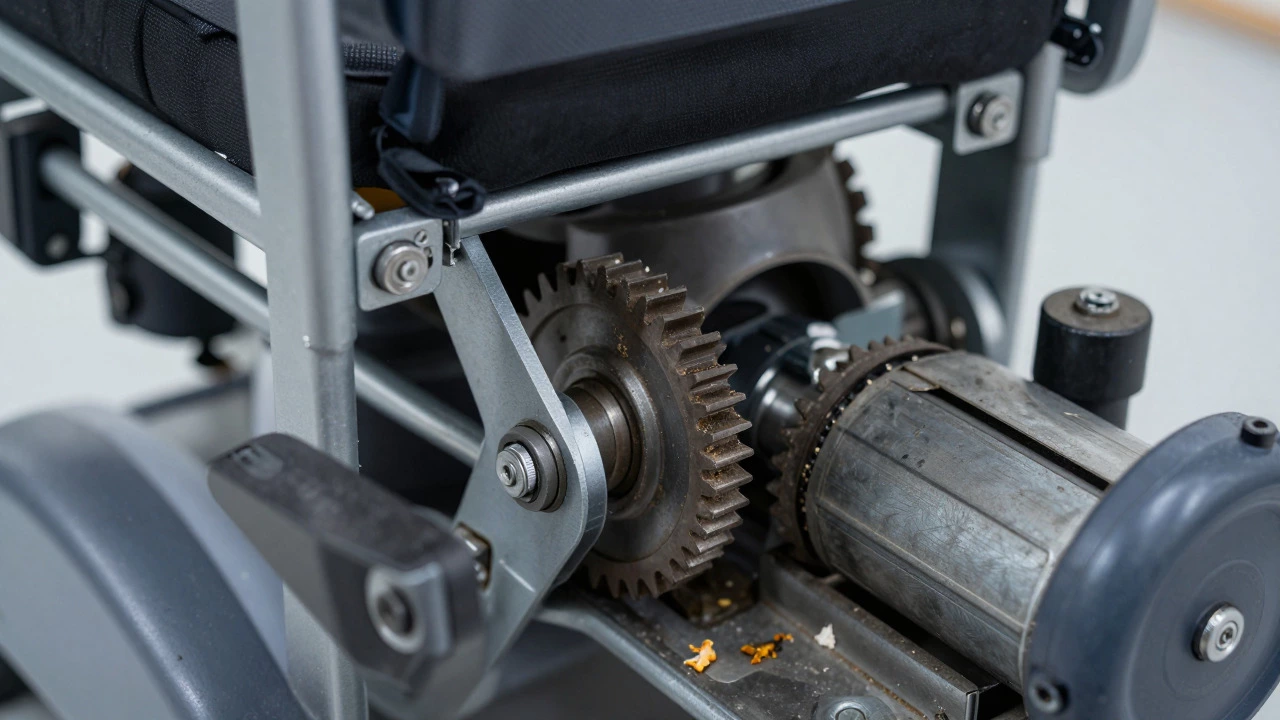
Electric recliners contain complex mechanical systems with gears, linkages, and motors. Over time, debris can get trapped in these moving parts. Small objects like coins, remote controls, or even crumbs from snacks can fall into the mechanism and jam the gears. When this happens, the motor may struggle to turn, causing it to overheat and shut down automatically as a safety precaution.
To check for obstructions, look under the seat cushion and around the base of the chair. Remove any visible debris carefully. If the chair feels stiff when you try to move it manually (if possible), there might be a deeper blockage. Listen closely when pressing the button. A grinding noise often indicates a gear issue. In some cases, lubricating the moving parts with a silicone-based lubricant can help, but avoid oil-based products that attract more dirt. If the gears are stripped, you may need to replace the motor assembly.
Motor Failure and Wear
The heart of an electric recliner is its motor. Most chairs use one or two small DC motors to drive the reclining mechanism. These motors are durable but not indestructible. Continuous use, especially with heavier users, can wear out the brushes inside the motor. When the brushes wear down, the motor loses power and eventually stops working altogether.
Symptoms of motor failure include a humming sound without movement, intermittent operation, or complete silence. If you’ve confirmed the power supply is good and there are no obstructions, the motor is likely the culprit. Motors are usually located near the base of the chair, attached to the linkage system. Replacing a motor requires some technical skill, but it’s a straightforward process if you follow the manufacturer’s instructions. You’ll need to disconnect the old motor, remove the mounting screws, and install the new one. Ensure the new motor matches the voltage and torque specifications of the original.
Control Panel and Wiring Issues
The control panel, whether it’s a handheld remote or a wired switch built into the armrest, sends signals to the motor. If the panel is damaged, the chair won’t receive the command to move. Common issues with control panels include broken buttons, worn-out contacts, or loose wiring. For wireless remotes, check the batteries first. Dead batteries are a surprisingly common reason for perceived malfunction.
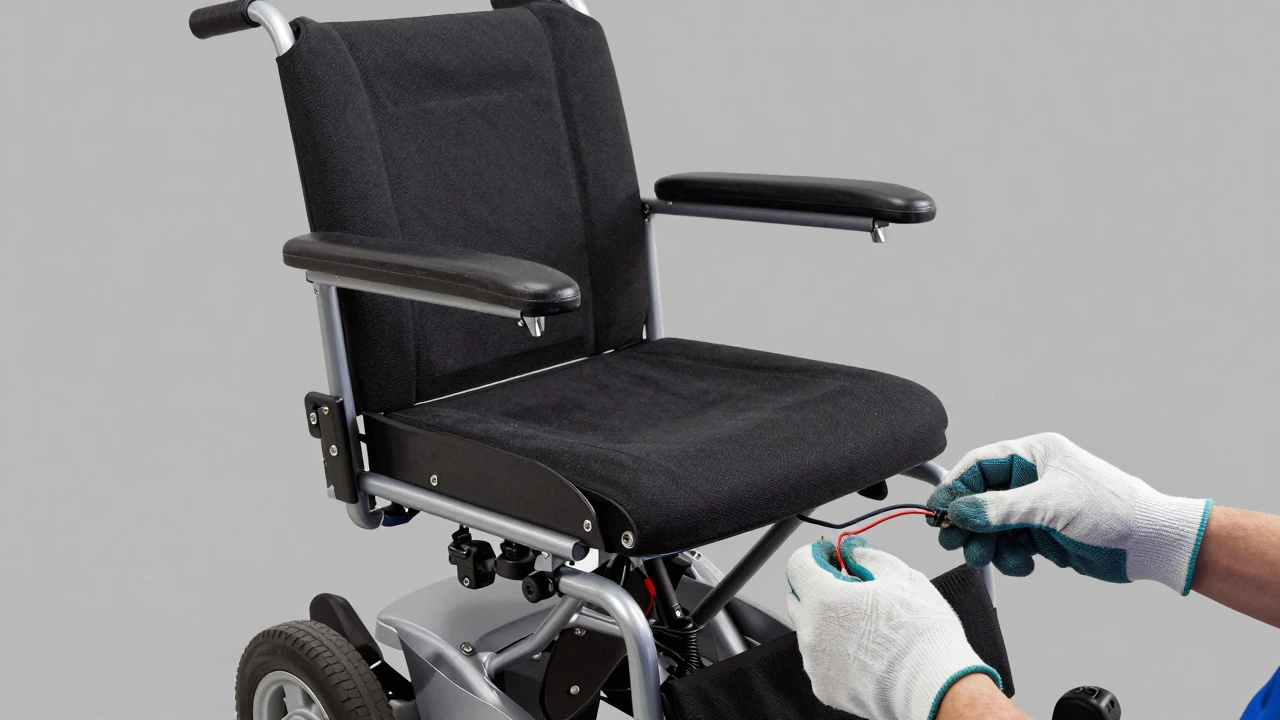
If the remote isn’t the issue, inspect the wiring harnesses. These cables run through the fabric and cushions of the chair, making them susceptible to pinching or cutting. Sit in the chair and move it through its full range of motion while observing the wires. If you see sparks or hear crackling sounds, unplug the chair immediately to avoid fire hazards. Damaged wires can often be repaired with electrical tape or soldering, but if the damage is extensive, replacing the entire wiring harness might be necessary.
| Issue | Symptoms | Solution |
|---|---|---|
| Power Adapter Failure | No response, no lights | Replace adapter |
| Jammed Mechanism | Grinding noise, stiffness | Remove debris, lubricate |
| Motor Burnout | Humming, heat, no movement | Replace motor |
| Wiring Damage | Intermittent function, sparks | Repair or replace wires |
| Control Panel Fault | Buttons unresponsive | Check batteries, replace panel |
Overheating Protection Trips
Modern electric recliners often come with thermal protection circuits. These circuits detect excessive heat in the motor or wiring and cut power to prevent damage or fire. This is a safety feature, but it can be confusing if you don’t know what triggered it. Overheating usually occurs after prolonged use, such as repeatedly reclining and returning the chair within a short period.
If your chair stops working after heavy use, let it cool down for 30 minutes to an hour. Then, try using it again gently. If the problem persists, there might be an underlying issue causing the overheating, such as a failing motor or poor ventilation. Ensure the area around the motor is clear of dust and fabric that could trap heat. Regular maintenance, including cleaning the vents and checking for loose connections, can prevent overheating issues.
When to Call a Professional
While many electric recliner issues can be fixed at home, some problems require professional expertise. If you’re uncomfortable working with electricity or mechanical parts, it’s best to hire a technician. Signs that you need professional help include:
- Burning smells coming from the chair
- Visible smoke or sparks
- Complex electronic failures involving circuit boards
- Structural damage to the frame or linkage
Professional repair services can diagnose issues quickly and provide warranty-covered repairs if applicable. They also have access to specialized tools and replacement parts that might be hard to find online.
Maintenance Tips to Prevent Future Problems
Preventive maintenance can extend the life of your electric recliner and reduce the likelihood of breakdowns. Here are some simple steps you can take:
- Clean regularly: Vacuum the crevices and under the seat to remove debris that could jam the mechanism.
- Check connections: Periodically inspect the power cord and plugs for signs of wear.
- Avoid overuse: Give the motor time to cool down between uses, especially if you recline frequently.
- Lubricate moving parts: Apply silicone lubricant to gears and linkages annually to ensure smooth operation.
- Follow weight limits: Exceeding the recommended weight capacity can strain the motor and gears.
By staying proactive, you can keep your electric recliner in top condition for years. Remember, most failures are minor and fixable with a bit of patience and the right approach.
How do I know if my electric recliner motor is bad?
A bad motor typically exhibits symptoms like humming without movement, excessive heat, or burning smells. If the chair works intermittently or makes grinding noises, the motor brushes may be worn out. Testing the motor with a multimeter can confirm if it’s receiving power but failing to operate.
Can I fix an electric recliner myself?
Yes, many issues like power adapter failure, jammed mechanisms, or loose wiring can be fixed DIY. However, if you’re not comfortable with electrical work or mechanical disassembly, hiring a professional is safer and more efficient.
What should I do if my recliner clicks but doesn’t move?
A clicking sound often indicates a solenoid engaging but the motor not turning. Check for obstructions in the mechanism, ensure the power supply is stable, and inspect the motor for signs of wear. If the issue persists, the motor or gear assembly may need replacement.
How much does it cost to repair an electric recliner?
Repair costs vary depending on the issue. Replacing a power adapter is inexpensive ($20-$50). Motor replacements can range from $100 to $300, including labor. Complex electronic repairs or structural fixes may cost more. Always compare repair costs against the price of a new chair.
Why does my electric recliner only work sometimes?
Intermittent operation is often caused by loose wiring, failing motor brushes, or a weak power adapter. Check all connections and test the adapter output. If the problem continues, inspect the internal wiring for cuts or corrosion that disrupt the signal.