Sofa Selector Guide
Answer three simple questions to find the sofa type that fits your life best.
Sofa Name
Short description
Why This Fits You
Key Considerations
You walk into a furniture store, or scroll through endless pages online, and suddenly you are drowning in options. Sectionals, chesterfields, mid-century modern, recliners, sleeper sofas. It is overwhelming. You want comfort, sure, but you also need it to fit your living room without making the space feel cramped. So, which type of sofa is actually best? The honest answer is that there is no single winner. The "best" sofa depends entirely on how you live, who lives with you, and what your space can handle.
Think about your last three weekends. Did you spend them hosting friends for movie nights? Or did you curl up alone with a book? Maybe you have kids jumping off cushions or pets shedding fur everywhere. Your lifestyle dictates the design far more than current trends do. This guide breaks down the main sofa categories, compares their pros and cons, and helps you match specific features to your daily habits so you stop guessing and start choosing with confidence.
Understanding the Main Sofa Categories
Before you worry about fabric or color, you need to pick the right shape. Most sofas fall into four primary structural categories: standard sofas, sectionals, loveseats, and specialty units like sleepers or recliners. Each serves a different spatial and functional purpose.
A Standard Sofa is a traditional upholstered seating unit typically designed to seat three people, featuring a backrest and armrests. These are the workhorses of living rooms. They offer a balanced footprint, providing enough seating for a small family or a couple plus guests without dominating the entire floor plan. If your room is rectangular and you want a focal point that doesn't block sightlines, this is often the safest bet.
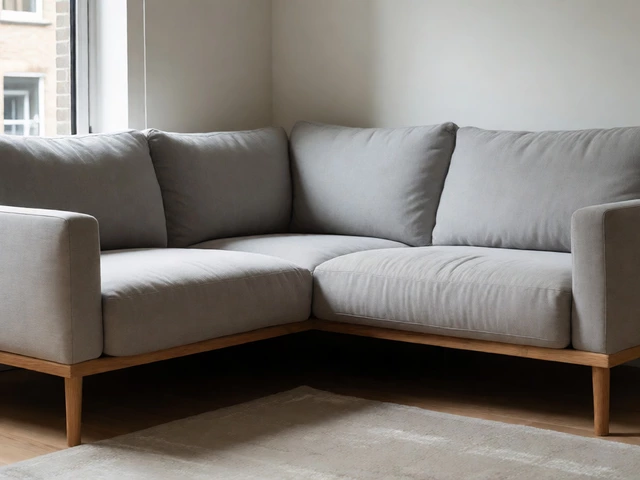
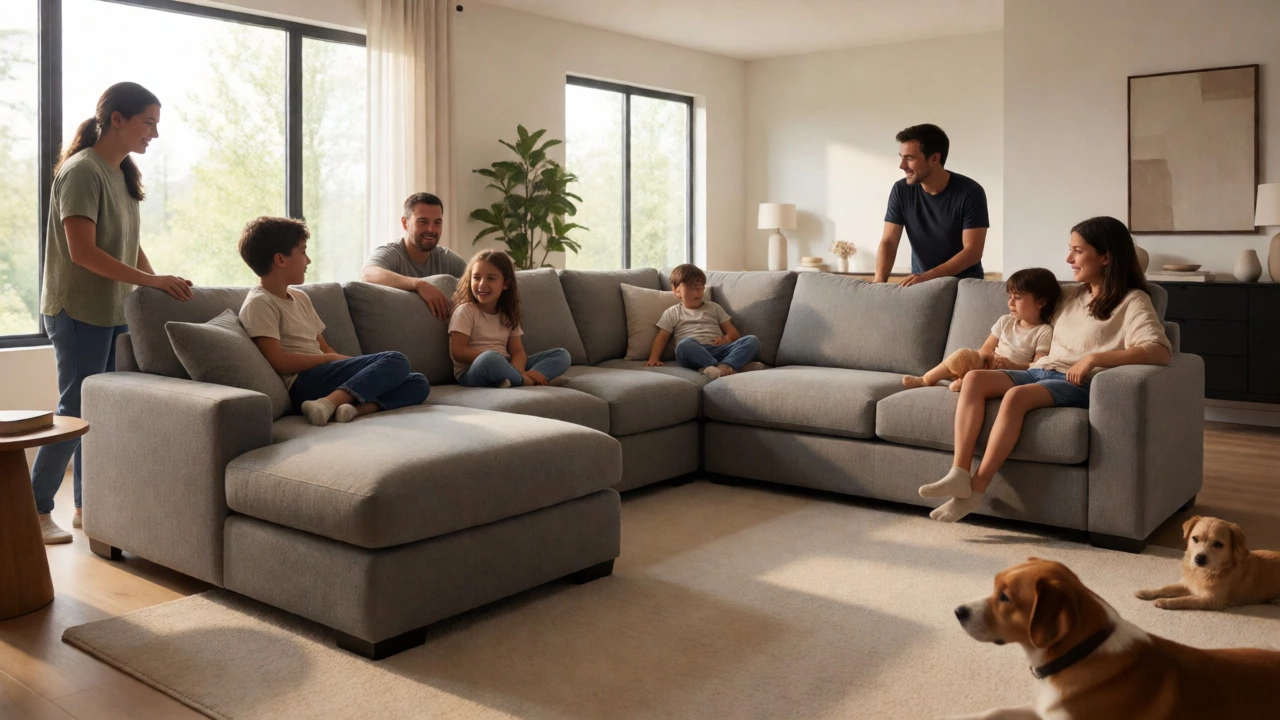
In contrast, a Sectional Sofa is a modular seating arrangement consisting of multiple pieces connected to form an L-shape or U-shape configuration. Sectionals are fantastic for large families or open-concept homes where you want to define a seating zone. However, they require significant square footage. If you try to squeeze a large sectional into a tight apartment, you will end up walking sideways to get to the kitchen. Always measure twice before committing to an L-shape.
For smaller spaces, the Loveseat is a compact sofa designed to accommodate two people, offering a cozy alternative to larger seating units. Don't dismiss these as just "small sofas." High-quality loveseats can be incredibly luxurious. They are perfect for reading nooks, home offices, or apartments where every inch counts. Pairing a loveseat with a comfortable accent chair often provides better flow than forcing a full-sized couch into a corner.
Matching Sofa Types to Your Lifestyle
Once you know the shape, consider the function. Do you prioritize relaxation, durability, or versatility? Here is how common scenarios map to specific sofa types.
If you have young children or active pets, durability is non-negotiable. You need a frame that withstands jumping and upholstery that hides stains. In this case, a Recliner Sofa or a sturdy Leather Sofa might be ideal. Recliners offer mechanical comfort, allowing you to extend footrests and lean back. Modern power recliners even include USB ports and storage consoles. Leather, particularly top-grain leather, ages well and wipes clean easily, unlike delicate fabrics that trap pet hair.
Conversely, if you host frequently, you need seating capacity. A Modular Sofa allows you to rearrange components based on guest count. Need extra seats for game night? Add an ottoman or a chaise. Want a cozy setup for movie watching? Push everything together. Modular systems give you control over the layout, adapting to social needs rather than locking you into one static arrangement.
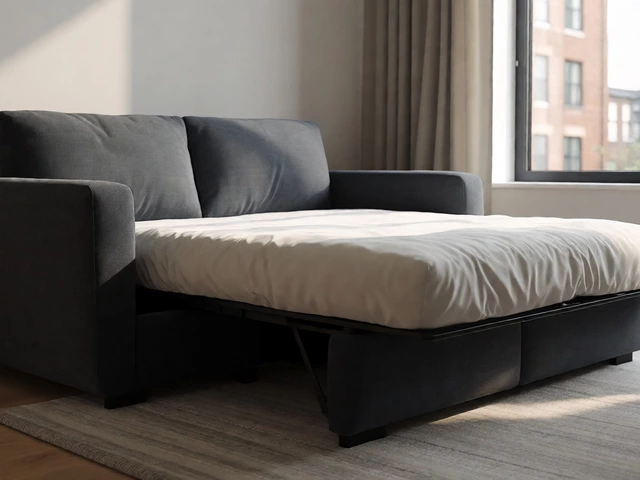
For those living in studio apartments or needing occasional guest accommodation, the Sleeper Sofa is a convertible piece of furniture that transforms from a daytime couch into a bed for overnight guests. Gone are the days of lumpy pull-out mattresses. Modern click-clack mechanisms and memory foam hybrids make today's sleepers surprisingly comfortable for daily use. Just ensure the mechanism operates smoothly; nothing ruins a dinner party faster than a stuck hinge.

Comparing Key Sofa Attributes
To help you visualize the trade-offs, here is a breakdown of the most common sofa types against critical decision factors like space requirement, comfort level, and maintenance effort.
| Sofa Type | Best For | Space Needed | Maintenance Level | Comfort Priority |
|---|---|---|---|---|
| Standard Sofa | General living rooms, couples, small families | Moderate (6-8 feet width) | Medium (depends on fabric) | Balanced support |
| Sectional | Large families, movie buffs, open plans | High (requires corner space) | Medium-High (more surface area) | High lounging capability |
| Loveseat | Small apartments, bedrooms, reading corners | Low (4-5 feet width) | Low-Medium | Intimate, cozy seating |
| Recliner | Nap lovers, TV watchers, elderly users | Moderate-High (needs clearance) | Medium (mechanical parts) | Maximum relaxation |
| Sleeper | Guest rooms, studios, frequent hosts | Moderate (plus bed length) | High (mattress care) | Versatile (day/night) |
The Role of Frame and Cushion Construction
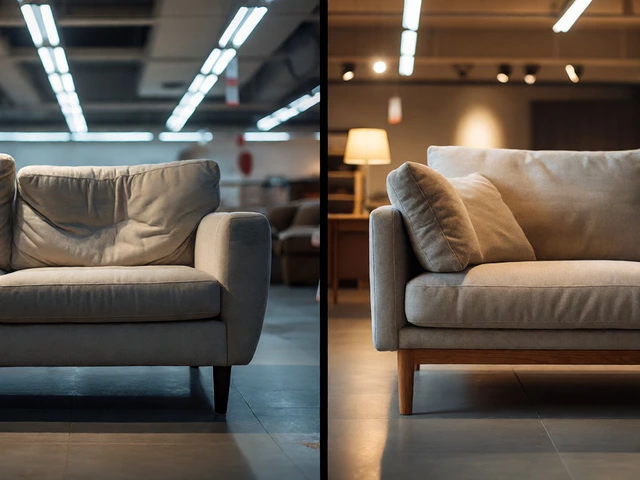
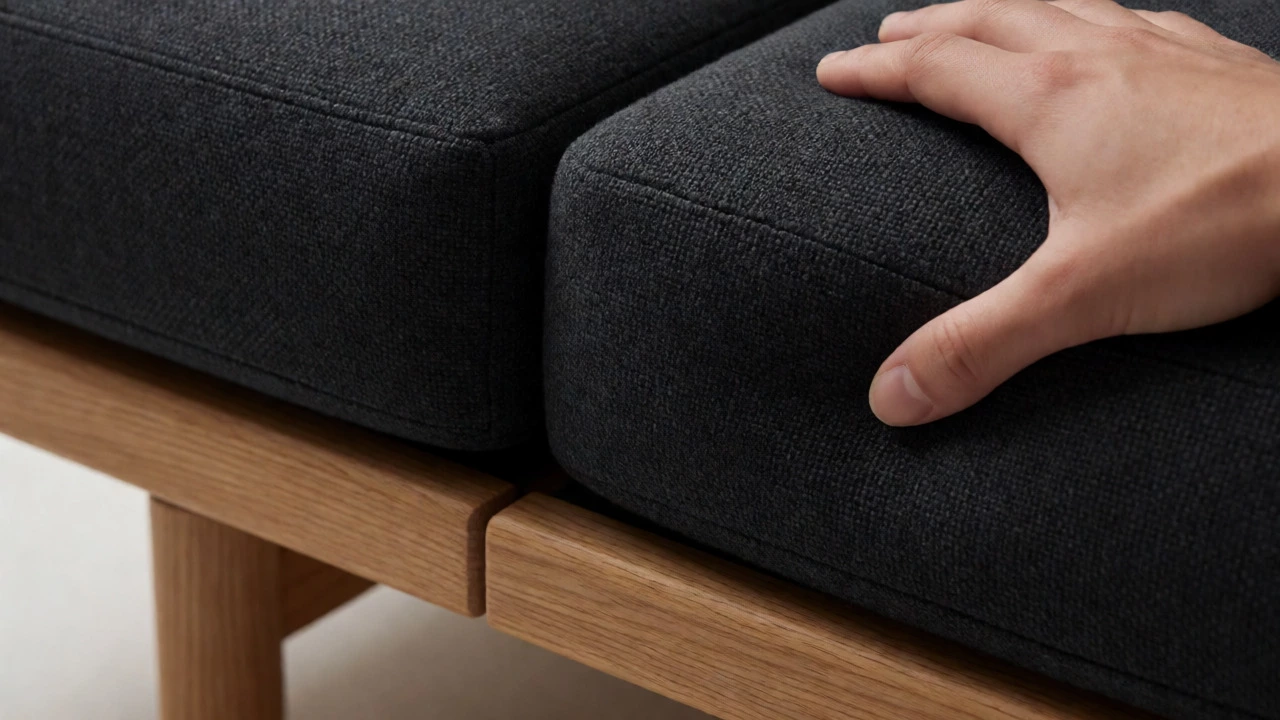
It is not just about the shape. How the sofa is built determines whether it lasts five years or fifteen. When testing sofas in-store, lift one arm. If the opposite side lifts too, the frame is likely weak plywood. A high-quality sofa uses kiln-dried hardwood frames, such as oak or maple, joined with dowels and screws. Avoid particleboard if you want longevity.
Cushions matter just as much. Foam density is a key indicator of quality. Low-density foam sags within months, while high-resilience foam retains its shape for years. Many premium sofas use a hybrid approach: a core of high-density foam wrapped in a layer of down or feather. This gives you the structure of foam with the soft, sinking feeling of luxury. If you prefer firm support, look for all-foam constructions with a higher ILD (Indentation Load Deflection) rating.
Consider the suspension system too. Eight-way hand-tied springs are the gold standard for durability and bounce. Sinuous springs (S-shaped metal wires) are cheaper and common in mid-range sofas. While acceptable for light use, they may squeak or sag over time under heavy weight. If you plan to sit on your sofa for hours daily, invest in better suspension.
Fabric Choices and Maintenance Realities
Your choice of upholstery affects both aesthetics and practicality. Performance fabrics have revolutionized the industry. Brands like Crypton or Sunbrella treat fibers to resist stains, moisture, and UV fading. These are excellent for households with accidents-prone toddlers or sun-drenched windows.
Natural materials offer different benefits. Linen breathes well and feels cool, making it great for warmer climates, but it wrinkles easily and shows water spots. Velvet adds depth and texture, hiding scratches from cat claws surprisingly well, though it can attract lint. Microfiber is a budget-friendly option that mimics suede and cleans easily with mild soap.
Color strategy plays a role here too. Darker colors hide stains better, but show dust and pet hair prominently. Light neutrals brighten a room but require regular vacuuming. Patterned fabrics are the ultimate cheat code-they camouflage wear and tear effectively. If you are indecisive, choose a neutral base and add personality through throw pillows, which are cheap to replace when stained.
Practical Tips Before You Buy
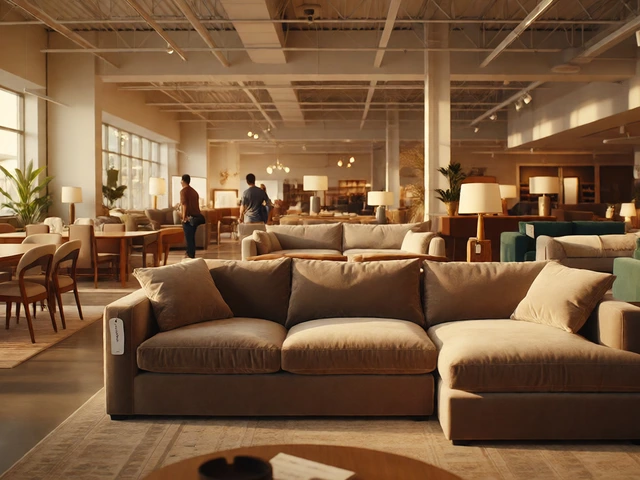
Don't just rely on online photos. Visit stores whenever possible. Sit on the sofa for at least ten minutes. Does it support your lower back? Can you stand up easily? Check the arm height-low arms allow you to drape a blanket or rest your laptop comfortably, while high arms provide better neck support for sleeping.
- Measure your pathways: Ensure the sofa fits through doorways and stairwells. Delivery issues are common with large sectionals.
- Test the noise: Shake the sofa gently. Creaking wood indicates poor joinery.
- Check return policies: Furniture returns are expensive. Know the restocking fees before signing.
- Consider leg style: Raised legs make cleaning underneath easier with robot vacuums, a huge plus for pet owners.
Remember, the best sofa is the one you will actually enjoy using. Prioritize comfort and durability over fleeting trends. A well-chosen sofa becomes the heart of your home, supporting conversations, naps, and memories for years to come.
Is a sectional sofa worth the extra cost?
A sectional is worth the investment if you have a large family, entertain frequently, or have an open-plan living area. The added seating capacity and ability to create distinct zones usually justify the price difference compared to a standard sofa. However, if you move often or have small rooms, the bulkiness may outweigh the benefits.
What is the most durable sofa fabric for pets?
Performance fabrics like Crypton or tightly woven microfibers are generally the most durable for pets. Top-grain leather is also excellent because it resists scratching and is easy to wipe clean. Avoid loose-weave fabrics like linen or velvet if you have dogs that dig or cats that scratch aggressively.
How do I know if a sofa cushion is high quality?
Look for high-density foam cores, indicated by labels stating "high resilience" or specific density ratings (1.8 lbs/cu ft or higher). Press firmly on the cushion; it should spring back quickly without leaving a permanent dent. Hybrid cushions with foam wrapped in down offer the best balance of support and luxury, though they require fluffing.
Can I put a sleeper sofa in my living room?
Absolutely. Modern sleeper sofas are designed to look like stylish couches, not bulky beds. They are ideal for living rooms that double as guest rooms. Just ensure you have enough clearance in front of the sofa for the mattress to unfold fully without hitting coffee tables or rugs.
Are reclining sofas bad for your back?
Not necessarily. High-quality recliners with good lumbar support can actually relieve back pressure by allowing you to elevate your legs and align your spine. Poorly made recliners with insufficient support can cause slouching. Look for models with adjustable headrests and firm lower-back support to maintain posture.