Japanese Bedding Selector
Confused about Japanese bedding? Answer these three quick questions to find out exactly what you need for your sleeping setup.
Recommendation
Why this recommendation?
You walk into a store or browse online, see "Japanese Futon," and assume you know what it is. Then you hit terms like shikibuton and kakebuton, and suddenly you are confused. Are they the same thing? Do you need both? Can you use one without the other?
If you are trying to set up a sleeping space that mimics traditional Japanese style, or if you just want a flexible bed solution for a small apartment in Mississauga, understanding these two items is critical. They serve completely different purposes. Mixing them up leads to uncomfortable nights and wasted money. Let’s clear this up so you can sleep soundly.
The Core Difference: Mattress vs. Blanket
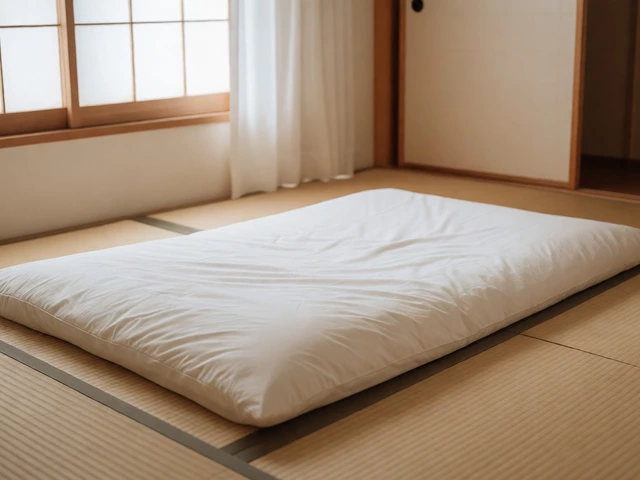
Here is the simplest way to remember the difference: The shikibuton is the mattress you sleep on. It goes on the floor. The kakebuton is the comforter or duvet you pull over yourself. It provides warmth.
In Western bedding terms, think of the shikibuton as your box spring and mattress combined (though thinner), and the kakebuton as your heavy winter comforter. You never sleep directly on the kakebuton, and you never use the shikibuton as a blanket. Using them interchangeably will result in either freezing cold legs or a backache from lying on a fluffy blanket.
Deep Dive: What Exactly Is a Shikibuton?
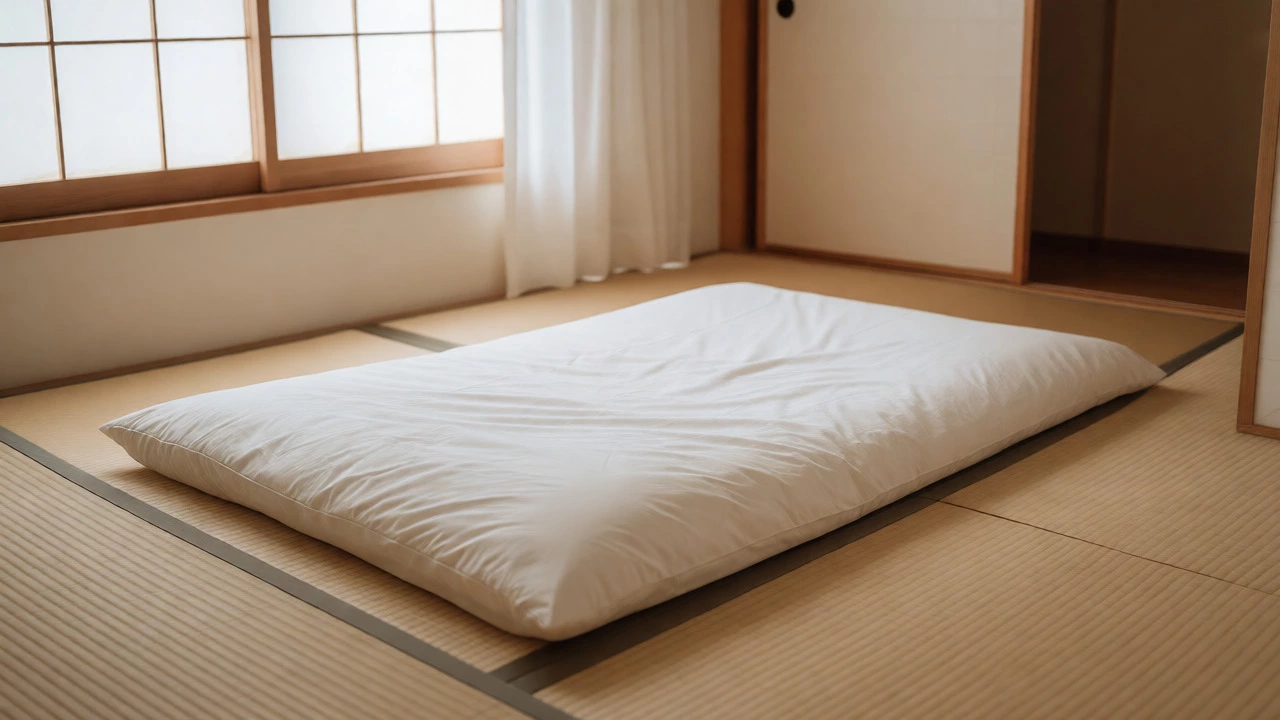
The shikibuton is a thin, firm mattress designed to be placed directly on the tatami mat floor or a low platform. Traditional versions were stuffed with cotton, but modern ones often use foam or polyester blends for better durability and easier cleaning.
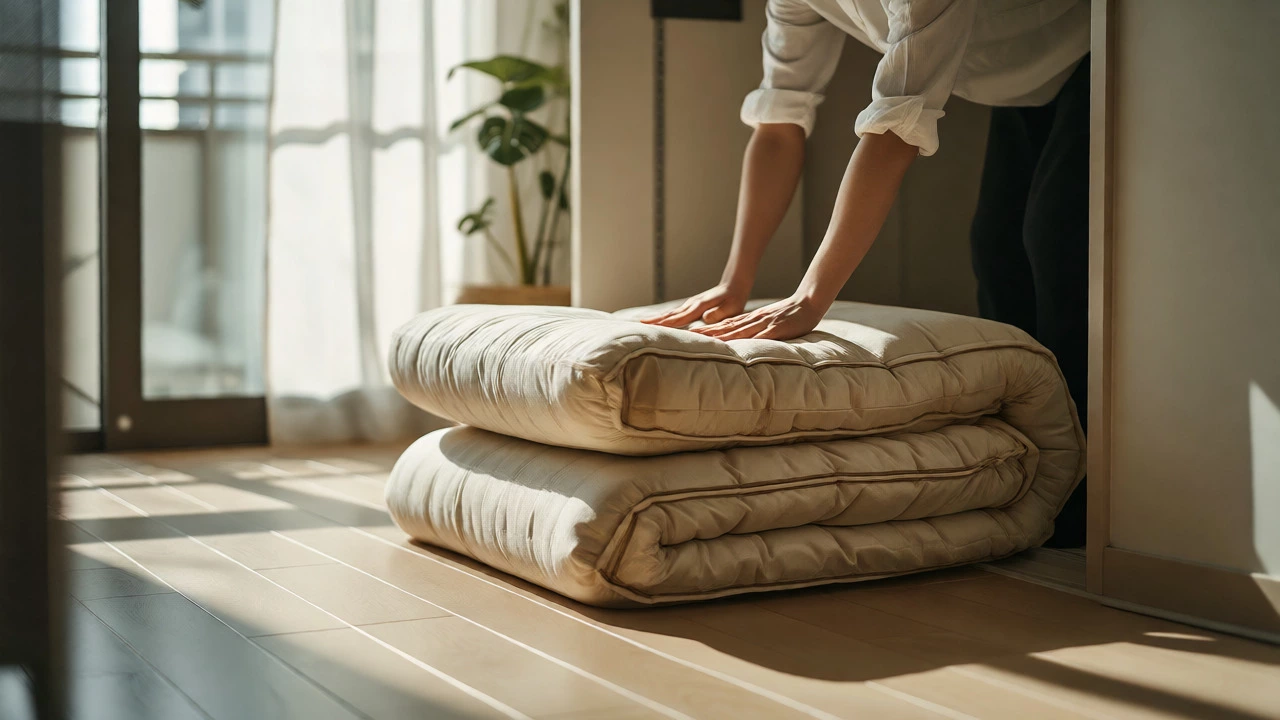
Why do people choose this? Space saving. When you wake up, you fold the shikibuton and put it in a closet. Your bedroom becomes a living room. This is huge for urban dwellers in cities like Toronto or Vancouver where square footage costs a premium.
However, there is a catch. A shikibuton is not thick. If you place it directly on hardwood or tile floors, you will feel every crack and cold spot. It is designed for tatami mats, which provide insulation and cushioning. If you don't have tatami, you need a base layer-like a yoga mat or a specific under-mat-to prevent moisture buildup and add comfort.
Deep Dive: What Exactly Is a Kakebuton?
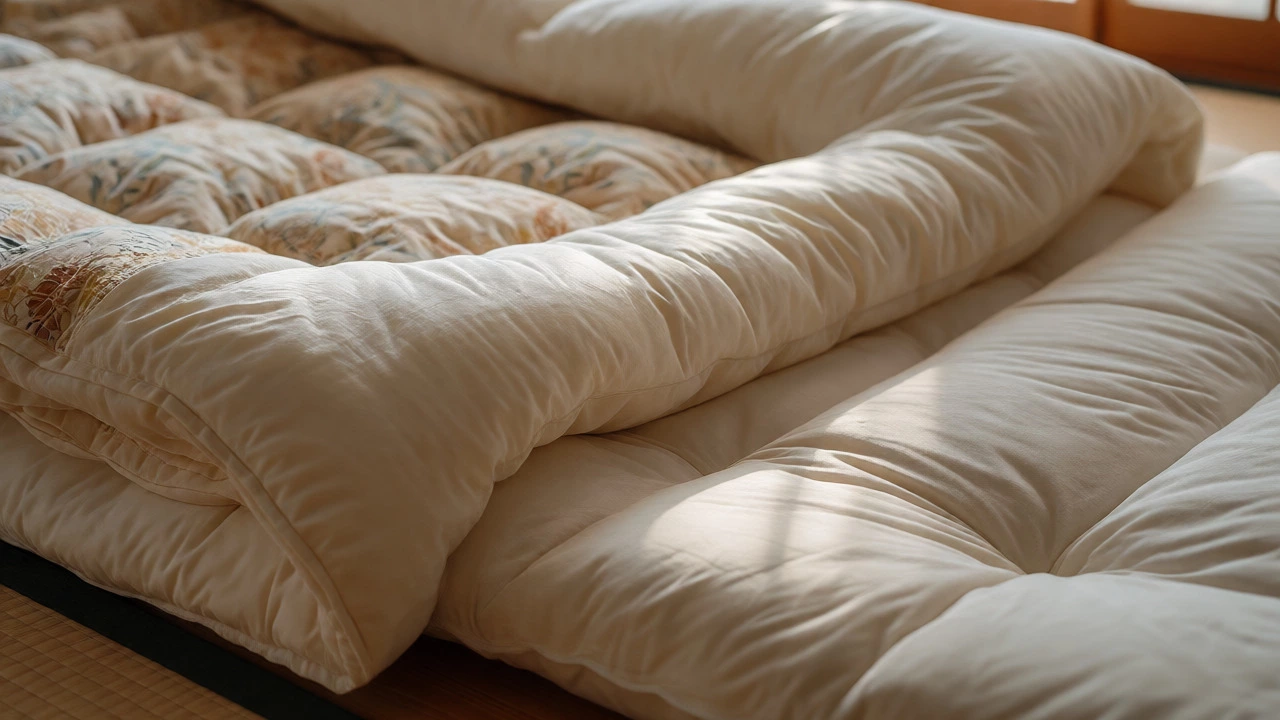
The kakebuton is essentially a thick, warm quilted comforter. In Japan, it is standard practice to layer kakebutons depending on the season. One might be light for summer; three might be stacked for winter.
Unlike Western duvets, kakebutons are rarely used inside a duvet cover. They are often sold as standalone pieces with decorative outer fabric. Because they are meant to be folded and stored daily, they are lighter than typical American comforters. This makes them easier to manage but less insulating on their own in very cold climates unless layered properly.
Can You Use Them Separately?
Yes, and many people do exactly that. You do not need to buy them as a set. Here is how you can mix and match:
- Use only the shikibuton: If you live in a hot climate or have a heated floor, you might skip the kakebuton entirely and just use a thin sheet or a light throw.
- Use only the kakebuton: Some people use a kakebuton on top of a regular Western bed frame instead of a standard comforter. It works well because it is breathable and lightweight.
- Combine them: This is the traditional setup. The shikibuton supports your body; the kakebuton keeps you warm.
A common mistake I see is people buying a "futon set" that includes a shikibuton and a kakebuton, then trying to use the kakebuton as a mattress pad. Don’t do it. It will bunch up, slide around, and offer zero support.
Material Matters: Cotton, Foam, and Polyester
The materials inside these bedding items affect longevity and comfort significantly. Since we are talking about items that touch your skin all night, quality matters.
| Material | Best For | Pros | Cons |
|---|---|---|---|
| Cotton | Traditionalists, Breathability | Natural, hypoallergenic, absorbs moisture | Flattens over time, requires frequent airing out |
| Memory Foam | Pain Relief, Modern Homes | Contours to body, durable, good for hard floors | Retains heat, heavier to fold |
| Polyester Blend | Budget Buyers, Easy Care | Cheap, machine washable, quick drying | Less breathable, can feel synthetic/clammy |
| Wool | Cold Climates, Warmth | Excellent insulation, temperature regulating | Expensive, requires special cleaning |
For a shikibuton, memory foam has become popular in North America because our floors are harder than traditional tatami. A pure cotton shikibuton will flatten within a year if used on concrete. Wool is fantastic for kakebutons in Canadian winters because it traps heat without feeling heavy.
Storage and Maintenance Tips
The biggest selling point of this system is storage. But here is the reality: folding a damp shikibuton leads to mold. Always air it out before putting it away. In humid months, hang it outside or near an open window. UV light kills bacteria.
When storing, avoid plastic bins. Plastic traps moisture. Use canvas bags or breathable storage boxes. If you stack multiple shikibutons, ensure they are completely dry. Otherwise, you will open that closet six months later to find mildew.
For the kakebuton, fluffing it daily helps maintain loft. Unlike down comforters that clump, kakebutons tend to stay uniform, but shaking them out restores their shape after being folded tight.
Who Should Buy Which?
If you are renting a studio apartment and need your bed to disappear during the day, get a high-quality shikibuton. Pair it with a simple fitted sheet. Add a kakebuton only if your heating bill scares you.
If you already have a bed frame but hate bulky comforters, swap your current bedding for a kakebuton. It feels lighter and allows more airflow. Just make sure your mattress is comfortable enough on its own, since the kakebuton adds no support.
Parents looking for kids' rooms often love this combo. Kids spill things. A shikibuton can sometimes be spot-cleaned or aired out easily. A kakebuton is easy to toss in a large commercial washer (check the label first!). It teaches kids responsibility too-they have to fold their bed every morning.
Frequently Asked Questions
Do I need a tatami mat to use a shikibuton?
Not strictly, but it is highly recommended. Tatami mats provide ventilation underneath the mattress, preventing mold and adding slight cushioning. If you place a shikibuton directly on hardwood or carpet, consider using a slatted bed base or a breathable under-mat to improve airflow and comfort.
Is a shikibuton bad for your back?
It depends on the person. Many people find firm, flat surfaces good for spinal alignment. However, side sleepers or those with hip pain may find a thin shikibuton too hard, especially on a solid floor. Adding a topper or choosing a memory foam shikibuton can alleviate pressure points.
Can I wash my kakebuton at home?
Check the care label. Synthetic kakebutons are often machine washable in large front-loaders. Cotton or wool versions usually require professional cleaning or careful hand washing. Never tumble dry high-heat wool or cotton as it may shrink or damage the fibers.
What is the difference between a shikibuton and a Western futon?
A Western futon is typically a thick, sofa-like piece of furniture made of cotton batting and foam, often used on a wooden frame. A shikibuton is a thin, portable mattress designed for floor sleeping. They are structurally and functionally very different despite sharing the word "futon."
How long does a shikibuton last?
With proper care, including regular airing out and rotating, a high-quality shikibuton can last 5 to 10 years. Cheaper foam models may lose support in 2 to 3 years. Signs it is time to replace include permanent dips or lumps that don't bounce back.