Garden Furniture Protection Planner
Answer three quick questions about your furniture to get a personalized protection plan with recommended finishes, maintenance schedule, and expert tips.
Step 1: What type of wood is your furniture?
Teak
Premium hardwood with natural oils. Dense grain, golden-brown color.
Cedar / Redwood
Natural decay resistance with aromatic oils. Light reddish color.
Pine / Fir
Softwood that absorbs water quickly. Requires regular treatment.
Pressure-Treated
Chemically treated softwood. Greenish tint initially.
Other / Unknown
Not sure what wood it is or other hardwood species.
Recommended Finish
Your Maintenance Schedule
Expert Tips for Your Situation
Preparation Checklist Before Applying Finish
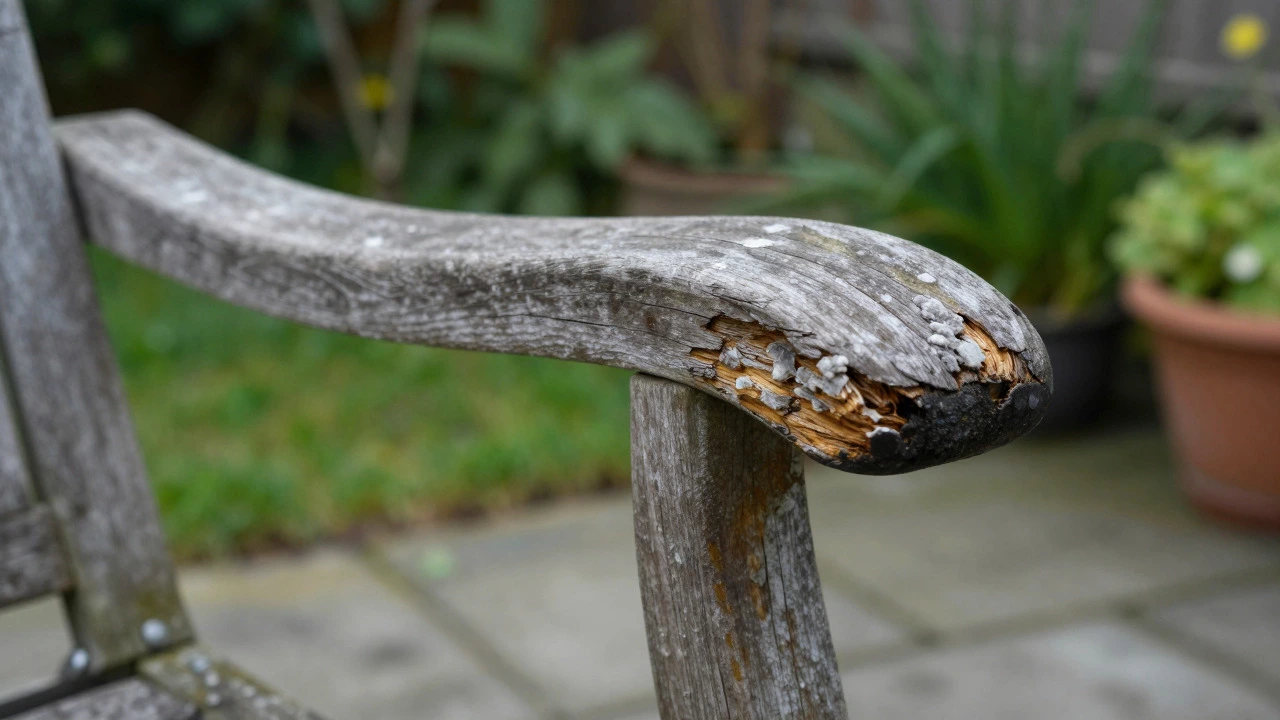
Nothing ruins a summer evening faster than discovering that your favorite patio chair has turned soft, gray, and crumbly. Wood rot is the silent killer of outdoor living spaces. It starts small-a slight discoloration on an armrest or a damp spot under a cushion-and spreads quickly if you ignore it. But here is the good news: rot is almost entirely preventable. You do not need to be a carpenter to save your investment. With the right materials and a few simple habits, you can keep your garden furniture looking fresh for years, even through harsh Canadian winters.
Understanding Why Wood Rot Happens
To stop rot, you first need to know what causes it. Rot is not just water damage; it is a biological process. Fungi, specifically brown rot fungi, feed on the cellulose in wood. They need three things to survive: oxygen, warmth, and moisture. If you remove one of these elements, the fungi die, and the rot stops. The biggest enemy is moisture. When wood absorbs more water than it can release, it stays damp for too long, creating a perfect breeding ground for decay.
Different woods react differently to this threat. Softwoods like pine are porous and absorb water quickly, making them highly susceptible to rot without treatment. Hardwoods like teak contain natural oils that repel water, giving them a significant advantage. However, even teak will eventually turn silver-gray and crack if left completely neglected. Understanding your material is the first step in choosing the right protection strategy.
Choosing the Right Protective Finish
The most effective way to block moisture is by applying a protective barrier. There are several types of finishes available, each with pros and cons. Choosing the wrong one can actually trap moisture inside the wood, accelerating the rot process.
| Finish Type | Best For | Durability | Maintenance Frequency |
|---|---|---|---|
| Penetrating Oil | Teak, Cedar, Redwood | Medium (6-12 months) | Annual application |
| Semitransparent Stain | Pine, Fir, Pressure-Treated Wood | High (2-3 years) | Every 2-3 years |
| Solid Color Stain | Older wood needing hiding | Very High (3-5 years) | Every 3-5 years |
| Exterior Polyurethane | Fine furniture pieces | Low-Medium (peels over time) | Recoat when peeling starts |
Penetrating oil is often the best choice for high-quality hardwoods. Soaks deep into the grain, repelling water while allowing the wood to breathe. This prevents the finish from cracking or peeling, which is a common issue with surface-level paints. For softer woods like pine, a semitransparent stain offers better UV protection and a thicker barrier against rain. Avoid using indoor varnish outdoors; it cannot withstand temperature fluctuations and will fail within a single season.
Preparation Is Key to Longevity
Applying a new coat of oil over dirty, weathered wood is a waste of time. The finish needs to bond directly with clean wood fibers to work effectively. Before you apply any product, you must prepare the surface properly. Start by scrubbing the furniture with a mixture of warm water and mild detergent. Use a stiff brush to remove dirt, mold, and loose fibers. For older furniture that has already started to gray, consider using a wood brightener or oxalic acid solution to restore the original color and open up the pores.
Once cleaned, let the wood dry completely. This is crucial. If there is any residual moisture trapped inside, the sealant will lock it in, leading to rot from the inside out. In humid climates like Mississauga, this drying process can take two to three days. Check the wood by sprinkling a few drops of water on the surface. If the water beads up, the wood is still too wet. If it soaks in immediately, it is ready for treatment.
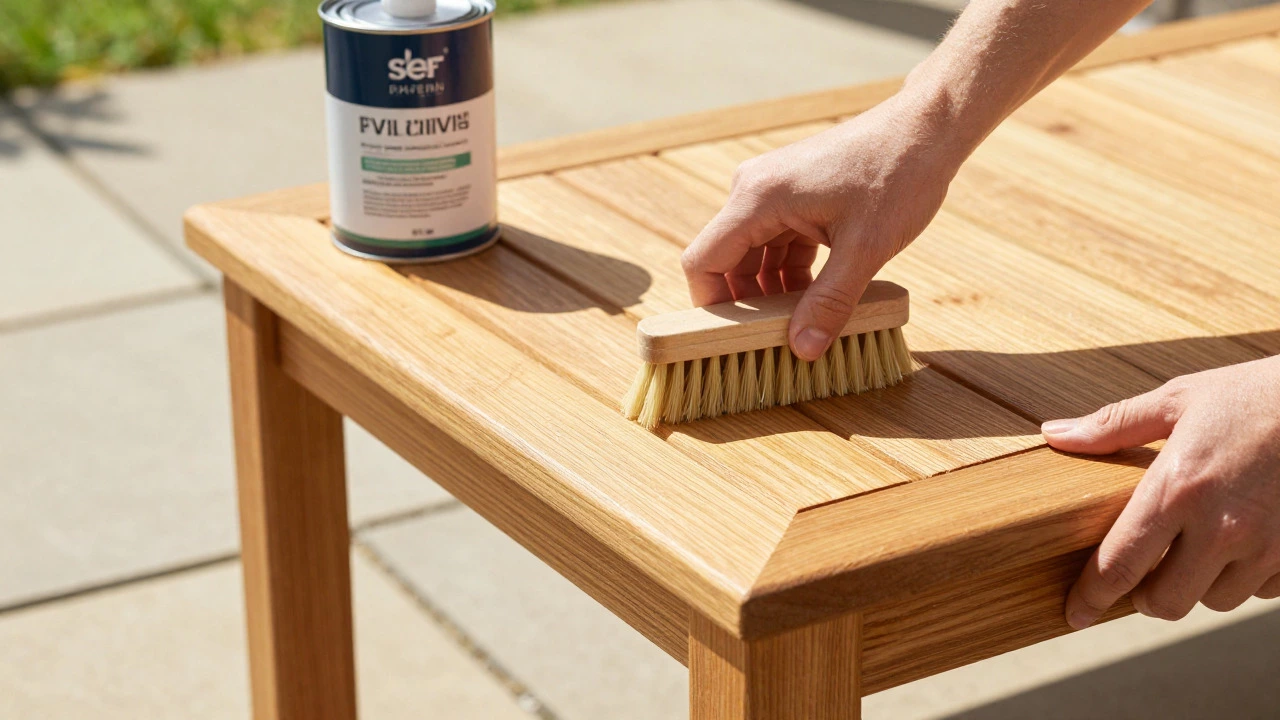
Strategic Placement and Daily Habits
Even the best finish will fail if your furniture sits in standing water. Where you place your chairs and tables matters just as much as how you treat them. Ensure your furniture legs do not touch the soil directly. Soil retains moisture longer than air, keeping the bottom of the wood constantly damp. Use plastic or rubber feet to elevate the legs slightly off the ground. This allows air to circulate underneath, helping the wood dry faster after rain.
Airflow is your friend. Avoid stacking cushions or placing large umbrellas directly over furniture for extended periods during wet weather. Trapped humidity creates a microclimate that encourages fungal growth. If you live in an area with heavy rainfall, consider investing in breathable covers. Breathable means made from fabric that allows vapor to escape but keeps liquid rain out. Plastic tarps might seem convenient, but they trap condensation against the wood, essentially wrapping your furniture in a wet towel.
Winter Storage: Protecting Against Freeze-Thaw Cycles
In Canada, winter is the ultimate test for outdoor furniture. Water expands when it freezes, which can split wood fibers and crack finishes. This freeze-thaw cycle is particularly damaging. Even if the wood doesn't rot, it can become structurally weak. The best defense is proper storage. If possible, move your furniture into a garage, shed, or basement for the winter months. Keep it off concrete floors by placing it on pallets or wooden blocks. Concrete draws moisture out of the air and can make the surrounding environment damp.
If you don't have indoor storage space, you must use high-quality, waterproof covers. Look for covers with reinforced stitching and elastic hems to keep wind from lifting them. Secure the covers with straps or bungee cords. Check on your furniture every few weeks during winter. Snow accumulation can add weight and trap moisture, so gently brush off snow before it melts and refreezes.
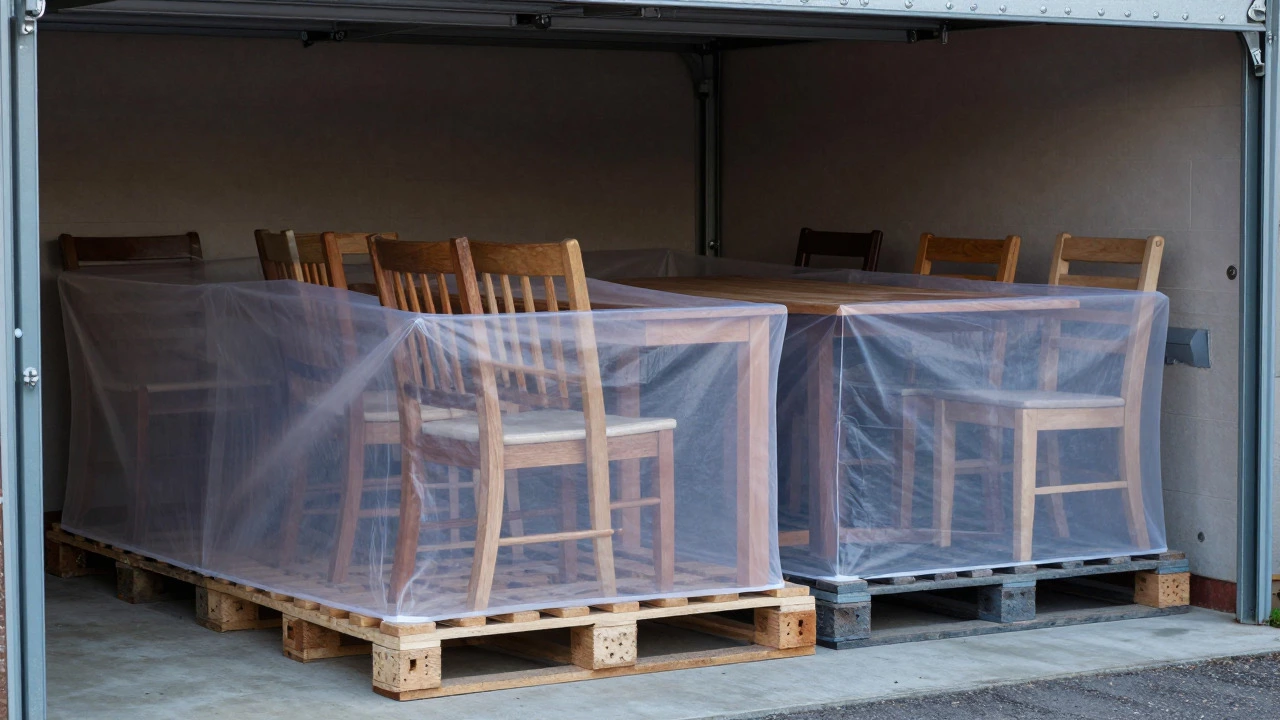
Repairing Early Signs of Decay
Catching rot early can save your furniture. Look for soft spots, discoloration, or cracks that feel fuzzy when touched. If you find small areas of decay, you can repair them without replacing the entire piece. First, scrape away all the rotted wood until you reach solid, firm material. Use a chisel or a power drill with a sanding attachment to remove the damaged fibers. Once the area is clean, apply a wood hardener or epoxy filler designed for exterior use. These products penetrate the remaining wood, strengthening it and sealing it against future moisture. After the filler cures, sand the area smooth and reapply your chosen finish.
FAQ
Can I paint garden furniture to prevent rot?
Yes, painting is an effective way to seal wood against moisture. However, paint forms a hard shell that can crack and peel over time due to sun exposure and temperature changes. Once paint peels, water gets underneath and causes hidden rot. If you choose to paint, use high-quality exterior latex paint and ensure the wood is properly primed. Expect to repaint every 2-3 years.
Is linseed oil good for outdoor furniture?
Raw linseed oil is not recommended because it takes weeks to dry and can remain tacky. Boiled linseed oil dries faster but still lacks the UV inhibitors found in commercial teak oils. For best results, use a specialized outdoor furniture oil that contains UV blockers and mildewcides. These products offer better protection against both sun damage and fungal growth.
How often should I re-oil my garden furniture?
You should re-oil your furniture at least once a year, ideally in late spring before the rainy season begins. In harsh climates with intense sun or heavy rain, you may need to apply a second coat in mid-summer. Test the wood by sprinkling water on it; if it soaks in quickly, it is time to reapply the oil.
What is the best wood for garden furniture that resists rot?
Teak is widely considered the best wood for outdoor furniture due to its high natural oil content and dense grain. Other excellent options include cedar and redwood, which contain natural thujaplicins that resist decay and insect attack. If budget is a concern, pressure-treated pine is a durable alternative, though it requires regular staining to maintain its appearance.
Can I fix rotted wood without replacing the furniture?
Minor rot can be repaired by scraping out the damaged wood and filling the void with an exterior-grade epoxy wood filler. Apply a wood hardener to stabilize the surrounding fibers before filling. For extensive rot that compromises structural integrity, such as cracked legs or splintered seats, replacement is safer and often more cost-effective than repair.