
Storage Unit Pest-Proofing Score Calculator
Answer the questions below to calculate your Storage Safety Score. Higher scores mean your belongings are safer.
Ready to Check
Fill out the form to see how safe your storage setup is.
Recommendations:
Imagine paying for extra space only to find your belongings chewed up by mice or swarming with ants. It’s a nightmare scenario that happens far too often. Storage units are convenient, but they are also prime real estate for pests. They offer shelter, warmth, and often an easy meal if you aren’t careful. The good news? You have total control over this. With the right preparation and a few smart habits, you can keep your storage unit a pest-free zone.
This isn’t just about slapping down a trap and hoping for the best. It’s about creating a hostile environment for rodents and insects while keeping your items safe. Whether you’re storing seasonal decor, old furniture, or boxes of books, these steps will help you protect your investment.
Preparation Is Everything
Before you even think about locking the door, you need to prep your stuff. Pests don’t just appear; they are invited in by food residue, moisture, and clutter. Think of your storage unit like a pantry. Would you leave open bags of chips on a shelf? Probably not. The same logic applies here.
Cleaning items before storage is the first line of defense against infestations. Start by washing everything. Clothes should be freshly laundered. Shoes need to be wiped down. Even hard surfaces like plastic bins or metal frames should be dusted and wiped with a damp cloth. Crumbs, oils, and scents from food attract ants, cockroaches, and mice. If you’re storing kitchenware, make sure every dish is spotless. No grease, no sugar stains.
For furniture, pay attention to crevices. Upholstered chairs and sofas can harbor crumbs deep in the fabric. Vacuum them thoroughly. If possible, use a steam cleaner to kill any existing eggs or larvae. For wooden furniture, check for cracks where termites or carpenter ants might hide. Seal any visible gaps with wood filler before storing.
- Wash all fabrics: Clothes, linens, curtains, and upholstery covers.
- Wipe down hard surfaces: Use a mild detergent to remove oils and residues.
- Vacuum thoroughly: Get into seams, cushions, and under drawers.
- Inspect electronics: Clean keyboards and vents to remove dust bunnies that attract silverfish.
Choose the Right Containers
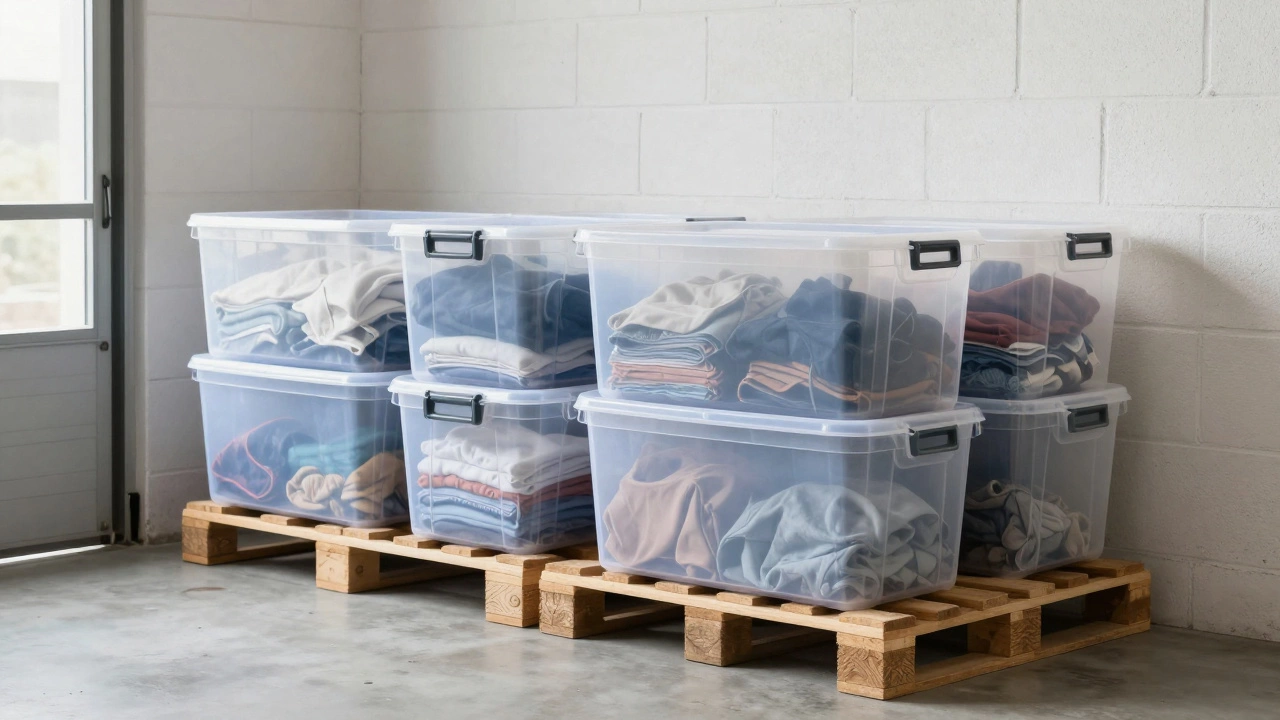
Cardboard boxes are the enemy. They are porous, absorb moisture, and provide an easy nesting material for mice. Rodents can chew through cardboard in minutes. Instead, invest in heavy-duty plastic bins with tight-fitting lids.
Plastic storage bins are impermeable barriers that block pests and moisture. Look for bins made from high-density polyethylene (HDPE). These are durable and resistant to chewing. Ensure the lids snap shut securely. If the lid doesn’t seal well, pests can still get in. For extra protection, place a layer of aluminum foil between the bin and the lid. Mice hate the texture and sound of foil, which acts as a deterrent.
Avoid using wicker baskets, paper bags, or fabric laundry hampers for long-term storage. These materials are easily penetrated by insects and rodents. If you must store items in fabric, place them inside sealed plastic bags first. Double-bagging adds another layer of security.
| Material | Pest Resistance | Moisture Protection | Durability |
|---|---|---|---|
| Cardboard Boxes | Poor | Poor | Low |
| Fabric Bins | Low | Medium | Medium |
| Plastic Bins (Sealed) | High | High | High |
| Metal Lockers | Very High | High | Very High |
Strategic Placement Inside the Unit
How you arrange your items matters. Never place anything directly on the floor. The floor is the most vulnerable area. It’s where moisture collects and where pests enter from outside. Use pallets, shelving units, or plastic risers to elevate your bins and furniture.
Elevating stored items creates a physical barrier between pests and your belongings. Keep at least six inches of clearance between the bottom of your items and the concrete floor. This makes it harder for mice to climb up and reduces exposure to humidity, which can lead to mold and mildew-another attractant for silverfish and booklice.
Leave a small gap between your items and the walls. Pests often travel along edges and corners. By pulling your bins slightly away from the walls, you create a buffer zone. This also allows air to circulate, reducing condensation. If you’re storing large items like mattresses or sofas, wrap them in plastic sheeting and secure it with tape. Don’t rely on mattress covers alone; they can tear.
- Use pallets or shelves: Elevate all items off the ground.
- Leave wall clearance: Keep items 2-3 inches away from walls.
- Group similar items: Reduce clutter to minimize hiding spots.
- Label everything: Avoid opening bins unnecessarily, which lets odors escape.
Natural and Chemical Deterrents
Once your items are prepped and placed, add deterrents. Mice and many insects have sensitive noses. Strong smells can repel them. However, not all natural remedies work equally well. Peppermint oil is popular, but it needs frequent reapplication. Cedar blocks are better for moths and carpet beetles.
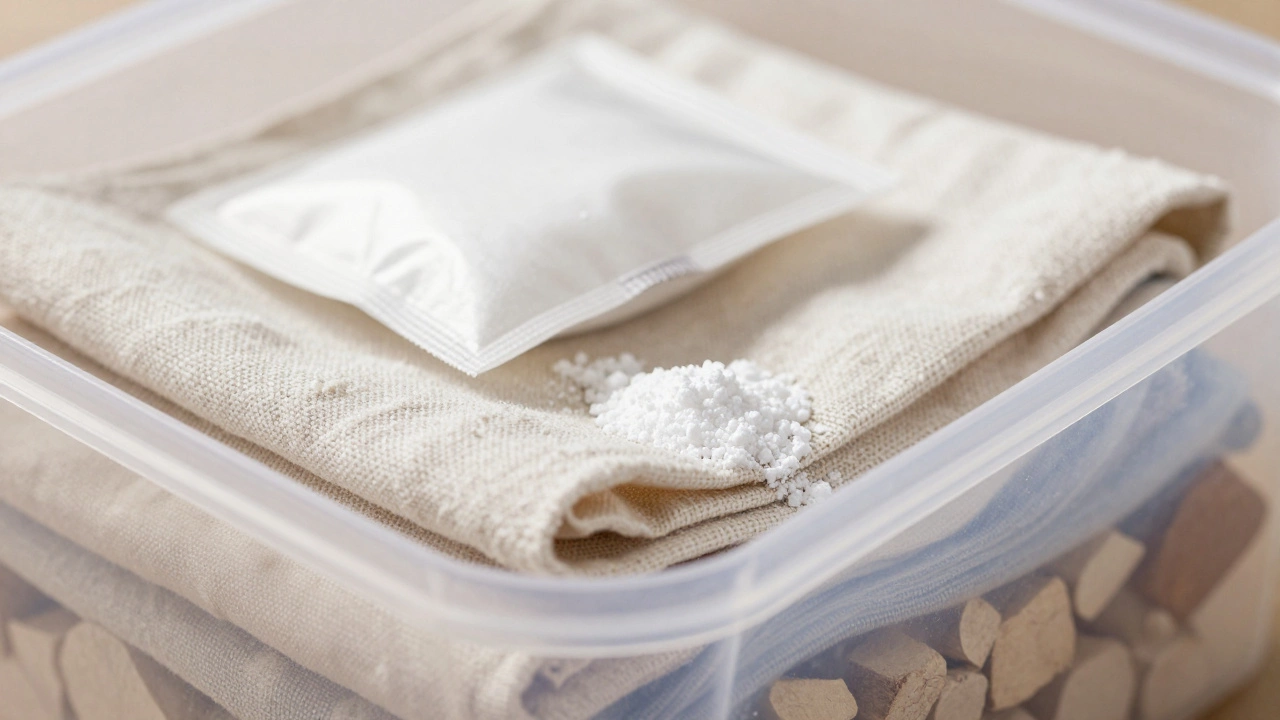
Silica gel packets are essential for controlling moisture levels in enclosed spaces. Moisture attracts pests. Place silica gel packets or moisture absorbers in each bin and around the unit. Replace them every few months. For larger units, consider a dehumidifier if electricity is available. If not, calcium chloride-based moisture absorbers are effective.
For chemical options, diatomaceous earth (DE) is a safe, non-toxic powder that kills insects by dehydrating them. Sprinkle a thin line of DE around the perimeter of the unit, near doors, and under pallets. Avoid inhaling the powder when applying it. Mothballs are controversial; they contain naphthalene or paradichlorobenzene, which are toxic to humans and pets. Use them sparingly and only in well-ventilated areas, preferably inside sealed containers rather than scattered openly.

Maintaining the Perimeter
Your storage facility plays a role too. Before renting, inspect the unit. Look for holes in the walls, gaps around the door, or signs of droppings. A reputable facility should have regular pest control treatments. Ask about their protocol. Do they treat for rodents quarterly? Annually?
When you visit your unit, keep the door closed as much as possible. Every time you open it, you let in outdoor air, pests, and potential contaminants. Work quickly. Bring a flashlight to avoid fumbling in the dark. After visiting, sweep the entryway to remove any debris or tracks. If you see fresh droppings or gnaw marks, report it immediately to the management. They may need to relocate you to a different unit.
Regular Inspections Are Key
Don’t set it and forget it. Schedule quarterly visits to check your storage unit. Open a few bins randomly to sniff for musty odors or signs of activity. Check for webbing, shed skins, or chewed packaging. Early detection prevents a minor issue from becoming a major disaster.
If you suspect an infestation, don’t panic. Remove affected items carefully. Wash them thoroughly or discard them if they’re contaminated. Deep clean the unit if allowed by the facility. Use a vacuum with a HEPA filter to remove allergens and pest debris. Reapply deterrents and monitor closely. In severe cases, professional extermination may be necessary, though this is rare if preventive measures are followed.
Can I store food in a storage unit?
No, you should never store food, pet food, or birdseed in a storage unit. These items are primary attractants for rodents, insects, and other pests. Even sealed packages can be compromised by chewing or temperature fluctuations. Keep all consumables at home in airtight containers.
Do mothballs work to keep mice out?
Mothballs are primarily designed to repel moths and carpet beetles, not mice. While the strong odor may deter some rodents temporarily, it is not a reliable solution. Moreover, mothballs release toxic fumes that can be harmful to humans and pets. Use peppermint oil-soaked cotton balls or cedar blocks for a safer alternative.
How often should I check my storage unit?
You should inspect your storage unit at least once every three months. During warmer months, increase frequency to monthly checks. Look for signs of pests, moisture damage, or mold. Regular inspections allow you to address issues before they escalate.
Is it okay to store mattresses in a storage unit?
Yes, but only if properly protected. Mattresses can harbor dust mites and bed bugs. Wrap them in plastic mattress bags specifically designed for storage. Seal the edges tightly. Store them upright against a wall, elevated off the floor, to prevent moisture absorption and pest access.
What should I do if I find mice in my storage unit?
Contact your storage facility manager immediately. They should provide a new unit and assist with relocation. Discard any items that show signs of contamination, such as chewed packaging or droppings. Clean remaining items thoroughly before returning them to the new unit. Consider hiring a professional pest control service if the infestation was severe.