Corner Sofa Placement Simulator
Configure Your Setup
Buying a corner sofa is a large L-shaped seating piece that defines the anchor of your living space. It is not just a place to sit; it is a structural element that dictates how people move through your home. Getting the position wrong can make a spacious room feel cramped or leave you with awkward dead zones. Getting it right creates a cozy, functional hub for relaxation and socializing.
You might be wondering if there is one magic spot where every corner sofa belongs. The truth is, the "best" position depends entirely on your room’s shape, your viewing habits, and how you use the space. However, there are proven principles that work for almost any layout. Let’s look at how to find that perfect spot without guessing.
The Golden Rule: Anchor Against Two Walls
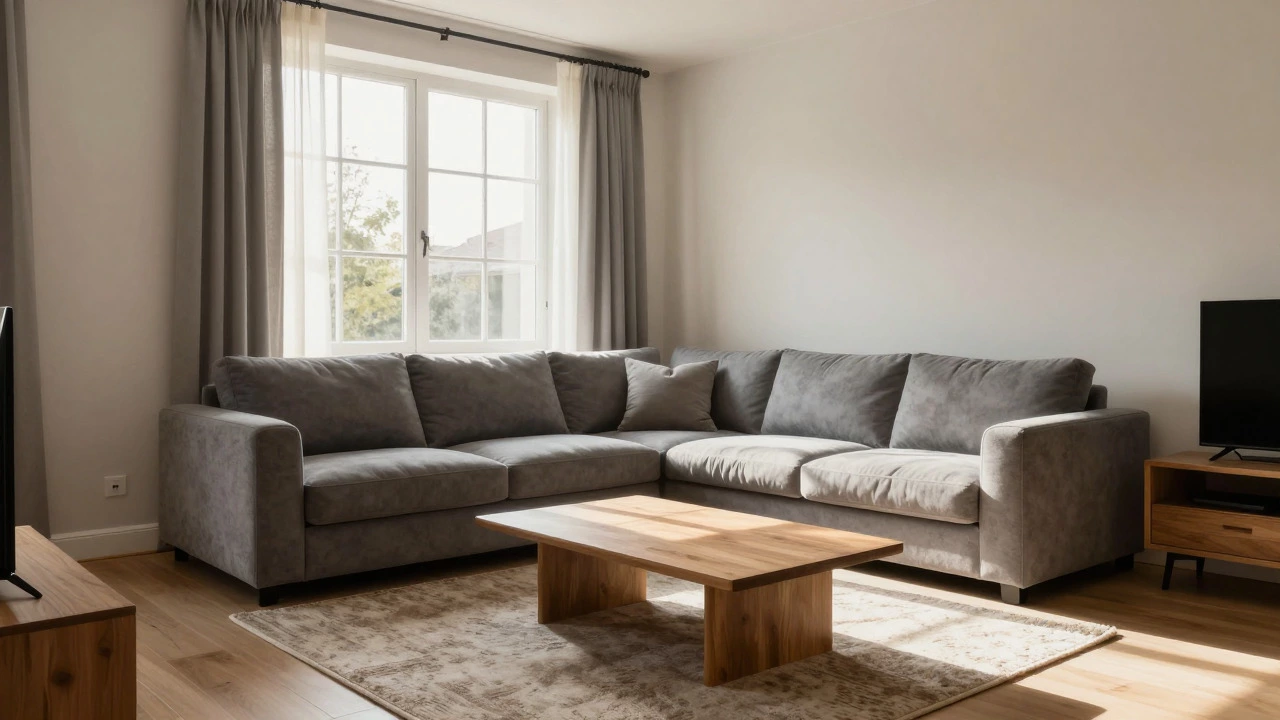
The most common and effective way to place a corner sofa is in the actual corner of the room. This isn’t just about saving floor space; it’s about creating a sense of stability. When you tuck the two long sides of the L-shape against perpendicular walls, you create a defined zone. This tells anyone walking into the room, “This is the sitting area.”
This setup works particularly well in rectangular or square rooms. It clears the center of the room for traffic flow or additional furniture like a coffee table or rug. If you have a standard living room with a TV on one wall and a window on another, placing the corner sofa in the adjacent corner often balances the visual weight perfectly. It keeps the path from the door clear while keeping everyone oriented toward the focal point.
However, don’t just shove it flush against the wall. Pull it out about two to three inches. This small gap prevents dust buildup, allows air circulation behind the fabric, and makes cleaning easier. Plus, it gives the furniture a slightly more intentional, less cluttered look.
Positioning for TV Viewing
If your primary goal is watching television, the angle matters more than the location. A corner sofa offers multiple seating angles. You want the main seating section (the longer part) to face the screen directly. The chaise lounge part should ideally be positioned so that viewers aren’t straining their necks to see the display.
Consider the distance between the sofa and the TV. For a 55-inch TV, you generally want to sit about 6 to 8 feet away. If your corner sofa forces you to sit too close because the room is small, consider a smaller scale model or pull the sofa further into the room rather than hugging the corner tightly. This creates a better viewing triangle.
Avoid placing the corner sofa directly opposite a bright window if possible. Glare on the screen will ruin the experience. If the only good corner has a window, invest in blackout curtains or blinds to control the light during daytime viewing sessions.
Using the Sofa as a Room Divider
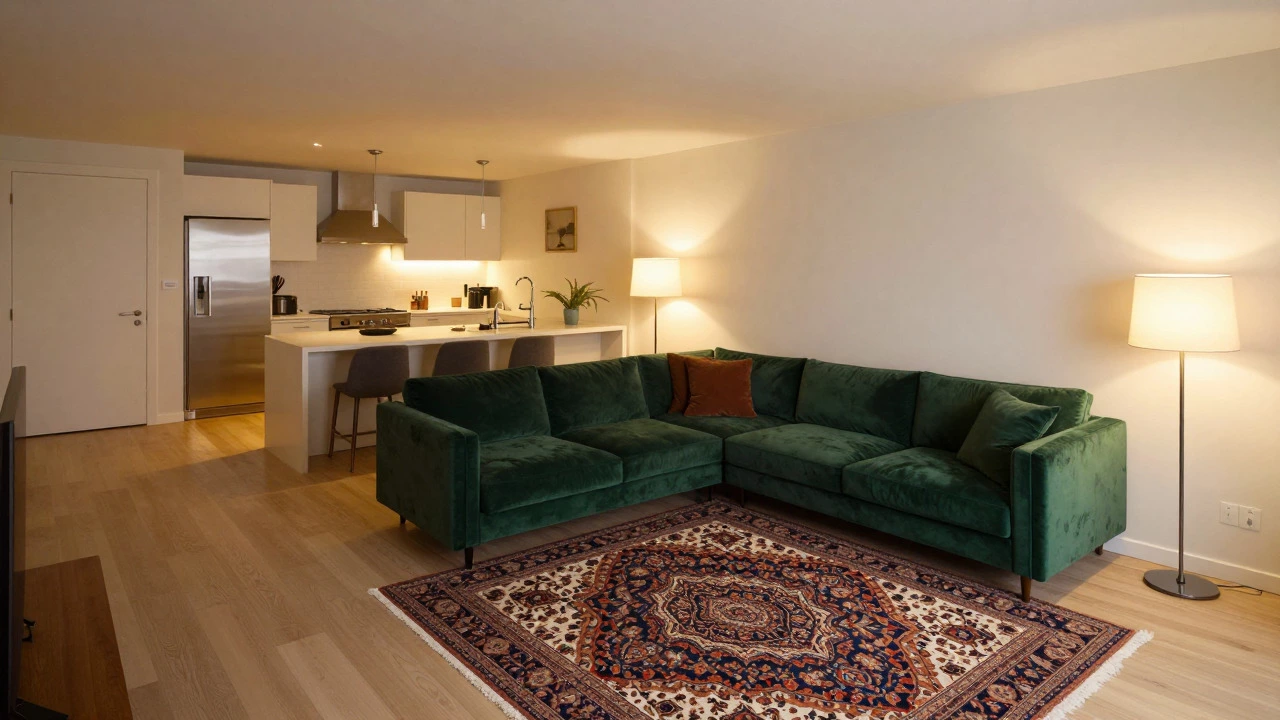
In open-plan homes, where the kitchen, dining, and living areas merge into one large space, a corner sofa becomes a powerful tool for zoning. Instead of pushing it into a corner, you can float it in the middle of the room. Use the back of the sofa to separate the living area from the dining or kitchen space.
This technique creates a psychological boundary without building physical walls. People know they are entering the “living zone” when they pass the sofa. To make this work, ensure there is enough clearance behind the sofa for someone to walk through comfortably-usually at least 30 to 36 inches. This approach is popular in modern apartments and lofts where maximizing the feeling of openness is key.
When floating a corner sofa, a large area rug underneath helps ground the piece. Without the rug, the sofa can look lost or disconnected from the rest of the decor. The rug ties the seating arrangement together and signals that this cluster of furniture is a distinct unit.
Small Rooms and Tight Spaces
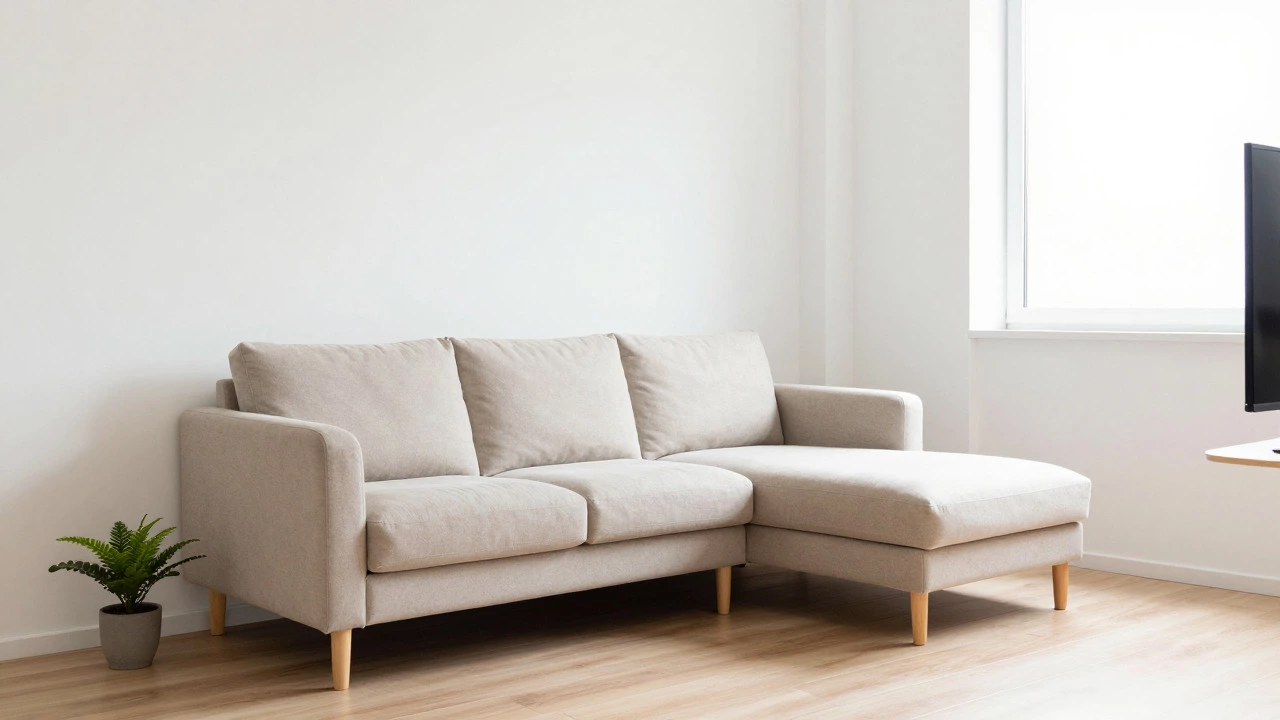
Living in a smaller apartment doesn’t mean you can’t enjoy a corner sofa. In fact, an L-shaped design can be more space-efficient than buying a separate sofa and loveseat. The trick is choosing the right size and orientation. Look for models with narrower chaises or those designed specifically for compact spaces.
In a small room, avoid placing the corner sofa in a way that blocks natural light or exits. Position it so that the longest side runs along the shorter wall of the room. This often leaves more open floor space in the center. Also, consider a corner sofa with exposed legs. Furniture that lifts off the floor visually recedes, making the room feel larger and airier.
If the room is very narrow, you might opt for a corner sofa that fits snugly into the corner but doesn’t protrude too far into the walkway. Measure your doorway and elevator dimensions before buying. A common mistake is buying a sofa that fits the room but not the entryway. Disassembling a heavy corner sofa to get it upstairs is a nightmare no one wants to experience.
Social Flow and Conversation Areas
How do you want people to interact? Corner sofas naturally encourage conversation because they seat multiple people facing inward. If you host parties or family gatherings frequently, position the sofa so that it faces other seating options, like armchairs or ottomans, in a U-shape or semi-circle configuration.
Avoid placing the corner sofa with its back to the main entrance if possible. While it’s not a strict rule, having a clear view of who is entering the room can make guests feel more comfortable and secure. It also allows the host to greet visitors easily without turning around constantly.
Think about the traffic patterns in your home. If the living room is a thoroughfare to the bedroom or bathroom, ensure the corner sofa doesn’t obstruct this path. You don’t want people bumping into the armrests every time they walk by. Create a clear aisle of at least 28 to 30 inches for smooth movement.
| Room Type | Best Position | Key Consideration |
|---|---|---|
| Standard Living Room | In the corner opposite the TV | Ensure direct sightlines to the screen |
| Open-Plan Space | Floating as a divider | Maintain 30+ inch walkway behind sofa |
| Small Apartment | Tucked into the furthest corner | Choose narrow chaise and exposed legs |
| Large Family Room | Centered with additional chairs | Create a U-shape for conversation |
Lighting and Windows
Natural light affects both comfort and the longevity of your furniture. Direct sunlight can fade fabrics over time, especially lighter colors. If you must place the corner sofa near a large window, use UV-filtering window films or heavy drapes. Rotate throw pillows regularly to even out wear and fading.
Artificial lighting is equally important. A corner sofa creates deep shadows in the corners. Install floor lamps on either side of the seating area or use recessed ceiling lights to illuminate the space evenly. Avoid placing the sofa under a single central ceiling light, which can create harsh glare on the TV and dark spots where you’re trying to read.
Layer your lighting. Combine ambient overhead lights with task lighting (like a lamp next to the reading spot) and accent lighting (like LED strips behind the sofa). This creates a warm, inviting atmosphere that highlights the texture and color of your upholstery.
Measuring and Testing Before You Commit
Before you finalize the position, measure everything. Not just the sofa dimensions, but the room itself. Mark the outline of the sofa on the floor using painter’s tape. This simple trick lets you visualize the footprint and test different positions without moving heavy furniture.
Walk around the taped outline. Can you open doors fully? Is there enough space for a coffee table? Does it block the thermostat or electrical outlets? These practical details matter. Once you find the best fit, remove the tape and move the sofa into place. Adjust the position slightly based on how it feels in reality versus on paper.
Remember, furniture arrangements aren’t set in stone. Feel free to experiment. Move the sofa a few inches left or right until it feels right. Your living room should reflect your lifestyle, not just follow a rigid rulebook.
Should I put my corner sofa against the wall?
Yes, placing a corner sofa against two perpendicular walls is the most common and efficient method. It anchors the seating area and maximizes floor space. However, pull it out 2-3 inches from the wall to allow for cleaning and air circulation.
Can I float a corner sofa in the middle of the room?
Absolutely. Floating a corner sofa is an excellent strategy for open-plan homes. It acts as a room divider, separating the living area from the kitchen or dining space. Ensure you leave at least 30 inches of clearance behind the sofa for walking paths.
Which way should the chaise face?
The chaise should face away from high-traffic areas and towards the focal point, such as the TV or a fireplace. This ensures that people lounging on the chaise have a clear view and aren’t blocked by passersby. It also creates a more relaxed, intimate seating zone.
How much space do I need around a corner sofa?
You need at least 28-30 inches of clearance for walkways. Between the sofa and a coffee table, aim for 14-18 inches for easy legroom. If the sofa is used for dining or working, ensure there is enough space to pull out chairs or desks without hitting the sofa arms.
Is a corner sofa good for small rooms?
Yes, if chosen correctly. A compact corner sofa with a narrow chaise can replace a sofa and loveset, saving space. Choose models with exposed legs to create a sense of airiness. Avoid bulky, oversized sections that overwhelm the room’s proportions.