Furniture Storage Risk Analyzer
You’ve just finished cleaning your favorite armchair or prepping your dining table for a move. It’s tempting to grab that roll of clear plastic wrap from the kitchen drawer. It’s cheap, it stretches tight, and it seems like the perfect shield against dust and scratches. But before you seal up your investment, pause. That convenient sheet of plastic wrap is a thin polymer film used for packaging and storage might actually be doing more harm than good.
The short answer is yes, plastic wrap can damage furniture. However, it doesn’t happen overnight, and it depends entirely on what kind of plastic you’re using and what material your furniture is made of. Using standard PVC (polyvinyl chloride) cling film directly on certain surfaces can lead to sticky residues, chemical reactions, and even permanent discoloration. Understanding the chemistry behind this interaction helps you store your belongings without turning them into science experiments gone wrong.
The Chemistry Behind the Cling: Why Plastic Reacts with Wood
To understand why your oak dresser might end up looking like a science project, we need to look at the ingredients in common household plastics. Most traditional plastic wraps are made from PVC. This material contains plasticizers-chemical additives that make the rigid vinyl flexible enough to stretch over a box of leftovers or a sofa cushion.
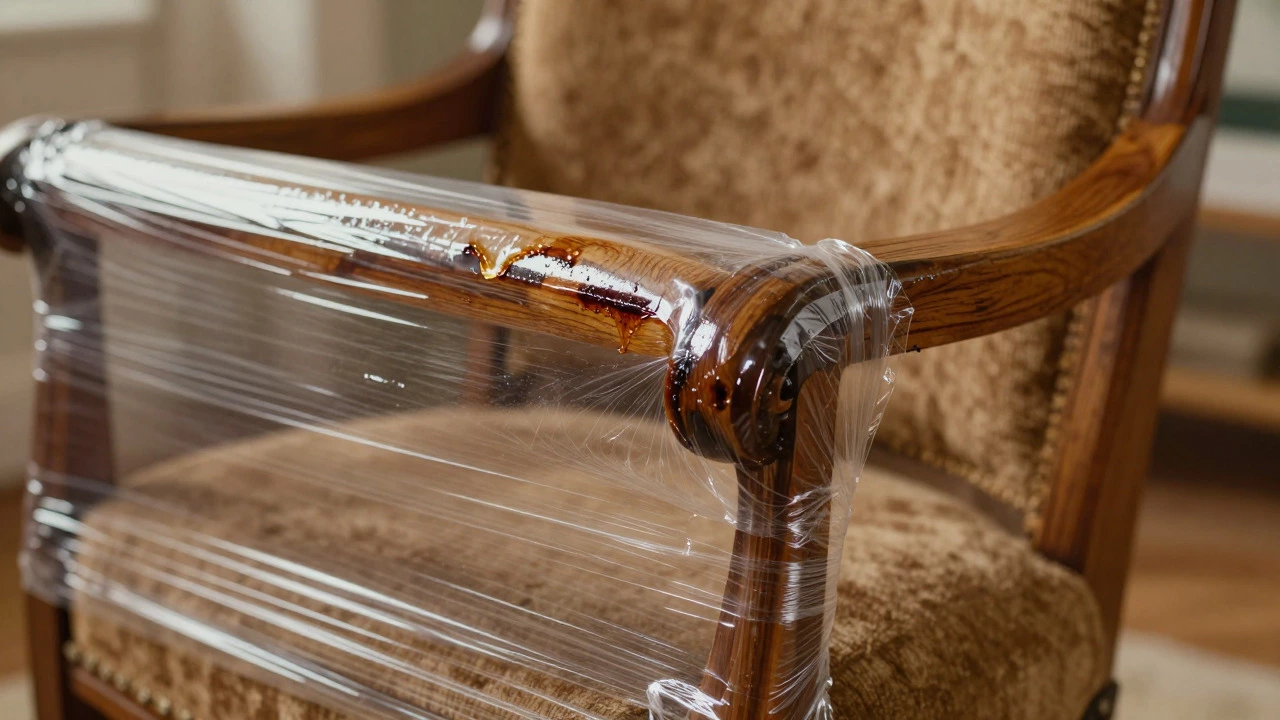
Here is the problem: these plasticizers are not permanently locked into the polymer chain. Over time, especially when exposed to heat or pressure, they migrate out of the plastic film. When you wrap plastic directly around unfinished wood, veneer, or certain types of varnish, those migrating chemicals interact with the surface finish. The result? A cloudy haze, a sticky residue that is nearly impossible to wipe off, or in severe cases, the dissolution of the lacquer itself.
This reaction is accelerated by temperature. If you are storing wrapped furniture in a hot garage during the summer months in Mississauga, or leaving it in direct sunlight, the migration process speeds up significantly. The plastic essentially 'melts' slightly onto the surface it touches, creating a bond that requires aggressive solvents to break-a solvent that could strip the finish right along with the glue holding the plastic down.
| Furniture Material | Risk Level | Potential Damage Type |
|---|---|---|
| Unfinished Raw Wood | High | Sticky residue, absorption of chemicals into grain |
| Varnished/Lacquered Wood | Medium-High | Cloudy haze, softening of finish, peeling |
| Upholstery (Fabric) | Low-Medium | Trapped moisture leading to mold, slight dye transfer |
| Leather | High | Drying out, cracking, chemical staining |
| Metal (Chrome/Steel) | Low | Minimal risk unless plastic degrades completely |
| Glass/Mirrors | Very Low | Adhesive residue only if static cling is strong |
Moisture Trapping: The Silent Killer of Stored Items
Beyond chemical reactions, there is the physical issue of breathability. Plastic wrap creates an airtight seal. While this sounds great for keeping bugs out, it is terrible for regulating humidity. All materials, including wood and fabric, breathe. They absorb and release small amounts of moisture from the air based on environmental conditions.
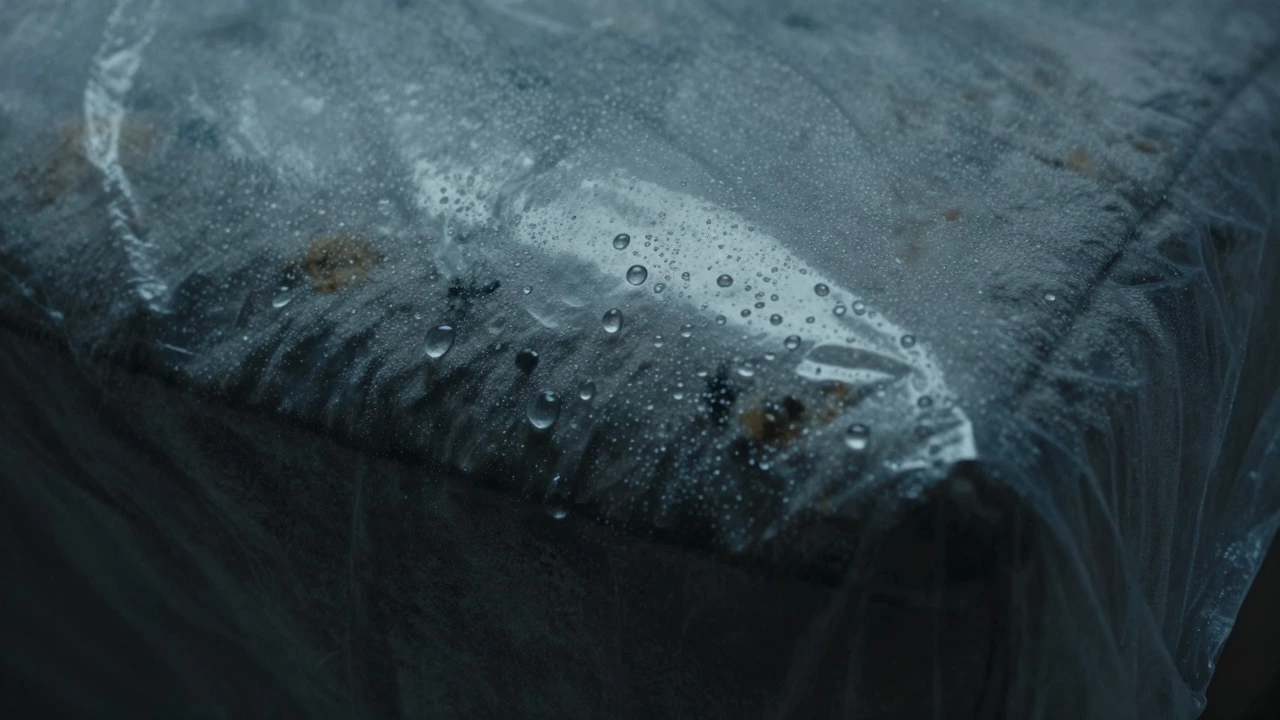
When you wrap furniture tightly in non-breathable plastic, you trap any existing moisture inside. If the ambient temperature drops-for example, moving furniture from a heated living room to a cold storage unit-that trapped moisture condenses. You create a microclimate of high humidity right against the surface of your furniture. This environment is a breeding ground for mold and mildew. Within weeks, you might find fuzzy black spots on velvet cushions or warping along the edges of wooden drawers.
I’ve seen this happen with antique dressers stored in basements. The owners wrapped them meticulously to protect against dust, only to unwrap them six months later to find white mold growing on the legs and dark water rings forming on the tabletops. The plastic didn't keep the elements out; it kept the bad conditions in.
Safe Alternatives: How to Protect Your Furniture Without the Risk
If plastic wrap is risky, what should you use instead? The goal is protection from dust, scratches, and pests without introducing chemical hazards or trapping moisture. Fortunately, there are several superior alternatives available at most home improvement stores.
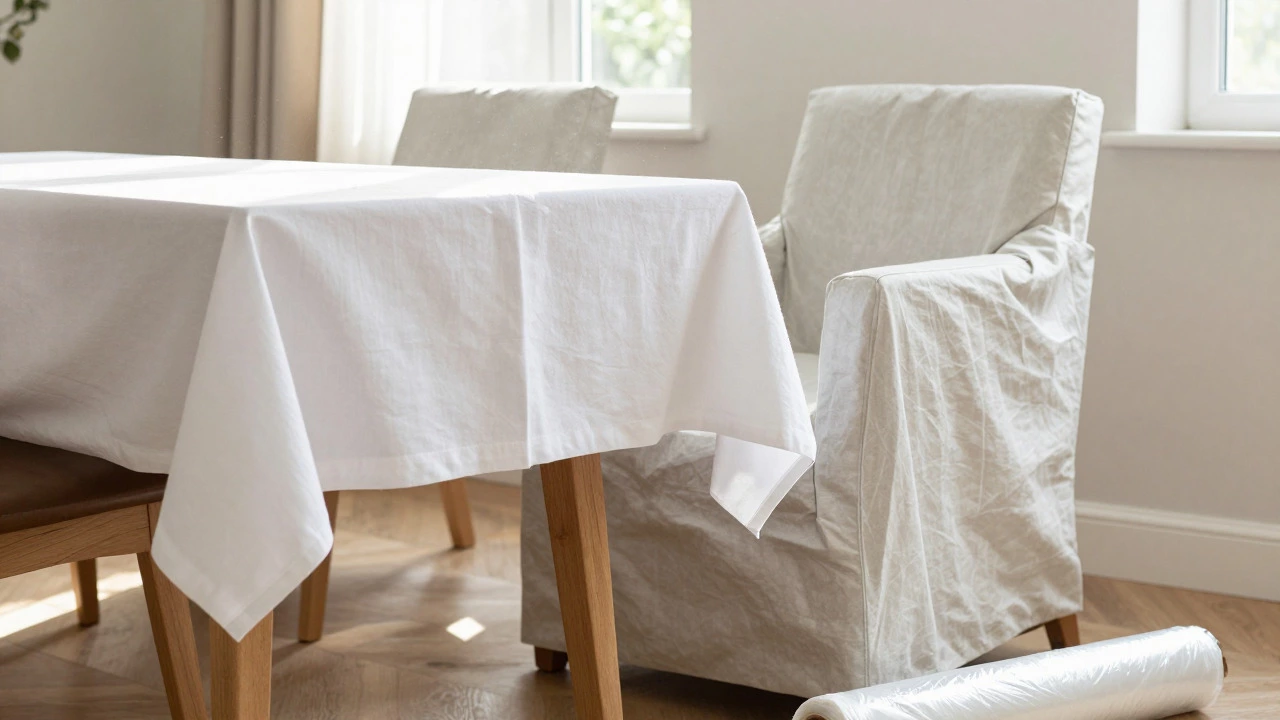
- Cotton Furniture Covers: These are the gold standard. Cotton is breathable, allowing air to circulate while blocking dust particles. It won’t react chemically with finishes and won’t trap moisture. For long-term storage, always choose cotton over synthetic blends.
- Acid-Free Tissue Paper: For delicate surfaces like polished brass or fragile glass tops, layer acid-free tissue paper between the surface and the outer cover. This prevents scratches and adds a buffer against minor impacts.
- PE (Polyethylene) Shrink Wrap: If you must use plastic, ensure it is PE-based, not PVC. PE shrink wrap is commonly used by professional movers. It does not contain the same plasticizers as PVC cling film and is less likely to adhere to surfaces. However, it still traps moisture, so it should be used loosely rather than tightly sealed, and ideally over a layer of cardboard or foam.
- Cardboard Boxes: For smaller items like chairs or side tables, sturdy cardboard boxes provide excellent protection against scratches and dust. Line the inside with bubble wrap (not directly touching delicate finishes) for extra cushioning.
Special Considerations for Upholstery and Leather
Fabric and leather have different vulnerabilities than wood. With upholstered furniture, the primary concern is not chemical reaction but biological degradation. Dust mites thrive in undisturbed fabrics. Wrapping them in plastic might seem like it seals them away, but if there was any residual moisture or organic matter (like skin cells or food crumbs) left in the fabric, you are incubating a pest problem.
Before storing any upholstered piece, vacuum it thoroughly. Use a brush attachment to remove loose debris. Then, cover it with a breathable slipcover or a dedicated furniture blanket. Avoid using plastic bags over pillows or cushions, as this encourages mold growth inside the filling.
Leather is particularly sensitive. It needs to breathe to maintain its suppleness. Sealing leather in plastic causes it to dry out and crack because natural oils evaporate and cannot be replenished. Additionally, some leathers are treated with dyes that can bleed if trapped against a synthetic surface under heat. Always store leather furniture in a cool, dry place covered with a clean, white cotton sheet. White is key here because if the leather does sweat or release oils, you won’t have colored fibers transferring back onto it.
Pro Tips for Moving and Long-Term Storage
Whether you are downsizing, renovating, or moving across town, proper preparation makes all the difference. Here is a checklist to ensure your furniture arrives in pristine condition:
- Clean Before Covering: Never wrap dirty furniture. Dirt acts as an abrasive. Clean all surfaces with appropriate cleaners and let them dry completely. Any remaining dampness will turn into mold under a cover.
- Disassemble When Possible: Remove legs from tables and detach backs from sofas. This reduces the footprint and prevents stress on joints during transport. Store hardware in labeled bags taped securely to the main piece.
- Use Blankets, Not Just Plastic: For moving trucks, moving blankets are far superior to plastic wrap. They provide padding against bumps and bruises. If you do use plastic wrap for stability (e.g., wrapping a mattress to keep blankets in place), use it sparingly and never directly on delicate finishes.
- Control the Environment: Wherever you store your furniture matters. Avoid attics (too hot) and basements (too humid). Ideal storage areas are climate-controlled, maintaining temperatures between 60-70°F (15-21°C) and relative humidity below 50%.
- Inspect Regularly: Don’t set it and forget it. Check on your stored items every few months. Look for signs of pests, moisture, or shifting covers. Early detection prevents major repairs later.
What to Do If Damage Has Already Occurred
If you’ve already unwrapped furniture and noticed stickiness, cloudiness, or staining, don’t panic. Immediate action can often salvage the piece. For sticky residues on hard surfaces, try using a small amount of mineral spirits or rubbing alcohol on a soft cloth. Test it on an inconspicuous area first to ensure it doesn’t strip the finish. Gently rub the residue until it dissolves, then wipe clean with a damp cloth and dry immediately.
For cloudy hazes on varnished wood, a mixture of equal parts vinegar and water can sometimes cut through the film. Apply lightly with a microfiber cloth, following the grain of the wood. Buff gently until clarity returns. If the damage involves peeling lacquer or deep staining, it may be time to consult a professional refinishing specialist. Attempting DIY fixes on severely damaged finishes can worsen the situation.
Can I use Saran Wrap on my furniture?
Saran Wrap is typically made of PVDC (polyvinylidene chloride), which is similar to PVC. It poses the same risks of chemical migration and adhesion to wood finishes. It is not recommended for direct contact with furniture surfaces, especially unfinished or varnished wood. Stick to breathable cotton covers instead.
Is it safe to wrap mattresses in plastic?
Wrapping mattresses in plastic is generally safe for short-term protection during moves, provided the mattress is completely dry and clean. However, for long-term storage, plastic can trap moisture and lead to mold growth inside the foam or springs. It is better to use a breathable mattress bag designed for storage, which allows air circulation while protecting against dust and pests.
How long can furniture stay wrapped in plastic before damage occurs?
There is no fixed timeframe, as damage depends on temperature, humidity, and the type of plastic. In warm conditions, chemical migration from PVC plastic can begin within weeks. In cooler, stable environments, it might take months. To be safe, avoid using standard plastic wrap for any storage period longer than a few days. For anything beyond that, switch to breathable materials.
Does plastic wrap prevent insects from getting into furniture?
While plastic wrap creates a physical barrier, it is not foolproof against determined pests like silverfish or booklice, which can squeeze through tiny gaps. Moreover, if pests are already inside the furniture (e.g., in upholstery seams), sealing them in plastic traps them and their waste products, potentially causing odor and further damage. Proper cleaning and pest control treatments are more effective than simple wrapping.
What is the best way to store outdoor furniture indoors?
Clean and dry your outdoor furniture thoroughly before bringing it inside. Metal frames should be checked for rust, and cushions should be fully dry to prevent mold. Store them in a dry, well-ventilated area. Cover them with breathable cotton sheets or tarps (if stacking) to protect from dust. Avoid sealing them in plastic bins unless they are absolutely bone-dry, and even then, leave the lids slightly ajar for airflow.