Corner Sofa Layout Planner
Room Visualizer
Drag the sofa to repositionRoom Dimensions
Layout Analysis
- Clearance Left: --
- Clearance Right: --
- Clearance Top: --
- Clearance Bottom: --
- Min Clearance: --
Picture this: you’ve just bought that dream L-shaped sofa, also known as a corner sofa. It’s huge, it’s comfy, and it promises to be the centerpiece of your living space. But when you push it into the center of the room, something feels off. The traffic flow stops. The TV looks awkwardly distant. Is it possible to make this work?
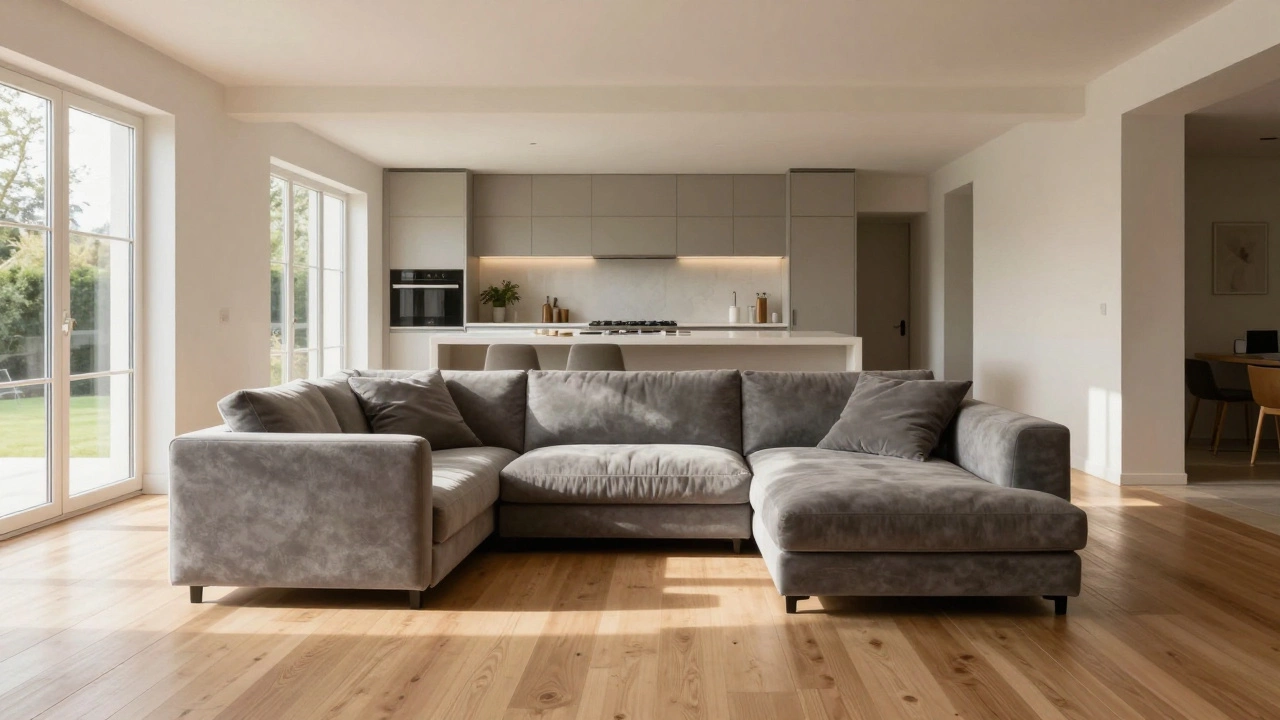
The short answer is yes, but with major caveats. Placing a corner sofa in the middle of a room breaks traditional interior design rules for good reason. These pieces are designed to anchor corners, not float in open space. However, if you have a large enough footprint and a specific goal-like creating a defined lounge zone in an open-plan home-it can look stunning. Here is how to do it without turning your living area into a maze.
Why Corners Exist for Corner Sofas
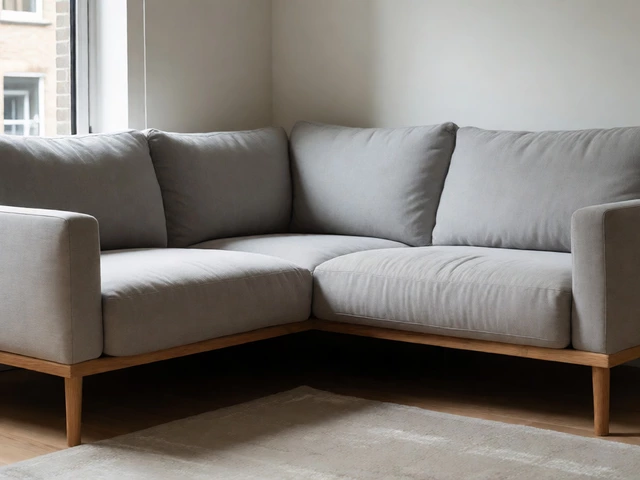
To understand why placing an sectional sofa in the middle is tricky, you first need to understand its geometry. A standard corner sofa has two perpendicular sections forming an 'L'. This shape is engineered to fit into a 90-degree angle. When placed against walls, it maximizes seating while minimizing the floor space it occupies visually.
When you pull it away from the walls, several problems emerge immediately:
- Visual Bulk: An L-shape creates a heavy visual mass. In a corner, this mass is hidden by walls. In the center, it becomes a blockage.
- Traffic Flow Disruption: People naturally walk around furniture. If the sofa is central, footpaths become erratic, leading to bumped knees and tripped toes.
- Imbalance: One side of the 'L' often protrudes further than the other, making the room feel lopsided unless perfectly balanced with other furniture.
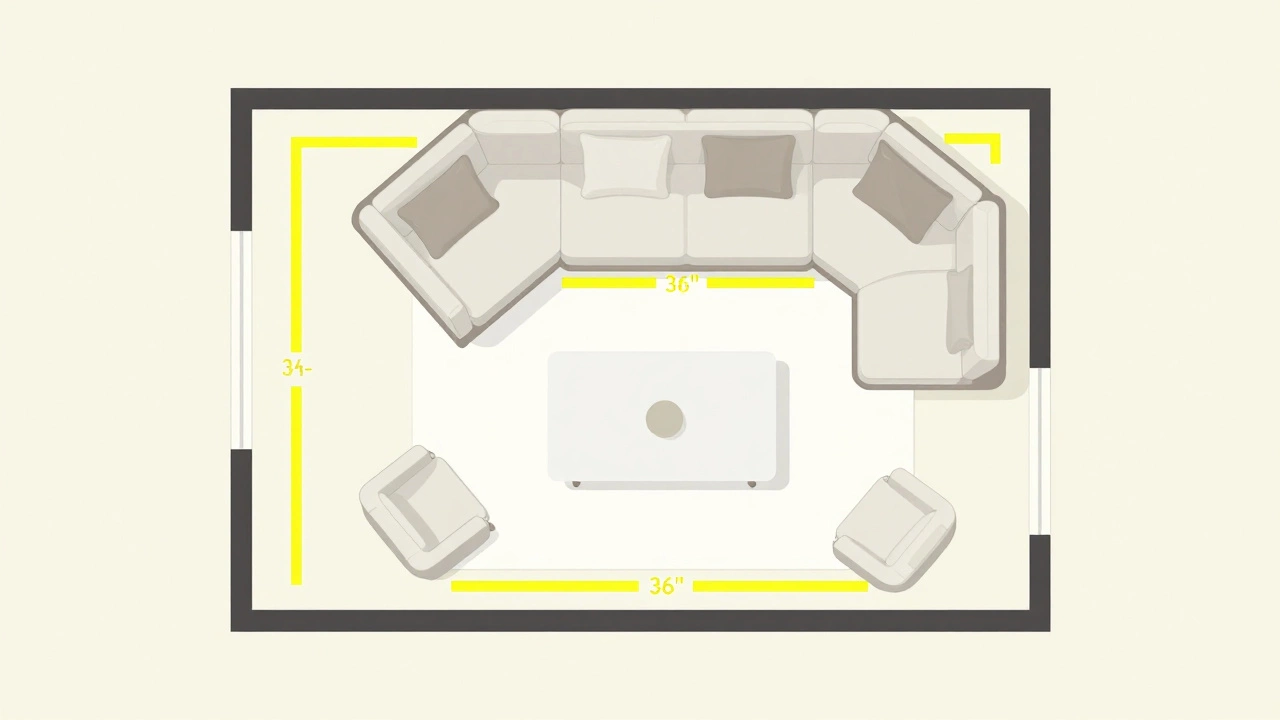
Most interior designers recommend keeping at least 30-36 inches (75-90 cm) of walking space between furniture and walls or other pieces. If your room isn’t significantly larger than the sofa itself, floating it will make the space feel cramped rather than spacious.
When Does It Actually Work?
There are specific scenarios where a central corner sofa makes sense. It’s not about ignoring rules; it’s about adapting them to modern living spaces.
- Open-Plan Living Areas: In homes where the kitchen, dining, and living areas merge, a central sofa acts as a divider. It defines the "living" zone without building a wall. The back of the sofa faces the kitchen or hallway, creating a psychological boundary.
- Large Rooms (>400 sq ft): If your room is massive, pushing everything against the walls makes it echoey and cold. Floating furniture groups create intimate conversation islands.
- Focal Point Redirection: If your TV or fireplace is on a short wall, a corner sofa might face it better from the center than from a far corner, especially if the room is rectangular.
In these cases, the sofa isn't just furniture; it's an architectural element. It organizes the chaos of an open floor plan.
Key Measurements Before You Move
Before you sweat moving that heavy piece, grab a tape measure. You need to calculate three critical dimensions to ensure the layout works.
| Measurement Type | Minimum Requirement | Why It Matters |
|---|---|---|
| Room Width vs. Sofa Length | At least 2x the sofa's longest side | Ensures ample walking space on all sides. |
| Circulation Path | 36 inches (90 cm) clear path | Standard width for comfortable passage. |
| Viewing Distance | 1.5x TV diagonal size | Prevents neck strain and ensures immersion. |
| Ceiling Height | No strict limit, but higher helps | Tall ceilings reduce the feeling of claustrophobia from bulky furniture. |
If your room is smaller than these requirements suggest, keep the sofa in the corner. Trying to force a large sectional into a small box will result in frustration.
Design Strategies for Success
If you have the space and want to proceed, here is how to style a central corner sofa so it looks intentional, not accidental.
1. Create a Defined Zone
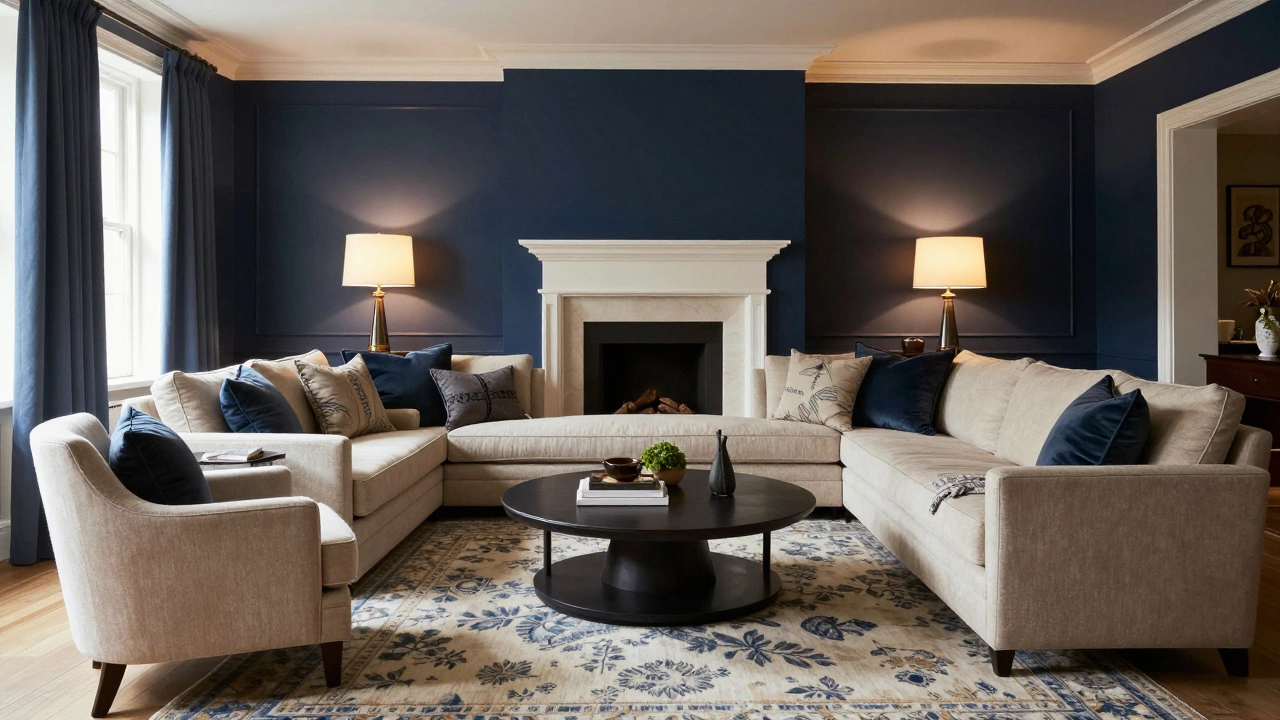
Use a area rug to anchor the sofa. The rug should be large enough that all front legs of the sofa sit on it. This visually ties the furniture together and signals to guests that this is a distinct seating area. Without a rug, a floating sofa can look like it’s drifting aimlessly.
2. Balance the Weight
An L-shaped sofa is asymmetrical. To counteract this, place complementary furniture on the opposite side. If the long section of the sofa faces left, put a coffee table or a pair of armchairs on the right. This creates visual equilibrium. A coffee table is essential here-it provides a surface for drinks and books, preventing the sofa from feeling isolated.
3. Mind the Orientation
Decide which direction the "elbow" of the sofa points. Usually, you want the elbow pointing toward a focal point like a TV or a window view. Avoid pointing the sharp corner directly at a doorway, as this can feel aggressive and disrupt the flow of entry.
4. Lighting Layers
Central furniture blocks overhead light. Compensate with floor lamps behind the sofa or table lamps on side tables. This prevents dark shadows and adds warmth to the space. Dimmable LEDs are great for adjusting mood without needing to move furniture.
Common Mistakes to Avoid
Even with the right measurements, bad execution can ruin the look. Watch out for these pitfalls:
- Ignoring Doorways: Ensure the sofa doesn’t block access to closets, windows, or exits. Measure the swing radius of doors.
- Too Much Empty Space: If there’s more than 6 feet between the sofa and the nearest wall, the room may feel disconnected. Use bookshelves or plants to fill gaps.
- Mismatched Scale: Don’t pair a massive sectional with tiny, delicate chairs. Stick to similar proportions to maintain cohesion.
- Forgetting Cable Management: If the TV is nearby, hide cables under rugs or through walls. Exposed wires dragging across the floor look messy and pose a tripping hazard.
Alternatives If It Doesn’t Fit
Sometimes, despite best efforts, the math just doesn’t work. If your room is too small or oddly shaped, consider these alternatives:
- Modular Sectionals: Break the L-shape apart. Use two separate chaise lounges or sofas facing each other. This offers flexibility and easier movement.
- Corner Placement with Accent Chairs: Keep the main sofa in the corner but add two accent chairs in the middle of the room to create a conversation circle.
- Smaller Sofa + Ottoman: Replace the bulky corner unit with a standard sofa and a large ottoman that can double as extra seating or a coffee table.
Remember, furniture should serve your lifestyle, not dictate it. If the central layout feels restrictive after a week, move it back. Interior design is iterative.
Final Thoughts on Layout Flexibility
Putting a corner sofa in the middle of the room is a bold choice that requires confidence and space. It transforms a functional piece into a statement of zoning and comfort. By respecting circulation paths, balancing visual weight, and anchoring with rugs, you can achieve a high-end, magazine-worthy look. Just measure twice, move once, and don’t be afraid to experiment until it feels right.
How much space do I need around a corner sofa?
You should leave at least 30 to 36 inches (75-90 cm) of clearance on all sides where people will walk. This ensures comfortable movement and prevents the room from feeling cluttered. For high-traffic areas, aim for the wider end of that range.
Does a corner sofa look weird in the middle of a small room?
Yes, it often does. In small rooms, a central corner sofa dominates the visual field and restricts movement. It’s better suited for large, open-plan spaces where it can define a zone without blocking pathways.
Can I use a rug with a floating sectional?
Absolutely. A rug is crucial for anchoring a floating sofa. Choose a large rug that fits under all front legs of the sofa to create a cohesive seating island. This prevents the furniture from looking disconnected from the floor.
What is the best orientation for an L-shaped sofa in the center?
Orient the sofa so the "elbow" points toward the main focal point, such as a TV or fireplace. Avoid pointing sharp corners directly at doorways. Balance the asymmetry by placing additional furniture on the opposite side of the room.
Is it hard to clean under a floating corner sofa?
It can be challenging due to the bulk. Consider using a robot vacuum for regular maintenance. Ensure there is enough height clearance (usually 4-6 inches) for cleaning tools to pass underneath easily.