Built-In Bookcase ROI & Marketability Estimator
Project Details
Estimated Impact
Total Installation Cost
Appraisal Value Increase
Marketability Score
Potential Time Saved on Market
Hidden ROI (Carrying Cost Savings)
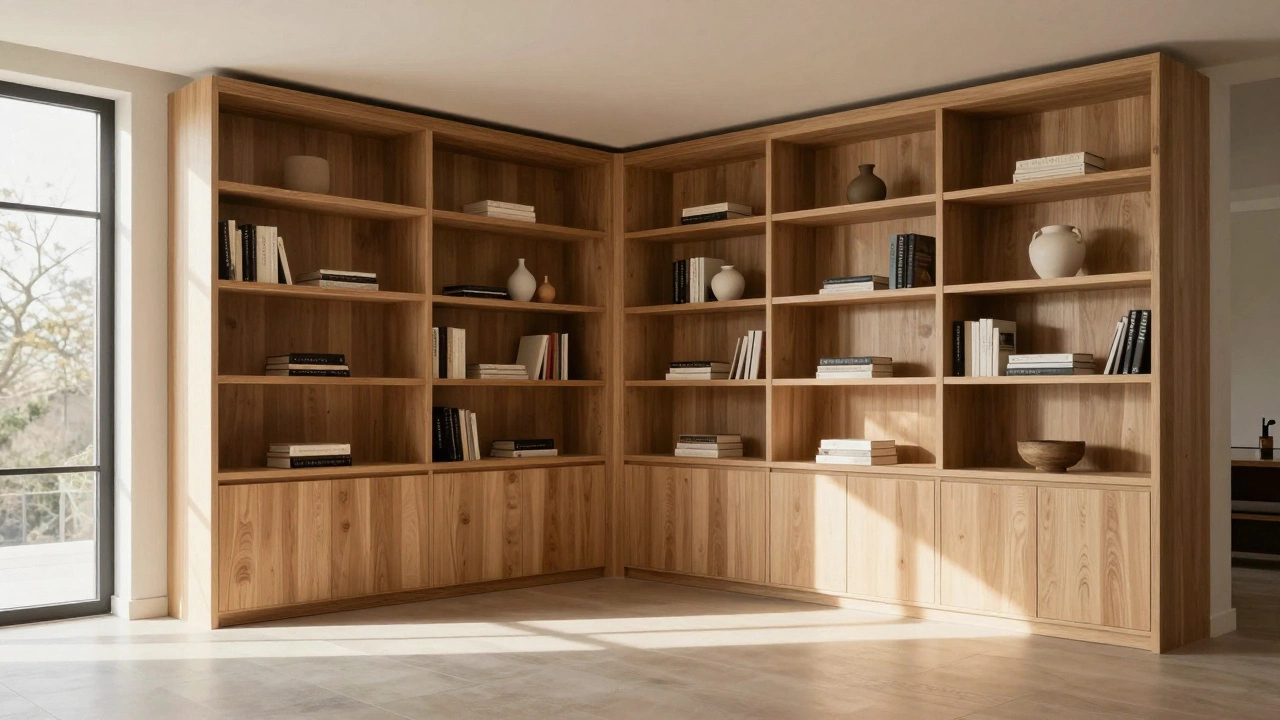
Money saved by selling faster.You walk into a living room, and there it is: floor-to-ceiling shelving that wraps around the corner, holding everything from first editions to ceramic vases. It feels permanent. It feels intentional. It feels expensive. Now ask yourself: if you were selling this house tomorrow, would that custom feature pay for itself?
That is the million-dollar question (or at least the fifty-thousand-dollar one). Do built-in bookcases actually add monetary value to a property, or are they just a personal indulgence that buyers might ignore-or worse, hate?
The short answer is yes, but with significant caveats. They do not typically return a dollar-for-dollar investment like a kitchen remodel might. Instead, they work differently. They act as a psychological trigger, increasing perceived value and speeding up sales rather than strictly inflating the appraisal number. Let’s break down why that happens, when it works, and when you should skip the carpentry.
The Psychology of Permanence
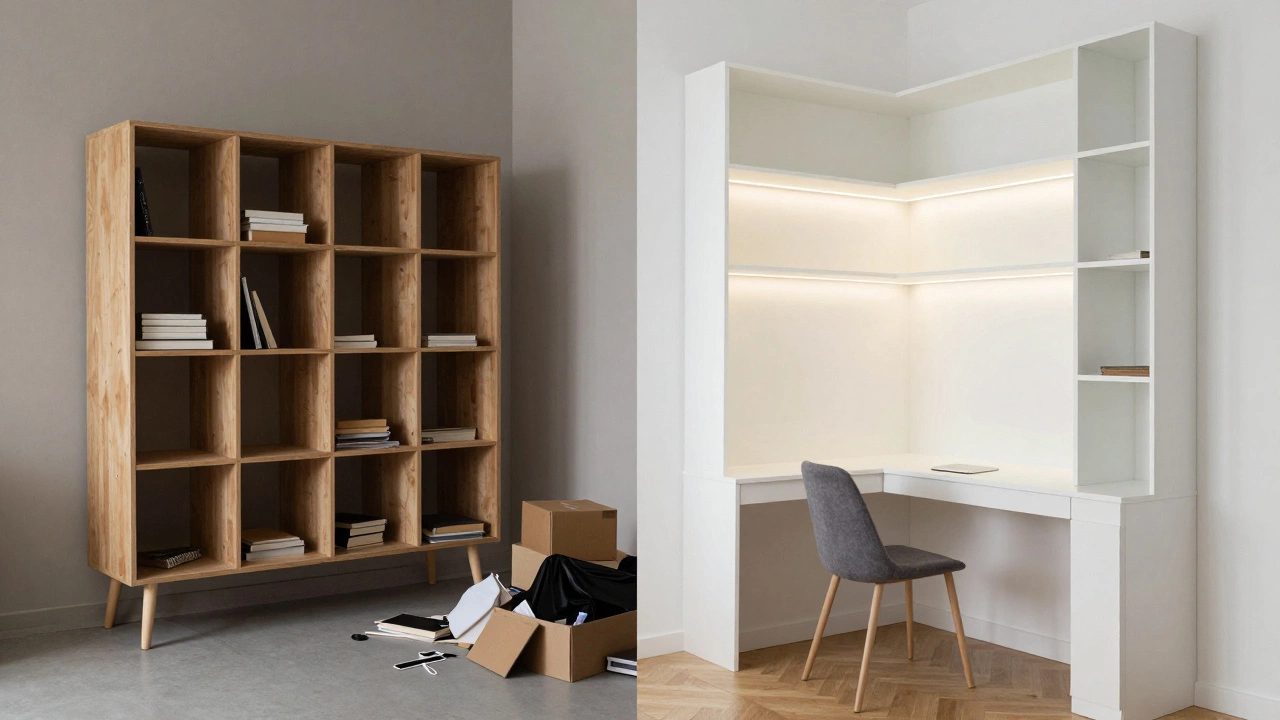
Real estate is rarely about math; it is about emotion. When a buyer walks through a home, they are trying to visualize their life in the space. Furniture on legs-freestanding units-can feel temporary. They suggest that the previous owner just bought something from a big-box store last month. They can be moved, replaced, or left behind.
Built-ins signal permanence. They tell the brain, "This part of the house was designed for this purpose." This creates a sense of architectural integrity. According to data from the National Association of Realtors (NAR), while specific built-in shelving isn't always listed as a top-ROI item like granite countertops, "architectural details" consistently rank high in what buyers find appealing. A well-executed built-in library nook transforms a generic wall into a destination.
Think of it this way: a freestanding bookcase is an accessory. A built-in bookcase is architecture. Buyers pay premiums for architecture because it implies quality construction and thoughtful design throughout the rest of the home.
Appraisal vs. Marketability
Here is where many homeowners get confused. An appraiser looks at comparable sales (comps) in your neighborhood. If the houses nearby sell for $500,000, your appraiser will likely value your home near that mark, regardless of whether you have a stunning mahogany library or bare drywall. Appraisers focus on square footage, condition, and major systems (roof, HVAC, foundation).
However, marketability is different. Marketability is about how fast the house sells and whether it attracts bidding wars. Built-ins increase marketability by:
- Reducing clutter anxiety: Buyers see storage solutions already integrated, meaning they don't have to imagine where their stuff goes.
- Creating focal points: In open-concept homes, which often lack character, built-ins provide visual anchors that define rooms without blocking light flow.
- Appealing to niche demographics: Remote workers, teachers, academics, and collectors actively search for homes with dedicated workspace or display areas.
In a competitive seller's market, a unique feature like this can tip the scales between two similar properties. You might not get an extra $10,000 on paper, but you might get three offers instead of one, driving the final price above asking.
Cost vs. Return: The Numbers Game
To understand the value, we need to look at the cost. Custom built-in bookcases vary wildly in price depending on materials, complexity, and labor rates in your region.
| Material/Type | Average Cost per Linear Foot | Total Project Estimate (Standard Wall) |
|---|---|---|
| Pine (Painted) | $150 - $300 | $1,500 - $3,000 |
| Hardwood (Stained) | $300 - $600 | $3,000 - $6,000 |
| High-End Custom (Glass/Metal accents) | $600+ | $6,000+ |
If you spend $5,000 on a custom walnut library, you are unlikely to recoup that full amount in the sale price. Industry standards for home improvement ROI suggest that minor wood trim projects return about 70-80% of costs. However, this metric is flawed for aesthetic features. You aren't buying a stock option; you are curating a lifestyle product.
The "value" comes from the premium you command over the baseline. If your home sits on the market for 60 days without built-ins, carrying costs (mortgage, utilities, insurance) eat into your profit. If built-ins help it sell in 14 days, you save thousands in holding costs. That is hidden ROI.
When Built-Ins Hurt Your Sale
Not all additions are good additions. There are scenarios where built-in bookcases can actually deter buyers or lower perceived value.
Overly Specific Designs: If you build shelves sized exactly for your rare vinyl collection or your specific line of cookbooks, other buyers may see wasted space. Generic, adjustable shelving is safer. Fixed, narrow shelves limit utility.
Dated Aesthetics: Dark, heavy oak built-ins with ornate molding were popular in the 1990s and early 2000s. Today’s buyers often prefer lighter woods, white painted finishes, or modern minimalist styles. If your built-ins scream "1998," they become a renovation project for the buyer, which lowers the offer price.
Blocking Light or Flow: A massive unit that blocks a window or makes a hallway feel cramped reduces the functional square footage. Always prioritize natural light. Floating shelves or low-profile built-ins are better choices in small spaces.
Alternatives That Offer Similar Value
If the cost of custom carpentry scares you, or if you rent and cannot modify walls, there are alternatives that capture some of the same benefits.
Modular Shelving Systems: Brands like IKEA’s Billy or Elfa offer modular units that can be anchored to walls and styled to look semi-permanent. While they won’t move the needle on appraisal, they help stage the home effectively.
Painted Nooks: Sometimes, simply painting a recessed wall section a contrasting color and adding simple floating shelves creates the illusion of a built-in for a fraction of the cost. This is a high-impact, low-cost staging trick.
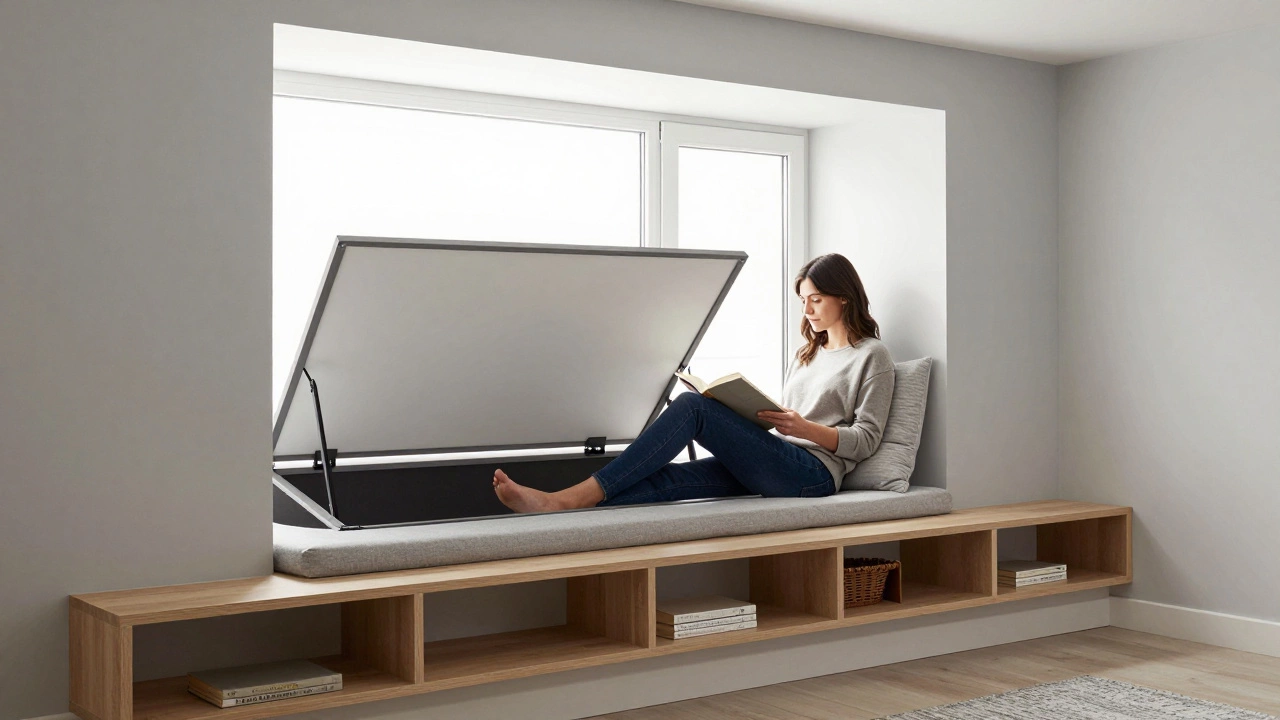
Window Seats with Storage: If you have a bay window, converting it into a seat with lift-up storage lids adds both seating and hidden storage. This is a highly sought-after feature in family homes and often has a higher perceived value than pure bookshelves.
Design Tips for Maximum Appeal
If you decide to invest in built-ins, design them with the next buyer in mind, not just your current needs. Here is how to maximize appeal:
- Mix Open and Closed Storage: Pure open shelves show dust and clutter quickly. Include cabinets with doors for hiding miscellaneous items. A 50/50 split is usually ideal.
- Choose Neutral Finishes: White, light gray, or natural light wood (oak, ash) appeals to the widest audience. Avoid bold stains or exotic woods unless you are in a luxury market that expects them.
- Integrate Lighting: LED strip lighting inside the shelves adds a layer of sophistication. It highlights books and decor, making the space feel curated even when empty.
- Go Floor-to-Ceiling: Even if your ceiling is only 8 feet high, extending the cabinet to the top eliminates the awkward gap where dust collects and draws the eye upward, making the room feel taller.
The Verdict: Is It Worth It?
Do built-in bookcases add value? Yes, but not in the way you might think. They are not a financial instrument; they are a marketing tool. They differentiate your home in a sea of cookie-cutter listings. They signal care, quality, and style.
If you plan to stay in your home for more than five years, build them for yourself. The joy of having a beautiful, organized space outweighs the potential resale calculation. If you plan to sell within two years, keep it simple. Choose neutral materials, avoid overly complex designs, and ensure the unit solves a common problem (like lack of storage) rather than showcasing a niche hobby.
In the end, the best built-in is one that disappears into the background of a happy home. Whether you are living in it or selling it, that seamless integration is what buyers-and lenders-really value.
Do built-in bookcases increase home appraisal value?
Typically, no. Appraisers base value on comparable sales, square footage, and major structural elements. Built-ins are considered cosmetic improvements and rarely change the official appraised value directly. However, they can increase the final sale price by attracting more interest and faster offers.
What is the average cost to install built-in bookshelves?
The cost varies widely based on materials and labor. On average, expect to pay between $150 and $600 per linear foot. A standard 8-foot wall might cost between $1,500 for basic pine and $5,000+ for high-end hardwoods with custom detailing.
Are built-in bookcases better than freestanding ones for resale?
Yes, generally. Built-ins are seen as part of the home's architecture, offering a sense of permanence and custom design. Freestanding units are viewed as personal property that can be removed. Built-ins also utilize vertical space more efficiently and can be tailored to fit awkward corners.
Can I DIY built-in bookcases to save money?
You can, but precision is key. DIY kits or pre-made components anchored to studs can mimic the look of custom built-ins for a fraction of the cost. However, poor installation can look cheap and hurt resale value. If you DIY, focus on clean lines, secure anchoring, and professional-grade finishing (paint or stain).
What style of built-in bookshelf is most popular with buyers in 2026?
Current trends favor light woods (white oak, ash), matte white painted finishes, and minimalist designs. Integrated lighting and mixed storage (combining open shelves with closed cabinets) are highly desirable. Heavy, dark, ornate styles from previous decades are less appealing to modern buyers.