Sofa Bed Suitability Checker
Analysis Result:
Select your options and click analyze to see if your setup is safe for your spine.
Quick Takeaways
- Standard spring-based sofa beds are generally poor for long-term daily use due to lack of support.
- Memory foam and high-density polyurethane options are significantly better for your back.
- Daily use accelerates the wear and tear on the folding mechanism.
- A high-quality mattress topper can turn a mediocre sleeper sofa into a viable daily bed.
The Truth About Your Spine and Sleeper Sofas
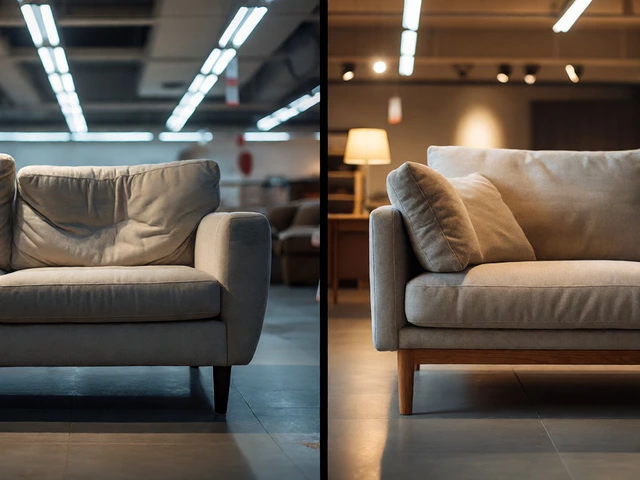
When you sleep, your body needs a surface that maintains the natural curve of your spine. A traditional sofa bed is a dual-purpose piece of furniture that functions as a seating area by day and a bed by night. The problem is that most are designed for the "once-a-month guest" scenario. They often use thin, inner-spring mattresses that have a tendency to sag in the middle.
If you sleep on a sagging surface every night, your hips sink too deep, and your spine bows. This leads to chronic lower back pain and that dreaded "morning stiffness." To make a sofa bed work for 365 days a year, you need to move away from the old-school metal bars and thin springs. You want a surface that offers consistent pressure relief across your shoulders and hips.
Comparing Bed Types for Daily Use
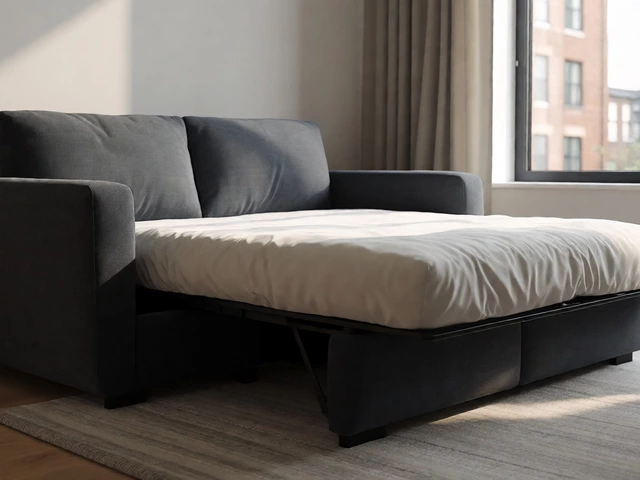
Not all sofa beds are created equal. Depending on the mechanism, your experience will vary wildly. For example, a traditional pull-out is very different from a click-clack or a cabinet bed.
| Bed Type | Comfort Level | Durability | Best For |
|---|---|---|---|
| Pull-Out (Spring) | Low | Medium | Occasional Guests |
| Memory Foam Sleeper | High | High | Daily Use / Studio Living |
| Click-Clack / Futon | Medium-Low | Medium | Teenagers / Short-term |
| Cabinet / Murphy Bed | Very High | High | Permanent Bedroom Replacement |
The Memory Foam Game Changer
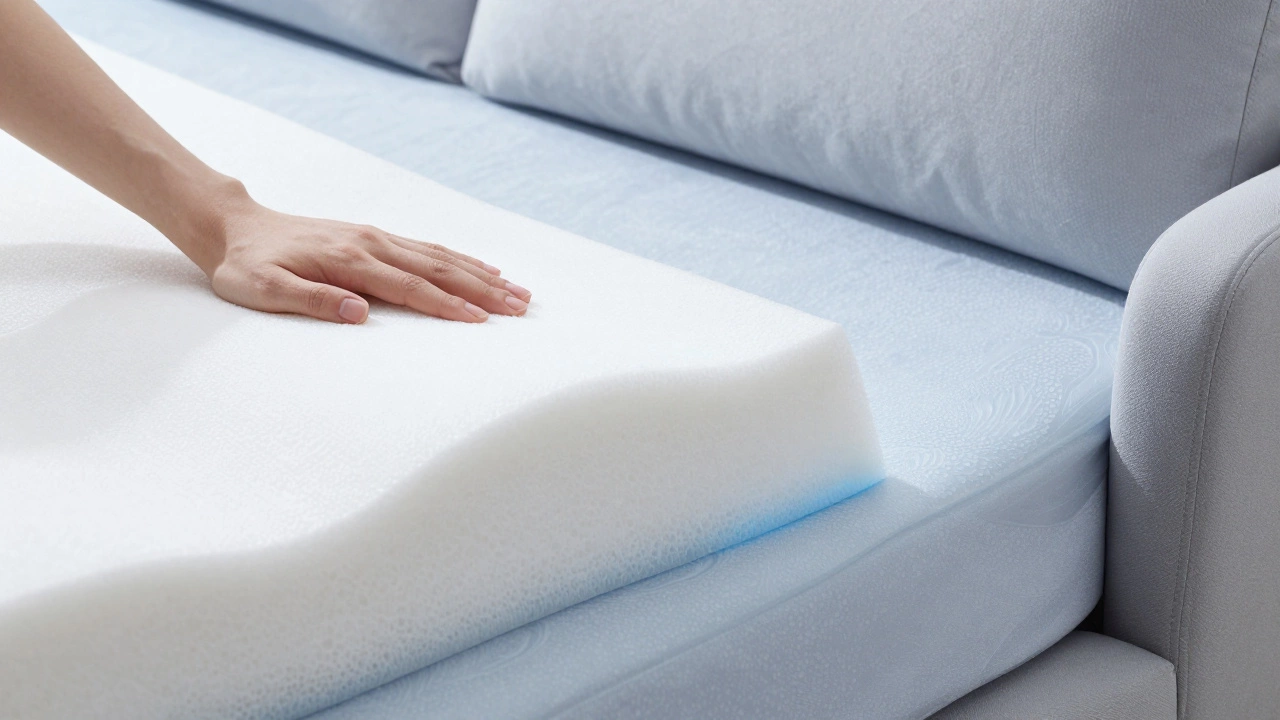
If you are committed to using a sofa bed daily, look for Memory Foam. Unlike springs, viscoelastic foam contours to your body shape and distributes weight evenly. This is crucial because it eliminates the "bar-in-the-back" feeling that plagues cheaper models.
High-density foam is the gold standard here. If the foam is too soft, you'll feel like you're sleeping in a marshmallow, which is just as bad for your alignment as a hard surface. Look for a medium-firm rating. A good rule of thumb is the "hand test": press your hand into the foam; it should bounce back slowly and firmly, not instantly or sluggishly.
Managing the Wear and Tear
Here is a reality check: furniture is usually designed for one primary function. When you use a sofa bed daily, you are putting it through a rigorous cycle of transformation. Every time you pull out the mechanism or flip a cushion, you are stressing the hinges, bolts, and fabric.
To keep your bed from falling apart in six months, focus on these maintenance tips:
- Rotate the mattress: Even with foam, certain areas (like where your hips rest) will compress faster. If the mattress is removable, flip it every few weeks.
- Check the bolts: The constant movement of folding and unfolding can loosen the hardware. Every few months, grab a wrench and ensure the frame is tight.
- Use a Protector: Sofa bed fabrics are often thinner than dedicated mattress covers. A waterproof, breathable mattress protector prevents sweat and oils from breaking down the foam.
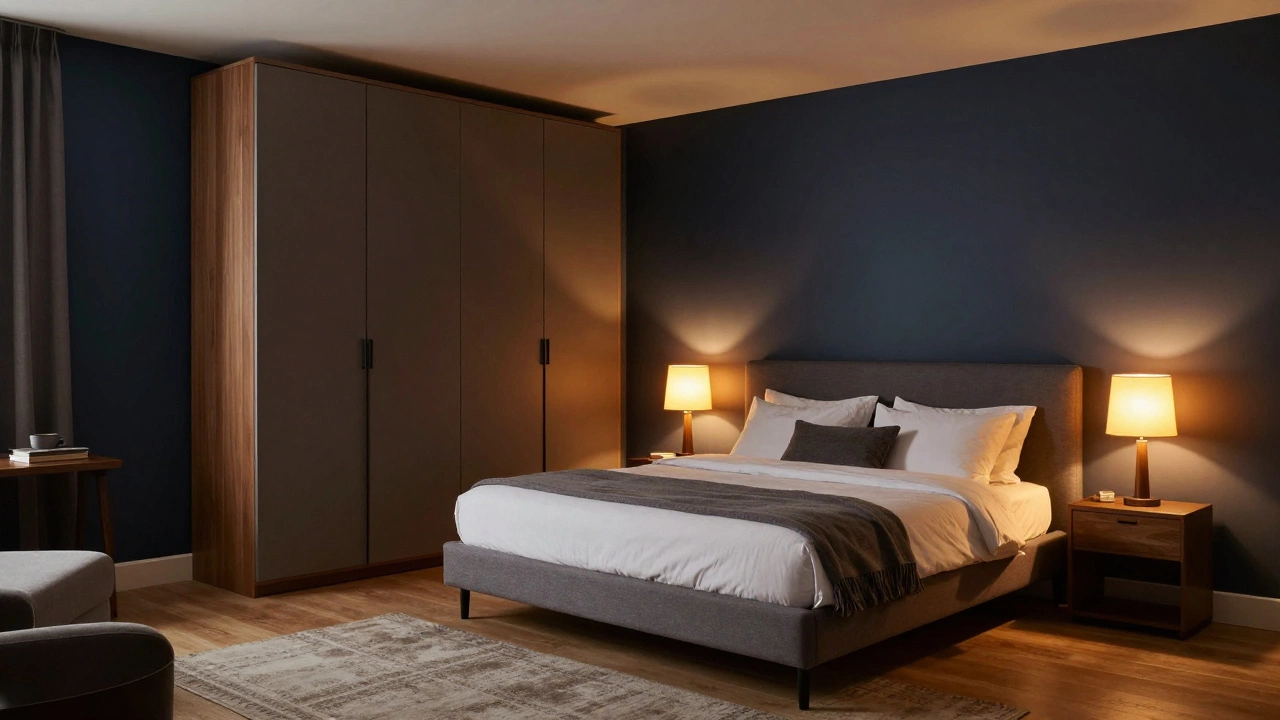
The Secret Weapon: The Mattress Topper
Let's be honest: most people already own a sofa bed and realize it's uncomfortable. You don't necessarily need to buy a new couch. The most effective way to make a sofa bed viable for daily use is adding a 2-to-3 inch Mattress Topper. A separate layer of foam or latex placed on top of the existing mattress can mask the unevenness of a spring system.
A gel-infused topper is especially helpful if you find that foam sleepers get too hot. Since foam traps heat, the gel helps regulate your temperature, preventing those midnight wake-ups because you're overheating. This simple addition can turn a "guest bed" into something that actually feels like a real mattress.
When to Stop Using a Sofa Bed
Despite the best toppers and foams, there comes a point where a sofa bed just isn't enough. If you start noticing specific physical red flags, it's time to invest in a dedicated mattress. Watch out for these symptoms:
- Morning numbness: If you wake up with tingling in your arms or legs, your circulation is being pinched by an uneven surface.
- The "Hollow" feeling: When the center of the bed dips significantly, creating a valley that traps you in the middle.
- Chronic fatigue: If you sleep eight hours but still feel exhausted, your body is spending the night fighting to stay aligned rather than recovering.
Will I get back pain from sleeping on a sofa bed every night?
It depends entirely on the mattress quality. Cheap, thin spring mattresses often lack the necessary support for the lumbar region, which can lead to chronic lower back pain over time. However, high-density memory foam or a high-quality mattress topper can provide enough support to prevent these issues for many people.
How long do sofa beds last if used daily?
A standard sofa bed used daily will likely wear out faster than one used for guests. You can expect the mechanism and the cushion integrity to decline within 2 to 5 years, whereas a dedicated bed would last 7 to 10. Regular maintenance and using a protector can extend this lifespan.
Is a futon better for daily use than a pull-out?
Generally, a high-quality futon with a thick mattress is more durable than a cheap pull-out. However, the "fold" in the middle of a futon can be a major comfort issue. If you choose a futon, ensure the mattress is at least 5-6 inches thick and made of a supportive material.
Can I put a real mattress on a sofa bed frame?
Usually, no. The frames are specifically designed for the thin mattresses that come with them. A standard mattress would be too heavy and thick, preventing the sofa from closing or potentially bending the metal frame.
What is the most comfortable sofa bed for a permanent setup?
The most comfortable option is a cabinet bed or a high-end memory foam sleeper. Cabinet beds often use real mattresses that fold in half, providing the most authentic sleeping experience. If you need a traditional sofa, prioritize a brand that uses high-density polyurethane foam over inner-springs.
Final Tips for the Studio Dweller
If you're stuck with a sofa bed for the foreseeable future, don't just suffer through the night. Start by auditing your current setup. Is the mattress sagging? Add a topper. Is the frame creaking? Tighten the bolts. If you're in the market for a new one, ignore the "aesthetic" of the couch and focus entirely on the specs of the mattress.
Remember that your sleep quality dictates your productivity and mood for the next 16 hours of the day. If you find that you're still waking up tired, it might be worth looking into a Murphy Bed. While more expensive and harder to install, they provide a real mattress and a real frame, removing the compromise entirely from your bedroom equation.