Sofa Sleep Risk Calculator
Check the factors below that apply to your current sofa sleeping habits to assess potential health risks.
Risk Score: 0/10
Analysis:
Recommendations:
You know that feeling when you’re binge-watching a series or catching up on reading, and suddenly your eyes get heavy? The sofa is right there, soft and inviting. It feels like the perfect place to drift off for a quick nap. But here’s the hard truth: sleeping on your couch, even just occasionally, can mess with your sleep quality and hurt your body over time.
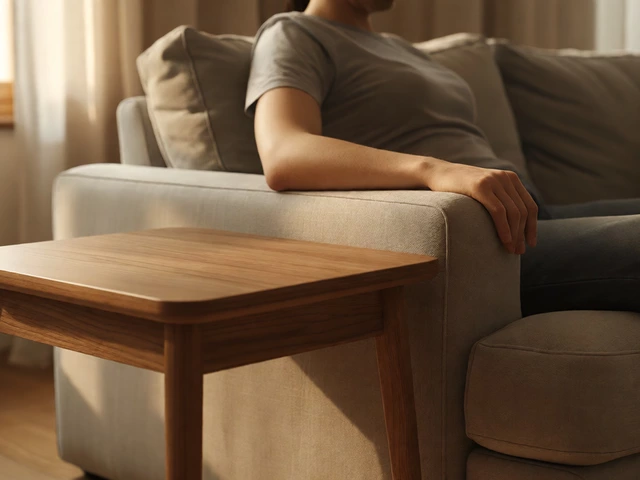
We often think of our living room seating as a temporary resting spot. However, unlike a proper bed, sofas are designed for sitting upright, not lying flat for extended periods. This design mismatch creates a host of issues, from immediate discomfort to long-term posture problems. If you’ve ever woken up with a stiff neck or sore lower back after napping on the couch, this is why.
The Ergonomic Mismatch: Why Sofas Aren’t Beds
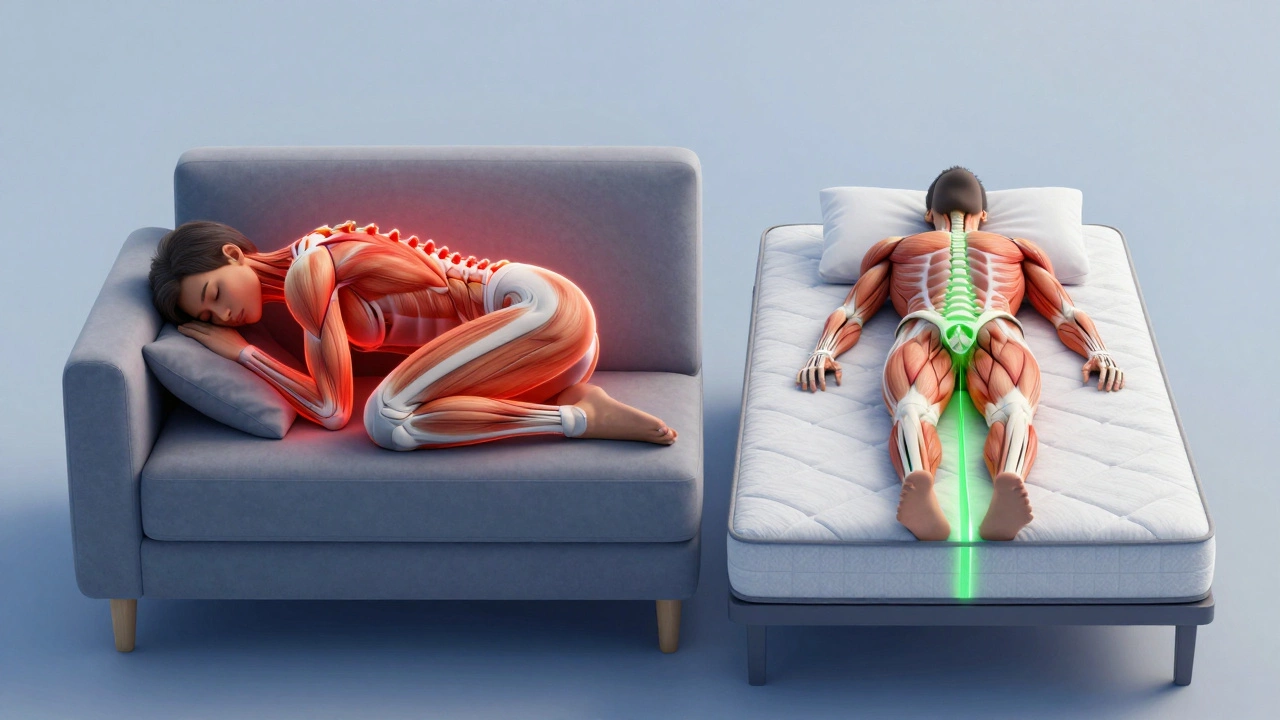
To understand why the sofa is a poor substitute for a bed, we need to look at ergonomics. A mattress is designed to support the natural curvature of your spine while distributing body weight evenly. Most mattresses have specific zones for head, shoulder, hip, and knee support. Your sofa lacks these specialized support systems entirely.
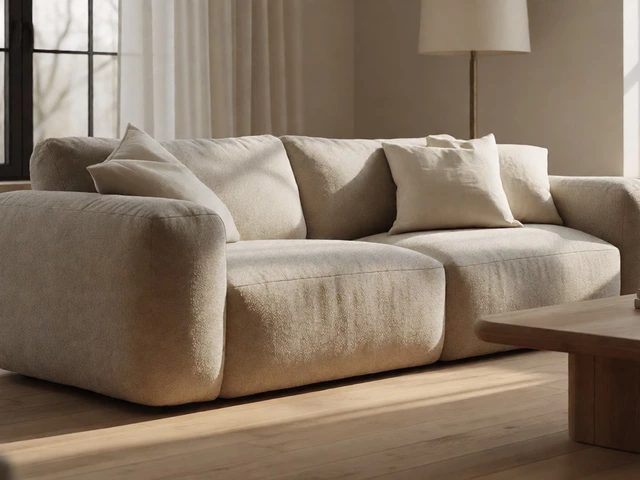
When you lie down on a standard sofa, your body sinks into the cushions. This causes your hips to drop lower than your shoulders, creating a curved shape in your spine that it wasn’t meant to hold for hours. This position puts unnecessary strain on your intervertebral discs-the small shock absorbers between your vertebrae. Over time, this pressure can lead to disc degeneration or herniation, conditions that cause chronic pain and require medical intervention.
- Sink Effect: Soft cushions allow your hips to sink, misaligning the pelvis.
- Lack of Lumbar Support: Without firm backing, the lower back arches unnaturally.
- Head Positioning: Pillows on sofas are often too low or too high, straining the cervical spine.
Even if you use extra pillows to prop yourself up, you’re likely creating a slumped posture. This “C-shape” curve compresses the front of your chest and restricts deep breathing. Restricted breathing means less oxygen reaches your brain and muscles, which is why you might wake up feeling groggy rather than refreshed.
Specific Risks of Sleeping on Corner Sofas
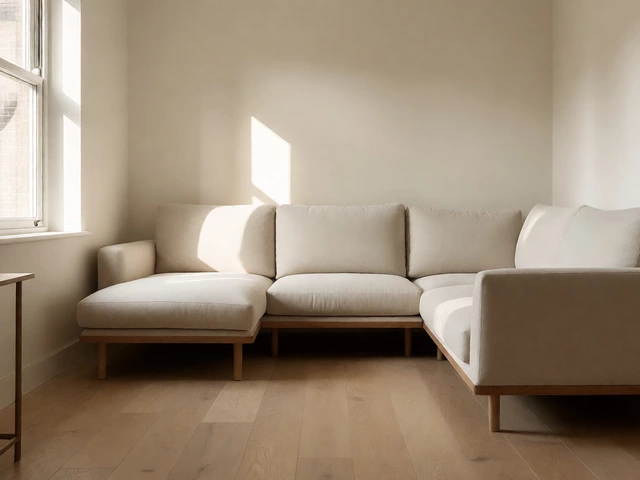
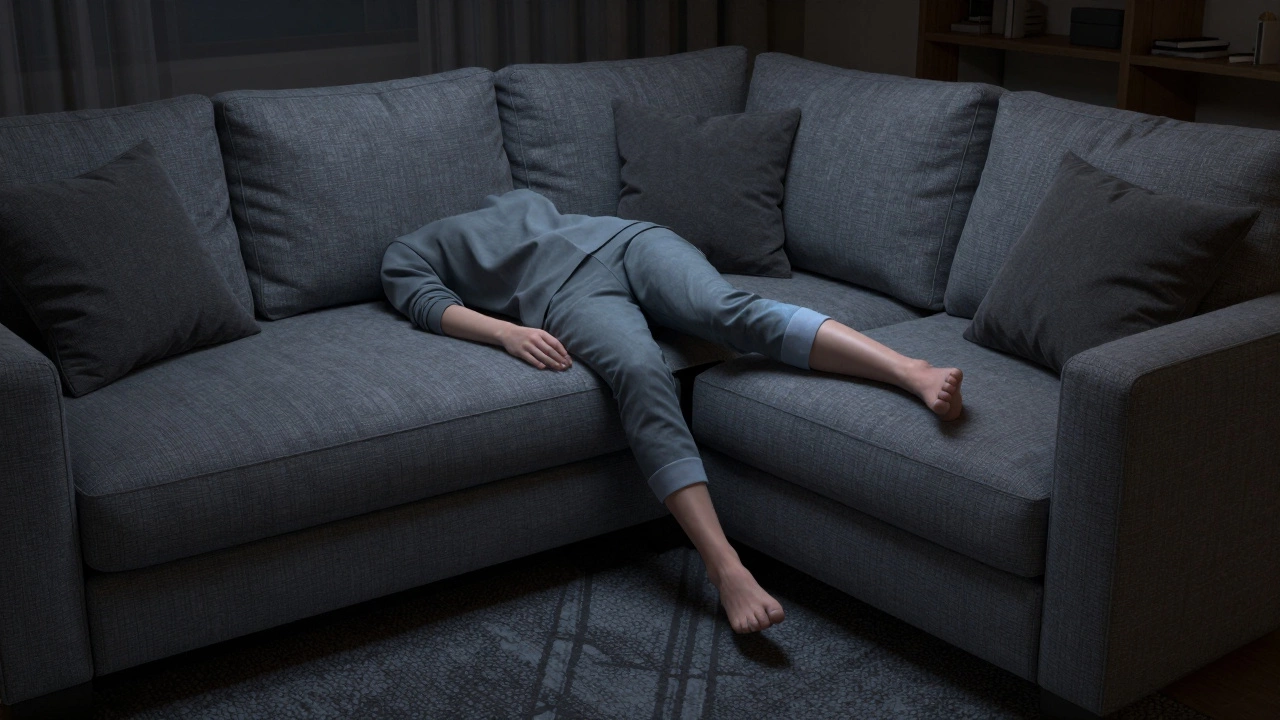
If you own a corner sofa is a large L-shaped seating arrangement designed for maximizing space in living rooms, the risks are amplified. Corner sofas are built for socializing and lounging, not for horizontal rest. Their structure introduces unique hazards that straight sofas do not.
The most obvious danger is the chaise section. Many people try to stretch out along the chaise part of an L-shaped sofa. However, the chaise is often narrower than the main seating area. This width discrepancy forces your legs to hang off the edge or squeeze uncomfortably. When your legs dangle, blood flow to your feet and ankles is restricted. This can lead to numbness, tingling, and in severe cases, temporary nerve damage known as paresthesia.
Furthermore, the joint where the two sections of the corner sofa meet is rarely seamless. There is often a gap or a slight elevation change. If you roll over in your sleep-a natural movement during REM cycles-you can easily twist your ankle or jam your hip into this awkward junction. I’ve seen clients trip over these seams even when walking; imagine trying to navigate them while unconscious.
| Feature | Bed Mattress | Standard Sofa | Corner Sofa |
|---|---|---|---|
| Spinal Alignment | Optimal (Neutral) | Poor (Curved) | Very Poor (Uneven) |
| Surface Width | Consistent (54-80 inches) | Variable (30-35 inches) | Inconsistent (Chaise vs Main) |
| Cushion Firmness | Firm/Medium | Soft/Sinking | Soft/Sinking |
| Risk of Injury | Low | Moderate (Neck/Back) | High (Joints/Gaps) |
The Impact on Sleep Quality and Circadian Rhythm
Sleep isn’t just about closing your eyes; it’s about entering specific stages of restorative rest. Your brain cycles through light sleep, deep sleep, and REM (Rapid Eye Movement) sleep. Physical comfort is a primary driver for staying in these stages. If you are uncomfortable, your brain triggers micro-arousals-brief moments of waking that pull you out of deep sleep.
Because sofas are uncomfortable for lying down, you experience more frequent micro-arousals. You might not remember waking up, but your sleep architecture is fragmented. Fragmented sleep prevents you from getting enough Deep Sleep, which is crucial for physical repair and immune function. It also reduces REM sleep, which is vital for memory consolidation and emotional regulation.
Additionally, the environment matters. Bedrooms are typically darker, quieter, and cooler than living rooms. Living rooms often have ambient noise from TVs, household traffic, and street lights coming through larger windows. This environmental mismatch signals to your brain that it is not time for full rest. Your cortisol levels (stress hormone) may remain elevated, preventing the relaxation needed for true recovery.
Long-Term Postural Consequences
Occasional napping on the sofa might result in a stiff morning. Chronic sleeping on the sofa, however, leads to structural changes. Your body adapts to the positions you hold repeatedly. If you consistently sleep in a curled-up position on a soft cushion, your hip flexors shorten and your chest muscles tighten.
This condition is often referred to as Upper Crossed Syndrome is a postural imbalance characterized by rounded shoulders and forward head posture. It’s common in office workers who sit all day, but sleeping on the sofa exacerbates it. Over months, this can lead to chronic headaches, reduced lung capacity, and chronic lower back pain that persists even when you are standing or walking.
For older adults, the risk is even higher. Reduced bone density (osteoporosis) makes the spine more vulnerable to compression injuries. Falling asleep on an unstable surface like a sinking sofa cushion increases the risk of minor fractures or strains upon waking and moving.
Better Alternatives for Rest
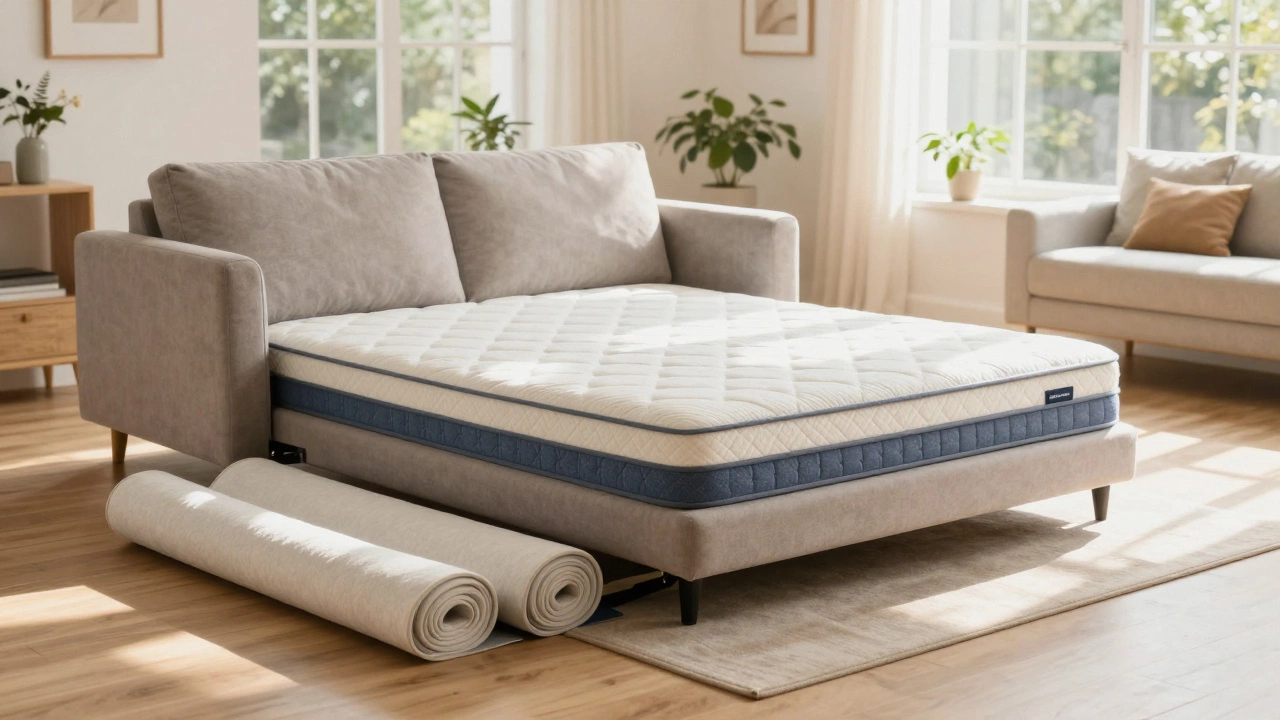
If you love relaxing in the living room, there are safer ways to rest without compromising your health. First, consider investing in a sleeper sofa is a piece of furniture that converts into a flat bed using a pull-out mechanism. Modern sleeper sofas have improved significantly. They now feature pocket coil mechanisms and thicker mattress pads that provide near-bed-level support. While they still aren’t as good as a dedicated bed, they are infinitely better than a standard corner sofa.
Another option is a floor mattress is a thin, portable sleeping pad placed directly on the floor. Placing a high-quality futon or camping mattress on the floor provides a firmer, flatter surface than any sofa cushion. This keeps your spine neutral and eliminates the risk of falling into gaps or seams.
If you must use your current sofa for a nap, follow these guidelines to minimize damage:
- Limit Time: Keep naps under 20 minutes to avoid entering deep sleep stages where movement is restricted.
- Use Bolsters: Place a firm pillow under your knees if lying on your back, or between your knees if lying on your side. This helps maintain spinal alignment.
- Avoid the Chaise: Stick to the main seating section where the depth is consistent. Avoid stretching across the L-joint of a corner sofa.
- Check the Firmness: If your sofa is extremely soft, add a rigid board (like plywood covered with a blanket) on top of the cushions to create a firmer surface.
Conclusion: Prioritize Your Spine
Your sofa is a great piece of furniture for hosting friends, watching movies, and reading. It is not a tool for rest. The ergonomic flaws of sofas, especially corner models with uneven surfaces and narrow chaises, make them dangerous for sleeping. The short-term convenience of a cozy nap is not worth the long-term cost of back pain, poor sleep quality, and postural degradation.
Treat your sleep environment with respect. Keep the sofa for sitting and reserve the bed for sleeping. If you need flexible sleeping options, invest in a dedicated sleeper sofa or a floor mattress. Your spine will thank you for the clarity.
Is it bad to sleep on the sofa every night?
Yes, sleeping on the sofa every night is detrimental to your health. It leads to chronic misalignment of the spine, resulting in persistent back and neck pain. Additionally, the lack of proper support fragments your sleep cycles, leaving you fatigued and affecting your mental health over time.
Why is sleeping on a corner sofa worse than a regular sofa?
Corner sofas pose higher risks due to their uneven structure. The chaise section is often narrower, causing limbs to hang off the edge and restricting blood flow. The joint between sections creates a tripping hazard and an uneven surface that can twist joints or strain muscles during sleep movements.
Can I fix my posture if I slept on the sofa?
Minor stiffness from occasional sofa sleeping can be relieved with gentle stretching and heat therapy. However, chronic posture issues developed from long-term sofa sleeping require corrective exercises, possibly physical therapy, and a return to proper sleeping surfaces to reverse muscle imbalances.
What is the best alternative to a bed for living room naps?
The best alternatives are a high-quality sleeper sofa with a pull-out mattress mechanism or a firm floor mattress (futon). These options provide a flat, even surface that supports spinal alignment, unlike the sinking cushions of a standard sofa.
Does sleeping on a soft sofa affect sleep quality?
Yes, soft sofas cause your body to sink, leading to micro-arousals throughout the night. These interruptions prevent you from reaching deep sleep and REM stages, resulting in unrefreshing rest and increased fatigue the next day.