ADHD-Friendly Workspace Compatibility Checker
Workspace Assessment
Answer the following questions about your current setup to see if it supports your need for movement.
Complete the assessment to see your compatibility score and personalized recommendations.
You’ve probably seen it happen. Someone sits at their desk, looks focused on a screen or a book, but their foot is tapping like a metronome. Or maybe they’re swinging one leg back and forth under the table. If you have Attention Deficit Hyperactivity Disorder (ADHD), this might be your default setting. It’s not just bad manners, and it’s usually not because you’re bored. There is actual biology driving that movement.
For years, people thought fidgeting was just a distraction. Now we know better. Moving your legs helps your brain stay online. But here is the catch: most furniture fights against this need. Standard office chairs are designed to keep you still. When you sit in a rigid box of foam and plastic while your nervous system screams for input, you get uncomfortable, distracted, and eventually exhausted. Finding an office chair that works with your body, not against it, changes everything.
The Brain-Body Connection: Why You Can’t Sit Still
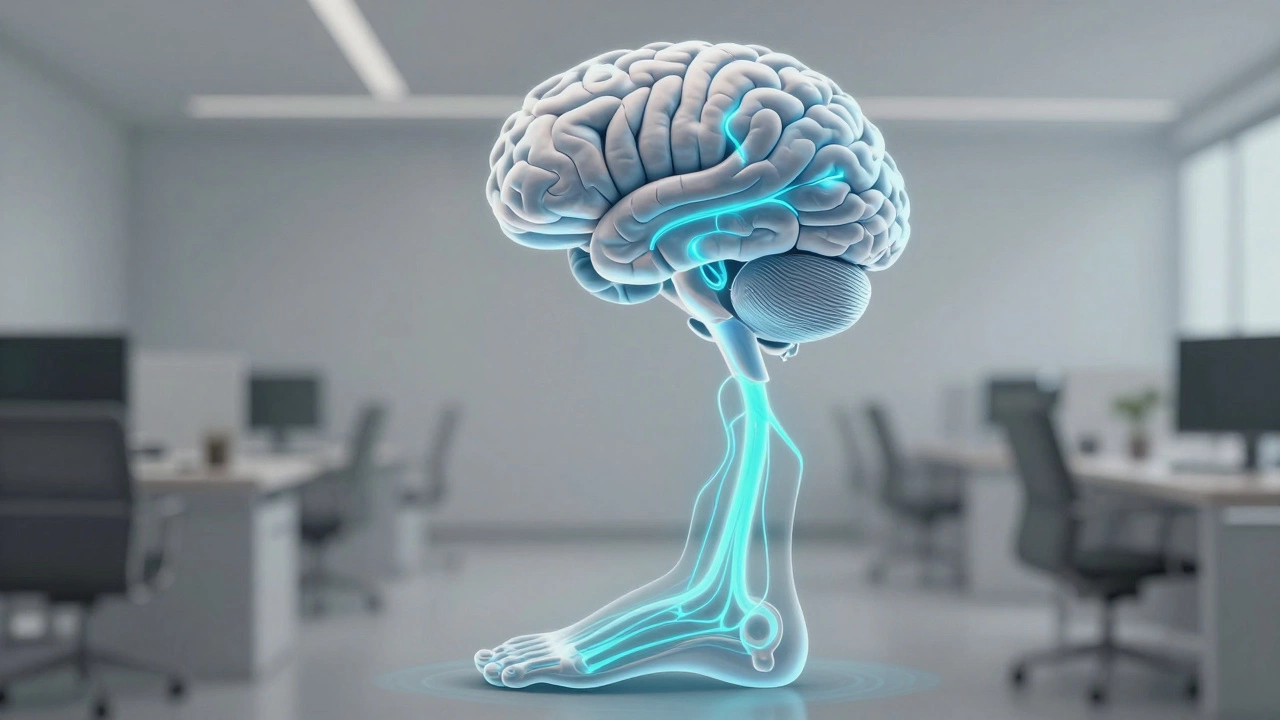
To understand why you bounce your leg, you have to look at how the ADHD brain manages energy. Your brain has lower levels of certain neurotransmitters, specifically dopamine and norepinephrine. These chemicals help regulate attention and impulse control. When you sit perfectly still, those levels can drop too low for effective focus. Your body knows this. It starts moving to stimulate the production of these chemicals.
This is called self-stimulation. By bouncing your leg or rocking your torso, you create sensory feedback. This physical activity raises your arousal level just enough to help you concentrate on the task at hand. Think of it like revving an engine to keep it from stalling. The movement isn't stealing your attention; it's supporting it.
However, there is a difference between functional fidgeting and distress. Restless Legs Syndrome (RLS) causes an uncontrollable urge to move due to discomfort or pain. ADHD fidgeting is usually comfortable or neutral-it feels good to move. If your legs feel like they are burning or crawling, that is a medical issue separate from attention regulation. For most neurodivergent workers, though, the tap-tap-tap is a tool for staying sharp.
Is leg bouncing actually helpful for concentration?
Yes. Research suggests that mild motor activity can improve cognitive performance in individuals with ADHD by increasing dopamine levels, which aids focus and alertness.
Why Standard Chairs Make It Worse
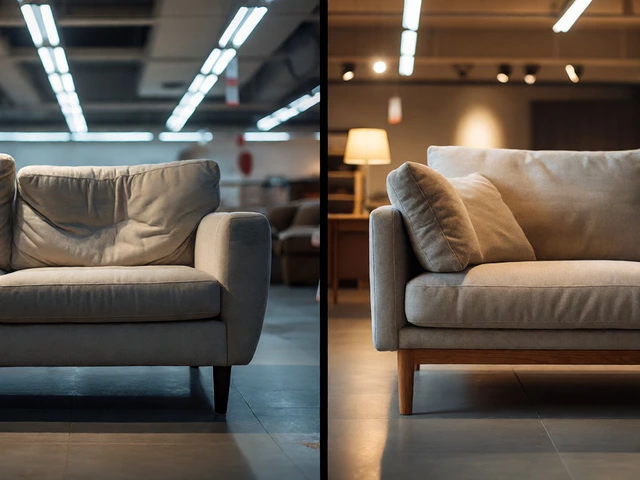
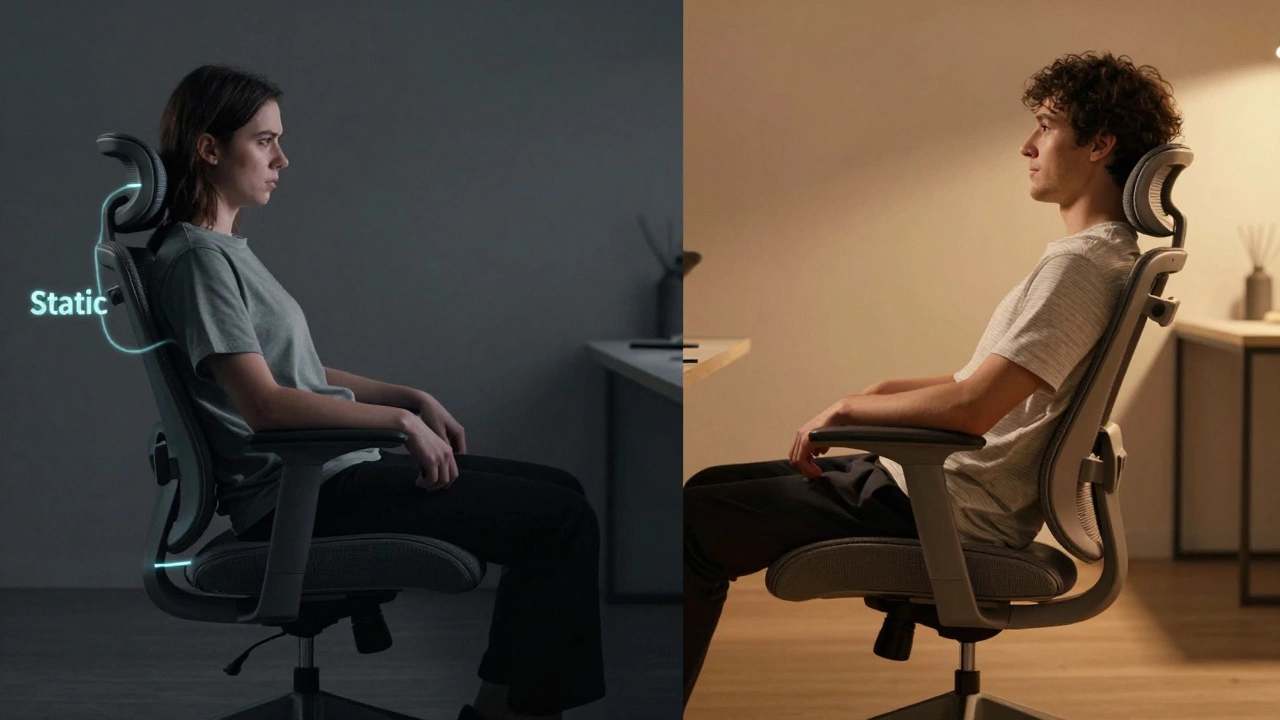
Most office chairs are built for a neurotypical population that doesn't require constant sensory input. They prioritize static support. A standard ergonomic chair locks you into a specific posture. It often has a fixed seat depth and limited mobility options. When your body wants to shift weight or rock forward, the chair resists. This creates a conflict.
Imagine trying to run while someone holds your ankles down. That is what sitting in a restrictive chair feels like for someone with high kinetic needs. You end up fighting the furniture. This fight drains mental energy. Instead of focusing on your work, you are subconsciously managing the discomfort of being trapped. You might find yourself getting up more often, losing flow, or feeling physically tense by the afternoon.
Some people try to fix this by buying expensive "premium" chairs with fancy lumbar adjustments. While good for back pain, these chairs often lack dynamic movement features. They are stable, yes, but stability is not always the goal. You need mobility. You need a seat that allows micro-movements without compromising support.
If you ever travel for work and need to navigate different environments, having resources can help. For instance, if you find yourself working remotely in Dubai, checking out this directory might offer some local insights on discreet services, though it is unrelated to ergonomics, it serves as a reminder that context matters everywhere. Back to the point: your workspace should adapt to you.
Features to Look for in Fidget-Friendly Seating
Not every chair that wobbles is good for you. You want controlled movement. Here are the specific features that make a chair suitable for ADHD users:
- Synchro-Tilt Mechanisms: Look for chairs where the backrest and seat move together. This allows you to recline slightly while keeping your feet flat, engaging core muscles naturally.
- Seat Pan Mobility: Some advanced chairs allow the seat cushion to tilt or slide slightly. This lets you shift your weight from side to side without standing up.
- Active Sitting Bases: Chairs with a flexible base or a suspended mesh seat respond to your movements. They don't lock you in place; they move with you.
- Adjustable Armrests: High-quality armrests let you lean forward and rest your elbows. This supports a forward-leaning posture, which many ADHD brains prefer for intense focus tasks.
- No Hard Edges: Soft edges on the seat pan prevent chafing when you are shifting positions frequently.
Avoid chairs with very stiff resistance springs. If you have to push hard to recline, you won't use the feature. You want a mechanism that feels responsive and light. The goal is seamless integration of movement into your workflow.
Beyond the Chair: Tools for Kinetic Needs
Sometimes a chair alone isn't enough. If your leg bouncing is vigorous, you might need additional tools. These accessories complement your seating setup and provide targeted sensory input.
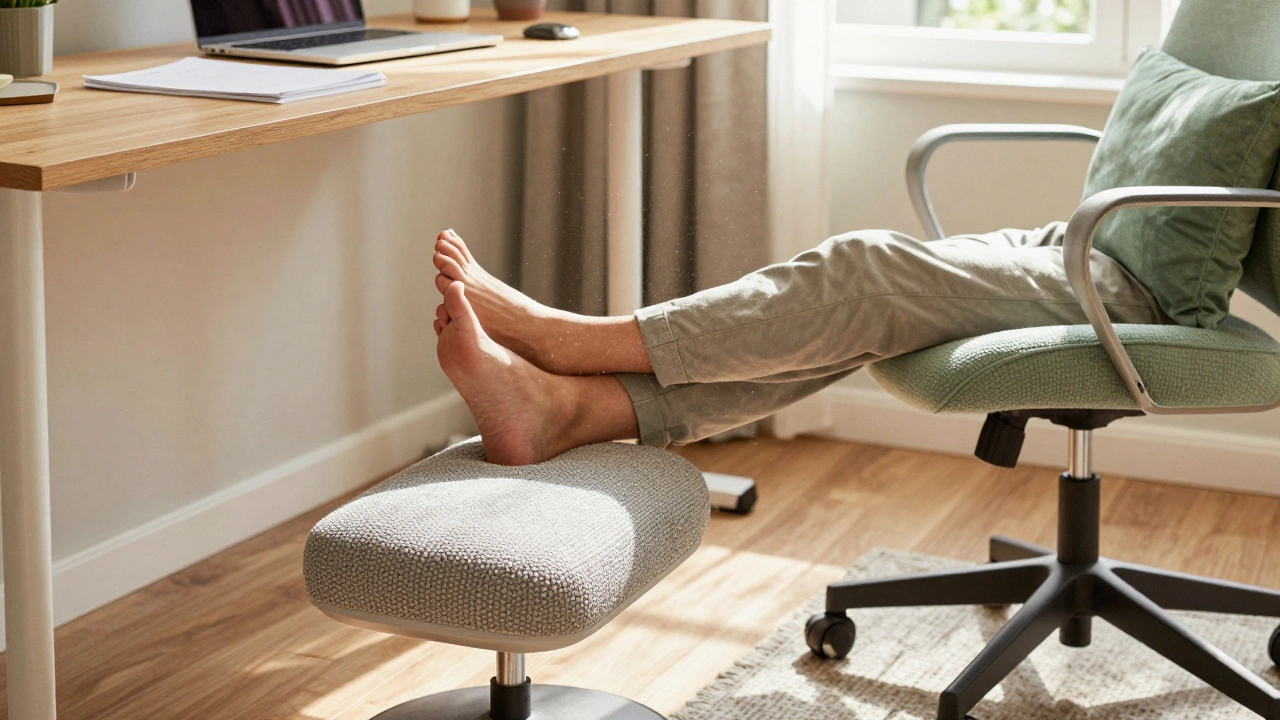
Fidget Footrests: These are small platforms placed under your desk. Many have textured surfaces or movable parts. You can roll them with your toes or press down on them. This keeps your hands free for typing while satisfying the urge to move your legs.
Wobble Cushions: You can place these on top of almost any chair. They create an unstable surface that forces your core and leg muscles to engage constantly to maintain balance. This provides deep pressure input and proprioceptive feedback, which is calming for the nervous system.
Under-Desk Treadmills: For extreme cases, walking slowly while working can be a game-changer. It increases blood flow and oxygen to the brain. However, this requires a larger desk and specific safety considerations. It is not practical for everyone, but it is an option for open-plan offices or home setups.
Combining a dynamic chair with a fidget footrest often yields the best results. The chair handles large postural shifts, while the footrest handles fine motor fidgeting.
Top Chair Types for Neurodivergent Workers
Let’s break down the main categories of chairs that accommodate movement. Understanding the differences helps you choose based on your budget and space.
| Chair Type | Movement Level | Best For | Price Range |
|---|---|---|---|
| Kneeling Chair | High (Core Engagement) | Posture correction, short bursts | $100 - $300 |
| Balance Ball Chair | Very High (Unstable) | Active sitters, gaming | $50 - $200 |
| Dynamic Mesh Chair | Medium (Responsive) | All-day comfort, professional settings | $400 - $1,200 |
| Standard Ergonomic | Low (Static) | Neurotypical users, strict budgets | $100 - $500 |
Kneeling Chairs force an open hip angle. They reduce pressure on the lower back and encourage you to sit upright. However, they can cause knee fatigue if used for hours. They are great for alternating with other seats.
Balance Ball Chairs are popular but controversial. They provide excellent core engagement, but the instability can be distracting for some. If you struggle with balance or have joint issues, avoid these. They are also hard to adjust for height precisely.
Dynamic Mesh Chairs are the gold standard for many professionals. Brands like Herman Miller or Steelcase offer models with floating seats. These chairs allow you to rock gently while maintaining ergonomic alignment. They look professional and last decades. The cost is high, but the return on investment in productivity and health is significant.
Setting Up Your Workspace for Success
Buying the right chair is only half the battle. How you use it matters. Here is a quick checklist to optimize your environment:
- Check Your Feet: Ensure your feet are flat on the floor or a footrest. If your legs dangle, circulation drops, and fidgeting increases.
- Adjust Seat Height: Your hips should be slightly higher than your knees. This promotes a natural pelvic tilt.
- Enable Tilt Lock (Sometimes): Don't always lock your chair. Let it breathe. Use the tension knob to adjust resistance so it matches your weight and preference.
- Add Sensory Items: Keep a stress ball or texture strip within reach. Sometimes your hands need to move too.
- Take Micro-Breaks: Stand up every 30 minutes. Walk around. Reset your posture. Even the best chair cannot replace movement breaks.
Lighting and noise also play a role. Harsh fluorescent lights and background chatter can increase anxiety, leading to more frantic fidgeting. Use noise-canceling headphones and warm lighting to calm your senses. When your external environment is regulated, your internal need for stimulation decreases.
Common Mistakes to Avoid
Many people make the same errors when trying to solve their fidgeting problem. Avoid these pitfalls:
Ignoring Posture: Just because you can move doesn't mean you should slouch. Maintain a neutral spine. Movement should come from the hips and core, not from collapsing your back.
Overcomplicating Setup: You don't need five gadgets. Start with a good chair and a footrest. Add more only if needed. Clutter adds visual noise, which distracts ADHD brains.
Comparing to Others: Don't worry if your colleague sits still for four hours. Their brain chemistry is different. Your need to move is valid. Embrace it rather than suppressing it.
Neglecting Maintenance: Check your chair regularly. Loose screws or worn-out casters can make movement jerky and unsafe. Tighten bolts and lubricate tracks annually.
Final Thoughts on Movement and Focus
Your body is not broken. It is trying to help you focus. Leg bouncing is a sign of an active mind seeking equilibrium. By choosing furniture that supports dynamic sitting, you turn a perceived flaw into a strength. You stop fighting your nature and start working with it.
Investing in the right chair is investing in your ability to do your best work. It reduces fatigue, improves concentration, and prevents long-term physical strain. Whether you choose a high-end dynamic mesh chair or a simple kneeling stool, the key is allowing movement. Give your body the freedom it needs, and watch your mind follow suit.
What is the best chair brand for ADHD?
Brands like Herman Miller (Aeron, Sayl) and Steelcase (Gesture, Leap) are highly rated for their dynamic mechanisms that allow subtle movement while maintaining ergonomic support.
Can a standing desk help with ADHD?
Yes. Standing desks allow for greater freedom of movement. Alternating between sitting and standing can help regulate energy levels and reduce the urge to fidget excessively.
Is it rude to bounce my leg in the office?
It depends on the volume and vibration. Subtle movements are generally unnoticed. If your leg bouncing shakes the entire desk, consider using a fidget footrest to dampen the motion.
Do exercise balls work for adults with ADHD?
They can, but they are not suitable for all-day use. They are best used for short periods (20-30 minutes) to boost alertness before switching to a supportive chair.
How much should I spend on an ADHD-friendly chair?
Budget options ($100-$300) include kneeling chairs and basic mesh seats. Premium options ($500+) offer advanced dynamic features and durability. Consider your daily usage time when deciding.