Moldy Furniture Salvage Calculator
What is the furniture made of?
Recommended Action:
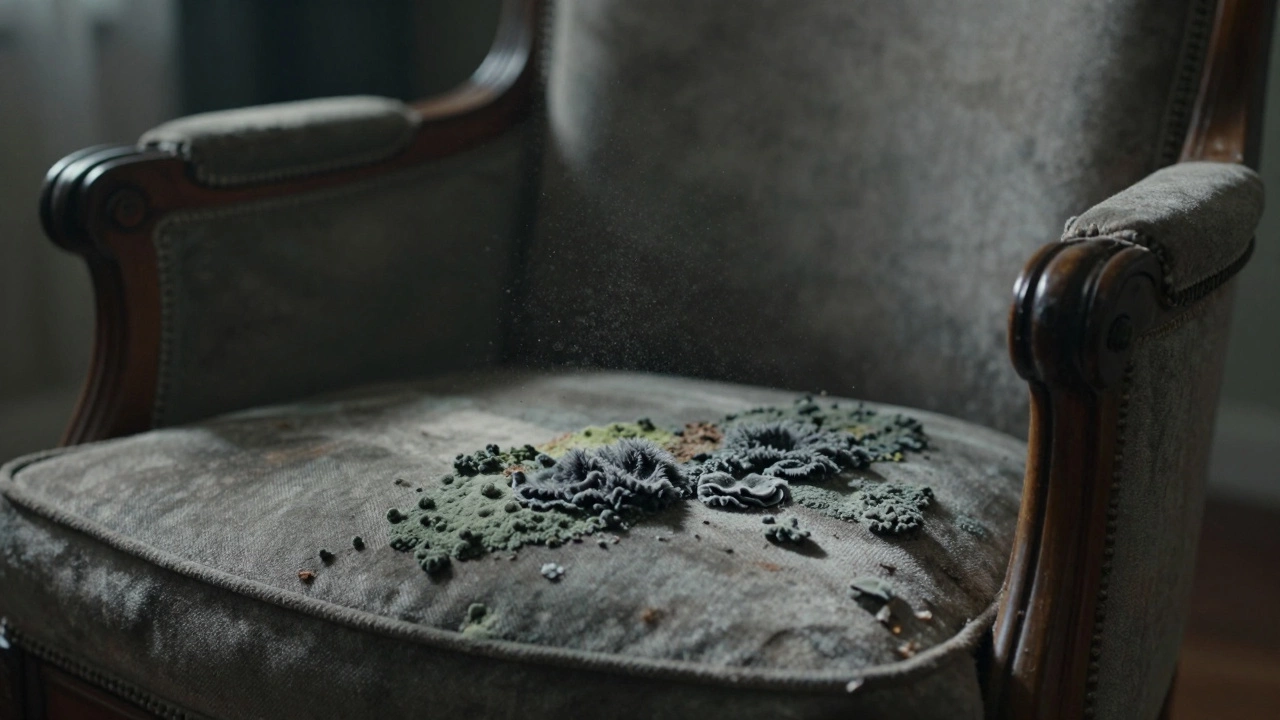
That dark spot on your favorite armchair isn’t just ugly-it’s a potential health hazard. Finding mold on your furniture is one of those moments where panic sets in. You’re staring at a piece you love, or perhaps a valuable investment, wondering if it’s salvageable or if it needs to go to the curb immediately. The short answer? It depends on what the furniture is made of and how deep the mold has gone.
Mold isn’t just surface dirt. It’s a living organism that sends out microscopic roots called hyphae into materials like wood, fabric, and foam. If those roots have penetrated deeply, no amount of scrubbing will get them all out. This guide helps you decide whether to save your piece or toss it, based on safety, material type, and cleaning effectiveness.
Assessing the Damage: Surface vs. Deep Mold
Before you grab a trash bag or a spray bottle, you need to understand what you are dealing with. Not all mold looks the same, and not all growth means the end of the furniture’s life. Start by identifying the type of material and the extent of the contamination.
- Surface Mold: Appears as fuzzy spots on top of leather, vinyl, or sealed wood. It hasn’t soaked in yet.
- Porous Mold: Has grown into unfinished wood, fabric upholstery, or particle board. You might see discoloration underneath the surface.
- Structural Mold: The wood feels soft, spongy, or crumbly. This indicates rot, which compromises the integrity of the piece.
If the mold is only on the surface, you likely have a good chance of saving the item. If it’s structural, especially in load-bearing parts of a chair or table, throwing it out is the safest option. No amount of cleaning will fix rotted wood.
Health Risks: Why You Should Act Fast
You might be tempted to ignore small patches of mold, thinking they won’t hurt anyone. That’s a dangerous assumption. Mold spores are airborne. Every time you sit on a moldy couch or open a moldy wardrobe, you release thousands of spores into your home air.
For most healthy adults, exposure might cause mild irritation-sneezing, itchy eyes, or a runny nose. But for people with asthma, allergies, or compromised immune systems, mold can trigger severe reactions. In Mississauga, where humidity levels can spike during our humid summers, indoor mold grows faster than you’d expect. Common species found in homes include Aspergillus, Penicillium, and Stachybotrys chartarum (black mold). The latter is particularly toxic and should never be cleaned by amateurs; professional remediation is required.
If you smell a musty odor coming from your furniture, even if you don’t see visible mold, assume it’s there. Your nose is often more sensitive to mold than your eyes.
Can You Clean Mold from Upholstery?
Fabric furniture is the trickiest because fabrics are porous. Once mold penetrates the fibers, it’s nearly impossible to remove completely without destroying the fabric. Here’s how to approach different types of upholstery:
Vinyl and Leather
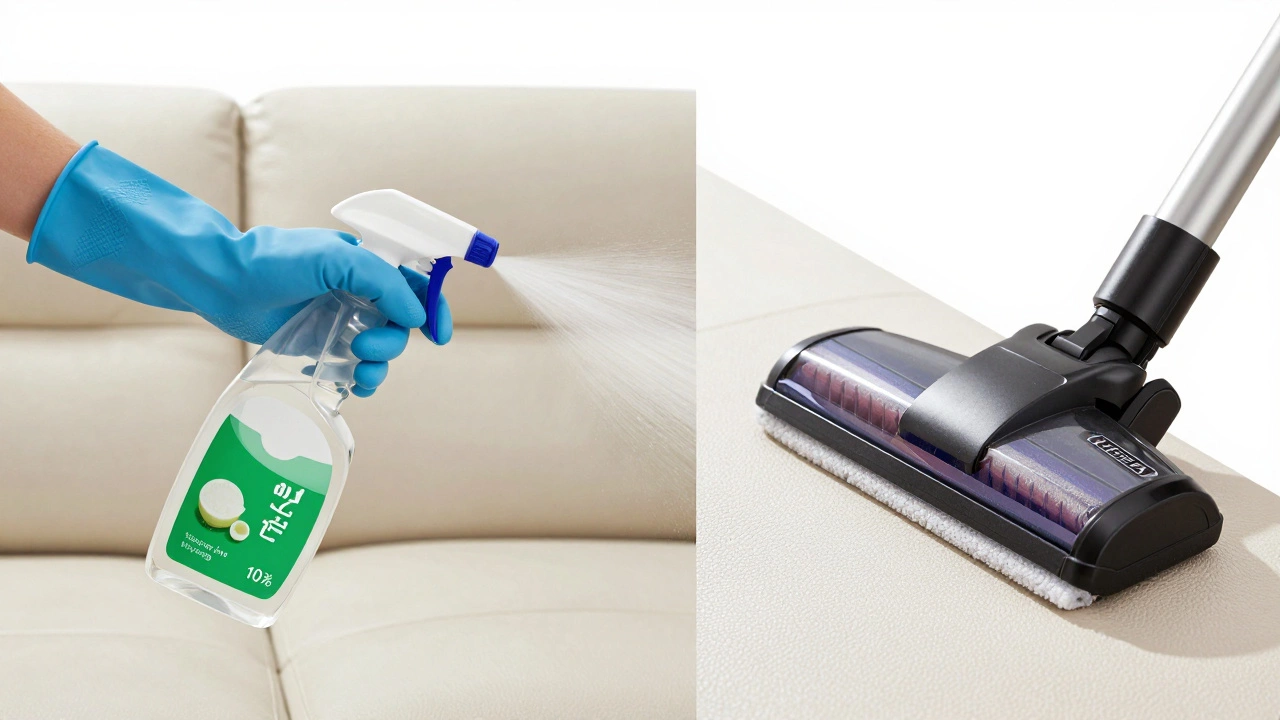
These materials are non-porous, making them easier to clean. Mix equal parts water and white vinegar in a spray bottle. Spray the affected area lightly-don’t soak it-and wipe with a microfiber cloth. For tougher stains, use a diluted bleach solution (1 part bleach to 10 parts water), but test a hidden spot first to ensure it doesn’t discolor the leather. Rinse with a damp cloth and let it air dry completely.
Fabric and Foam
If the mold is light and fresh, you can try vacuuming the outside thoroughly with a HEPA filter vacuum to remove loose spores. Then, mix baking soda and water into a paste, apply it to the stain, and let it sit for an hour before brushing it off. However, if the foam inside smells musty or feels damp, throw it out. Foam holds moisture and provides a perfect breeding ground for mold. You cannot sanitize foam effectively.
Wood Furniture: Salvage or Dispose?
Wood furniture offers better hope for recovery than fabric, provided the wood is solid and finished. Unfinished or painted wood absorbs moisture more easily, allowing mold to dig deeper.
| Material Type | Cleaning Method | Risk Level |
|---|---|---|
| Sealed/Varnished Wood | Vinegar and water solution | Low |
| Unfinished Wood | Sandblasting or sanding + borate treatment | Medium |
| Particle Board/MDF | Dispose immediately | High |
| Rotted Wood | Dispose immediately | High |
For sealed wood, wipe down with a vinegar solution. If the mold persists, use a commercial mold remover designed for hard surfaces. For unfinished wood, you may need to sand the affected area down to bare wood, then treat it with a borate-based product like Borax, which kills mold and prevents regrowth. Re-seal the wood afterward to protect it from future moisture.
Avoid using bleach on wood unless absolutely necessary. Bleach doesn’t kill mold roots; it only removes the color from the surface. The mold can grow back quickly once the bleach evaporates.
When to Call Professionals
Some situations require expert intervention. If the mold covers more than 10 square feet, hire a professional remediation service. They have containment equipment and industrial-grade vacuums to prevent cross-contamination in your home.
Also call pros if you suspect black mold (Stachybotrys). Handling this type of mold without proper protective gear (N95 mask, gloves, goggles) can lead to serious respiratory issues. In Canada, many restoration companies offer free inspections to determine the scope of damage.
Disposing of Moldy Furniture Safely
If you’ve decided the furniture is beyond repair, don’t just leave it on the curb. Mold spreads. Wrap the item tightly in plastic sheeting or heavy-duty trash bags to contain spores. Seal the edges with tape. Label the package “Mold Contaminated” to warn waste collectors.
In Mississauga and surrounding Ontario municipalities, check local guidelines for bulky waste pickup. Some areas require you to schedule a special collection for contaminated items. Never break apart the furniture yourself, as this releases spores into the air.
Preventing Future Mold Growth
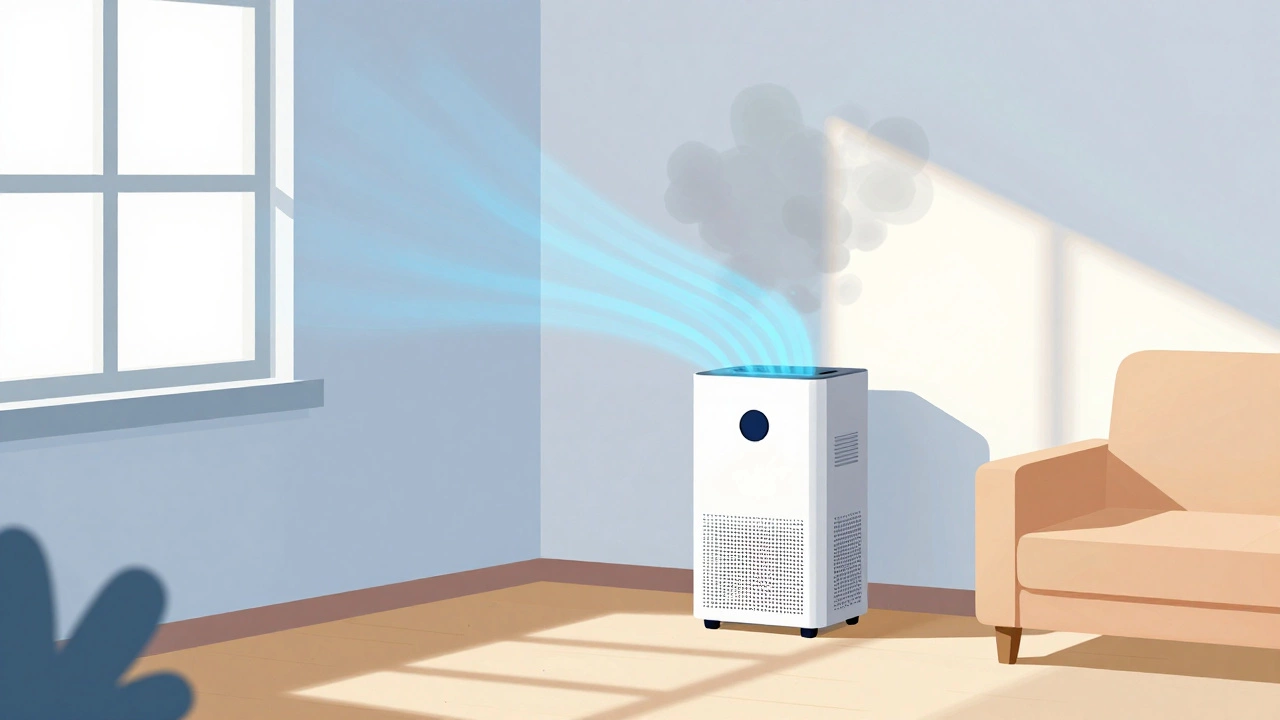
Once you’ve dealt with the current issue, take steps to keep it from coming back. Mold needs moisture to survive. Control humidity in your home by keeping it below 60%-ideally around 40-50%. Use dehumidifiers in damp rooms like basements or bathrooms.
Ensure good airflow around your furniture. Don’t push bookcases or sofas flush against exterior walls, especially in colder months when condensation forms. Wipe down any spills immediately, and avoid placing potted plants directly on wooden surfaces without saucers.
How do I know if my furniture is too moldy to save?
If the mold has caused structural damage, such as soft or crumbling wood, or if it has deeply penetrated porous materials like foam or untreated fabric, the furniture is not safe to keep. Additionally, if the musty smell persists after thorough cleaning, discard the item.
Is it safe to use bleach on moldy furniture?
Bleach is generally not recommended for porous surfaces like wood or fabric because it only kills surface mold and doesn't penetrate roots. It can also weaken fibers and discolor materials. Vinegar or specialized mold removers are safer and more effective alternatives.
What should I wear when cleaning moldy furniture?
Always wear an N95 respirator mask, rubber gloves, and eye protection. These items prevent you from inhaling spores or getting mold on your skin, which can cause irritation or allergic reactions.
Can I put moldy furniture outside to dry?
No, leaving moldy furniture outside can spread spores to your yard and neighbors' property. Plus, outdoor humidity and rain can worsen the mold growth. Keep the item contained indoors until you are ready to dispose of it properly.
Does mold come back after cleaning?
Yes, if the underlying moisture problem isn't fixed. Mold returns if the environment remains damp. Ensure your home has proper ventilation, control humidity levels, and address any leaks promptly to prevent recurrence.