Closet vs. Wardrobe: Which Fits Your Lifestyle?
I own my property and can make changes.
I lease my apartment/house.
I am settled in this location for the long term.
I might move within the next few years.
I need specific spacing for accessories, shoes, etc.
Standard hanging space is enough for me.
I prefer doors that hide clutter completely.
I like visible racks or distinct furniture pieces.
I want to utilize existing structures to save money.
I'm willing to buy a quality unit if it fits better.
Based on your answers...
Why this works for you:
Have you ever stood in a room full of clothes and wondered why some people have them hidden behind doors while others keep them on open shelves? The confusion usually boils down to one simple question: what is the difference between a closet and a wardrobe? While both serve the exact same purpose-storing your clothes-they are fundamentally different things. One is part of the house itself; the other is a piece of furniture you can move.
This distinction matters more than you might think, especially if you are buying a home, renting an apartment, or trying to maximize storage in a small space. Understanding the structural, functional, and aesthetic differences will help you decide which option fits your lifestyle, budget, and living situation better.
The Core Difference: Structure vs. Furniture
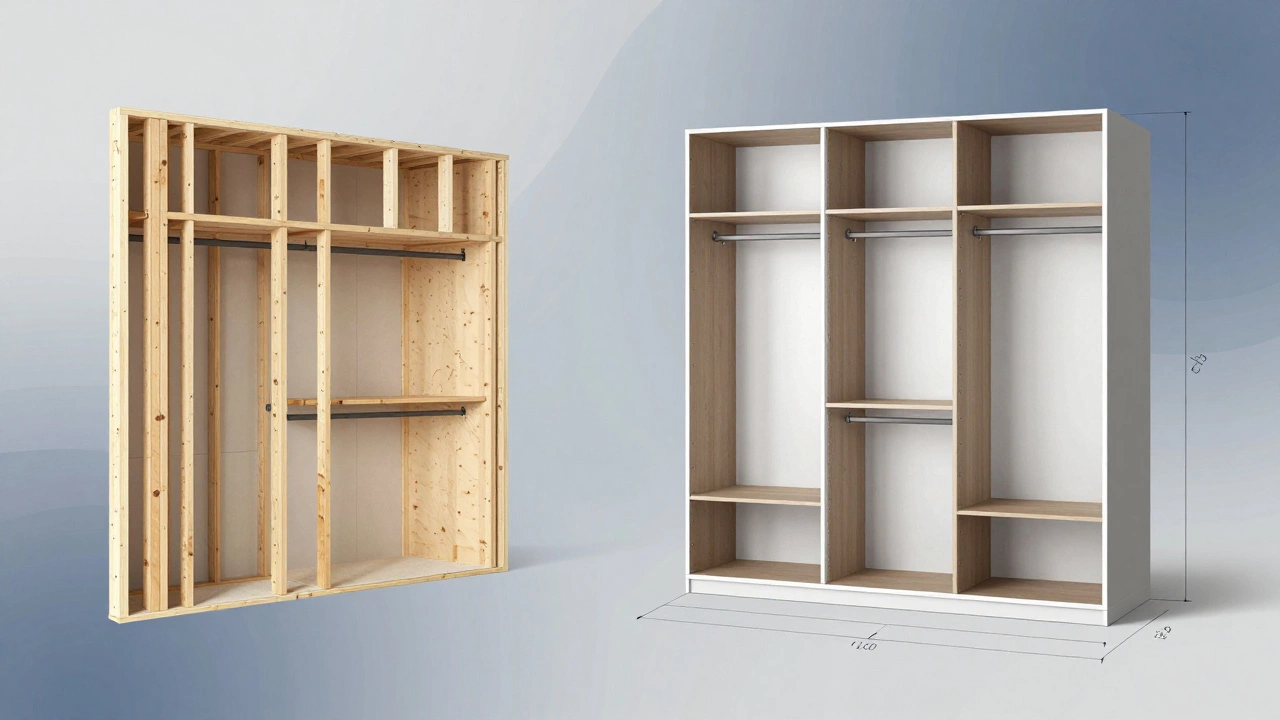
At its simplest level, a closet is a built-in storage space that is integrated into the walls of a building. It is constructed during the framing stage of construction. You cannot pick it up and move it to another room without major renovation work. Closets are defined by their location within the architecture of the home.
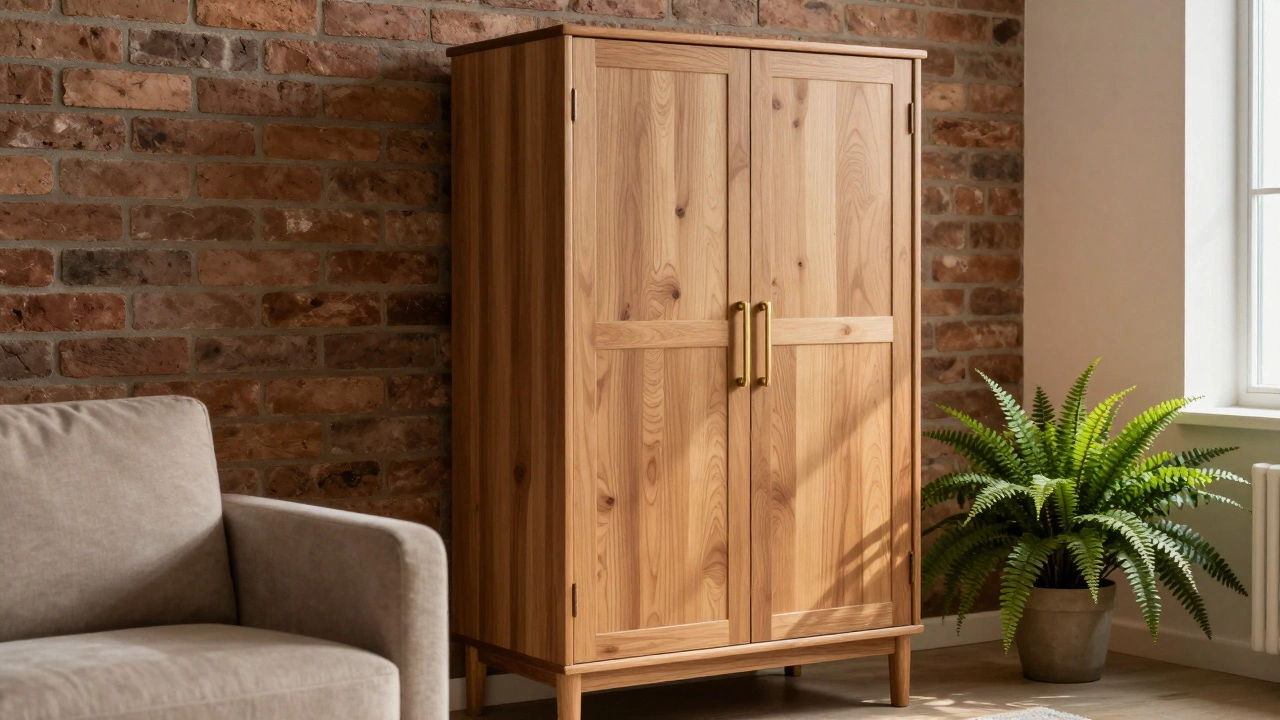
In contrast, a wardrobe is a freestanding piece of furniture designed for storing clothes. Think of it as a portable cabinet. You buy it from a store, assemble it (or have it delivered), and place it wherever you want in a room. If you move houses, you take the wardrobe with you. This portability is the single biggest differentiator between the two.
Types of Closets: Built-In Storage Solutions
Closets come in various forms depending on how they are built into the structure. Knowing these types helps you understand what you are getting when you look at a floor plan or walk through a new property.
- Built-in Closet: This is the standard closet found in most bedrooms. It has fixed shelving, a hanging rod, and sometimes drawers installed directly into the wall cavity. It requires no additional furniture to function.
- Walk-in Closet: A larger, dedicated room or alcove where you step inside to access your clothes. These often feature multiple hanging areas, shoe racks, and accessory organizers. They are considered a luxury feature in real estate.
- Reach-in Closet: Similar to a built-in but shallower. You reach in from the doorway to grab your clothes. These are common in smaller apartments or older homes.
- Alcove Closet: A recessed space in a wall that isn't necessarily a full room but provides hidden storage. Often used in bathrooms for linen or in bedrooms for extra storage.
The key attribute of all closets is that they are fixed. Their dimensions are determined by the builder, not by you. If the shelf is too high, you have to hire someone to adjust it. If the rod is too low, you need tools to raise it.
Types of Wardrobes: Portable Storage Options
Wardrobes are versatile because they are independent units. They range from simple wooden boxes to complex modular systems. Here are the most common types you will encounter:
- Traditional Armoire: A tall, standalone cabinet, often made of wood, with double doors. It typically includes hanging rods and shelves inside. These are classic pieces of furniture that add character to a room.
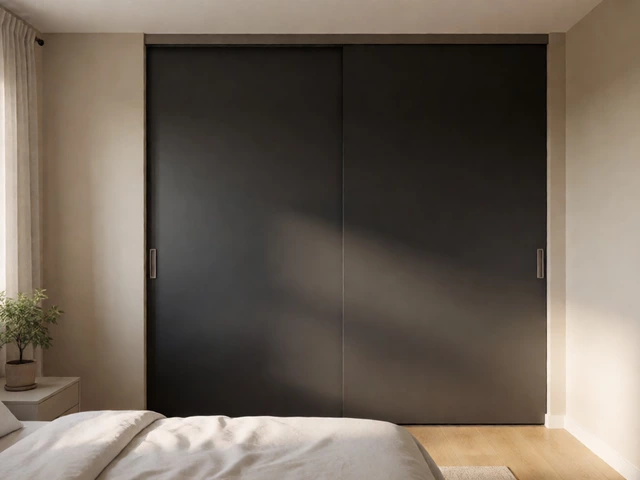
- Sliding Door Wardrobe: Designed for spaces where swinging doors would hit furniture or walls. The doors slide horizontally along tracks. These are popular in modern apartments.
- Open Wardrobe / Clothing Rack: A frame with hanging bars and shelves but no doors. This offers easy visibility of all clothes but exposes them to dust. Great for quick access and small rooms.
- Modular Wardrobe System: Customizable units where you can add shelves, drawers, and hanging sections as needed. Brands like IKEA offer these systems that can be expanded over time.
The advantage here is flexibility. You can choose the width, height, and internal configuration before buying. If your needs change, you can rearrange the interior or even replace the unit entirely.
Key Comparison: Closet vs. Wardrobe
To make the decision easier, let’s break down the practical differences across several critical factors. This comparison highlights why one might be better for your specific situation.
| Feature | Closet (Built-in) | Wardrobe (Freestanding) |
|---|---|---|
| Mobility | Fixed to the building | Portable and movable |
| Customization | Limited; requires renovation | High; choose size and layout |
| Space Efficiency | Takes up floor space permanently | Can be placed anywhere; flexible |
| Cost | Included in home price | Purchased separately ($100-$2000+) |
| Aesthetic Control | Depends on home design | You choose style, color, material |
| Dust & Protection | Generally cleaner if sealed | Depends on door type (open vs. closed) |
When to Choose a Closet
Closets are ideal if you own your home or live in a long-term rental with good built-in storage. They save money because you don’t need to buy large furniture pieces. They also free up floor space since the storage is tucked away within the walls.
If you have a walk-in closet, you get a dedicated zone for dressing, which can feel luxurious and organized. Built-ins are also better for hiding clutter completely. When the doors are closed, there is zero visual noise. This is great for minimalist aesthetics.
However, closets can be problematic if the layout is poor. Many older homes have shallow closets with awkwardly placed shelves. Fixing this means drilling into drywall, buying custom inserts, or hiring a carpenter. It’s not as easy as just moving a shelf up or down.
When to Choose a Wardrobe
Wardrobes are the best choice for renters who want control over their storage. Landlords often provide minimal closet space, or none at all. A wardrobe allows you to create your own storage solution without asking for permission to renovate.
They are also perfect for temporary living situations. If you move frequently, taking a wardrobe with you ensures you always have familiar, organized storage. Plus, you can match the wardrobe to your decor style. Want a rustic wooden armoire? Or a sleek, white sliding-door unit? You decide.
Another big plus is customization. You can buy wardrobes with specific features like tie racks, jewelry trays, or pull-out drawers. If your current setup doesn’t work, you can swap out parts or buy a new unit that fits your needs better. This flexibility is something built-in closets rarely offer.
Hybrid Solutions: The Best of Both Worlds
Sometimes, neither a plain closet nor a standalone wardrobe is enough. That’s where hybrid solutions come in. Many people install closet organization systems inside existing closets. These are modular shelves, bins, and rods that clip or screw into the closet walls. They give you the customization of a wardrobe system with the permanence of a closet.
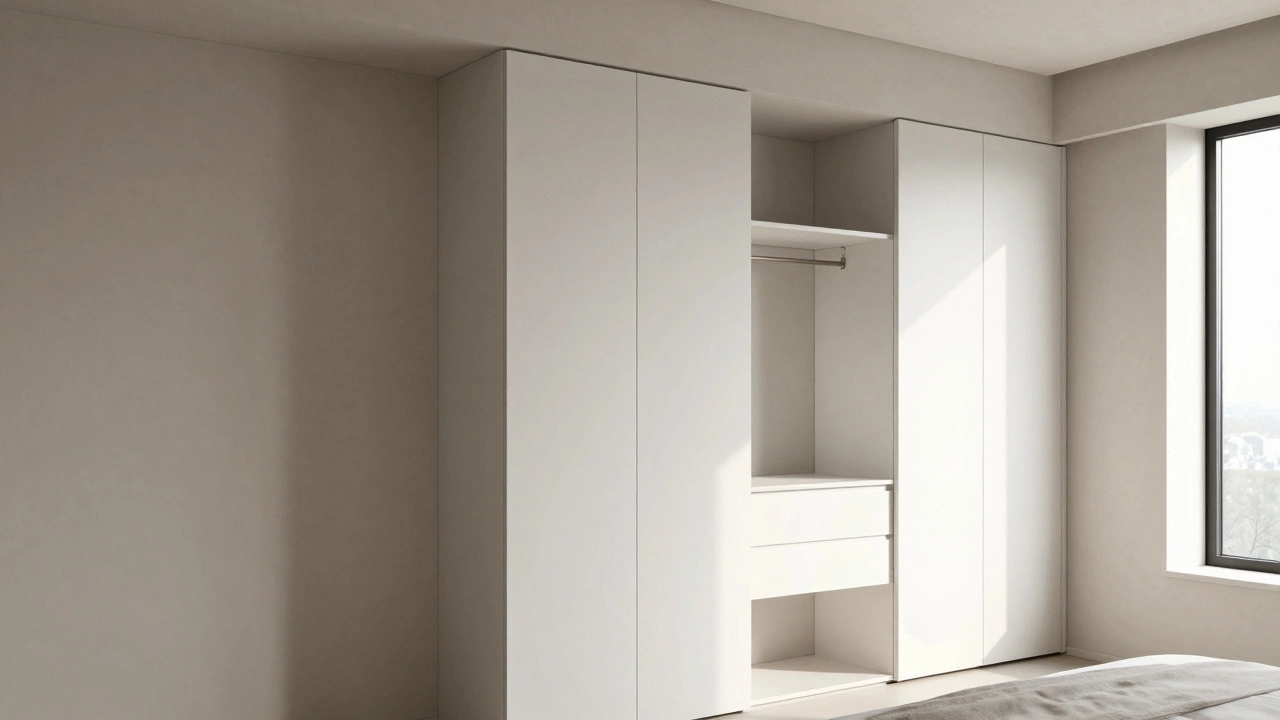
Alternatively, some manufacturers make built-in-looking wardrobes. These are large, floor-to-ceiling cabinets that fit flush against the wall. They look like part of the house but are actually removable furniture. This is a popular trend in modern apartments where space is tight but renters still want a high-end look.
Common Misconceptions About Closets and Wardrobes
People often use the terms interchangeably, which leads to confusion. Here are a few myths cleared up:
- Myth: "A wardrobe is just a fancy closet."
Fact: No. A wardrobe is furniture. A closet is architecture. You can put a wardrobe inside a closet, but they are distinct entities. - Myth: "Closets are always cheaper."
Fact: In the short term, yes, because they come with the house. But upgrading a poorly designed closet can cost thousands. Buying a quality wardrobe is a one-time expense you control. - Myth: "Wardrobes take up too much space."
Fact: Not necessarily. Slimline wardrobes or under-bed storage units can save more space than a deep, inefficient closet. It depends on how well you utilize the volume.
Final Thoughts on Choosing Your Storage
So, which should you go with? If you love stability and don’t mind working with what the house gives you, a closet is convenient. If you value flexibility, design control, and portability, a wardrobe is your friend. For many, the answer is a mix: use the built-in closet for bulk storage and add a wardrobe for accessible, everyday items.
Think about your daily routine. Do you prefer seeing your clothes to choose quickly, or do you like them hidden away? Are you planning to stay in this home for years, or might you move soon? Answering these questions will guide you to the right storage solution.
Can I convert a closet into a wardrobe?
Technically, you can remove the closet doors and install a freestanding wardrobe inside the closet space. However, this is usually unnecessary unless the closet is very large. More commonly, people add wardrobe-like organizers inside the closet to improve functionality.
Are wardrobes better for renters?
Yes. Renters often cannot modify built-in closets due to lease restrictions. A wardrobe is fully portable and requires no installation, making it the ideal storage solution for rental properties.
What is the main disadvantage of a built-in closet?
The main disadvantage is lack of customization. The shelves and rods are fixed in place. If they don’t fit your clothing needs, changing them requires tools, effort, and potentially professional help.
Do wardrobes add value to a home?
Not directly. Since wardrobes are personal property, they do not increase the resale value of a house like built-in features do. However, high-quality built-in closets can boost home value significantly.
Which takes up less space: a closet or a wardrobe?
It depends on the design. A narrow reach-in closet uses minimal floor space but may lack depth. A slimline wardrobe can be placed in corners or alcoves efficiently. Generally, built-in closets are more space-efficient because they utilize wall cavities.