
Senior Sleep Comfort & Safety Calculator
Check Your Conditions
Select all that apply to you or your loved one.Recommendation
Select your conditions and click analyze to see if a recliner might improve your sleep quality.
Have you ever noticed your grandparents or older neighbors drifting off in their favorite chair instead of heading to bed? It’s a common sight, but it often raises eyebrows. Is it laziness? A lack of discipline? Or is there something deeper going on?
The truth is, sleeping in a recliner chair is a specialized piece of furniture designed for adjustable positioning, offering superior lumbar support and ergonomic comfort compared to standard seating isn’t about avoiding bedtime. For many seniors, the recliner becomes a sanctuary of comfort that a traditional mattress simply cannot match. As we age, our bodies change in ways that make lying flat difficult, painful, or even dangerous. The recliner offers a solution that bridges the gap between sitting up and lying down.
The Physical Shift: Why Beds Stop Working
When you’re young, your spine is flexible, your joints are lubricated, and your muscles bounce back quickly. But as we cross into our sixties, seventies, and beyond, the mechanics of the body shift. One of the biggest culprits is arthritis. Osteoarthritis affects nearly half of adults over 65, causing stiffness and pain in the knees, hips, and lower back. Getting out of a low-profile bed can feel like climbing a mountain. The leverage required to push yourself up from a horizontal position puts immense strain on weakened quadriceps and arthritic knees.
In contrast, a recliner allows you to rise with minimal effort. You just press a button or pull a lever, and the seat lifts you slightly, reducing the load on your legs. This mechanical advantage is crucial for maintaining independence. If getting in and out of bed hurts, why would you choose to sleep there? The recliner eliminates that barrier.
Breathing Easier: The Role of Acid Reflux and Sleep Apnea
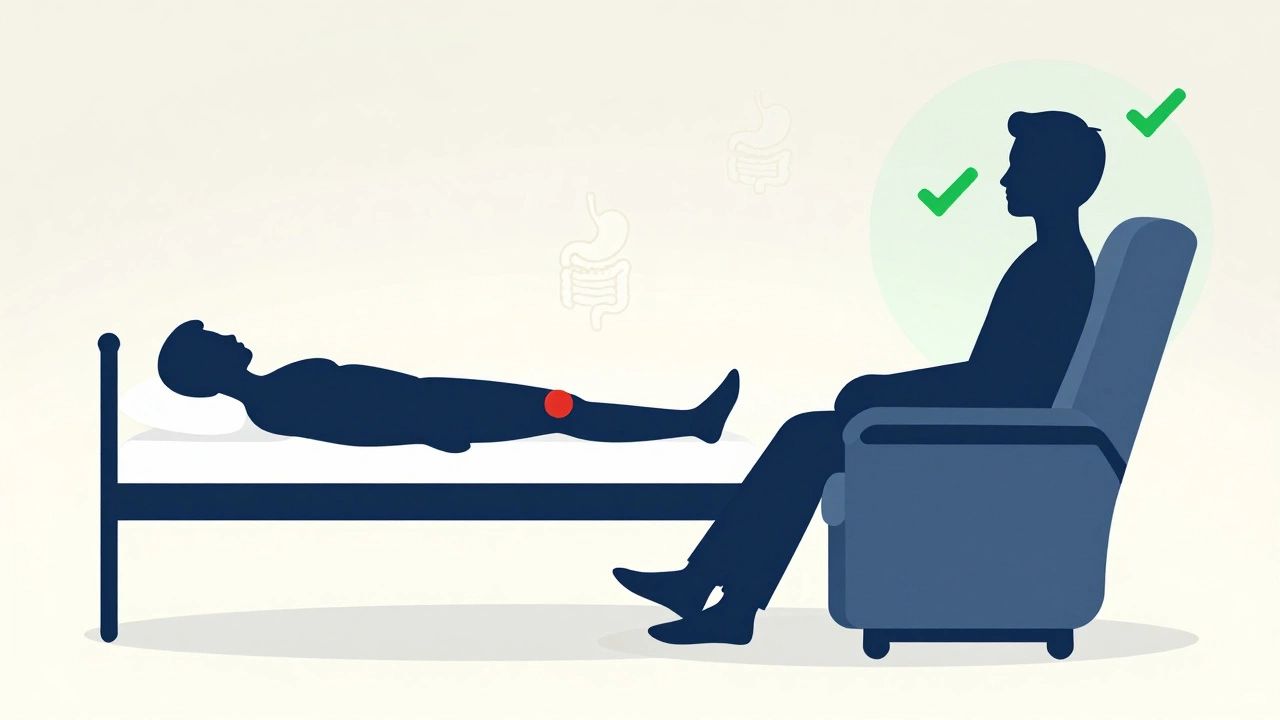
Another major factor is respiratory health. Gastroesophageal reflux disease (GERD) is incredibly common among older adults. When you lie flat in a bed, gravity no longer keeps stomach acid in your stomach. It flows back up into the esophagus, causing heartburn, coughing, and choking sensations that disrupt sleep. By elevating the upper body at a 30-to-45-degree angle in a recliner, gravity does the work for you, keeping acid down and allowing for uninterrupted rest.
Sleep apnea is another condition where elevation helps. While CPAP machines are the gold standard treatment, many seniors struggle with wearing masks all night. Sleeping semi-upright can help keep airways open more naturally than lying flat, reducing snoring and mild apnea symptoms. The recliner provides this therapeutic angle without needing extra pillows that might slip or cause neck strain.
Circulation and Heart Health
Cardiovascular issues often accompany aging. Conditions like congestive heart failure (CHF) can cause fluid to pool in the lungs when a person lies flat, leading to shortness of breath known as orthopnea. For someone with CHF, lying completely horizontal can be terrifying and physically distressing. Elevating the legs and torso in a recliner promotes better blood return to the heart and reduces pressure on the lungs. It’s not just about comfort; it’s about breathing comfortably enough to fall asleep.
Additionally, swelling in the ankles and feet (edema) is common due to reduced circulation or medication side effects. Recliners allow users to elevate their legs above heart level easily, which helps drain excess fluid and reduce throbbing pain. Trying to achieve this same leg elevation in a bed requires stacking pillows, which is unstable and often ineffective.
Fall Risk and Safety Concerns
Fear of falling is a silent epidemic among seniors. After one fall, the psychological impact can be devastating. Many older adults develop "post-fall syndrome," where they become overly cautious about movement. Bedside rails can sometimes trap people who try to climb out, and the distance from the bed to the floor can seem daunting if balance is compromised.
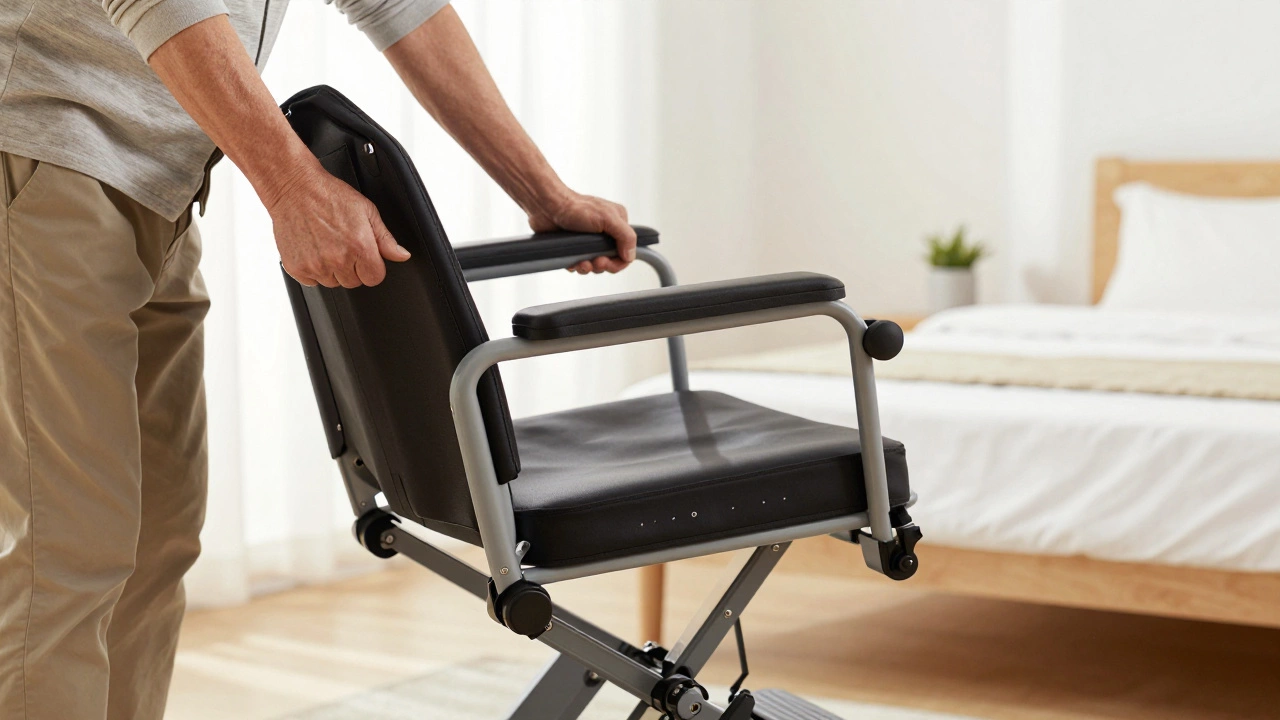
A recliner sits closer to the ground and provides armrests on both sides, offering stable handholds for standing up. The transition from sitting to standing is safer and more controlled. Furthermore, if a senior wakes up at night to use the bathroom, they are already in an upright position, reducing the disorientation and dizziness (orthostatic hypotension) that often hits when rising suddenly from a deep sleep in bed.
| Feature | Traditional Mattress/Bed | Recliner Chair |
|---|---|---|
| Elevation Control | Fixed (unless using expensive adjustable base) | Adjustable back and footrest independently |
| Getting Up | Requires significant leg strength and balance | Assisted lift mechanisms available; easier leverage |
| Acid Reflux Management | Poor (lying flat encourages reflux) | Excellent (elevates head naturally) |
| Joint Pressure | Can aggravate hip/knee pain during entry/exit | Reduces joint strain via seated position |
| Nighttime Safety | Higher fall risk from height | Lower center of gravity; armrest support |
Choosing the Right Recliner for Senior Sleep
Not all recliners are created equal. If the goal is to replace or supplement nighttime sleep, certain features become non-negotiable. First, look for a "full-nap" or "zero-gravity" feature. These models recline almost completely flat while still supporting the legs, mimicking the weightless sensation astronauts experience. This distributes body weight evenly, relieving pressure points on the hips and shoulders.
Second, consider power vs. manual. Manual recliners require pulling a lever, which can be difficult for those with limited hand strength or arthritis. Power recliners operate with buttons, making them accessible for everyone. Some advanced models even offer "power lift" functionality, which gently tilts the entire seat forward to help the user stand up safely.
Third, material matters. Leather or high-quality microfiber is easier to clean and doesn’t trap heat as much as heavy fabric, which is important since temperature regulation changes with age. Many seniors run hotter at night, so breathable materials prevent waking up sweaty.
Is It Healthy to Sleep in a Chair Long-Term?
While a recliner solves immediate physical problems, sleeping in it every night has downsides. Unlike a mattress, most recliners don’t provide adequate spinal alignment for 8 hours of continuous sleep. You might wake up with neck stiffness or shoulder tension because the headrest isn’t designed for prolonged pillow-like support. Also, the confined space can limit movement, leading to muscle stiffness.
However, for many seniors, the trade-off is worth it. Quality of sleep is more important than the location of sleep. If a recliner allows for 6 hours of uninterrupted, pain-free rest, it is healthier than tossing and turning in pain on a bed. The key is to ensure the recliner is comfortable enough for naps and short sleeps, and to consult with a doctor if chronic pain or sleep issues persist. Sometimes, a combination approach works best: using the recliner for evening relaxation and daytime naps, while keeping the bed for primary overnight sleep with appropriate medical aids like wedge pillows or adjustable bases.
Making the Transition Comfortable
If you or a loved one are considering switching to a recliner for sleep, start by adding accessories. A small, supportive pillow behind the lower back can improve posture. A soft blanket draped over the lap adds warmth without restricting leg movement. Ensure the room is quiet and dark, as recliners often lack the sound-dampening qualities of a bedroom. White noise machines can help mask household sounds.
Also, check the recliner’s durability. Frequent nightly use will wear out a cheap mechanism faster. Investing in a high-quality model with a warranty ensures that the chair remains a safe and reliable part of the daily routine. Brands like La-Z-Boy, Catnapper, and Ashley Furniture offer specific lines designed for therapeutic support and durability.
Can sleeping in a recliner cause back pain?
It can, if the recliner lacks proper lumbar support or if you stay in one position for too long. However, for many seniors, a recliner actually reduces back pain by taking pressure off the spine compared to a sagging mattress. To minimize risk, choose a recliner with adjustable lumbar support and take occasional breaks to stretch.
What is the best angle for sleeping in a recliner with acid reflux?
A 30-to-45-degree incline is generally recommended. This angle uses gravity to keep stomach acid down while still allowing you to relax. Most modern power recliners have preset positions that achieve this optimal angle.
Are power lift recliners worth the extra cost?
Yes, especially for seniors with mobility issues. Power lift recliners assist with standing up, significantly reducing the risk of falls and strain on weak knees. They are a valuable investment for safety and independence.
Should I replace my bed entirely with a recliner?
Not necessarily. A recliner is excellent for naps and managing specific health conditions like reflux or arthritis. However, for full-night sleep, a bed with an adjustable base might offer more space and better spinal alignment. Consider using the recliner as a supplement rather than a total replacement unless medical advice dictates otherwise.
How do I clean a recliner used for sleeping?
Since you’ll be spending more time in it, regular cleaning is essential. Vacuum crevices weekly to remove dust and skin cells. Use upholstery cleaner for fabric recliners or leather conditioner for leather ones. Wash any removable covers according to the manufacturer’s instructions to maintain hygiene.