Find Your Perfect Sofa Material
Your Lifestyle Profile
Top Recommendation
Why it fits you:
Select your preferences and click "Analyze My Needs" to find your perfect match.
Imagine sinking into your sofa after a long day. You expect it to hug you back, not fight you. But here’s the catch: what feels like a cloud to one person might feel like a stiff board to another. Comfort isn’t just about how soft a cushion is; it’s heavily dictated by the material covering that cushion. If you’ve ever bought a sofa that looked great in the showroom but felt like sitting on a vinyl bag at home, you know the pain.
The question of what is the most comfortable material for a sofa doesn’t have a single answer because "comfort" is subjective. It depends on whether you value cool breathability, warm plushness, easy cleanup, or durability against pets. In this guide, we’ll break down the top contenders-leather, linen, velvet, microfiber, and performance fabrics-to help you find the perfect match for your lifestyle and body type.
The Gold Standard: Genuine Leather
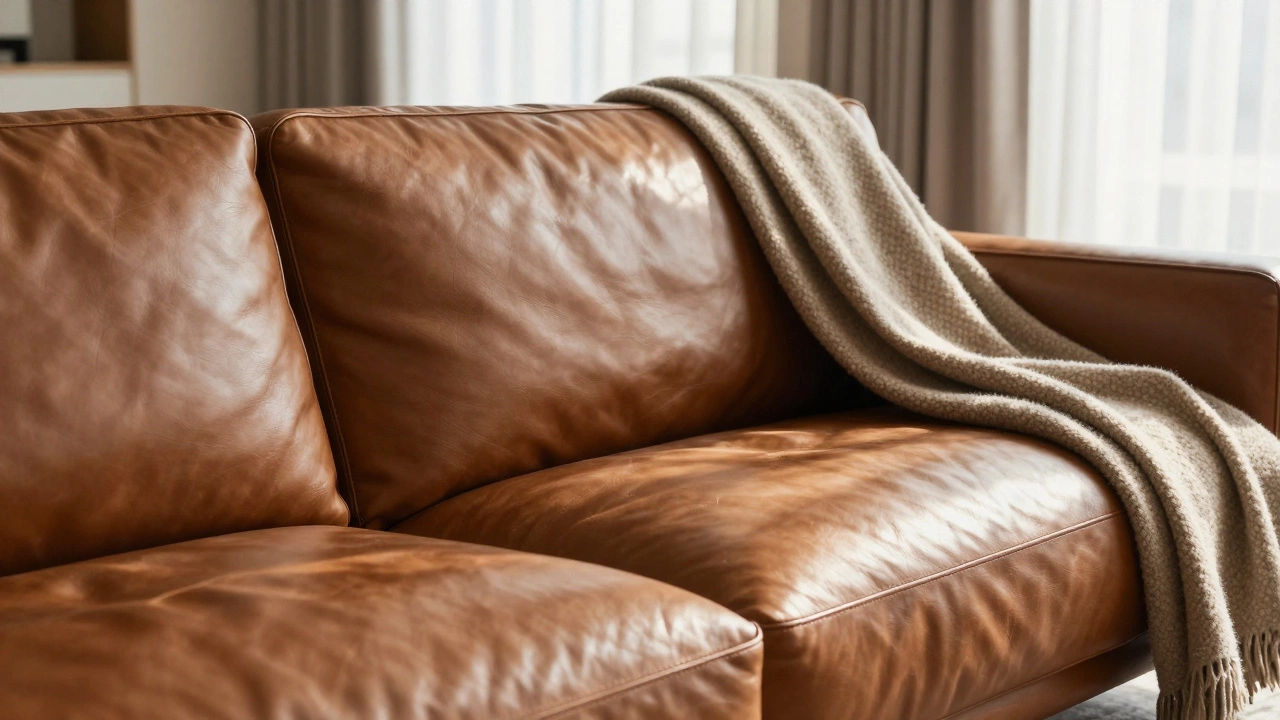
When people talk about premium comfort, genuine leather usually comes up first. But why? It’s not just about status. Leather has unique physical properties that synthetic materials struggle to replicate. It is a natural material that breathes. Unlike vinyl or faux leather, which traps heat and moisture, real leather allows air to pass through its pores. This means if you tend to get hot while watching TV, leather won’t stick to your skin.
Genuine Leather is a durable, breathable upholstery material made from animal hide that molds to the body over time. Known for its longevity and ease of cleaning, it is often considered the most comfortable material for those who prefer a firmer yet adaptive seat.
Here is the thing about leather: it changes. When you first sit on a new leather sofa, it might feel slightly firm. But within weeks, the leather warms up to your body temperature and begins to mold to your shape. It becomes personalized to you. For many, this "break-in" period results in the ultimate custom fit.
However, there are downsides. Leather can be cold in the winter if you don’t have a blanket handy. It also shows scratches more easily than fabric, especially if you have cats. And let’s be honest-it’s expensive. A high-quality full-grain leather sofa can cost significantly more than a fabric equivalent. But if you want something that lasts decades and gets better with age, leather is hard to beat.
The Breathable Choice: Linen and Cotton Blends
If you live in a warmer climate or simply hate feeling sweaty on your furniture, natural fibers like linen and cotton are your best friends. These materials are woven loosely enough to allow maximum airflow. Sitting on a linen sofa feels light and airy, almost like wearing a crisp summer shirt.
Linen is particularly popular right now for its textured look and relaxed vibe. It doesn’t hold static electricity, so it doesn’t attract dust as much as synthetic blends. Plus, it’s hypoallergenic, making it a great choice for households with allergies.
The trade-off? Wrinkles. Linen wrinkles easily. If you’re someone who needs their living room to look perfectly pristine every second of the day, pure linen might drive you crazy. Many manufacturers blend linen with cotton or polyester to reduce wrinkling while keeping some breathability. Just remember: the more synthetic fiber added, the less breathable it becomes.
Cotton is softer and less prone to wrinkling than linen but absorbs spills quickly. Unless treated with a stain-resistant coating, a glass of wine spilled on a cotton sofa will leave a permanent mark. So, while cotton is incredibly comfortable for lounging, it requires vigilance.
The Plush Option: Velvet
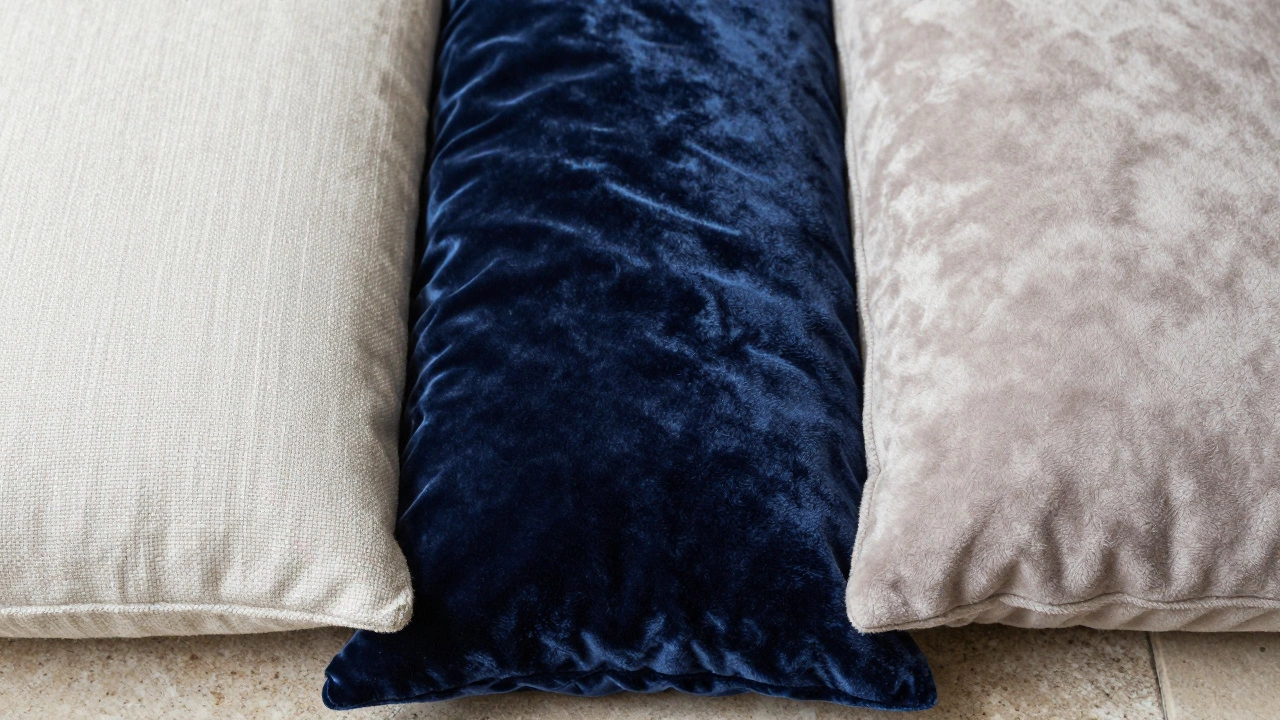
Velvet is having a major moment in interior design, and for good reason. It feels luxurious under the fingertips and offers a deep, cozy seating experience. The pile of velvet (the tiny fibers standing up) creates a cushiony effect that adds an extra layer of softness without needing overly thick foam cushions.
Velvet Upholstery is a dense, soft fabric known for its rich texture and light-reflecting qualities, offering a cozy and elegant seating surface. Modern velvets are often made from synthetic fibers for enhanced durability and stain resistance.
Historically, velvet was delicate and reserved for formal rooms. Today, thanks to advancements in textile technology, we have performance velvets made from polyester or rayon blends that are tough enough for everyday use. These modern velvets resist crushing and shedding better than their silk or cotton ancestors.
One fun quirk of velvet is that it changes color depending on the direction of the nap (the way the fibers lie). Running your hand across it creates a darker, richer tone. This adds visual interest to your living room. However, velvet shows water marks and stains quite visibly until they dry. Also, if you have pets, claws can snag the fibers, creating bald patches. Test a swatch with your pet’s nails before committing.
The Practical Hero: Microfiber
If you prioritize low maintenance and a suede-like feel, microfiber is a fantastic option. Made from ultra-fine synthetic fibers (usually polyester), microfiber mimics the look and feel of leather or suede but costs a fraction of the price. It’s incredibly soft to the touch and resistant to abrasion.
Microfiber is a dream for parents and pet owners. Its tight weave prevents liquids from soaking in immediately, giving you time to wipe up spills. Dust and dirt sit on the surface rather than embedding themselves, so a quick vacuum or damp cloth keeps it looking fresh. It’s also hypoallergenic, which is great for sensitive noses.
The downside? Microfiber can trap heat. Because it’s synthetic, it doesn’t breathe as well as linen or leather. On a humid summer day, you might find yourself sticking to the sofa. It also tends to show wear patterns where you sit most often, leading to a shiny appearance over time. But for sheer practicality and initial comfort, it’s a top contender.
The New Guard: Performance Fabrics
In recent years, brands like Sunbrella, Crypton, and Waverly have introduced "performance fabrics." These aren’t just regular fabrics with a chemical spray; they are engineered at the molecular level to repel stains, resist fading, and withstand heavy use. They combine the aesthetic appeal of cotton or wool with the durability of synthetics.
Performance fabrics are ideal for high-traffic areas. If your living room doubles as a playroom or a workspace, these materials can handle the abuse. Liquids bead up on the surface, and odors (like pet smells or food) don’t penetrate the fibers. They are also UV-resistant, meaning they won’t fade near large windows.
Comfort-wise, they vary. Some performance fabrics feel crisp and cool, similar to cotton canvas, while others are brushed for a softer hand. The key advantage is peace of mind. You can relax without worrying about every crumb or spill. For busy households, this mental comfort translates to physical relaxation.
Comparison: Which Material Fits Your Lifestyle?
To help you decide, let’s compare the top materials based on key factors that affect comfort and usability.
| Material | Feel | Durability | Maintenance | Pet-Friendly? | Best For |
|---|---|---|---|---|---|
| Genuine Leather | Breathable, molds to body | High (15+ years) | Easy (wipe clean) | Moderate (scratches) | Long-term investment, adults |
| Linen/Cotton | Cool, airy, textured | Moderate | Hard (stains easily) | No (snags/stains) | Warm climates, allergy sufferers |
| Velvet | Soft, plush, luxurious | Moderate to High | Moderate (water marks) | No (claw snags) | Formal spaces, cozy vibes |
| Microfiber | Suede-like, soft | High | Very Easy | Yes | Families, budget-conscious |
| Performance Fabric | Varies (often crisp) | Very High | Very Easy | Yes | High traffic, kids, pets |
Beyond the Cover: Don’t Forget the Cushions
We’ve focused heavily on the outer material, but the filling inside plays a huge role in comfort. The best fabric in the world won’t save a sofa with poor cushioning. Here’s what to look for:
- High-Density Foam: Look for foam with a density of at least 1.8 lbs per cubic foot. Lower density foam sags quickly, losing its supportive shape. High-density foam provides consistent support year after year.
- Down Feathers: Down offers a sink-in, hotel-bed feel. However, it requires fluffing regularly to maintain its shape. Many people prefer a blend of down and foam to get the softness of down with the structure of foam.
- Sprung Coils: Similar to mattress springs, coil systems in sofa seats provide bounce and resilience. They prevent the "bottomed-out" feeling where you feel the frame beneath you.
When testing a sofa in a store, sit on it for at least five minutes. Check if your thighs are fully supported. Ensure the backrest aligns with your lower back. A comfortable sofa should support your posture, not force you into a slouch.
How to Choose Based on Your Specific Needs
Your choice of material should reflect your daily life. Ask yourself these questions:
- Do you have pets? If yes, avoid loose-weave linens and delicate velvets. Opt for microfiber, tight-weave performance fabrics, or top-grain leather (which hides minor scratches).
- Do you eat on the couch? If yes, performance fabrics or leather are essential. Stains are inevitable, and you need materials that can be wiped clean.
- Is your home hot or cold? In hot climates, choose linen or cotton for breathability. In colder regions, velvet or microfiber retains warmth and feels cozier.
- What is your budget? Leather and high-end performance fabrics are investments. Microfiber and standard cotton blends offer comfort at a lower price point.
Final Thoughts on Sofa Comfort
There is no single "most comfortable" material for everyone. For me, living in Mississauga with our distinct seasons, I lean towards a performance fabric blend. It handles the humidity of summer and stays warm enough in winter, plus it stands up to my dog’s occasional jumps. But if I were buying for a quiet reading nook, I’d choose velvet for that enveloping softness.
The best approach is to prioritize your biggest pain point. Is it stains? Heat? Sagging? Once you identify that, narrow down your material choices accordingly. Always order a swatch. Seeing a color online is one thing; feeling the texture against your arm is another. Trust your hands-they know what comfort feels like.
Is leather or fabric more comfortable for a sofa?
It depends on your preference for temperature and texture. Leather is cooler to the touch initially but warms up and molds to your body, offering a firm yet adaptive support. Fabric, especially velvet or microfiber, feels softer and plusher immediately. If you run hot, leather or linen may be more comfortable. If you prefer a cozy, hugging feel, fabric is likely better.
What is the most durable sofa material for families with kids?
Performance fabrics like Crypton or Sunbrella are top choices for families. They are engineered to resist stains, spills, and fading. Microfiber is also excellent due to its tight weave and ease of cleaning. Avoid loose weaves like linen or delicate materials like silk, as they show wear and stains easily.
Does velvet scratch easily with cats?
Yes, traditional velvet can snag easily with cat claws. However, modern synthetic velvets made from polyester or nylon are much more resilient. If you have cats, test a velvet swatch by gently dragging your fingernail across it. If it resists pulling, it may be suitable. Otherwise, consider microfiber or leather.
Is microfiber hot to sit on?
Microfiber can retain heat more than natural fibers like linen or cotton because it is synthetic. In humid conditions, you might feel sticky. If you live in a warm climate, ensure the microfiber is blended with breathable fibers or choose a lighter color, which reflects heat better than dark shades.
How do I clean a linen sofa?
Linen sofas should be vacuumed regularly with an upholstery attachment to remove dust. For spills, blot immediately with a clean, dry cloth. Avoid rubbing, as it pushes the stain deeper. Use a mild detergent mixed with water for spot cleaning, and always test on an inconspicuous area first. Professional cleaning is recommended annually for deep maintenance.