Sofa Color Visualizer
Analysis
White walls are the ultimate blank canvas. They make a room feel bigger, brighter, and cleaner. But they also create a problem: everything you put against them stands out. If you pick the wrong color for your corner sofas, your living room might look washed out or chaotic. You want a space that feels intentional, not accidental.
Choosing a sofa color isn't just about picking something you like in the store. It's about how that color interacts with light, texture, and the rest of your furniture. Since corner sofas take up a significant portion of your floor plan, their color sets the tone for the entire room. Let’s break down the best options to make sure your investment looks great for years to come.
The Power of Contrast: Dark Sofas Against White Walls
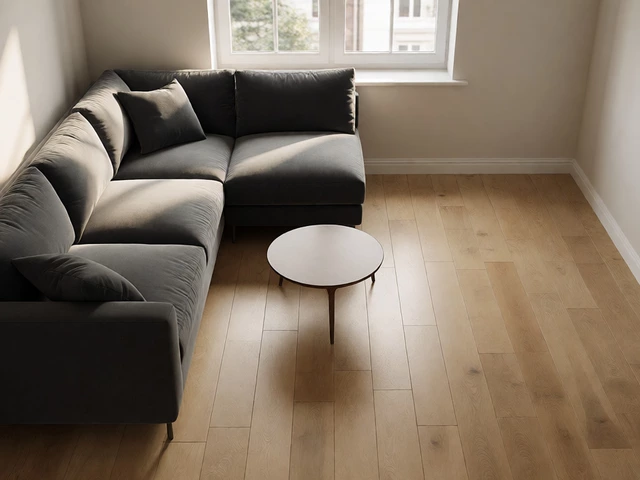
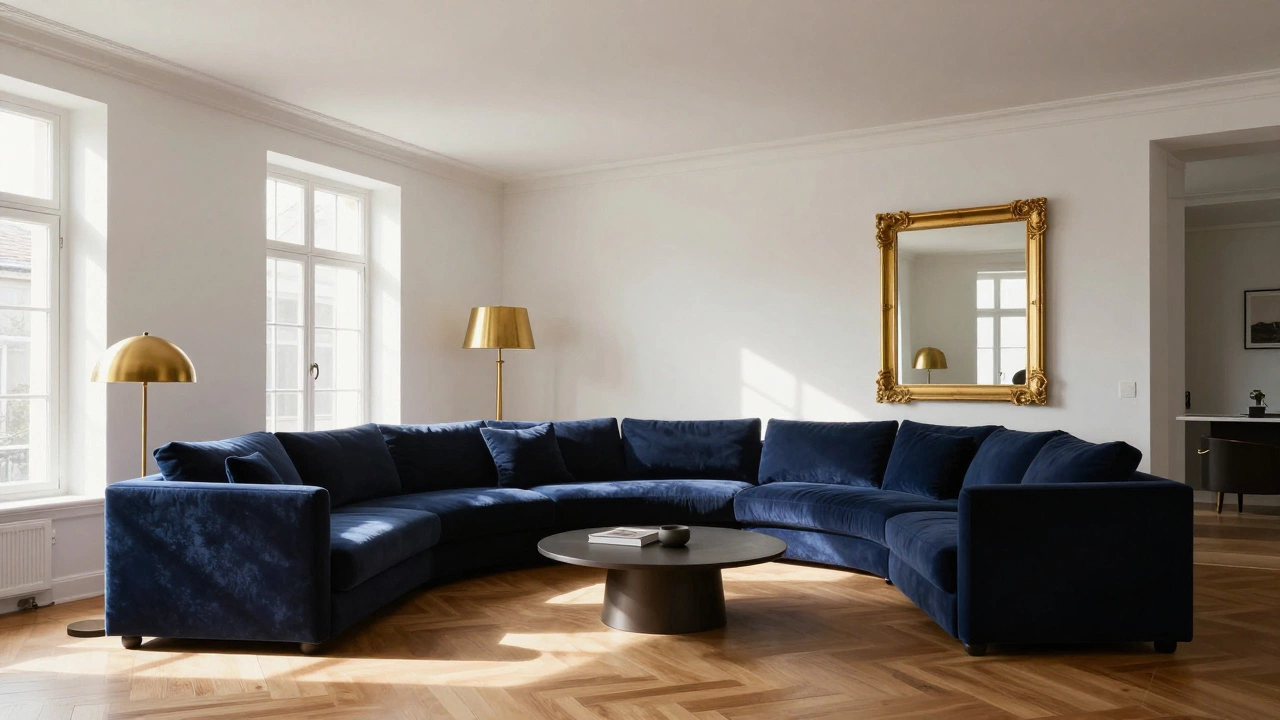
If you want drama and definition, go dark. A deep-colored corner sofa creates a strong visual anchor in a bright room. This is especially effective if your living room has large windows or high ceilings. The contrast makes the white walls pop while giving the seating area weight and presence.
Charcoal gray is another excellent option. It feels modern and sleek. Unlike black, which can be too harsh against pure white, charcoal softens the edge while still providing that necessary contrast. Think of it as a bridge between the brightness of the walls and the warmth of wooden floors.
- Pros: Hides dirt, defines the space, looks expensive.
- Cons: Can make small rooms feel cramped if the sofa is bulky; shows lint and pet hair more than mid-tones.
Embracing Warmth: Earth Tones and Neutrals
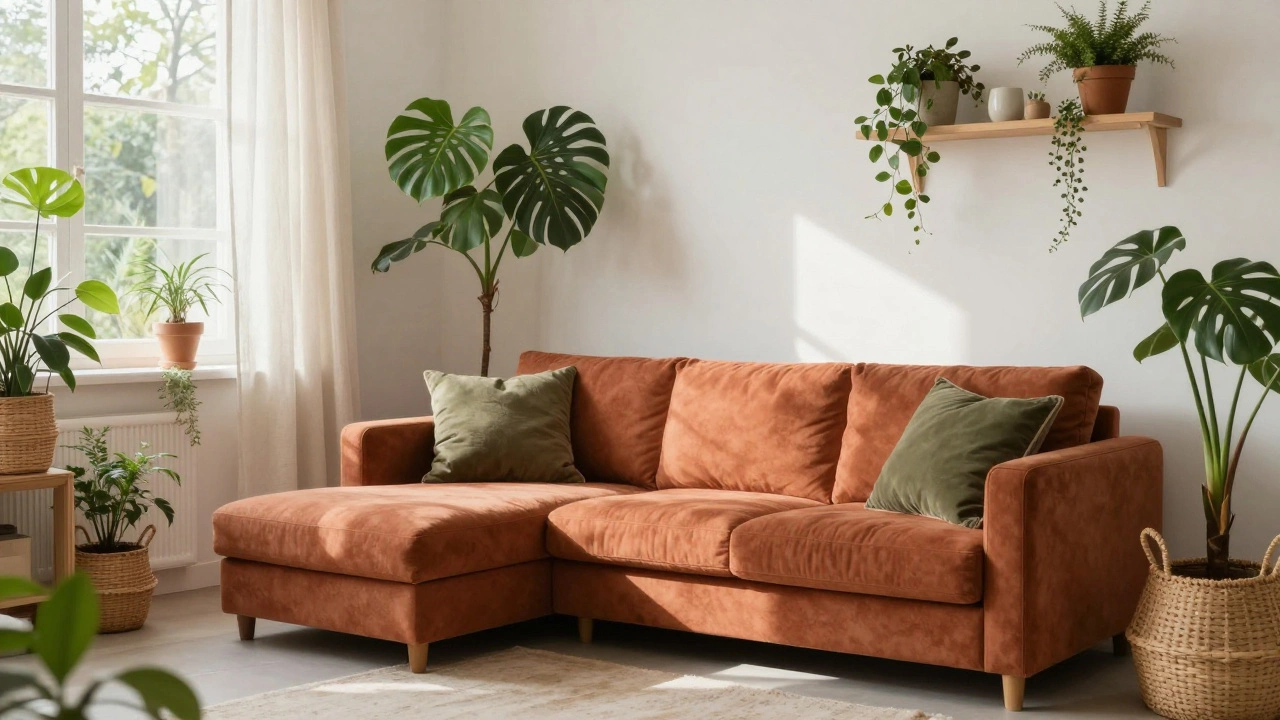
If dark colors feel too heavy for your taste, earth tones are the way to go. These colors bring warmth into a sterile white box. They mimic natural materials like wood, stone, and clay, creating a cozy, inviting atmosphere. This style aligns perfectly with the "biophilic design" trend that continues to dominate home decor.
Terracotta and burnt orange are huge right now. A terracotta corner sofa adds a splash of color that feels organic rather than artificial. It works well with plants, rattan baskets, and linen curtains. If you live in a place with lots of sunlight, these warm tones glow beautifully during the day.
Olive green is another top contender. It’s sophisticated and calming. Green connects visually with indoor plants, so if you have a leafy collection, an olive sofa ties the room together. It’s less common than gray or beige, so it gives your home a unique character without being risky.
The Safe Bet: Light Neutrals and Textures
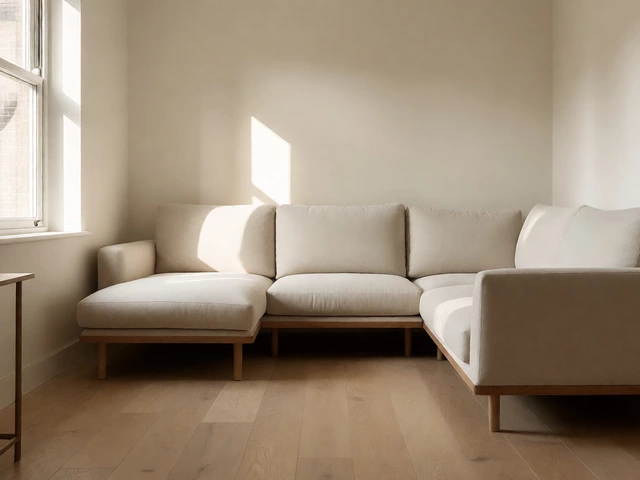
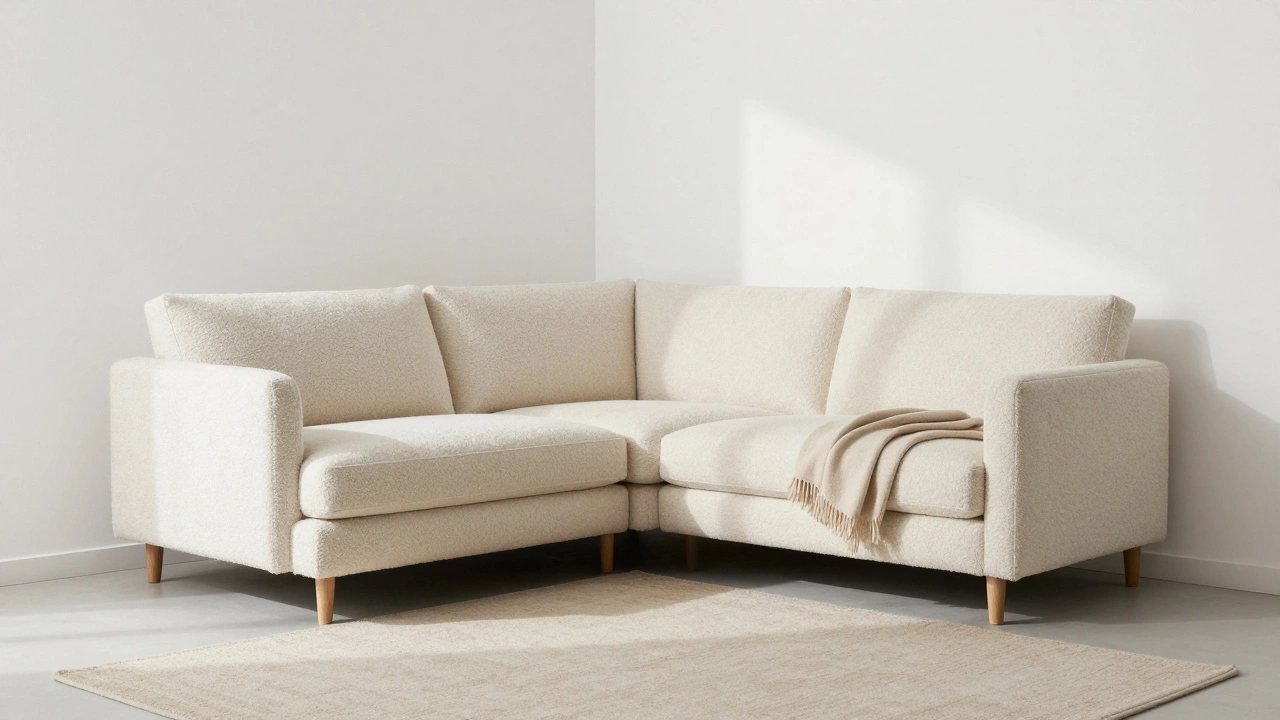
Some people prefer a monochromatic look. Putting a light-colored sofa against white walls creates a seamless, airy feel. This is ideal for small apartments where you want to maximize the sense of space. However, there’s a catch: you need texture. Without it, the room will look flat and boring.
Choose fabrics like bouclé, velvet, or heavy linen. A cream bouclé corner sofa, for example, catches the light differently than smooth cotton, adding depth to the wall-sofa interface. Beige and oatmeal are safer choices than stark white because they provide just enough contrast to distinguish the furniture from the background.
| Color Family | Best For | Maintenance Level | Vibe |
|---|---|---|---|
| Navy/Charcoal | Large rooms, formal spaces | Medium (shows lint) | Dramatic, Sophisticated |
| Terracotta/Olive | Cozy corners, plant lovers | Low-Medium | Warm, Organic |
| Cream/Beige | Small apartments, minimalists | High (stains visible) | Airy, Clean |
Using Patterns to Break the Monotony
Solid colors aren’t the only option. Patterned corner sofas can add personality and hide wear and tear. When pairing patterns with white walls, keep the base color neutral. A striped sofa with navy and white threads, for instance, bridges the gap between bold and subtle.
Geometric patterns work well in modern homes, while floral prints suit traditional or eclectic styles. The key is scale. Large-scale patterns on a big corner sofa can overwhelm a small room. Stick to medium-sized motifs unless your living room is spacious. Always ensure the pattern includes at least one color that matches other elements in the room, like rugs or throw pillows, to create cohesion.
Lighting Considerations: Natural vs. Artificial
Before you buy, consider how light hits your living room. North-facing rooms get cooler, bluer light. In these spaces, warm sofa colors like camel, mustard, or rust prevent the room from feeling cold. South-facing rooms receive warm, yellow light. Here, cooler tones like slate blue or mint green balance out the heat.
Artificial lighting matters too. If your living room relies mostly on overhead LEDs, check how the sofa fabric looks under that light. Many stores use flattering warm bulbs. Take a swatch home and hold it under your actual ceiling lights. A color that looks perfect in the showroom might appear dull or muddy in your home.
Practical Tips for Choosing Your Corner Sofa
Corner sofas are investments. They’re large, expensive, and hard to replace. Here’s how to make sure you pick the right one:
- Measure twice: Ensure the sofa fits comfortably without blocking pathways. Leave at least 30 inches of walking space around it.
- Check the fabric durability: Look for rub counts above 15,000 if you have kids or pets. Microfiber and performance fabrics are great choices.
- Consider the frame: Hardwood frames last longer than particleboard. Ask about the construction quality.
- Test the comfort: Sit on it for more than five minutes. Check the seat depth and back support.
Remember, accessories can change the mood. Even if you choose a neutral sofa, you can introduce color through cushions, throws, and art. This flexibility allows you to update your decor seasonally without replacing the main furniture piece.
Common Mistakes to Avoid
One major error is matching the sofa exactly to the rug. If both are beige, the room lacks definition. Instead, aim for complementary tones. Another mistake is ignoring the undertones of the white paint. Some whites lean pink, others blue. A sofa color that clashes with the undertone can look off. Bring a paint chip to the store to compare.
Also, avoid going too trendy. While neon greens or bright pinks might be fashionable today, they can date your home quickly. Stick to timeless hues with trendy accents. This approach ensures your corner sofa remains stylish long after the current trends fade.
Is a gray sofa good with white walls?
Yes, gray is a versatile choice. Light gray keeps the room airy, while charcoal adds contrast. Just ensure you add warm textures like wood or wool to prevent the space from feeling cold.
Can I put a white sofa against white walls?
You can, but it requires careful textural variation. Use different materials like leather, velvet, or bouclé to distinguish the sofa from the walls. Otherwise, the room may look flat and indistinct.
What color sofa makes a small room look bigger?
Light colors like cream, beige, or light gray reflect light and make spaces feel larger. Choose a sofa with exposed legs to maintain visual flow under the furniture.
How do I match my corner sofa to my flooring?
If you have hardwood floors, pick a sofa color that complements the wood tone. Warm woods pair well with cool grays or blues, while cool woods suit warm terracottas or olives. Use a rug to bridge the gap if needed.
Are dark sofas harder to clean?
Dark sofas show lint, dust, and pet hair more easily than light ones. However, they hide liquid stains and spills better. Regular vacuuming with an upholstery attachment helps maintain their appearance.