Home Storage Terms Explained: What You Need to Know
When we talk about home storage terms, the language used to describe how and where you keep things in your house or a storage unit. Also known as storage terminology, it’s not just jargon—it’s the difference between keeping your stuff safe or ending up with ruined furniture, musty clothes, or worse. If you’ve ever stored a couch in the garage, packed away seasonal gear, or rented a unit for extra space, you’ve already dealt with these terms. But do you really know what they mean?
Take storage units, rented spaces designed to hold household items, often climate-controlled or standard dry units. Also known as self-storage, they’re common in East Yorkshire for people downsizing, moving, or just running out of closet space. But not all units are created equal. Some let in humidity. Others don’t seal out pests. That’s where moisture control, the practice of managing humidity levels to prevent damage to wood, fabric, and electronics. Also known as humidity management, it’s what keeps your winter coats from smelling like a basement and your wooden shelves from warping. You don’t need a fancy dehumidifier to start—DampRid works for small spaces, but if you’re storing a full bedroom set, you’ll need more than a canister.
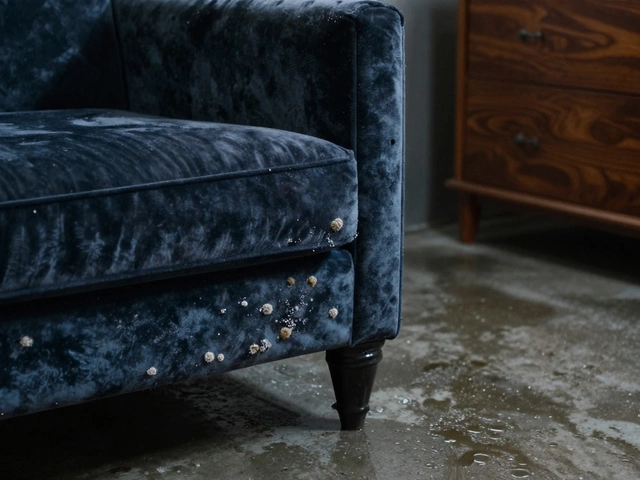
Then there’s mold prevention, steps taken to stop mold from growing on stored items, especially in damp or poorly ventilated areas. Also known as mold remediation, it’s not just about cleaning up after the fact—it’s about stopping it before it starts. Mold doesn’t just ruin your favorite armchair. It can trigger allergies, damage fabrics, and spread fast if left unchecked. That’s why knowing how to wrap furniture properly, use breathable covers, and avoid plastic bins in humid climates matters. And don’t forget furniture storage, the process of preparing and protecting pieces like sofas, beds, and wardrobes for long-term keeping. Also known as moving storage, it’s not just about tossing things in a box. It’s about disassembling, padding, elevating, and covering correctly. A couch left on a concrete floor? That’s a recipe for moisture damage. A mattress wrapped in plastic? That’s a mold trap.
These terms aren’t just for storage facility managers. They’re for anyone who’s ever wondered, "Should I put my bed in the attic?" or "Is my dresser safe in the garage?" The posts below cover real cases—like how bed bugs survive on stored furniture, whether DampRid actually works, and how to anchor a heavy bookcase so it doesn’t tip over. You’ll find practical fixes for seniors’ recliners, tips on choosing the right storage unit, and even how to wrap furniture with vinyl if you’re feeling DIY. No fluff. No guesswork. Just clear, tested advice from people who’ve seen what happens when you ignore the basics.

-
Quentin Melbourn

- 17 November 2025
Do Americans Say Closet or Wardrobe? The Real Difference Explained
Americans say 'closet,' not 'wardrobe'-here's why, how the terms differ, and what to call storage units in the U.S. to avoid confusion.