Neutral Sofa Color Selector
Find your perfect neutral sofa color based on your room conditions. Answer a few quick questions to discover which timeless shade works best for your space.
When you’re buying a sofa, you’re not just buying furniture-you’re investing in the heart of your living space. And while trends come and go, some colors stick around because they just… work. So what color sofa never goes out of style? The answer isn’t flashy. It’s quiet. It’s calm. It’s neutral.
Why Neutral Colors Last
Think about the most timeless rooms you’ve ever seen. Maybe it’s a magazine spread, a friend’s house, or a classic film set. What do they all have in common? A sofa in a soft, muted tone-gray, beige, taupe, or charcoal. These colors don’t shout. They listen. They adapt.
Unlike bright reds or bold blues, neutrals don’t lock you into a moment. A cobalt blue sofa might look amazing in 2024, but by 2027, you’ll be wondering why you didn’t go with something more flexible. A charcoal gray sofa? It still looks sharp. It still feels right. It doesn’t compete with your rug, your curtains, or your art. It holds the space together.
Real-world proof? Look at high-end design studios. They rarely, if ever, use a colored sofa as the main piece. Instead, they layer neutrals with texture-linen, wool, bouclé-to add depth. That’s because neutrals are the canvas, not the painting.
The Top Three Timeless Sofa Colors
Not all neutrals are created equal. Here are the three that consistently win over decades of changing tastes:
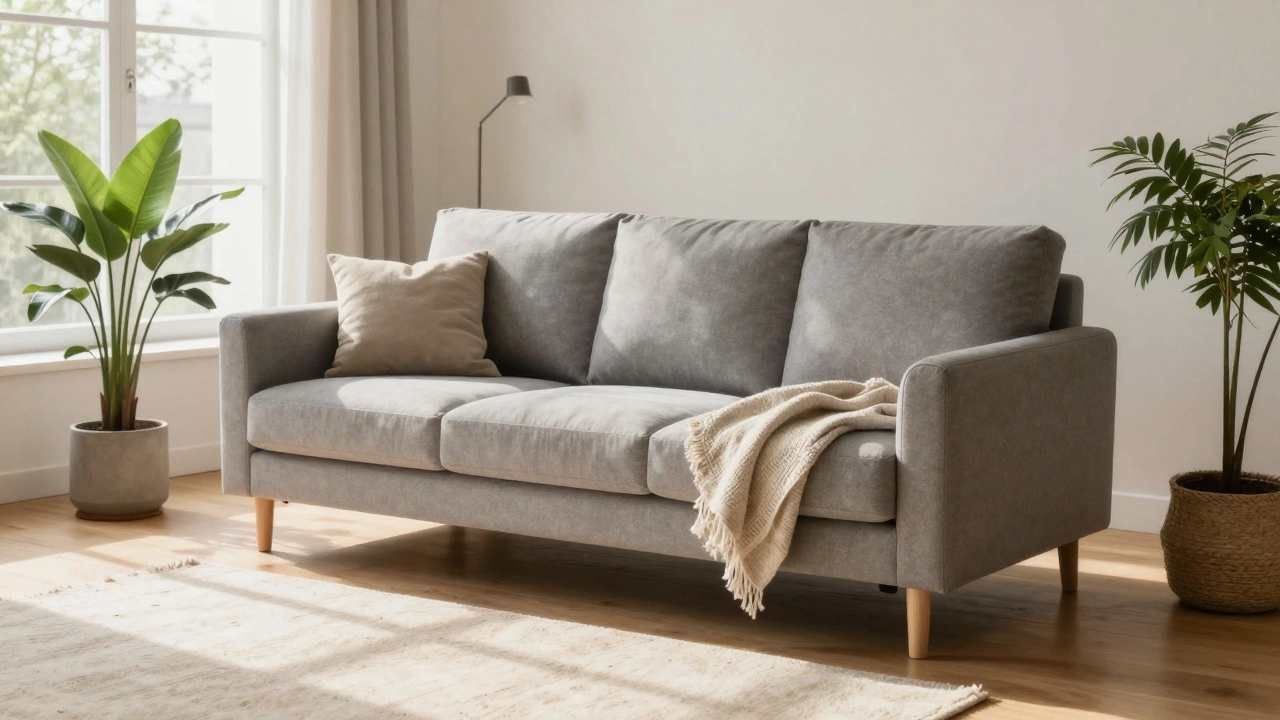
- Gray - Not too cool, not too warm. A medium gray (think slate or charcoal) works in modern lofts and cozy cottages alike. It hides dirt, complements wood tones, and pairs with almost any accent color-from mustard yellow to navy blue.
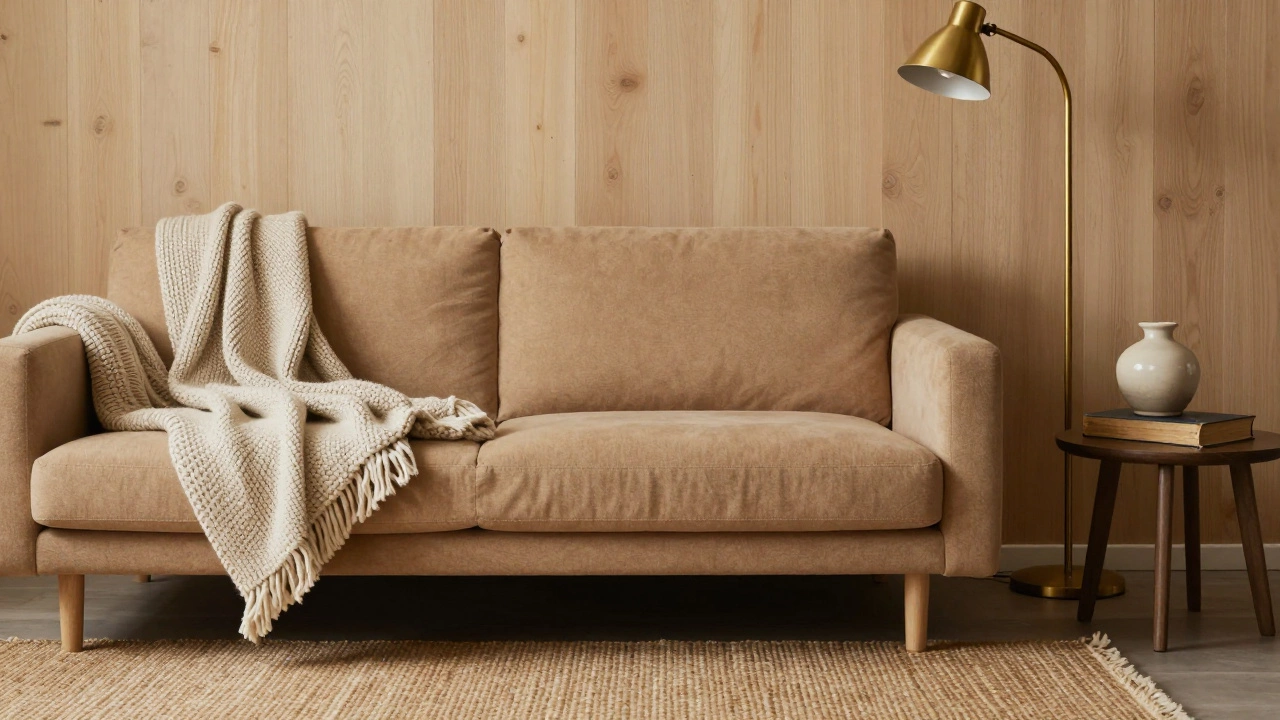
- Beige - Don’t confuse this with off-white. True beige, like camel or sand, has a hint of warmth. It’s the color of linen, of old leather, of sun-baked walls. It feels lived-in and welcoming. If you’ve ever walked into a Scandinavian home and thought, “I could live here,” it’s probably because of a beige sofa.
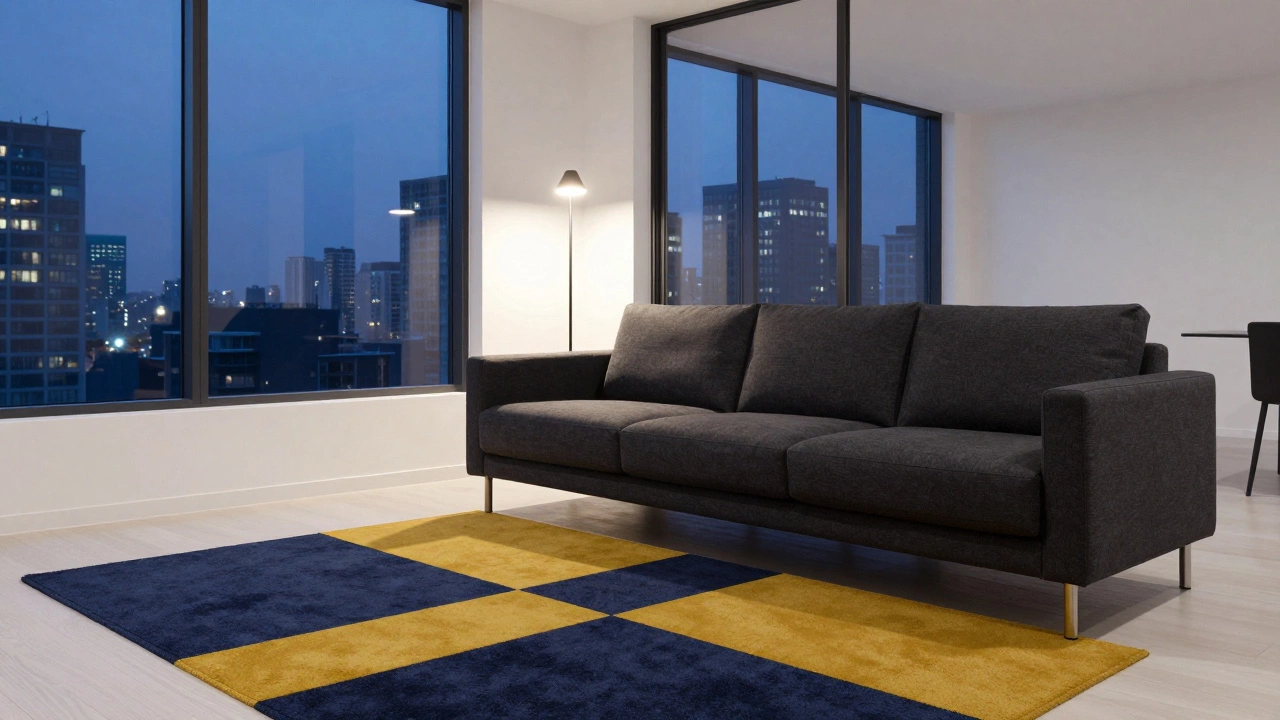
- Charcoal - For those who want a little drama without going full black. Charcoal is rich, deep, and surprisingly versatile. It anchors a room, especially when paired with light walls or natural wood. It’s the sofa you don’t notice… until you realize it’s the reason your space feels so grounded.
These three colors have been around since the 1950s. They survived the 80s pastels, the 90s earth tones, the 2010s millennial pink craze. Why? Because they’re not about fashion. They’re about function.
What About White? Or Black?
White sofas? They look stunning in photos. In real life? They’re a maintenance nightmare. Spills, pet hair, kids, sunlight fading-it all adds up. Unless you’re willing to steam-clean monthly, avoid pure white. Off-white? Sure. But true white? Not worth the stress.
Black sofas? They’re elegant, sure. But they show dust, lint, and crumbs like nothing else. Plus, they can make a small room feel smaller. Black works as an accent, not a base. Stick to charcoal instead-it’s the grown-up version of black that still has depth without the drama.
How to Choose the Right Neutral
Not every gray is the same. Not every beige looks alike. Here’s how to pick the one that suits your space:
- Check the lighting. Natural light changes everything. A gray that looks cool by the window might turn blue under artificial light. Sit with fabric swatches in your room at different times of day.
- Look at your floor. If you have dark wood, go lighter-beige or warm gray. If your floor is light oak or pale stone, a charcoal sofa adds contrast and richness.
- Think about your lifestyle. Pets? Kids? A bouclé beige or textured gray hides more than smooth leather. Texture is your friend.
- Test durability. Ask about fabric ratings. Look for “double rub” counts above 30,000. That’s the industry standard for heavy use. A cheap-looking neutral that pills after six months isn’t timeless-it’s a mistake.
How to Keep It Looking New
Even the best neutral sofa needs care. Here’s what works:
- Rotate cushions every few months. It prevents uneven wear.
- Use a fabric protector spray. It doesn’t make it stain-proof, but it gives you time to clean spills before they set.
- Vacuum weekly. A soft brush attachment removes dust and pet hair before it sinks in.
- Don’t use bleach or harsh cleaners. They strip color and damage fibers.
With basic care, a quality neutral sofa can last 12-15 years. That’s longer than most people keep their cars.
What to Pair With It
One of the biggest advantages of a neutral sofa is how easily it blends. Here are a few tried-and-true combos:
- Gray sofa + light wood + green plants - Clean, calming, and endlessly fresh.
- Beige sofa + brass accents + textured throw - Warm, inviting, and subtly luxurious.
- Charcoal sofa + white walls + a bold area rug - Modern, dramatic, and perfect for art lovers.
You can swap out pillows, throws, and side tables as trends change. The sofa? That stays. That’s the point.
What Not to Do
Don’t buy a neutral sofa just because it’s safe. That’s not the goal. The goal is to choose one that feels right for your life. If you hate gray, don’t force it. If you love warmth, go for a camel tone. Neutrals aren’t about being boring-they’re about being adaptable.
Also, don’t assume all neutrals are cheap. The best ones come from brands that focus on fabric quality, not just price. Look for natural fibers like cotton, wool, or linen blends. Avoid 100% polyester-it pills, fades, and looks flat after a year.
Final Thought: It’s Not About Color. It’s About Confidence.
The sofa that never goes out of style isn’t famous because it’s trendy. It’s famous because it lets you change everything else. Your art, your lighting, your rugs, your mood-they all get to evolve. The sofa? It just holds the space. Quietly. Reliably. Beautifully.
So if you’re standing in a showroom, torn between a teal sectional and a gray one… go with the gray. You’ll thank yourself in five years.
Is a gray sofa too cold for a cozy home?
Not if you balance it right. Gray can feel cool, but pairing it with warm wood floors, textured throws, and golden lighting turns it into a cozy anchor. Add a cream rug or a camel-colored armchair, and the room instantly feels inviting. The key is layering textures-not changing the color.
Can a beige sofa look dated?
Only if it’s the wrong beige. Avoid yellowish or overly creamy tones-they look like old linens. Instead, choose a warm sand or camel shade. These have subtle reddish or brown undertones that feel modern and natural. Brands like IKEA’s FRIHETEN or West Elm’s Bixby are good examples of updated beige.
Is charcoal too dark for a small room?
It can be, but not if you use light walls and plenty of lighting. Charcoal creates depth, not claustrophobia. Pair it with white or pale gray walls, and use ceiling lights or floor lamps to bounce light around. The contrast makes the room feel intentional, not cramped. Many urban apartments in Toronto and Vancouver use this combo successfully.
Should I buy a leather sofa in a neutral color?
Absolutely-especially in gray or taupe. Real leather ages beautifully and develops a patina over time. It’s more durable than fabric, and it’s easier to clean. Just avoid bonded leather-it’s not real and peels quickly. Look for full-grain or top-grain leather with a natural finish. It’s pricier, but lasts longer than most fabric sofas.
What if I want to change the look later?
That’s the whole point of a neutral sofa. You can swap out pillows, add a colorful throw, change the rug, or even paint the walls. A gray or beige sofa is like a blank canvas-it lets you reinvent your space without replacing the biggest piece of furniture. Most people change their decor every 3-5 years. A neutral sofa lets you do that without a new purchase.