Furniture Infestation: What It Is and How to Tackle It
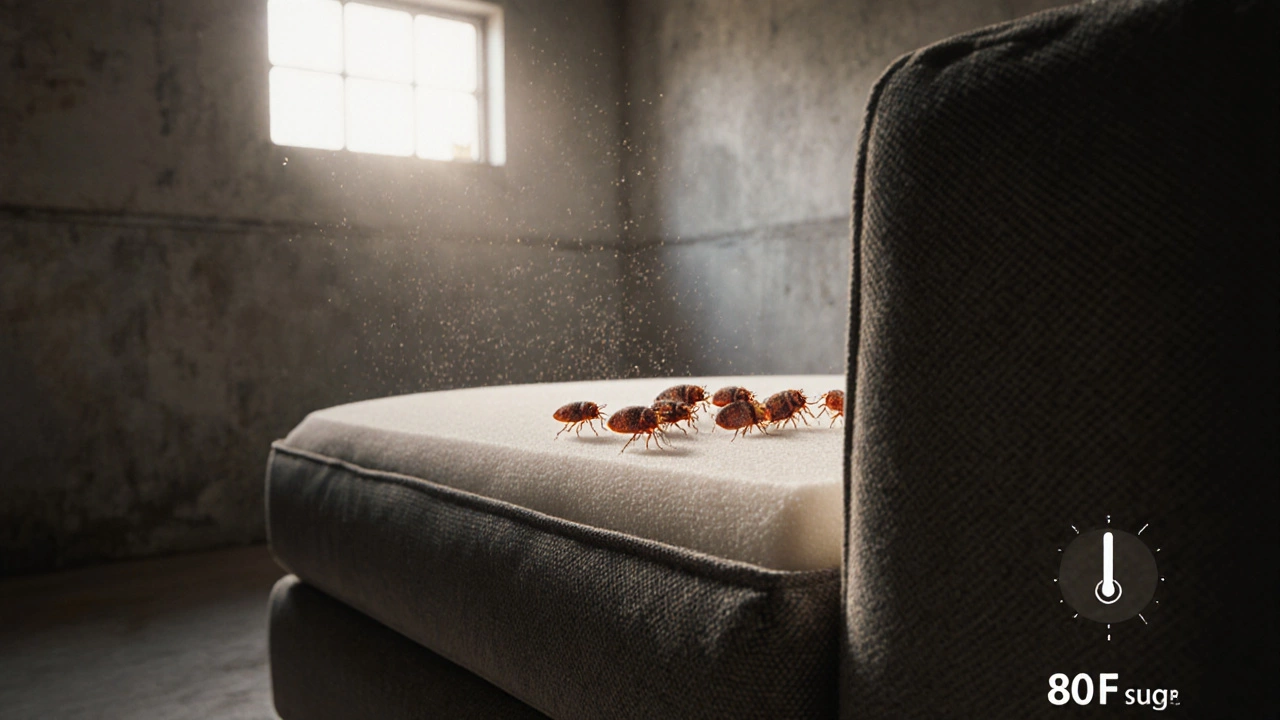
When dealing with furniture infestation, the unwanted presence of pests, mold, or damage that compromises the safety and appearance of your pieces. Also known as furniture pest problem, it can turn a cozy bedroom into a health hazard. Right off the bat, two of the most common culprits are furniture mites, tiny arthropods that love the hidden seams of sofas and wardrobes, and mold growth that thrives in damp storage units. Both of these issues are linked by a single factor: moisture. When humidity spikes, mites multiply and mold spores settle, creating a perfect storm for a furniture infestation. Understanding this connection helps you see why proper climate control is the first line of defense.
Why Storage, Temperature, and Materials Matter
Think of furniture storage as the backyard of your home’s health. If you stash a bedroom set in a basement without ventilation, you invite mold and give mites a cozy home. Temperature plays a big role too; furniture left in freezing conditions can crack, while heat accelerates mold growth. Cold damage isn’t just about aesthetic wear—wood can split, metal can become brittle, and the structural integrity of a piece can drop dramatically. Outdoor pieces face the same challenges, but with added exposure to rain, UV rays, and seasonal swings. That’s why outdoor furniture durability matters: choosing weather‑proof materials like powder‑coated aluminum or synthetic wicker reduces the chance of infestation‑related decay. The link is clear: good storage habits, stable temperature, and resilient materials together lower the risk of pests, mold, and structural failure.
Prevention starts with a simple checklist. Sweep away dust and debris where mites love to hide, then vacuum upholstery regularly to pull out any insects or eggs. Use a dehumidifier or silica packs in storage areas to keep humidity below 60 %. Before sealing a storage unit, inspect for any signs of water leaks—tiny stains can be the birthplaces of mold. For outdoor furniture, apply a protective sealant annually and store cushions in breathable covers to avoid trapped moisture. If you suspect an existing infestation, a quick visual scan for black specks (mites) or a musty smell (mold) can prompt immediate action. Professional cleaning, UV light treatment, or mold‑removing sprays can restore a piece’s safety. By recognizing how each entity—mites, mold, storage conditions, temperature, and material durability—interacts, you gain a roadmap to keep every room and patio free from infestation. Below, you’ll find detailed guides that walk you through choosing the right anchors for heavy bookcases, matching coffee tables to sofas, and protecting grass under patio furniture, all aimed at giving you practical tools to fight the hidden threats your furniture faces.
-
Quentin Melbourn

- 21 October 2025
Bed Bug Survival on Stored Furniture: How Long Do They Live?
Learn how long bed bugs can survive on furniture in storage, what factors affect their lifespan, and how to prevent infestations before they become a problem.
Popular Posts



Categories
Tag Clouds