Ergonomic Chair: What Makes It Work and How to Choose One
When you sit for hours at a desk, your ergonomic chair, a chair designed to support the natural curves of your spine and reduce strain during long periods of sitting. Also known as office chair with lumbar support, it isn’t just about comfort—it’s about keeping your body healthy while you work. If you’ve ever felt tightness in your lower back, numbness in your legs, or shoulder tension after a long day, your chair might be the culprit. A good ergonomic chair doesn’t force you to adjust to it—it adjusts to you.
The best ergonomic chair, a chair designed to support the natural curves of your spine and reduce strain during long periods of sitting. Also known as office chair with lumbar support, it isn’t just about comfort—it’s about keeping your body healthy while you work. isn’t the most expensive one—it’s the one that fits your body. Key features include adjustable armrests so your shoulders stay relaxed, a seat depth that lets your thighs rest fully without pressing into your knees, and a backrest that curves just right to support your lower spine. Many people overlook lumbar support, but it’s what keeps your spine from slumping into a C-shape. Without it, you’re putting extra pressure on your discs, which can lead to long-term pain. And if you’re sitting for more than four hours a day, you’re not just sitting—you’re training your body to hurt.
It’s not just for office workers. Seniors, people recovering from back injuries, and even those managing conditions like degenerative disc disease find relief in the right chair. Features like tilt control, breathable fabric, and easy height adjustment make a real difference. You don’t need a fancy chair with five levers—just one that lets you sit without thinking about it. And if you’re using a recliner for work, make sure it doesn’t let you sink too far back. A chair that leans too far can strain your neck and shoulders, even if it feels cozy at first.
What you’re looking for isn’t a trend—it’s a solution. The right ergonomic chair helps you sit taller, breathe easier, and move less during the day. It doesn’t fix bad habits overnight, but it stops them from getting worse. And if you’ve tried cushions, back rolls, or standing desks without lasting results, the chair itself might be the missing piece.
Below, you’ll find real advice from people who’ve been there—how to stop sliding in a recliner, what features actually help with back pain, and how to pick a chair that lasts without breaking the bank. No fluff. No marketing jargon. Just what works.
-
Quentin Melbourn

- 19 March 2026
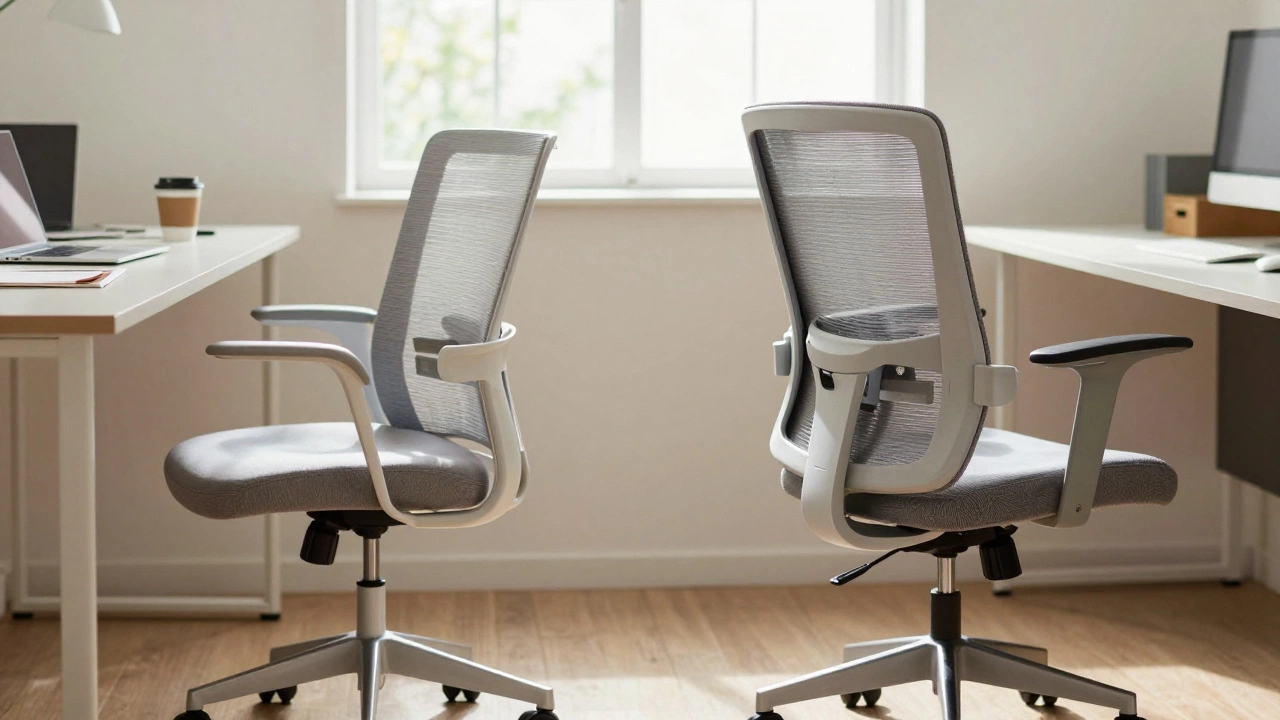
What Is the Difference Between a Task Chair and an Office Chair?
Task chairs and office chairs look similar but serve very different purposes. Learn the key differences in support, adjustability, and durability to choose the right one for your daily work routine.
-
Quentin Melbourn
- 12 March 2026
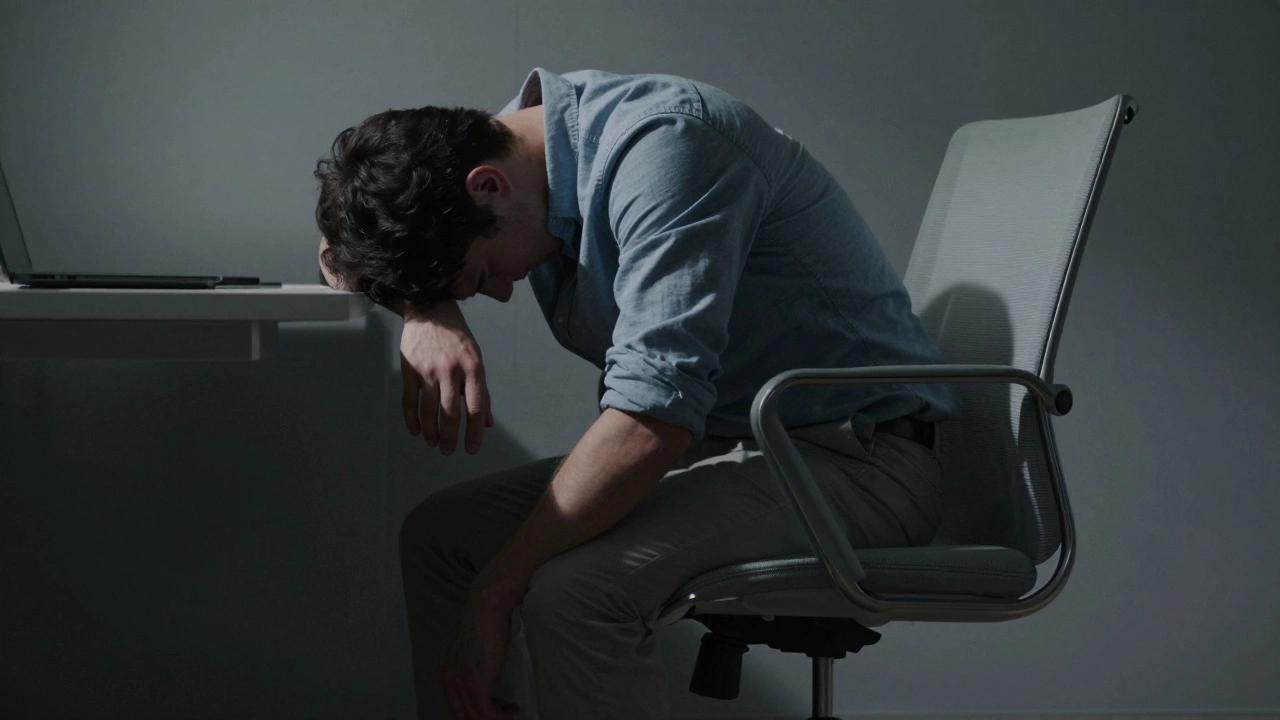
What Is the Problem of a Chair Without Armrests? Office Chair Comfort and Health Risks
A chair without armrests forces your body to compensate, leading to shoulder, neck, and wrist pain over time. Proper armrests reduce strain, improve posture, and prevent long-term injury - especially for those who sit for hours daily.
-
Quentin Melbourn
- 29 December 2025
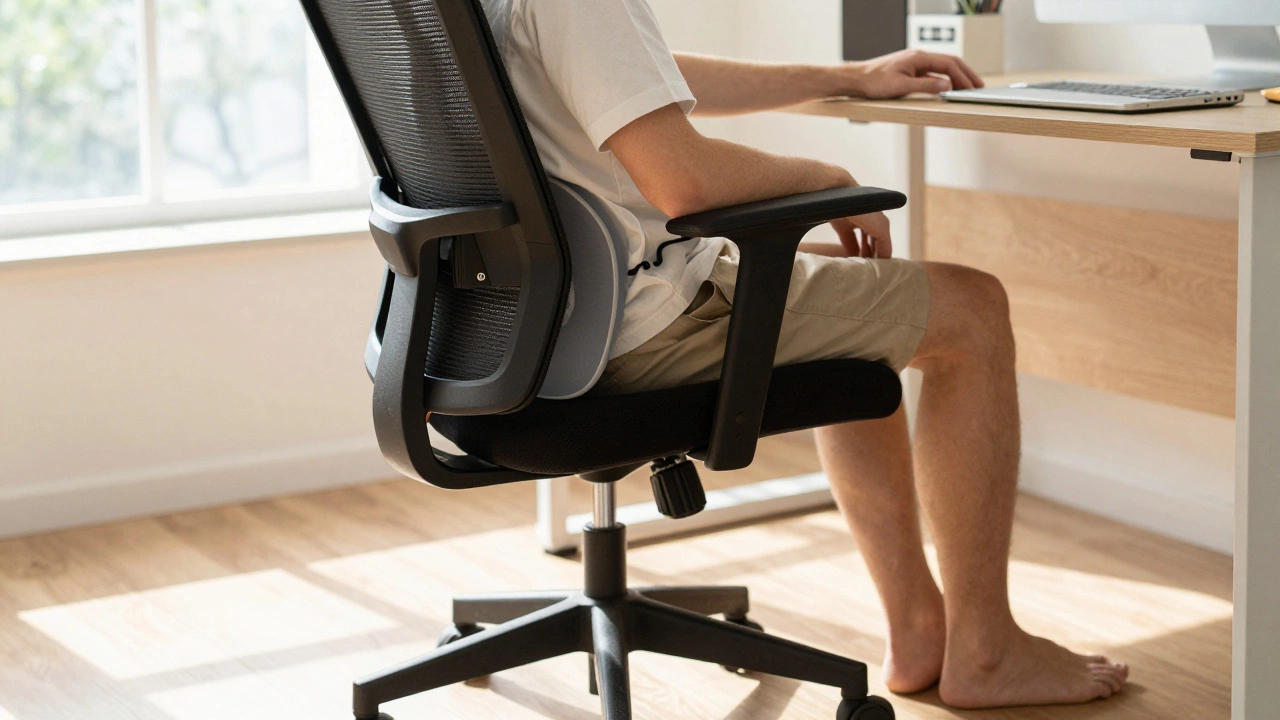
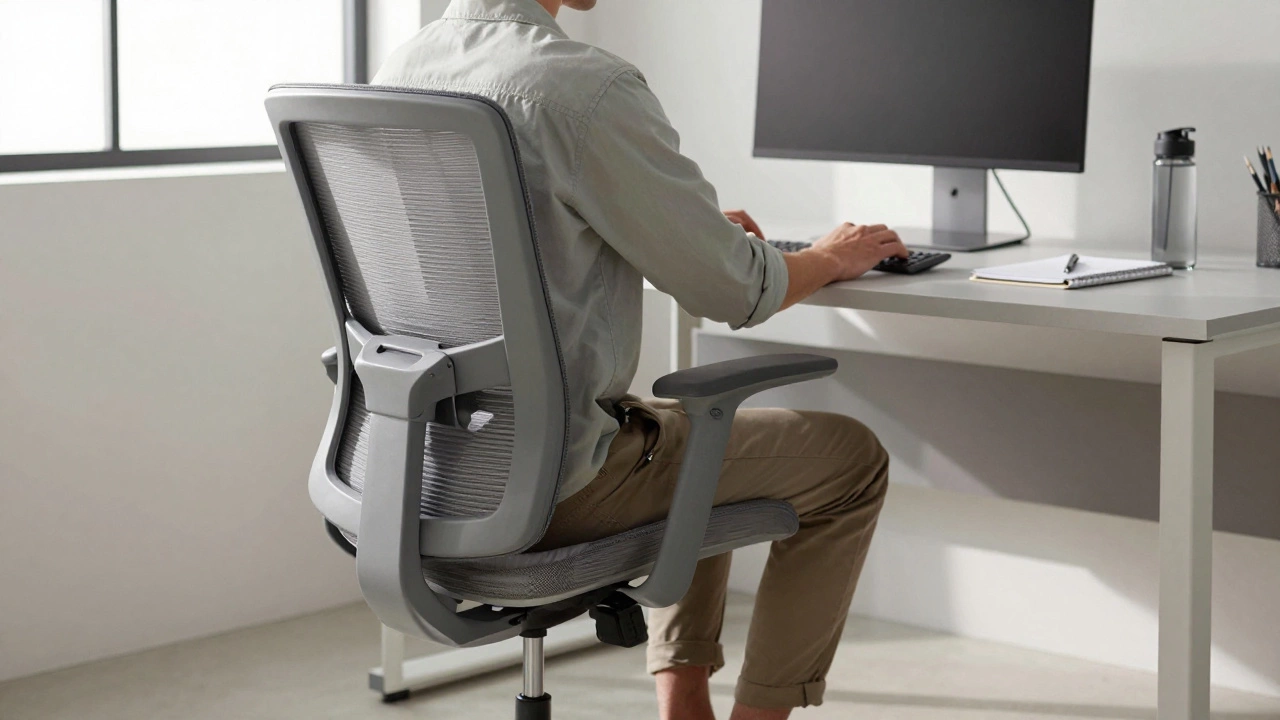
How to Pick a Good Office Chair: A Practical Guide for Comfort and Health
Learn how to pick an office chair that supports your posture, prevents back pain, and lasts for years. No fluff-just practical tips on lumbar support, adjustability, materials, and what to avoid.
-
Quentin Melbourn
- 22 December 2025
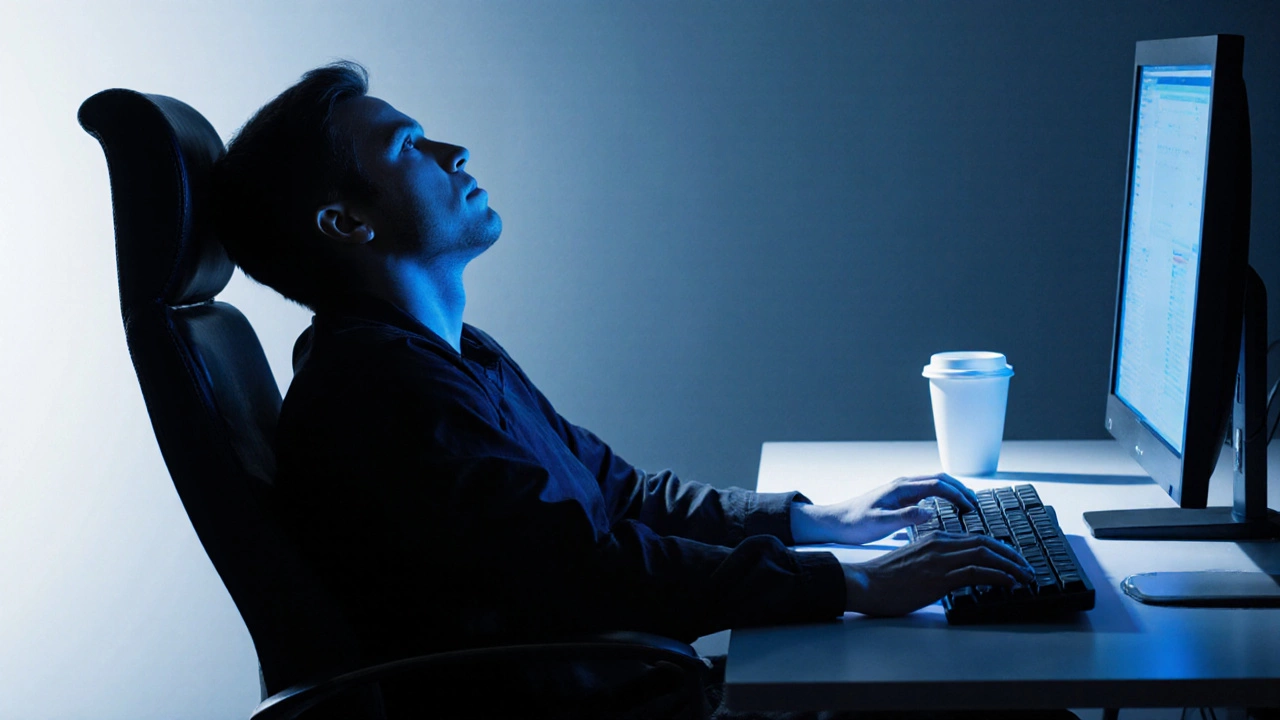
Best Office Chair for Long Hours at Your Computer
Find the best office chair for long hours at your computer. Learn what features actually prevent pain, which models experts recommend, and how to test a chair before buying.
-
Quentin Melbourn
- 20 November 2025
Is It OK to Sit on a Chair All Day? The Real Health Impact and What to Do Instead
Sitting all day harms your back, heart, and mind-even if you exercise after work. Learn how to move smarter, choose the right chair, and break the habit without quitting your job.