Sofa Bed Cost & Suitability Calculator
Analysis Results
Enter your details to see if this investment makes sense for your home.
You are scrolling through furniture sites, looking for a solution to that spare room or studio apartment dilemma. You see two terms used interchangeably, yet sometimes distinctly: sofa bed and sleeper sofa. It feels like marketing wordplay, doesn't it? One minute you are clicking on a "sleeper," the next on a "sofa bed," and they look identical. The confusion is real, but so is the answer. In the world of modern furniture, there is almost no difference between the two. They are synonyms.
However, understanding why these terms exist-and what other convertible options actually *do* differ-can save you from buying a back-breaking piece of junk. Let’s clear up the terminology first, then dive into the mechanics that truly matter when you need a comfortable place to sleep overnight.
The Terminology Trap: Are They Different?
Short answer: No. Long answer: It depends on who you ask, but mostly no. Historically, the term "sleeper sofa" was coined by manufacturers to sound more premium than "sofa bed." A "bed" implies something temporary or utilitarian, while a "sleeper" suggests a dedicated sleeping experience. Over time, retailers, designers, and consumers started using them as perfect substitutes.
If you walk into a major furniture store in Mississauga or anywhere else in North America, you will find sections labeled "Sleepers" containing items described as "sofa beds" in the fine print. The mechanism is the same: a frame hidden inside a couch that pulls out to support a mattress. When shopping, do not let the label change your perception of quality. Instead, look at the construction details.
How the Mechanism Works: The Heart of the Sleeper
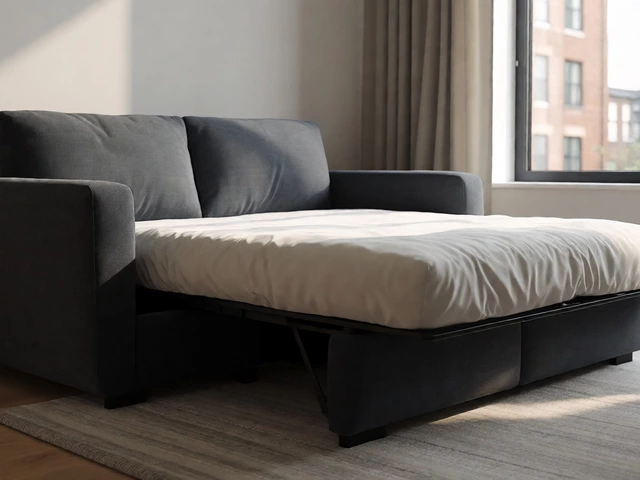
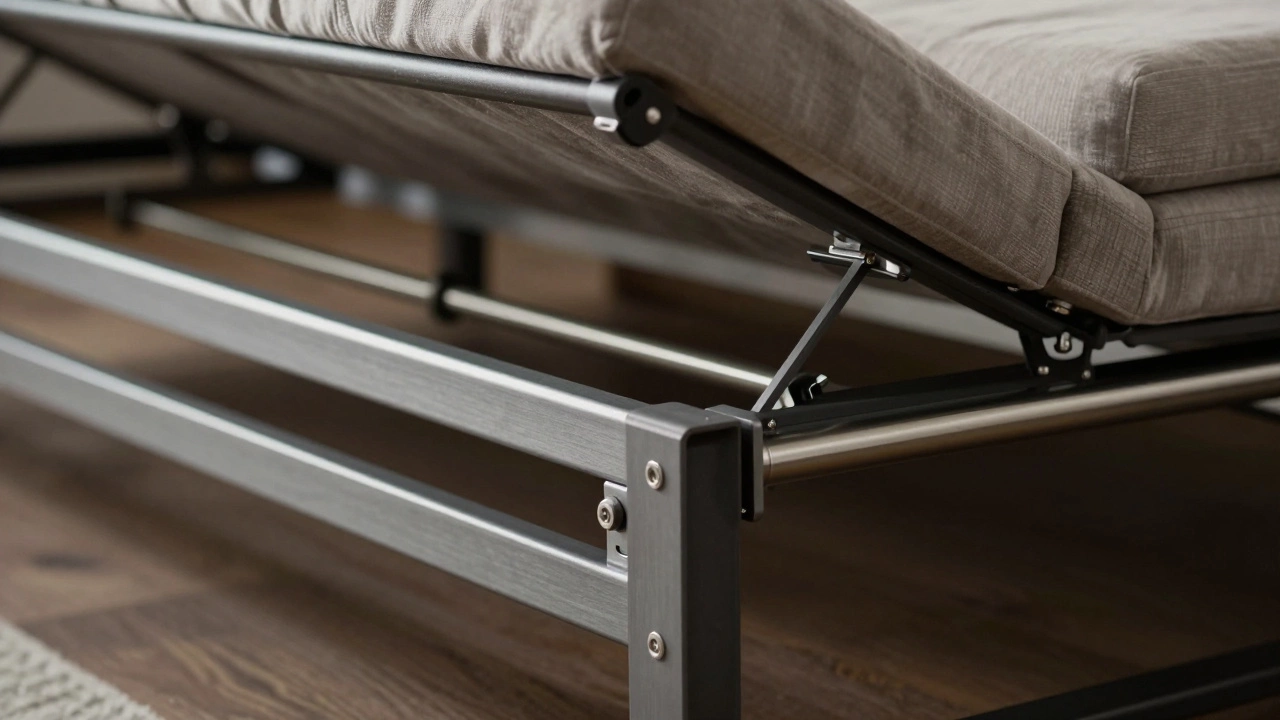
Since the names are interchangeable, the real distinction lies in the hardware. Most traditional sofa beds use a tri-fold mechanism. Imagine a mattress folded into three equal sections. When you pull the base forward, the middle section unfolds, creating a flat surface. This is the industry standard for decades.
The quality of this mechanism varies wildly. Cheap models use thin metal rods that can bend or squeak after a year of use. High-end models feature heavy-gauge steel frames with smooth-gliding tracks. Here is what you need to check:
- Pull-out ease: Does it require one hand or two? Can you operate it without straining your back?
- Frame stability: Shake the extended bed. If it wobbles significantly, the joints are loose.
- Noise level: Listen for creaks during extension. Metal-on-metal friction is a sign of poor lubrication or design.
Newer designs are moving away from the classic tri-fold. Some brands now offer "click-clack" mechanisms or zero-gap systems where the cushion itself flips over to become the mattress, eliminating the bulky under-bed storage entirely. These are often marketed as "convertible sofas" rather than sleepers, offering a sleeker profile.
Mattress Types: Where Comfort Is Won or Lost
The biggest complaint about sofa beds isn’t the pulling out-it’s the sleeping part. For years, these mattresses were essentially cardboard with foam padding. That has changed, but only if you know what to look for. The type of mattress determines whether your guest sleeps well or wakes up stiff.
| Mattress Type | Comfort Level | Durability | Best For |
|---|---|---|---|
| Innerspring | Firm, bouncy | High (5-7 years) | Heavy users, back support |
| Memory Foam | Plush, contouring | Medium (3-5 years) | Side sleepers, occasional guests |
| Hybrid | Balanced support | High (5+ years) | Daily use, all body types |
| Polyurethane Foam | Firm, minimal give | Low (1-3 years) | Budget options, rare use |
Innerspring mattresses are the gold standard for durability. They provide consistent support and don’t sag as quickly as foam. However, they add weight to the sofa, making the pull-out action heavier. Memory foam is lighter and easier to maneuver, which is great for solo setup, but it tends to lose its shape faster, especially in humid climates like parts of Canada during summer months. If you plan to host guests frequently, invest in a hybrid model that combines coils for support with foam for comfort.
Sofa Bed Alternatives: Futons, Sectionals, and Daybeds
If the traditional pull-out sleeper doesn’t fit your space or budget, there are other options. But be careful-these are *not* the same as a sleeper sofa. They serve different purposes and offer different levels of comfort.
Futons are often confused with sofa beds because they also convert to a flat surface. However, a futon uses a wooden frame and a thick mattress that folds in half or thirds. The sitting position is usually upright and rigid, lacking the deep cushions of a real sofa. Futons are cheaper and take up less floor space, but they rarely provide the lounging comfort of a true sleeper sofa. They are best for dorm rooms or very tight studios where seating is secondary to saving space.
Sectional Sleepers are becoming increasingly popular in open-concept living rooms. These large L-shaped couches hide a sleeper mechanism in one of the chaise sections. They offer massive seating capacity and a full-size bed, but they are expensive and require significant floor space. The mechanism is often more complex, meaning higher repair costs if something breaks.
Daybeds are another alternative. They look like a bench or a small sofa but have a twin-sized mattress permanently installed. You don’t pull anything out; you just put sheets on it. Daybeds are stylish and easy to maintain, but they always look like a bed, even when you want a cozy reading nook. They work well in home offices or sunrooms where dual functionality is needed without the mechanical hassle.
Space Planning: Measuring for Success
Before you buy, measure your room twice. A sofa bed takes up more space than a regular couch when extended. You need enough clearance behind the sofa to pull out the frame and unfold the mattress. Typically, you need at least 60 inches of clear wall space behind the unit.
Also, consider the width. Twin-size sleeper sofas are narrower, around 60-65 inches wide, making them suitable for smaller apartments. Full-size sleepers are wider, often exceeding 80 inches, which can dominate a small living area. If you have a narrow hallway leading to the room, measure the doorways too. Large sectional sleepers often cannot fit through standard interior doors and may require window removal or professional delivery services.
Maintenance and Longevity Tips
To keep your sofa bed functioning smoothly for years, follow these simple maintenance steps:
- Lubricate the tracks annually. Use a silicone-based spray on the metal rails to prevent squeaking and rust. Avoid oil-based products that attract dust.
- Air out the mattress. Every few months, pull out the bed and let the mattress breathe for an hour. This prevents mold and mildew buildup, especially important in humid environments.
- Vacuum the crevices. Crumbs and dust accumulate in the folding joints. Use a brush attachment to clean hard-to-reach areas regularly.
- Rotate the mattress. If possible, flip or rotate the mattress every six months to ensure even wear.
Ignoring these steps leads to premature wear. A stuck mechanism is frustrating, and a stained mattress is unsanitary. Treat your sofa bed like both a couch and a bed, and it will reward you with longevity.
Cost Considerations: Budget vs. Premium
Prices for sofa beds vary widely based on materials and brand reputation. Entry-level models start around $500-$800. These often use polyurethane foam and lightweight frames. Mid-range options, priced between $1,000-$2,500, typically feature innerspring mattresses and sturdier wood or metal frames. High-end designer sleepers can exceed $4,000, offering premium fabrics, custom mechanisms, and superior craftsmanship.
Don’t just look at the sticker price. Consider the cost per use. If you host guests monthly, a cheaper model might need replacing in three years, costing you more in the long run. If guests come once a year, a budget-friendly option makes sense. Calculate your expected usage frequency before deciding.
Final Thoughts on Choosing the Right Fit
So, is there a difference between a sofa bed and a sleeper sofa? Only in name. The real differences lie in the mechanism, mattress quality, and design style. Focus on those factors instead of getting caught up in terminology. Test the comfort yourself if possible. Sit on it, lie on it, pull it out. Your body will tell you more than any product description ever could. Choose wisely, and your guests will thank you.
Is a sleeper sofa the same as a sofa bed?
Yes, they are synonymous terms. Both refer to a couch that converts into a bed using a pull-out mechanism. Manufacturers use different names for marketing purposes, but the function and structure are identical.
Which is more comfortable: a futon or a sleeper sofa?
A sleeper sofa is generally more comfortable. It features a thicker, dedicated mattress designed for sleeping, whereas a futon uses a thinner mattress that doubles as seating. Futons often feel firmer and less plush, making them better for occasional use or tight budgets.
How much space do I need for a sofa bed?
You need at least 60 inches of clear wall space behind the sofa to fully extend the frame and unfold the mattress. Additionally, ensure your doorway and hallways are wide enough to accommodate the sofa’s dimensions during delivery.
What is the lifespan of a typical sleeper sofa?
With proper care, a mid-to-high-end sleeper sofa lasts 7-10 years. Budget models may last only 3-5 years. Regular maintenance, such as lubricating tracks and airing out the mattress, extends its life significantly.
Can I use a regular mattress protector on a sofa bed?
Yes, but choose a fitted sheet-style protector specifically designed for pull-out mattresses. Standard protectors may slip off due to the unique shape and thickness of sleeper mattresses. Look for elasticized edges that secure tightly.
Are sectional sleepers worth the extra cost?
Sectional sleepers are worth it if you need maximum seating capacity and a full-size bed. They are ideal for large families or frequent hosts. However, they are expensive and require more floor space. For small apartments, a standard two-seater sleeper is more practical.
How do I clean a sofa bed?
Vacuum upholstery regularly to remove dust and crumbs. Spot clean stains with a mild detergent and water. Avoid soaking the fabric, as moisture can seep into the mechanism and cause rust. Always check the manufacturer’s cleaning code (W, S, or WS) before applying any cleaner.