Beige & White Harmony Checker
Select the undertones of your existing or planned furniture and walls to see how they interact. Remember: Matching temperatures creates harmony; clashing temperatures can look muddy.
Verdict
ResultDesign Tips for This Combination:
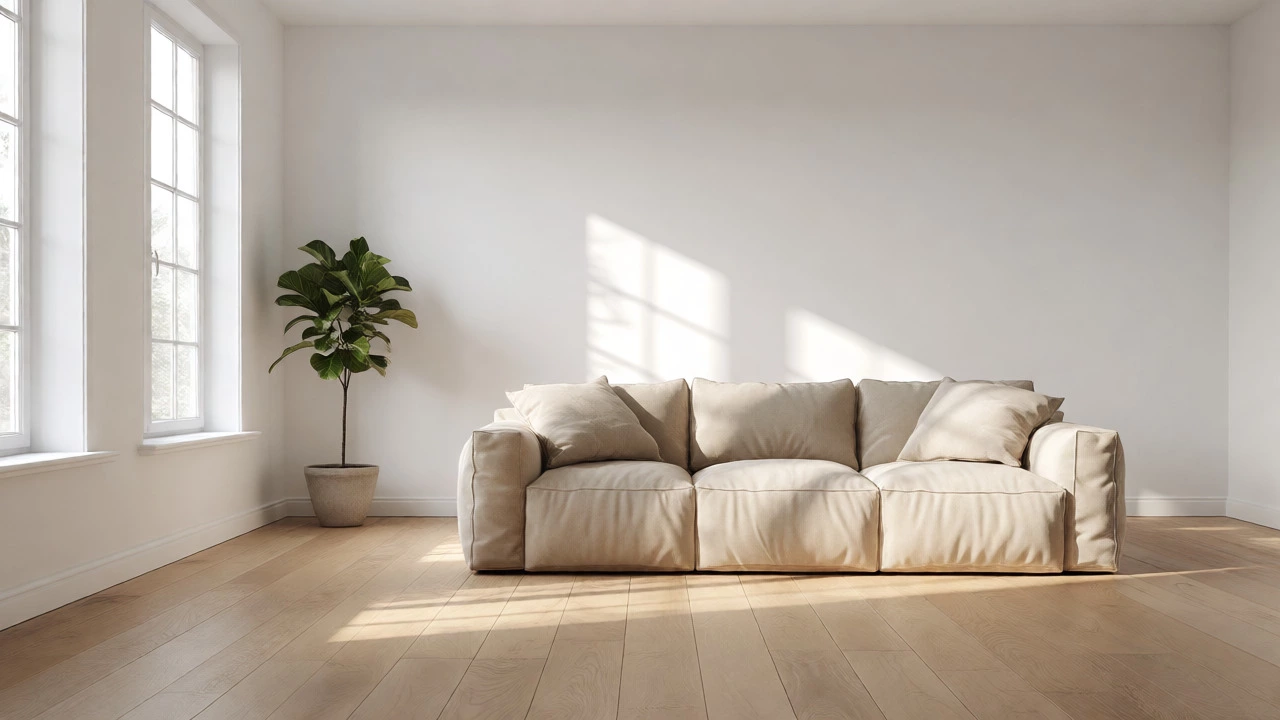
You stare at the empty corner of your living room. The walls are crisp, clean white a neutral color that reflects light and creates a sense of spaciousness. You have your eye on a plush, inviting beige sofa a classic furniture piece in a warm, sandy tone that offers versatility and comfort. But a nagging doubt creeps in: will it look like you forgot to paint? Or worse, will it blend into nothingness?
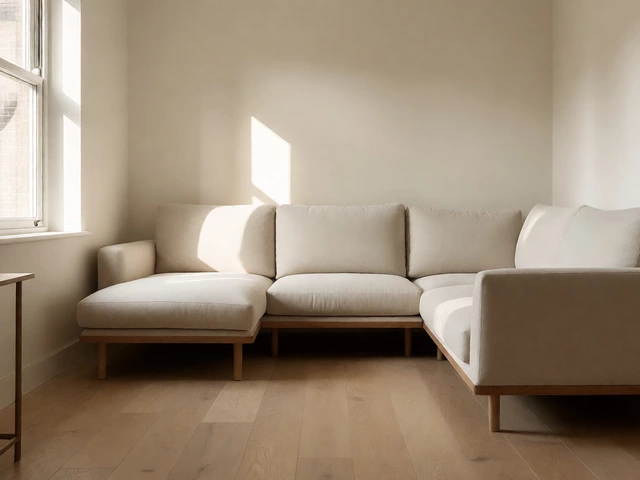
This is one of the most common questions homeowners ask when trying to build a safe, timeless interior. The short answer is yes, absolutely. But the long answer involves texture, lighting, and knowing how to break up the monotony. If you’re buying a large piece like a corner sofa an L-shaped seating arrangement designed to maximize space in open-plan rooms, getting this right matters even more because of its sheer visual weight.
Why This Combo Works (And When It Fails)
White walls and beige furniture form the backbone of what designers call a "neutral base." It’s not boring; it’s calm. Think about why hotels use these colors everywhere. They want you to relax. Your home should do the same. White acts as a blank canvas, bouncing natural light around the room, which makes small spaces feel larger. Beige adds warmth and grounding energy without shouting for attention.
However, the risk here is flatness. If your white is stark cool white and your beige is a pale, yellowish tan, they might clash subtly or just look muddy together. The failure point isn't the color pairing itself-it's the lack of contrast. Without variation in tone or texture, the room can feel sterile, like a dentist's waiting room rather than a cozy lounge.
The Temperature Trap: Matching Undertones
Not all whites are created equal, and neither are beiges. This is where most DIY decorating projects go wrong. You need to check the undertones before you buy anything.
- Cool Whites: These have blue, gray, or violet undertones. They pair beautifully with "greige" (gray-beige) or taupe sofas. If you put a warm, yellow-based beige against a icy white wall, the beige will look dirty by comparison.
- Warm Whites: These have yellow, red, or orange undertones. They complement traditional creamy or sandy beiges perfectly. This combination feels sunny and inviting, ideal for south-facing rooms.
A quick tip: Bring physical swatches home. Look at them under different lighting conditions-morning sun, afternoon glow, and evening lamp light. Colors shift dramatically. What looks like a perfect match in the store might look mismatched in your living room by 4 PM.
Texture Is Your Secret Weapon
If you’re committed to a low-contrast color scheme, you must crank up the textural contrast. Since your eyes aren’t being stimulated by bold color differences, they need something else to focus on. A smooth leather beige sofa against flat matte white walls will disappear. But a chunky knit throw, a velvet cushion, or a nubby bouclé fabric? That pops.
| Sofa Fabric | Best Wall Finish | Effect |
|---|---|---|
| Velvet | Eggshell or Matte | Luxurious depth; catches light beautifully |
| Linen | Flat Matte | Casual, airy, organic feel |
| Leather | Satin or Semi-Gloss | Modern, sleek, high-end appearance |
| Bouclé | Textured Plaster | Tactile richness; hides shadows well |
Notice how the table above suggests specific finishes. Don’t ignore the wall sheen. A glossy white wall reflects the beige sofa directly back at you, potentially washing out the color. A matte finish absorbs light, letting the sofa’s true hue stand out.
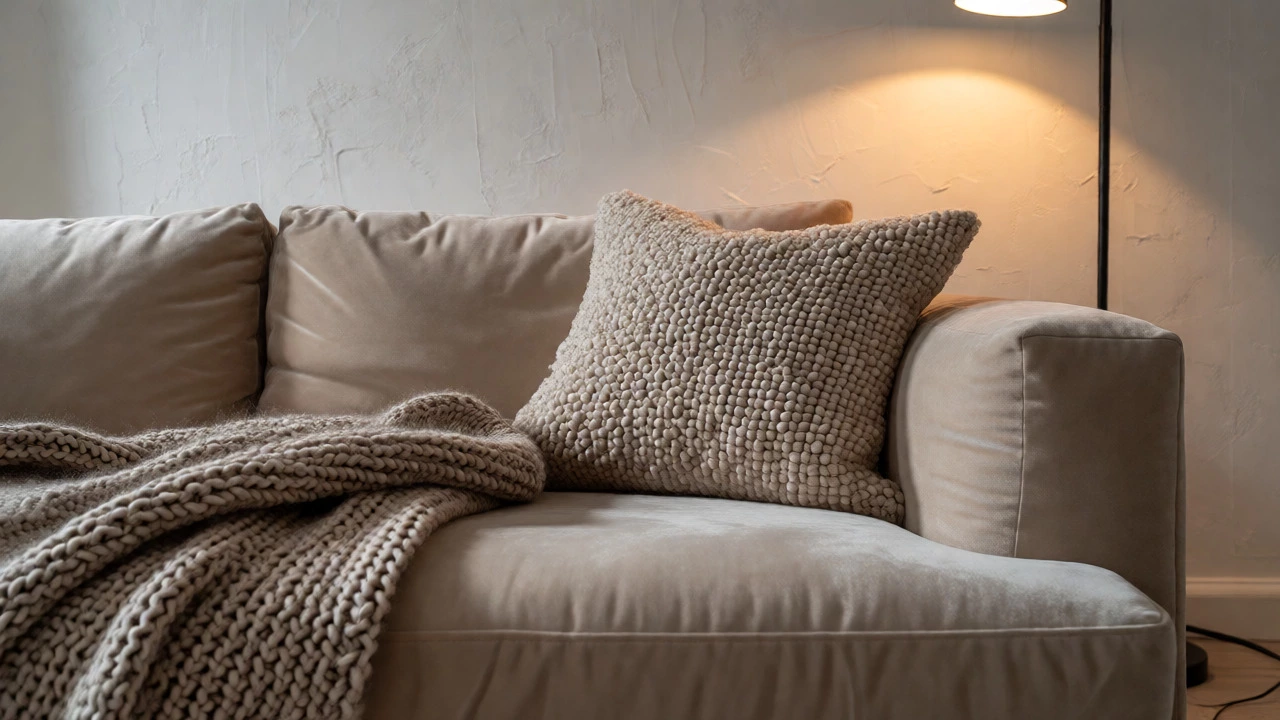
Breaking Up the Monotony with Accents
You don’t need to repaint the whole room to make this work. You just need to interrupt the flow between the wall and the sofa. Here are three easy ways to do it:
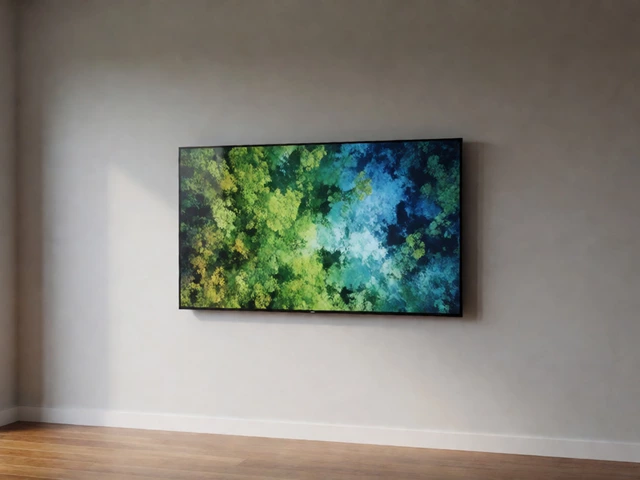
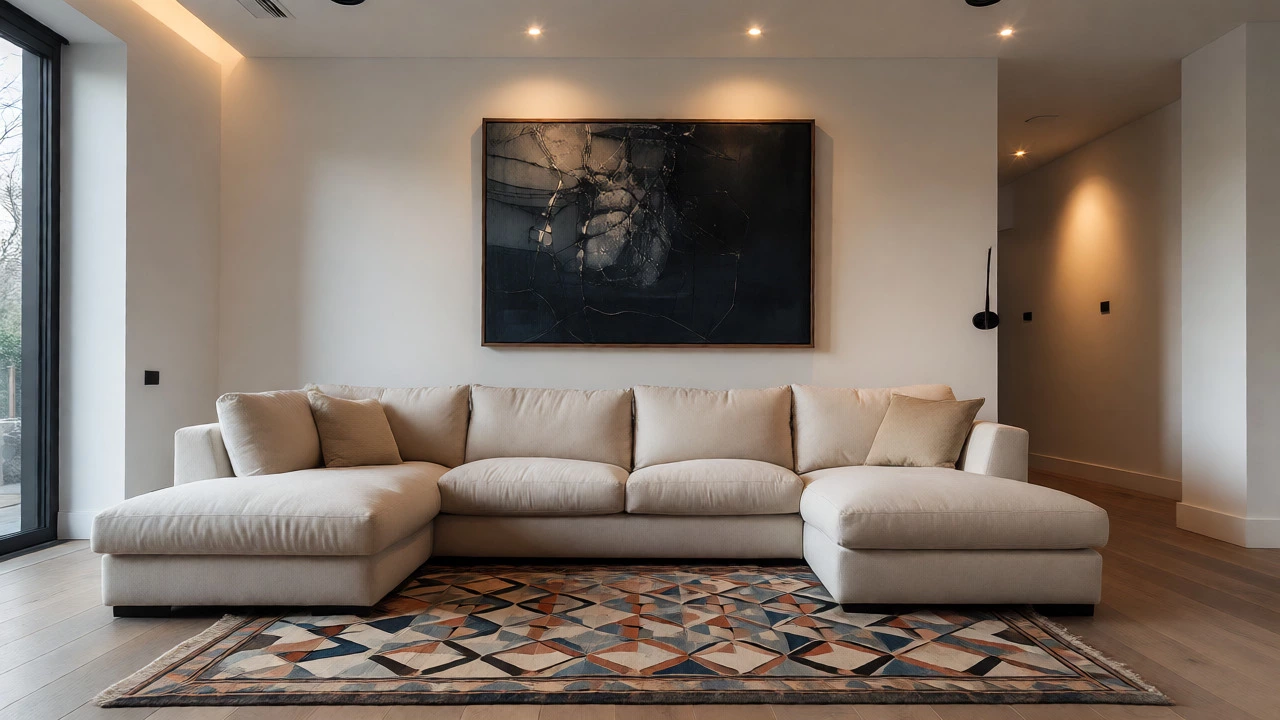
- Artwork: Hang a large piece of art behind the sofa. Choose a frame that contrasts with the wall (black or dark wood) and artwork that includes deeper tones like charcoal, navy, or forest green. This creates a focal point that anchors the beige furniture.
- Rug Layering: Place a rug under the front legs of the sofa. If the floor is light wood, choose a rug with darker patterns or geometric shapes. This separates the beige from the white visually, creating distinct zones.
- Plants: Greenery is the best friend of neutrals. A large fiddle-leaf fig or monstera plant next to a beige corner sofa adds life and a vibrant pop of color that breaks the beige-white loop instantly.
Special Considerations for Corner Sofas
If you’re using a corner sofa a sectional piece that occupies two adjacent walls, often serving as the room's primary anchor, the stakes are higher. Because these sofas cover more surface area, any color mismatch becomes obvious.
With a corner unit, consider adding a contrasting throw blanket draped over one arm. Use a patterned pillow set-one solid deep color, one textured neutral. This draws the eye across the length of the sofa, preventing it from looking like one giant blob of beige. Also, pay attention to the shadow line. Ensure there’s enough distance between the sofa back and the wall if possible, or use a console table behind it to create separation. If the sofa touches the wall directly, the transition can feel abrupt unless you’ve nailed the undertone matching.
Lighting Changes Everything
Your choice of bulbs affects how beige and white interact. Incandescent bulbs (warm, ~2700K) enhance the yellowness in beige, making it cozier but potentially clashing with cool white walls. LED daylight bulbs (~5000K) reveal the grays in beige, making it look more modern and sophisticated against cool whites.
Try mixing your lighting sources. Use warm lamps for ambient evening lighting and cooler overhead lights for daytime tasks. This dynamic range keeps the neutral palette interesting throughout the day. Never rely on a single ceiling fixture; it flattens everything.
Common Mistakes to Avoid
- Using too many shades of beige: Stick to one dominant beige for the sofa. If you add curtains or rugs, keep them either clearly lighter (cream) or clearly darker (taupe/brown). Too many similar mid-tones create visual noise.
- Ignoring the trim: Your baseboards and window frames are usually white. If they are a different shade than your walls, it creates an unintended stripe effect. Match them carefully or paint them all one consistent color.
- Fearing darkness: Some people think a beige sofa needs bright surroundings. Actually, deep accent walls (like navy or emerald) behind part of a beige sofa can make the beige look richer and more expensive.
Final Verdict
So, does a beige sofa go with white walls? Yes, provided you respect the nuances. It’s a partnership, not a solo act. Control the undertones, introduce varied textures, and use strategic accents to guide the eye. Done correctly, this combination isn’t just safe-it’s sophisticated, serene, and endlessly adaptable. Whether you’re rocking a compact loveseat or a sprawling corner sofa, this duo remains a cornerstone of good taste.
What shade of white goes best with a beige sofa?
It depends on the beige's undertone. For warm, creamy beiges, choose a warm white with yellow or red undertones. For cool, greige beiges, select a cool white with blue or gray undertones. Always test samples in your actual room lighting before committing.
How do I stop my beige sofa from looking boring against white walls?
Add texture and contrast. Use pillows in different fabrics (velvet, linen, wool), hang bold artwork, place a patterned rug underneath, and incorporate houseplants. These elements break up the monotony and add visual interest without changing the core color scheme.
Is a beige sofa practical for families with pets?
Beige is surprisingly forgiving compared to pure white. It hides dust and light fur better than dark colors and doesn't show water spots as easily as black. However, stains can be visible, so choosing a stain-resistant fabric or having a removable cover is wise for high-traffic households.
Can I mix different types of beige furniture?
Yes, but proceed with caution. Mixing beige chairs with a beige sofa works if there is a noticeable difference in tone (e.g., a lighter cream chair vs. a darker taupe sofa) or texture. Identical beiges can look dated and mismatched if they were manufactured at different times.
Do white walls make a room look bigger?
Generally, yes. White reflects light, reducing shadows and making boundaries feel less defined. This optical illusion expands the perceived volume of the room. Adding a beige sofa grounds the space, preventing it from feeling too clinical or expansive.