HDPE Outdoor Furniture Matchmaker
Answer these questions to find which HDPE furniture brand aligns best with your needs.
Your Priorities
| Feature | POLYWOOD | Trex | Mid-Tier | Imported |
|---|---|---|---|---|
| Price | $$$ | $$-$$$ | $$ | $ |
| Warranty | Lifetime | Limited Lifetime | 5-10 Yr | 1-3 Yr |
| Availability | Online/Specialty | Big Box/Online | Online | Online Only |
| Color Variety | Extensive | Large | Limited | Variable |
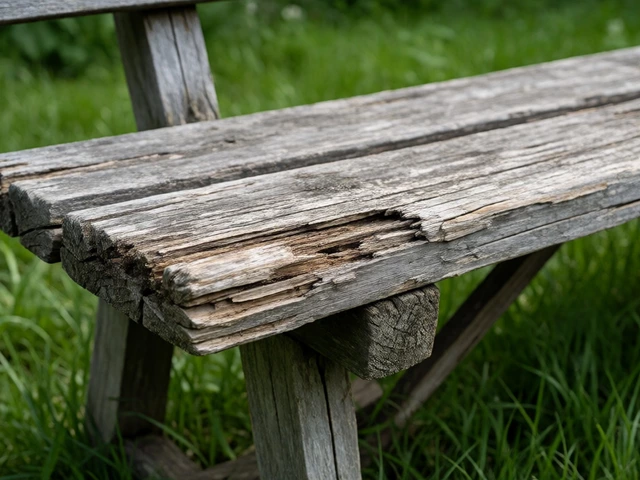
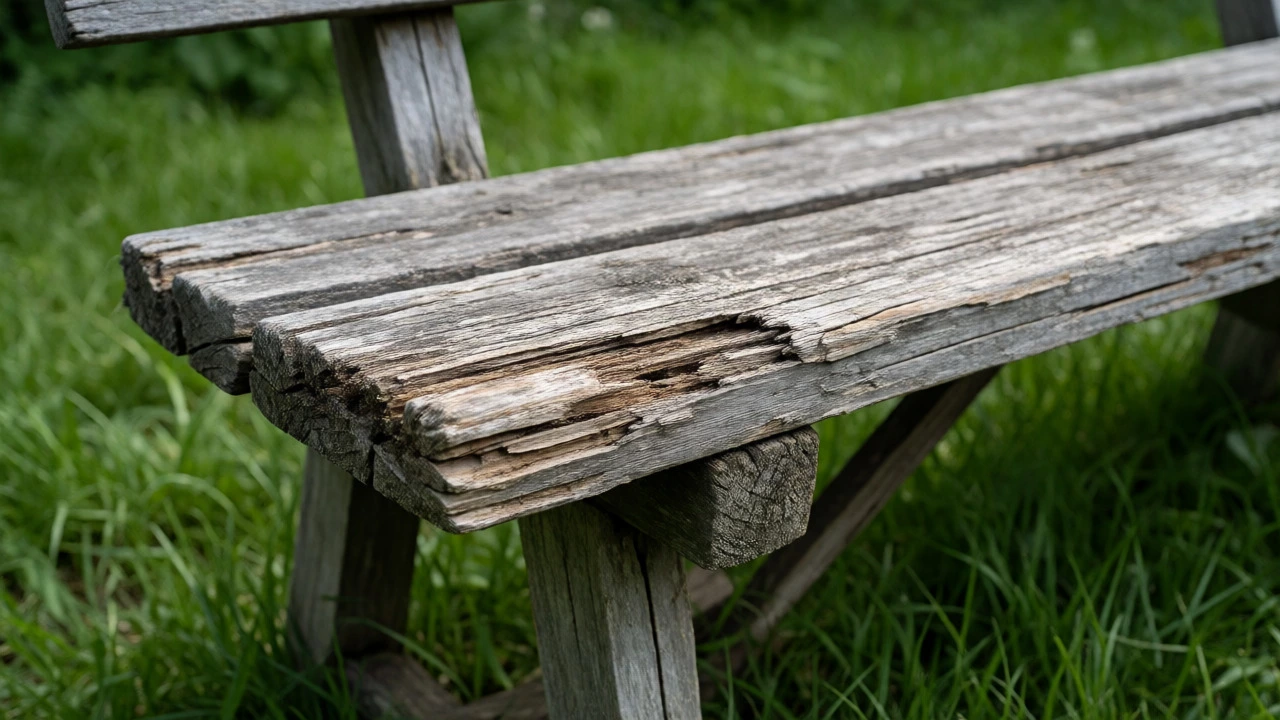
You’re standing in your backyard, staring at that old wooden bench. It’s gray, splintery, and looks like it gave up on life three winters ago. You want a replacement that won’t rot, won’t need sanding, and won’t look like cheap plastic when the sun hits it. That’s usually how the POLYWOOD rabbit hole starts.
Once you start looking at recycled plastic lumber, you realize it’s not just one brand dominating the shelf. It’s a crowded field of companies claiming to have the "best" solution for zero-maintenance outdoor living. If you’re asking who POLYWOOD’s biggest rival is, the short answer is complicated because it depends on what you value: price, color variety, or sheer durability. But if we’re talking about the direct head-to-head competitor that mirrors POLYWOOD’s business model most closely, it’s Trex Outdoor Furniture, which offers similar high-end HDPE products backed by a massive brand reputation.
Understanding the HDPE Landscape
To understand who competes with whom, you first need to know what these companies actually make. They aren’t selling traditional wood, and they aren’t selling virgin polyethylene (the stuff used for milk jugs). They are selling High-Density Polyethylene (HDPE), a durable plastic derived from post-consumer waste like milk bottles and detergent containers.
This material is the secret sauce. It resists moisture, salt air, and UV rays better than any natural wood ever could. But here’s the catch: not all HDPE is created equal. Some brands use a higher percentage of recycled content; others add more pigments for color depth. The competition isn’t just about who sells the chair; it’s about who manufactures the best lumber.
The Main Contender: Trex Outdoor Furniture
If POLYWOOD is the Apple of outdoor furniture, Trex is the Samsung-slightly more accessible, widely available, and fiercely competitive on features. Trex started as a decking company, building its empire on composite decks. When they expanded into furniture, they leveraged their existing supply chain and brand trust.
Why do people cross-shop these two? Because they solve the exact same problem. Both offer:
- Lifewarranties against fading and staining.
- Similar weight and feel (they don’t blow away in a storm).
- A wide range of colors, though POLYWOOD often edges out Trex in subtle, earthy tones.
However, there are differences. Trex furniture is often sold through big-box retailers like Home Depot, making it easier to see in person. POLYWOOD has traditionally leaned heavily on online sales and specialty dealers, though that gap is closing. If you value convenience and immediate availability, Trex might win. If you care about custom sizing or specific niche designs, POLYWOOD often has the edge.
Budget-Friendly Rivals: Seaside Collection and Polywood Alternatives
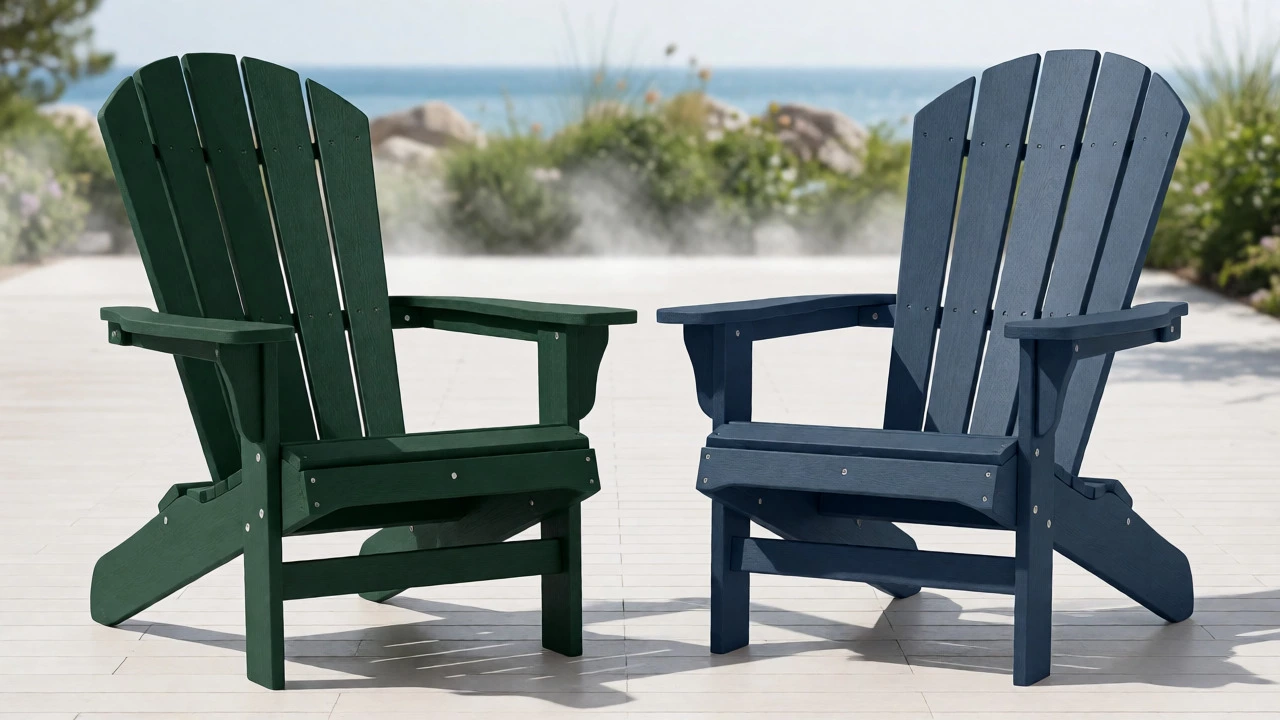
Not everyone wants to drop $500 on a single Adirondack chair. This is where the second tier of competitors enters the ring. Companies like Seaside Collection operate in a similar space but often target a slightly different price point.
These brands sometimes use a mix of HDPE and other plastics, or they source lumber from third-party manufacturers rather than producing it in-house. The result? You get the "no maintenance" promise, but the finish might feel slightly less premium. The colors might fade faster after five years instead of ten.
Ask yourself: Are you buying this for your forever home, or are you staging a house for sale? For a rental property or a quick curb-appeal boost, a mid-tier competitor saves you cash without sacrificing the core benefit of weather resistance.
The Luxury Niche: Vifah and International Imports
Then there’s the wildcard category: imported HDPE furniture. Brands like Vifah bring in designs from Asia, often offering unique styles that domestic manufacturers haven’t caught onto yet.
Here’s the trade-off. You might find a stunning curved lounger or a modular sectional that doesn’t exist in the POLYWOOD catalog. But you lose the local support network. If a part breaks, you’re not calling a customer service line in Ohio or Pennsylvania; you’re navigating international shipping returns. Also, quality control can vary batch to batch. One chair might be perfect; the next might have visible injection molding seams that scratch your skin.
Head-to-Head Comparison: Key Attributes
Let’s break down the main players so you can see where they stack up against each other. This table focuses on the factors that actually matter when you’re sitting outside in July heat.
| Feature | POLYWOOD | Trex Outdoor | Mid-Tier Brands (e.g., Seaside) | Imported Brands (e.g., Vifah) |
|---|---|---|---|---|
| Material Source | In-house HDPE lumber | In-house HDPE lumber | Third-party sourced HDPE | Mixed HDPE/Virgin Plastic |
| Warranty | Lifetime structural, 20-year fade | Limited Lifetime on structure | 5-10 Year Limited | 1-3 Year Limited |
| Price Point | $$$ Premium | $$-$$$ Mid-High | $$ Moderate | $ Low-Mid |
| Color Variety | Extensive (60+ colors) | Large (40+ colors) | Limited (10-20 colors) | Variable (trend-based) |
| Availability | Online & Specialty Dealers | Big Box & Online | Online Marketplaces | Online Only |
How to Choose Your Winner
So, who wins? It depends on your personal "jobs to be done." Let’s look at three common scenarios.
Scenario 1: The Long-Term Investor
You live in a harsh climate-think salty coastal air or brutal Midwest winters. You plan to keep this furniture for 20 years. In this case, POLYWOOD remains the safest bet. Their proprietary lumber formula is tested extensively, and their customer service is known for honoring warranties without much hassle. The upfront cost hurts, but the cost-per-year-of-use is low.
Scenario 2: The Convenience Shopper
You want nice furniture, but you don’t want to wait six weeks for shipping. You want to drive to a store, sit on the chair, check the armrest width, and take it home today. Trex is your winner. Their distribution network is unmatched. Plus, since they are already famous for decking, many homeowners already trust the brand name implicitly.
Scenario 3: The Budget-Conscious Renovator
You’re updating a Airbnb or a vacation rental. You need durability, but you can’t spend thousands. Look at mid-tier competitors. You’ll get 90% of the performance for 70% of the price. Just be prepared to replace cushions more frequently, as those are rarely made from the same high-grade materials as the frame.
Common Pitfalls When Comparing Brands
Don’t get tricked by marketing fluff. Here are three things to watch out for when comparing POLYWOOD to its rivals:
- "Recycled" Doesn’t Mean "Green": Some cheaper brands use "recycled" labels loosely. They might mix in industrial scrap or lower-quality plastics that chalk (turn white) after two summers. Ask specifically about the pigment load and UV stabilizers.
- Weight Matters: High-quality HDPE is heavy. If a chair feels light, it’s likely hollow or made with thinner walls. Heavy furniture stays put during windstorms. Light furniture becomes a projectile.
- Cushion Quality: Many brands sell frames separately from cushions. The frame might be lifetime-rated, but the cushion fabric is often standard polyester. Check if the manufacturer uses marine-grade vinyl or Sunbrella fabric. If not, budget for replacements every 3-5 years.
The Future of Outdoor Plastic Lumber
The market is shifting. We’re seeing more hybrid materials-composites that mix bamboo fiber with plastic, or new bio-plastics derived from plants. However, for now, HDPE remains the gold standard for true weatherproofing. As sustainability concerns grow, expect brands to compete harder on carbon footprint metrics, not just aesthetics.
Keep an eye on smaller, artisanal makers who are entering the space. They often offer customizable options that big corporations ignore. While they aren’t "biggest competitors" in terms of volume, they are challenging the status quo on design innovation.
Frequently Asked Questions
Is Trex really better than POLYWOOD?
Neither is objectively "better"; they serve slightly different needs. POLYWOOD generally offers more color options and specialized designs, while Trex offers wider retail availability and potentially faster shipping due to larger distribution centers. Both use high-quality HDPE, so durability is comparable.
Do HDPE chairs fade over time?
All outdoor materials fade eventually. However, top-tier brands like POLYWOOD and Trex embed UV-resistant pigments throughout the entire thickness of the lumber, not just on the surface. This means they resist fading significantly longer than painted wood or cheap plastic, often maintaining color integrity for 15-20 years.
Can I leave HDPE furniture outside in winter?
Yes, HDPE is resistant to freezing temperatures and does not absorb water, so it won’t crack from ice expansion. However, extreme thermal cycling can cause slight warping in poorly manufactured pieces. Storing them under cover extends the lifespan of any hardware (screws/bolts), even if the plastic itself is fine.
Why is POLYWOOD more expensive than Amazon brands?
Amazon brands often import finished goods with thinner profiles and lower pigment concentrations. POLYWOOD manufactures its own lumber in the USA, controls the entire production process, and uses thicker boards for greater structural rigidity. You are paying for longevity, warranty support, and consistent quality control.
Are there eco-friendly alternatives to HDPE?
Some companies are experimenting with FSC-certified tropical hardwoods treated with non-toxic oils, or composites using agricultural waste. However, HDPE remains the most practical "eco-friendly" option for zero-maintenance use because it diverts plastic waste from landfills and lasts decades without chemical treatments or sealants.