Corner Sofa Selector Tool
Use this tool to determine the best corner sofa configuration for your space based on current 2026 trends.
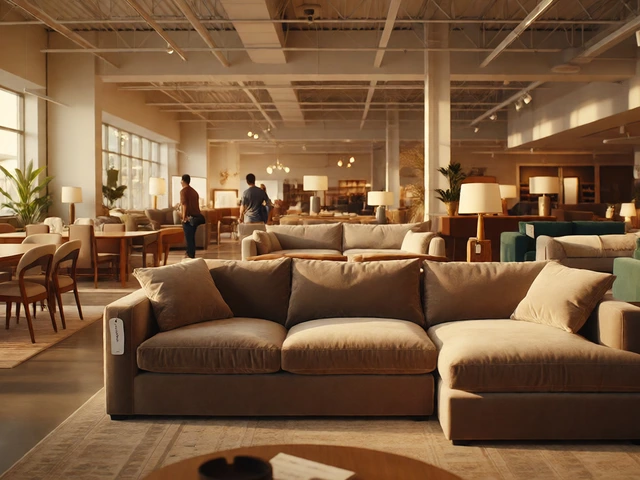
Walk into any major furniture showroom in Mississauga or Toronto right now, and you’ll notice something interesting. The massive, bulky sectional units that dominated the early 2010s are shrinking. They aren’t disappearing entirely, but they are changing shape. So, are corner sofas still on trend? The short answer is yes, but with a major caveat: the old-school, fixed-angle behemoths are out. The new wave of **corner sofas** is all about flexibility, modularity, and visual lightness.
If you’re staring at your current L-shaped sofa wondering if it’s time to upgrade, or if you’re hunting for a new centerpiece for your living room, the landscape has shifted. We’ve moved past the era where a sofa had to be a single, immovable object. Today, the trend leans heavily toward pieces that adapt to your life, not the other way around. Let’s break down what’s actually selling, what designers are recommending, and how to pick a corner sofa that won’t look dated in three years.
The Shift from Fixed to Modular
The biggest change in the corner sofa market isn’t the fabric; it’s the structure. Ten years ago, buying an L-shaped sofa meant committing to a specific configuration. If your living room was an odd shape, you were stuck. Now, the dominant trend is modular seating, which allows users to rearrange individual components to fit their space and lifestyle needs.
Why does this matter? Because our homes have changed. With more people working from home, the living room serves multiple purposes. It’s a workspace, a gaming zone, and a lounge area. A rigid corner sofa blocks flow. A modular one lets you pull a chaise section away to create a coffee table surface, or rotate a module to face a TV screen instead of a window. Brands like IKEA, West Elm, and local Canadian retailers are pushing these systems hard because they solve real spatial problems.
This shift also addresses the "dead zone" issue. Traditional corner sofas often leave awkward gaps between the main seat and the chaise. Modern modular designs use interlocking bases or unified upholstery patterns to make the connection seamless. You get the comfort of a corner unit without the visual clutter of mismatched seams.
Size Matters: The Rise of Compact Corners
In cities like Toronto and Mississauga, square footage is premium. The giant, wrap-around sectionals that took up half a basement rec room are being replaced by compact corner sofas. These units are designed for apartments and smaller townhomes where every inch counts.
- Standard Chaise Depth: Older models often had chaises extending 80-90 inches deep. Newer trends favor depths closer to 60-70 inches.
- Armless Designs: Many modern corner sofas drop the traditional arms entirely. This makes the piece feel smaller and allows you to push it flush against walls, saving crucial floor space.
- Reversible Chaises: Flexibility is key. Being able to flip the chaise side means you can reconfigure the room layout without buying a new sofa.
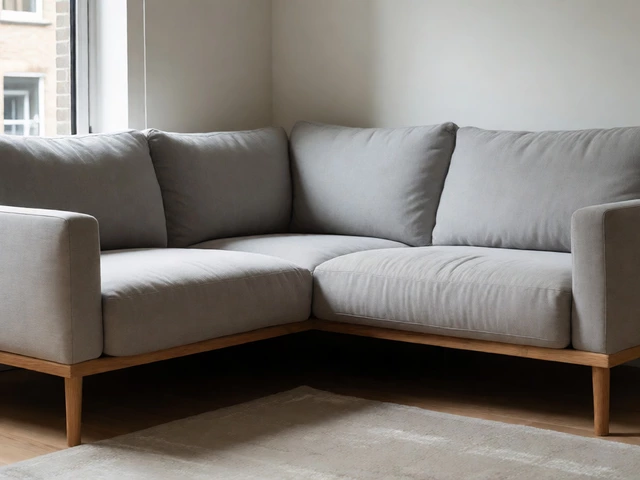
If you have a small space, avoid the temptation to buy a "big" sofa to fill the void. It will overwhelm the room. Instead, opt for a low-profile corner sofa with exposed legs. Seeing the floor beneath the sofa creates an illusion of more space, making the room feel airier and larger.
Design Aesthetics: What’s Hot in 2026?
Trends in color and texture are moving away from the ultra-minimalist, stark white looks of the late 2010s. We’re seeing a return to warmth and tactile comfort. Here’s what’s defining the aesthetic of corner sofas this year:
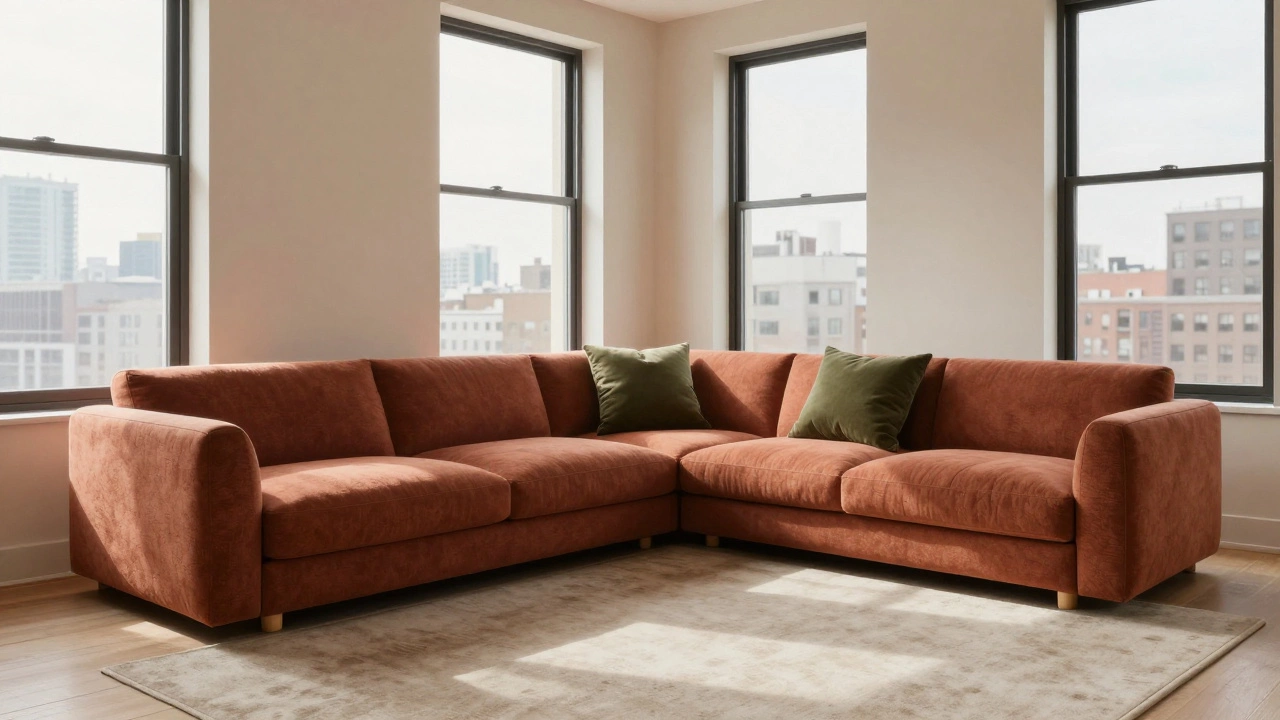
Earth Tones and Neutrals: Think warm beiges, terracottas, olive greens, and soft greys. These colors hide wear and tear better than bright whites and blend easily with various decor styles. They create a cozy, inviting atmosphere rather than a sterile showroom look.
Textured Fabrics: Smooth leather is still popular, but there’s a huge surge in demand for bouclé, chenille, and heavy cotton blends. These fabrics add visual interest and depth. A corner sofa in a textured grey bouclé, for example, catches the light differently throughout the day, keeping the piece visually dynamic.
Rounded Edges: Sharp, angular lines are out. Curved corners and rolled arms are back. This isn’t just about style; it’s about safety and flow. Rounded edges are safer for kids and pets, and they soften the overall look of the room, making it feel less rigid.
| Feature | Traditional Sectional | Modern Modular Corner |
|---|---|---|
| Configuration | Fixed, permanent shape | Flexible, rearrangeable modules |
| Space Efficiency | Low (bulky footprint) | High (can be compacted) |
| Moving Difficulty | Very Hard (requires disassembly) | Easy (modules move separately) |
| Aesthetic | Bulkier, heavier look | Lighter, airy appearance |
| Price Range | $1,500 - $4,000 | $2,000 - $6,000+ |
Material Choices: Durability vs. Style
When choosing a corner sofa, you’re balancing aesthetics with practicality. In 2026, sustainability is no longer a niche concern; it’s a standard expectation. Consumers want to know where materials come from.
Fabric Options: Performance fabrics like Sunbrella or Crypton are top sellers. They resist stains, moisture, and odors, making them ideal for households with pets or children. If you prefer natural fibers, organic cotton and linen blends are gaining traction, though they require more care.
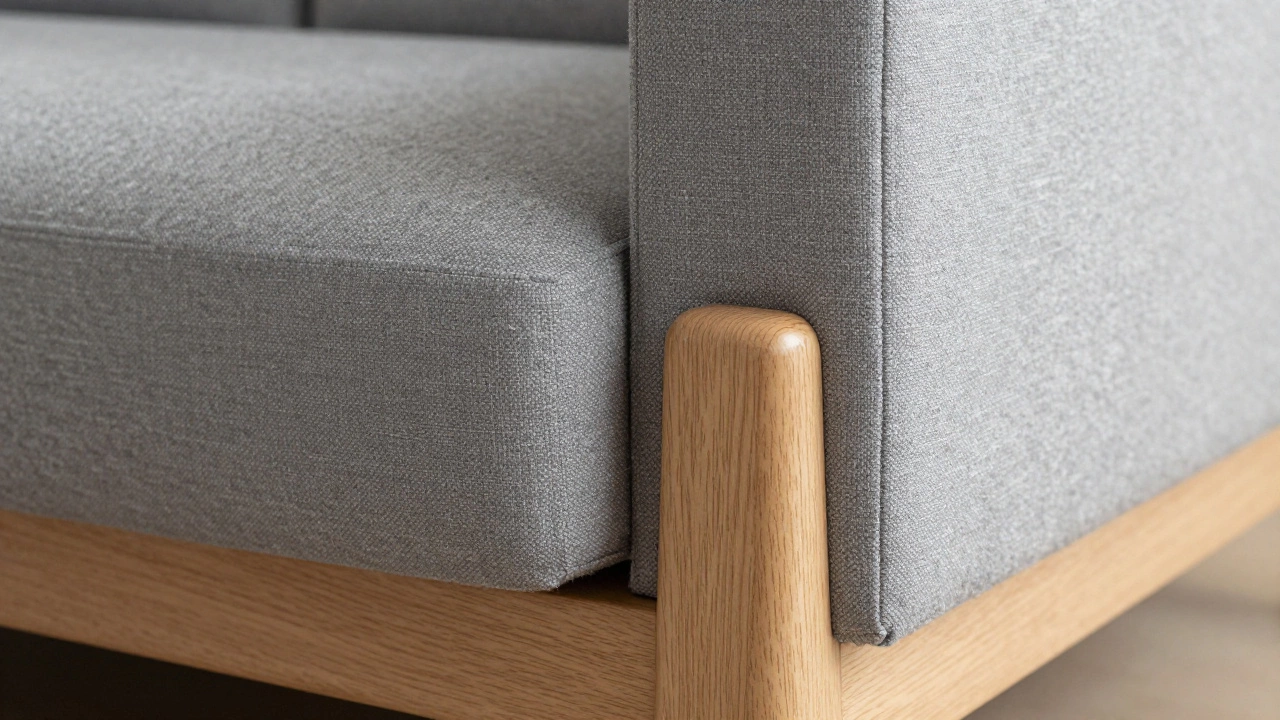
Frame Construction: Look for kiln-dried hardwood frames. This treatment removes moisture from the wood, preventing warping and cracking over time. Avoid particleboard or MDF frames, which are common in cheaper imports and tend to sag within a few years.
Cushioning: High-resilience foam is the gold standard. It retains its shape better than polyester fiberfill, which tends to flatten quickly. Some luxury models use down-blend cushions for a plush, hotel-like feel, but be prepared to fluff them regularly.
How to Choose the Right Corner Sofa for Your Space
Picking a corner sofa isn’t just about picking a color. You need to measure your space accurately and consider traffic flow. Here’s a quick checklist to ensure you make the right choice:
- Measure the Room: Don’t just measure the wall length. Measure the width of doorways and hallways. Can the sofa (or its modules) actually fit through your front door? If you’re buying a modular set, check the dimensions of the largest piece.
- Check the Scale: A sofa should occupy about two-thirds of the wall length behind it. If it’s too big, the room feels cramped. If it’s too small, the room feels empty.
- Consider Traffic Flow: Leave at least 30 inches of walking space around the sofa. If the corner sofa blocks a path to another room, it will become a tripping hazard and a frustration point.
- Test the Comfort: Sit on it. Lie on it. Does the chaise support your legs properly? Is the seat depth comfortable for your height? Don’t rely on online photos alone.
- Look for Warranty: A good manufacturer will offer a warranty of at least 5-10 years on the frame and cushioning. This is a sign of confidence in their build quality.
One pro tip: Bring a sample of your rug or wall paint to the store. Colors look different under showroom lighting compared to your home’s natural light. Matching textures and tones in person prevents costly mismatches later.
Future-Proofing Your Investment
Furniture is a significant investment. To ensure your corner sofa stays stylish and functional, focus on timeless elements. Avoid trendy prints or overly bold colors that might clash with future decor changes. Stick to neutral base colors and add personality through throw pillows and blankets, which are easy to swap out.
Also, consider the longevity of the brand. Established manufacturers with a history of quality control are safer bets than fast-furniture brands that prioritize speed over durability. Reading reviews from verified buyers can give you insights into how the sofa holds up after a year of daily use.
Are corner sofas going out of style?
No, corner sofas are not going out of style, but their design is evolving. The bulky, fixed-sectionals of the past are being replaced by sleeker, modular, and more compact versions. As long as you choose a flexible design that fits your space well, a corner sofa remains a highly functional and stylish choice.
What is the best size for a corner sofa in a small apartment?
For small apartments, look for a corner sofa with a total width of 80-90 inches and a chaise depth of no more than 60 inches. Armless designs are particularly effective as they allow you to place the sofa closer to walls, maximizing floor space. Modular sets where you can remove sections when needed are also excellent for tight spaces.
Is a modular sofa better than a traditional sectional?
Modular sofas offer greater flexibility and easier moving, making them better for most modern lifestyles. You can rearrange them to fit different room layouts or add/remove pieces as your needs change. Traditional sectionals are often more affordable upfront but lack this versatility and can be difficult to move or reconfigure.
What fabric is best for a corner sofa with pets?
Performance fabrics like microfiber, Crypton, or treated cotton blends are best for pet owners. These materials resist stains, scratches, and odors. Darker colors or textured weaves can also help hide pet hair and minor scuffs better than smooth, light-colored fabrics.
How do I clean a corner sofa?
Regular vacuuming with an upholstery attachment is essential to remove dust and pet hair. For spills, blot immediately with a clean cloth-never rub. Check the manufacturer’s cleaning code (W, S, WS, or X) on the label to determine if you can use water-based cleaners, solvent-based cleaners, or only professional dry cleaning.