Recliner Longevity Estimator
Estimated Lifespan: 0 Years
Select your options and click calculate to see the result.
The Secret is in the Skeleton
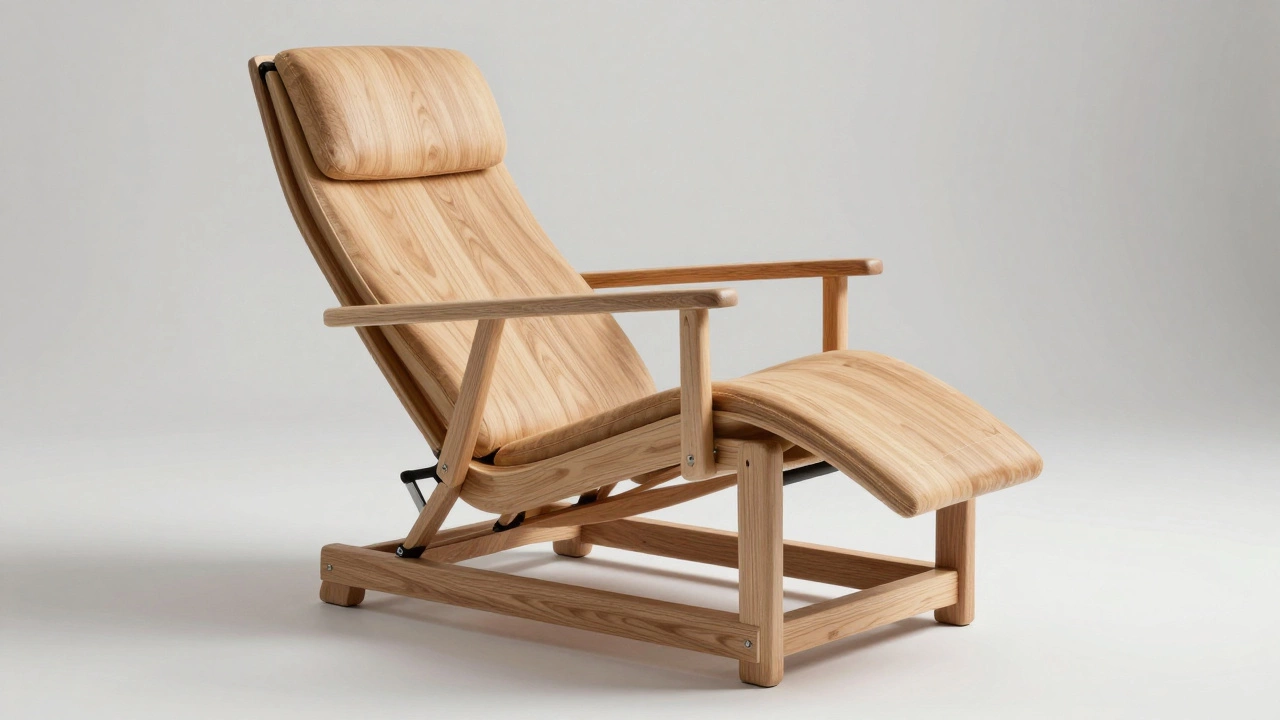
If you want a chair that doesn't warp or creak, look at the frame. Cheap recliners use particle board or plastic connectors. These are essentially pressed sawdust and glue; they swell with humidity and crack under pressure. For a chair that lasts, you need Kiln-Dried Hardwood. This is wood that has been dried in a controlled oven to remove moisture, making it incredibly stable and resistant to warping.Why does this matter? Imagine a rainy spring in Mississauga. The humidity rises. A particle-board frame absorbs that moisture, expands, and then shrinks when the heat kicks in. Do that a few times, and the joints loosen. A kiln-dried frame, often made from oak or maple, stays rigid. If you can't find the material list, look for "solid wood construction" in the specs. Avoid anything that mentions "engineered wood" if you're planning to keep the chair for ten years.
Upholstery: Leather vs. Fabric
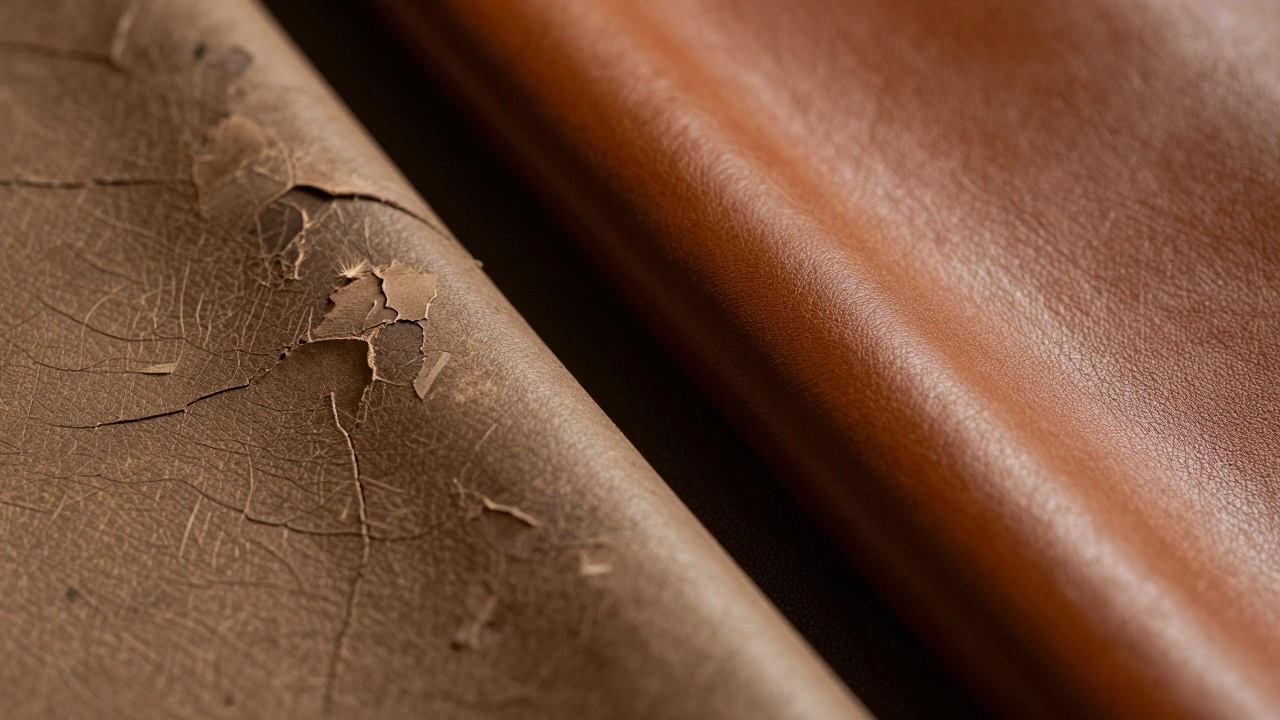
This is where most people get stuck. Does leather really last longer? Yes and no. It depends on the type of leather. If you buy "bonded leather," you're buying a ticking time bomb. Bonded leather is essentially leather scraps glued together with polyurethane. Within three to five years, it will start to peel off in strips, leaving you with a chair that looks like it's shedding skin.For true longevity, go for Top-Grain Leather. This is the second layer of the hide, which is incredibly durable and develops a patina over time rather than cracking. If you prefer fabric, look for Performance Fabrics like polyester blends or acrylics. These are woven tighter and are treated to resist stains and abrasion. A high-rub count (measured in "double rubs") tells you how many times a piece of fabric can be rubbed before it wears through. Aim for something over 30,000 double rubs for a high-traffic living room.
| Material | Lifespan | Pros | Cons |
|---|---|---|---|
| Bonded Leather | 3-5 Years | Cheap upfront cost | Peels and cracks quickly |
| Top-Grain Leather | 15-20 Years | Ages beautifully, easy to clean | Higher initial price |
| Performance Fabric | 7-12 Years | Stain resistant, cozy | Can hold odors, wears thin |
| Microfiber | 5-10 Years | Very soft, durable | Attracts pet hair and dust |
Manual vs. Power Recliners
Here is the irony: the more features a chair has, the more things can break. A manual recliner uses a simple spring-loaded mechanism. If you buy a high-quality one, there's very little to go wrong. The only real point of failure is the handle or the spring.On the flip side, Power Recliners rely on electric motors and wiring. While they offer more precision and often better support, the motor is a potential fail point. If the motor dies after the warranty expires, you're either paying for an expensive repair or you have a very expensive stationary chair. If you want the absolute longest-lasting chair, a high-end manual recliner is the safest bet. However, if you struggle with mobility, the trade-off for a power lift is worth it-just make sure the motor has a reputable warranty.
The Cushioning: Avoiding the "Sink-Hole"
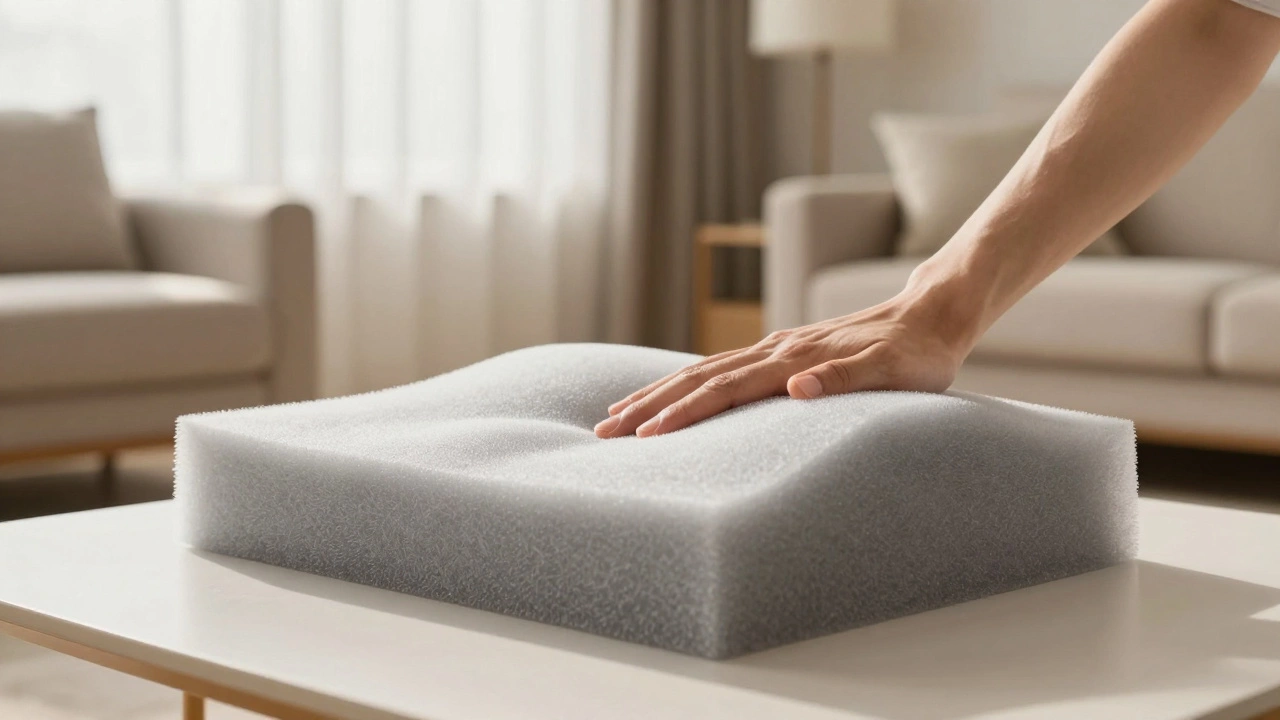
Ever sat in a recliner and felt like you were being swallowed by a marshmallow? That's the result of low-density foam. Cheap chairs use soft, airy foam that feels great for ten minutes in the showroom but collapses within a year.Look for High-Resiliency (HR) Foam. HR foam has a higher density and a faster recovery rate, meaning it bounces back to its original shape after you get up. Even better is a combination of pocketed coils (like a mattress) topped with HR foam. This structure provides the support of a spring and the comfort of foam, preventing that dreaded permanent dip in the seat. A quick test: press your hand firmly into the cushion. If it leaves a deep indentation that takes a few seconds to disappear, keep walking.
Maintenance That Doubles the Lifespan
Even the most expensive chair will fail if you treat it like a punching bag. Longevity is 50% build quality and 50% care. For leather, you need a conditioner. Leather is skin; if it dries out, it cracks. Applying a high-quality leather cream every six months keeps the material supple.For fabric, the biggest enemy is dust and grit. Tiny particles of sand or dirt act like sandpaper on the fibers, grinding them down every time you sit. Vacuuming your recliner weekly with a brush attachment prevents this premature wear. Also, consider the "rotation" rule. If you have a pair of recliners, swap their positions in the room every few months. This ensures they wear evenly, especially if one gets more sunlight (which fades fabric and dries out leather) than the other.
Red Flags to Watch Out For
When shopping, there are a few phrases that should make you turn around and leave. If a salesperson says a chair is "genuine leather," be careful. In the industry, "genuine" is often a marketing term for the lowest grade of real leather-essentially the leftovers that have been sanded down and painted. It's better than bonded leather, but nowhere near as durable as full-grain or top-grain.Avoid chairs with overly complex "massage" or "heating" features if your goal is longevity. These additions introduce more wires and thinner padding to make room for the electronics. Every added gadget is another potential point of failure that can't be easily fixed by a local handyman. Stick to the basics: a strong frame, high-density foam, and a proven upholstery material.
How long should a high-quality recliner last?
A well-made recliner with a kiln-dried hardwood frame and top-grain leather should easily last 15 to 20 years with basic maintenance. Mid-range fabric recliners typically last 7 to 12 years before the cushions lose their support or the fabric begins to thin.
Is a power recliner less durable than a manual one?
Mechanically, yes. Power recliners have motors and electrical components that can fail, whereas manual recliners rely on simple physics and springs. However, the frame and upholstery durability remain the same regardless of how the chair reclines.
What is the most durable fabric for a recliner?
Performance fabrics, such as those made from solution-dyed acrylic or high-density polyester blends, are the most durable. They are specifically engineered to resist abrasion and stains, making them ideal for households with pets or children.
Can I fix a sagging recliner?
If the frame is intact but the seat is sagging, you can often replace the foam inserts or add a supportive furniture board underneath the cushion. However, if the internal springs have snapped or the frame has cracked, it's usually more expensive to fix than to replace the chair.
Does the weight limit affect the lifespan of the chair?
Absolutely. Exceeding the manufacturer's weight limit puts excessive stress on the joints and the reclining mechanism, leading to faster wear and potential frame failure. Always choose a chair rated for your specific needs.
What to do next
If you're currently shopping, start by checking the frame materials. Don't let the softness of the showroom model fool you; ask specifically if the wood is kiln-dried. If you're replacing an old chair, consider the usage patterns. If you have kids or pets, spend the extra money on a performance fabric or top-grain leather-you'll save money in the long run by not replacing the chair every four years.If you already own a recliner and want to extend its life, start with a deep clean. Vacuum the crevices and apply the appropriate conditioner. If you notice a slight dip in the seat, you can buy high-density foam toppers to refresh the cushioning without buying a whole new piece of furniture.