

Medicare Coverage Quick-Checker
Select an item below to see if Original Medicare typically covers it and what alternatives you might consider.
Item Name
Reason goes here.
Alternatives go here.
You might assume that if a doctor signs a piece of paper, your insurance will pick up the tab. But when it comes to Medicare coverage, there is a massive gap between what is "medically necessary" and what actually gets paid for. Many people find themselves at the checkout counter of a medical supply store, shocked to learn that the gear they need for daily mobility-like a high-end lift chair-isn't covered. If you're trying to figure out how to balance your health needs with your budget, you need to know where the safety net ends.
The Big Picture of Coverage Gaps
Before we get into the specific list, it is helpful to understand how Medicare works. It is essentially a federal health insurance program for people 65 or older. While it handles a lot, it isn't a "everything included" package. Much of what it ignores falls under the category of Durable Medical Equipment, or DME. To get something covered, it has to be reasonable, necessary, and primarily used in your home for a medical purpose. The problem? That definition is incredibly narrow.
1. Standard Recliner Chairs and Comfort Furniture
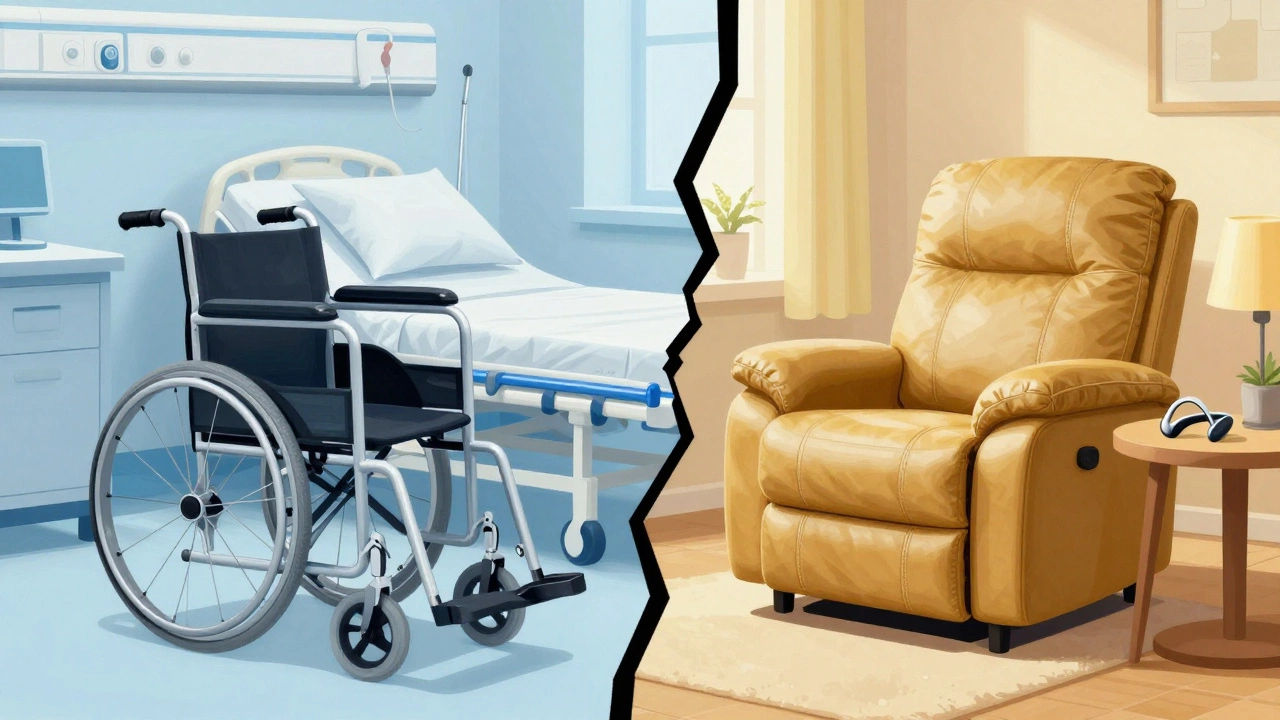
Let's address the elephant in the room: your living room furniture. You cannot use Medicare to buy a plush, leather recliner just because your back hurts. Even if you have chronic pain, a standard recliner is viewed as a piece of furniture, not a medical device. This is a common point of frustration for seniors who want to improve their comfort at home. Since a regular chair doesn't "treat" a condition or provide a critical function like lifting a person out of a seat, it falls completely outside the scope of Part B coverage.
2. Most Power Lift Chairs
You might think a Lift Chair is different because it helps people with limited mobility stand up. While these are technically medical tools, Medicare rarely pays for them. To them, a lift chair is often considered a "convenience item." Even with a prescription from a physician, you'll find that most claims are denied. The logic is that the chair doesn't provide a curative treatment. If you need one to avoid falls or help with circulation, you're likely paying out of pocket or looking for a secondary insurance provider.
3. Long-Term Custodial Care
This is perhaps the most expensive gap in the system. If you need help with "activities of daily living"-like bathing, dressing, or eating-Medicare generally won't pay for it if that's the only care you need. This is called custodial care. It is different from skilled nursing care (which involves a registered nurse). If you move into an assisted living facility or hire a full-time home health aide for non-medical support, the bill is on you. This is why many people invest in specialized furniture, like medical-grade recliners, to make home care easier and avoid expensive facility costs.
4. Hearing Aids and Related Batteries
It seems strange that a program for seniors wouldn't cover hearing aids, but they don't. Despite the clear link between hearing loss and cognitive decline, Medicare doesn't pay for the devices or the batteries to run them. You'll have to look into private insurance or specific state programs. This is a classic example of a service that is medically beneficial but not considered "essential" by federal standards.
5. Routine Dental Care
Unless your dental work is part of a larger jaw surgery or a very specific medical procedure, Medicare isn't paying for your cleanings, fillings, or crowns. Routine checkups and dentures are not covered under original Medicare. This leaves a lot of people scrambling for Medicare Advantage plans, which often include dental add-ons as a way to fill this void.
6. Vision Care and Most Glasses
Similar to dental, routine eye exams and the glasses you wear to read or drive aren't covered. If you have a serious eye disease like cataracts, Medicare might step in for the surgery, but for your annual checkup and a new pair of frames? You're paying for those yourself. It's a recurring frustration for millions who simply need to see clearly to maintain their independence.

7. Cosmetic Surgery
This is the easiest one for them to deny. Anything deemed "cosmetic" is a no-go. If you want a procedure to change your appearance and it doesn't fix a functional impairment, it's not covered. This includes things like elective plastic surgery. However, if a procedure is reconstructive (like after an accident), it might be covered, but the line between "reconstructive" and "cosmetic" is often a battleground between doctors and insurance adjusters.
8. Over-the-Counter (OTC) Medications
While Part D covers a massive range of prescription drugs, it won't pay for the aspirin, cough syrup, or vitamins you pick up at the pharmacy. Anything that doesn't require a doctor's signature is generally out of pocket. Some Advantage plans have started offering "OTC allowances," but in the standard original Medicare model, these small daily costs add up quickly.
| Item | Medicare Covered? | Why? | Alternative Funding |
|---|---|---|---|
| Standard Recliner | No | Classified as Furniture | Personal Savings / Gift |
| Power Lift Chair | Rarely | Seen as Convenience | Medicaid / Private Insurance |
| Hospital Bed | Yes (with MD order) | Medical Necessity | Medicare Part B |
| Wheelchair | Yes (with MD order) | Essential Mobility | Medicare Part B |
How to Navigate These Gaps
Knowing what isn't covered allows you to plan. If you know a lift chair is a "maybe" or a "no," you can start shopping for the best value now rather than assuming the government will handle it. Many people find that investing in a high-quality recliner with a lift mechanism is a smarter long-term play than spending thousands on professional home health aides because it fosters independence.
If you're shopping for a chair to help with mobility, look for features that actually solve the problem: a strong motor for the lift, breathable fabric for those with circulation issues, and a sturdy frame. Since you're likely paying for this yourself, focus on warranty and durability over fancy leather looks.
Can I get a lift chair covered by Medicaid instead?
Yes, it's more likely. Unlike Medicare, Medicaid is a state and federal program that often covers a wider range of DME, including lift chairs, if they are deemed necessary for the patient's safety and health by a doctor.
Does Medicare Advantage cover more than Original Medicare?
Often, yes. Medicare Advantage (Part C) plans are run by private companies and frequently include extras like dental, vision, and sometimes small allowances for over-the-counter items that Original Medicare ignores.
What counts as "medically necessary"?
In the eyes of Medicare, it's something that treats, cures, or prevents a disease or injury. If a device only makes a task "easier" but isn't required to prevent a medical emergency, they usually won't label it as necessary.
Are there any grants for medical furniture?
Some non-profit organizations and local community grants help seniors afford mobility equipment. It's worth checking with local senior centers or disability advocacy groups in your area.
Will a doctor's prescription guarantee coverage for a recliner?
No. A prescription is a requirement for coverage, but it isn't a guarantee. Medicare still applies its own rules about whether the item is a "furniture' piece or a 'medical device'.
Next Steps for Your Home Setup
If you've realized that your needed gear isn't covered, don't panic. Start by comparing the costs of different Recliner Chairs and look for those designed for accessibility. If you have a tight budget, look for "certified pre-owned" medical equipment from reputable suppliers.
For those dealing with severe mobility issues, consider a hybrid approach: use your Medicare benefits for the essential things (like a walker or hospital bed) and allocate your personal budget toward a high-quality lift chair that improves your daily quality of life. When in doubt, always ask your provider for the specific "HCPCS code" of the item-this is the code insurance uses to decide if they'll pay.