Walk-In Design & Value Estimator
Use this tool to determine the optimal layout for your walk-in space and understand its impact on property value based on regional standards.
Project Parameters
Analysis Output
Configure your room dimensions to see the breakdown.
If you have ever watched a British drama while living in the States, you might have paused when the character walked into their massive walk-in closet to get dressed. Wait, did she say closet or wardrobe? If you are moving across borders or shopping for furniture online, this linguistic split causes real confusion. The short answer is simple: Americans call it a walk-in closet. People in the UK, Australia, and much of Europe call it a walk-in wardrobe. They describe the exact same room function, just with different labels attached to the door.
The Vocabulary Gap: Closet versus Wardrobe
This language difference isn’t just about preference; it stems from how housing is built in different parts of the world. In North America, the standard practice for decades has been building storage directly into the walls of the home. These built-in spaces are called closets. When you enter a bedroom, the space dedicated to storing clothes is almost always enclosed by walls that are part of the house structure. It is fixed real estate.
Conversely, in many other regions, storage is often portable. You buy a piece of furniture called a wardrobe, move it into your room, and set it up. That piece of wood is a separate object. However, when that furniture piece becomes large enough to step inside, the terminology shifts slightly. A "walk-in wardrobe" usually implies a fitted room that mimics a closet but uses the British word for the storage object. Essentially, both terms refer to a small, private room connected to a bedroom where you hang your clothes and store your shoes.
| Region | Standard Term | Common Variations | Construction Style |
|---|---|---|---|
| United States | Walk-in closet | Dressing room, Master closet | Built-in walls |
| United Kingdom | Walk-in wardrobe | Cloakroom (rarely used for beds) | Fitted cabinets |
| Canada | Closet / Wardrobe | Linen closet, Dressing area | Mixed styles |
| Australia | Walk-in robe | Clothes robe, WIR | Built-in cupboards |
Architectural Standards and Housing Design
Understanding the difference requires looking at the floor plan. In traditional American suburban homes built after World War II, the master bedroom suite became popular. This included an en-suite bathroom and a designated storage room. Because builders constructed the walls first, they framed out these small rooms before adding drywall. The result is a space that cannot be removed without demolition. This permanence defines the American "closet".
In older London apartments or European studios, wall space is premium. You rarely see rooms carved out for storage because every square meter costs extra money. Instead, renters place tall wooden cabinets in corners. Over time, wealthier individuals started commissioning fitted interiors similar to the American style. This creates the hybrid situation today where high-end properties globally feature walk-in spaces, but the real estate listings still use local language. If you search for luxury homes in New York City, the listing says "Master Walk-In Closet." If you search for the same tier property in London, it lists "Luxury Walk-In Wardrobe."
The size expectations also vary slightly based on these architectural traditions. An American walk-in closet typically expects to hold three months' worth of seasonal clothing. A traditional British fitted wardrobe might be smaller, designed for daily rotation due to space constraints. Modern designs, however, are converging. With better rail technology and shelving systems, both versions are becoming more efficient regardless of what we call them.
What’s Inside the Storage Space?
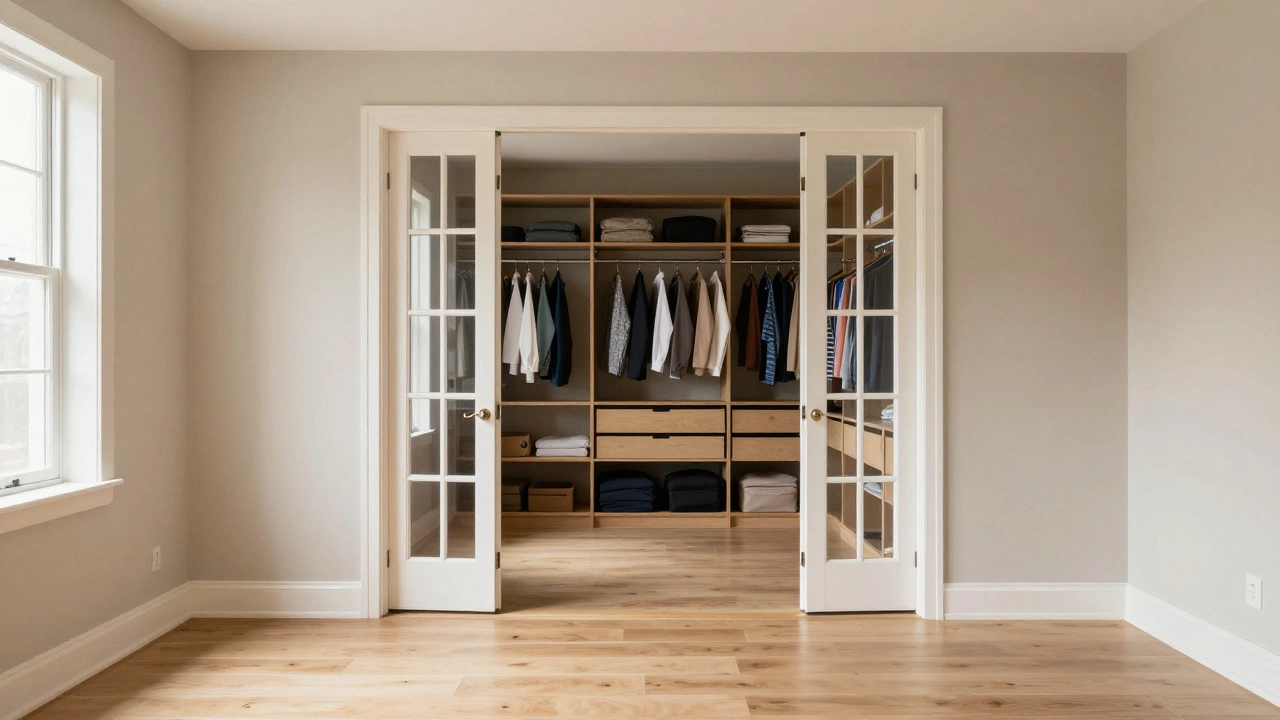
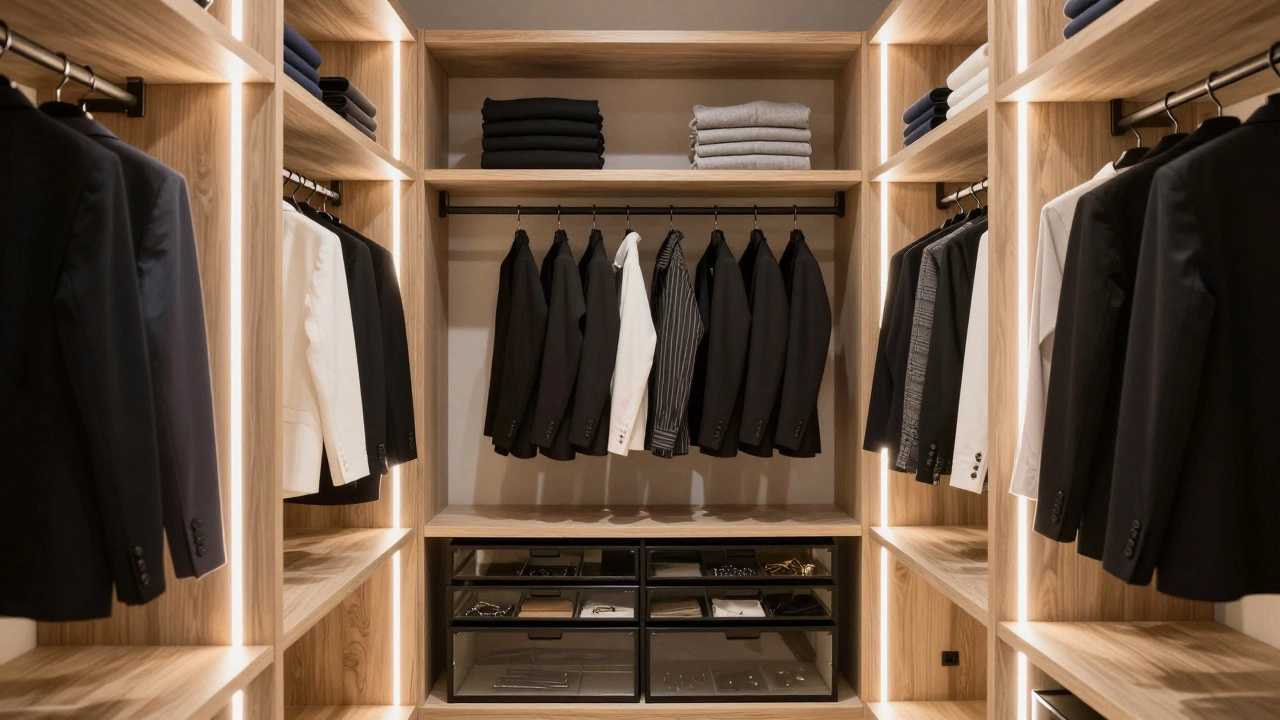
When you step inside these rooms, you expect specific components. Whether you call it a closet or a wardrobe, the internal hardware needs to maximize vertical space. Hanging rods are the primary tool. Standard rod height is usually around five feet from the floor to accommodate long coats and dresses. Above that, shelf space handles folded sweaters and handbags. Below, drawers or pull-out boxes manage undergarments and accessories.
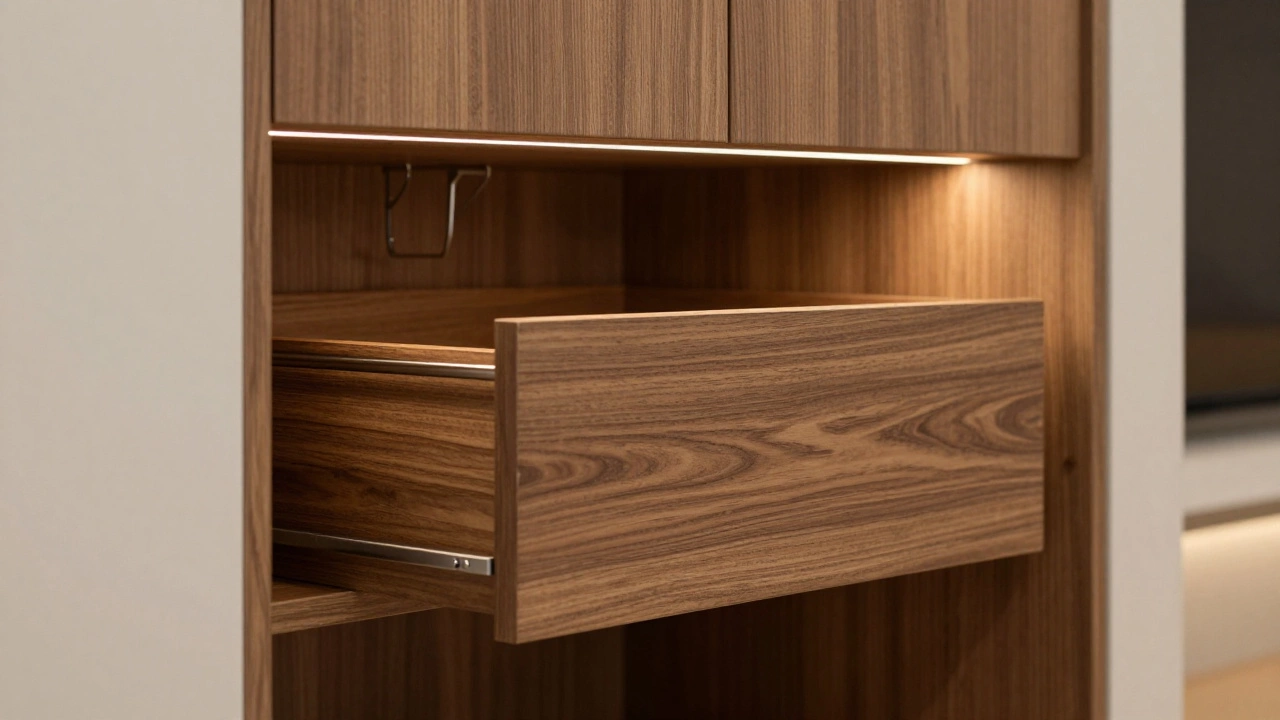
Lighting makes a huge difference here. Older closets often had a single bulb near the ceiling, casting shadows on your clothes. Modern installations use LED strip lighting along the shelves or motion-sensor lights that activate when you push the door open. This shift happened globally around the mid-2010s and has become standard expectation by 2026. Smart mirrors and integrated climate control for humidity management are also trending features in high-end setups, ensuring expensive fabrics stay preserved.
Organization systems vary by brand preference. Some homeowners choose wire racks which are adjustable but feel industrial. Others prefer solid wood shelving that looks like built-in cabinetry. Systems like Elfa or Calico offer modular aluminum grids that can be reconfigured as your lifestyle changes. If you have kids, you might prioritize lower shelves. If you travel frequently, you want rolling garment bags and trunk space. The physical layout adapts to the person, but the name of the room remains tied to geography.
Custom Cabinetry versus Freestanding Solutions
You do not need a structural wall to enjoy this benefit. Many homeowners decide they need more space than their builder provided. This is where custom cabinetry comes into play. You can install a freestanding system in a large corner or even convert a spare room into a dressing area. In this scenario, you are essentially creating a walk-in wardrobe inside a standard bedroom.
Freestanding units allow for rental flexibility. You own the furniture, so you can take it with you if you move. Built-ins increase property value because they are considered permanent fixtures of the house. Real estate agents often highlight "custom closets" as a selling feature. Buyers associate these built-ins with luxury and convenience. If you are renovating, knowing the terminology helps you communicate with contractors. Ask for "fitted storage" rather than "wardrobe" in the US to avoid getting quoted for a standalone cabinet instead of a full wall solution.
Pricing varies wildly based on materials. Basic laminate panels cost less than solid oak or walnut finishes. Hardware quality matters too. Soft-close hinges prevent doors from slamming, and heavy-duty runners support fully extended drawers. Investing in the mechanism ensures the room functions well for decades. It is often better to spend more on rails and slides than on the finish color, which you can repaint later if trends change.
Impact on Property Value
Having a dedicated dressing space influences resale price. Appraisers categorize square footage differently depending on whether the space is finished. A finished walk-in closet adds to the total livable area calculation in some jurisdictions, while in others it counts toward bedroom square footage. This nuance affects mortgage calculations.
Buyers looking for turnkey homes prioritize these areas. First-time buyers often ask, "Is there a master closet?" during viewings. If the agent hesitates, the buyer assumes the space is small or unfinished. Clarity in description prevents wasted showings. For sellers, updating the lighting and flooring in this small room provides high return on investment. It takes very little effort to replace a dim bulb and clean the shelving, yet it creates a perception of abundance and order that appeals to potential purchasers.
Frequently Asked Questions
Can I convert a small room into a walk-in closet?
Yes, absolutely. Any enclosed space larger than three feet wide can serve as storage. Install shelving, hooks, and a sliding door to seal off dust. It is often cheaper to outfit an existing room than to build new walls from scratch.
What is the minimum size required for a walk-in closet?
You need at least four feet of depth to stand comfortably with the door open. Width depends on capacity; six feet allows for side-by-side hanging rods. Smaller than four by four starts feeling cramped for full-body movement.
Are walk-in wardrobes more valuable than built-in closets?
In the US market, built-in closets generally add more property value because they are permanent improvements. Large freestanding wardrobes are considered personal property that you can move, so they rarely raise the appraised value of the land.
How much does it cost to build one?
DIY shelving kits range from $500 to $2,000 for average sizes. Professional custom installation typically costs between $3,000 and $8,000 depending on materials and electrical work needed for lighting.
Does insurance cover damage inside a walk-in closet?
Standard home policies cover the structure and contents. However, high-value items like designer bags may exceed standard limits. You might need scheduled personal property coverage if your collection is worth significant money.