Weather-Resistant Furniture
When talking about Weather-Resistant Furniture, pieces designed to survive rain, sun, wind and temperature swings. Also called outdoor furniture, it combines strong materials, protective finishes and smart design. Another key player is UV‑Resistant Coating, a finish that blocks harmful UV rays and slows fading. And don’t forget Patio Furniture, the subset you place on decks, lawns or concrete slabs. Together they form the backbone of any resilient outdoor living space.
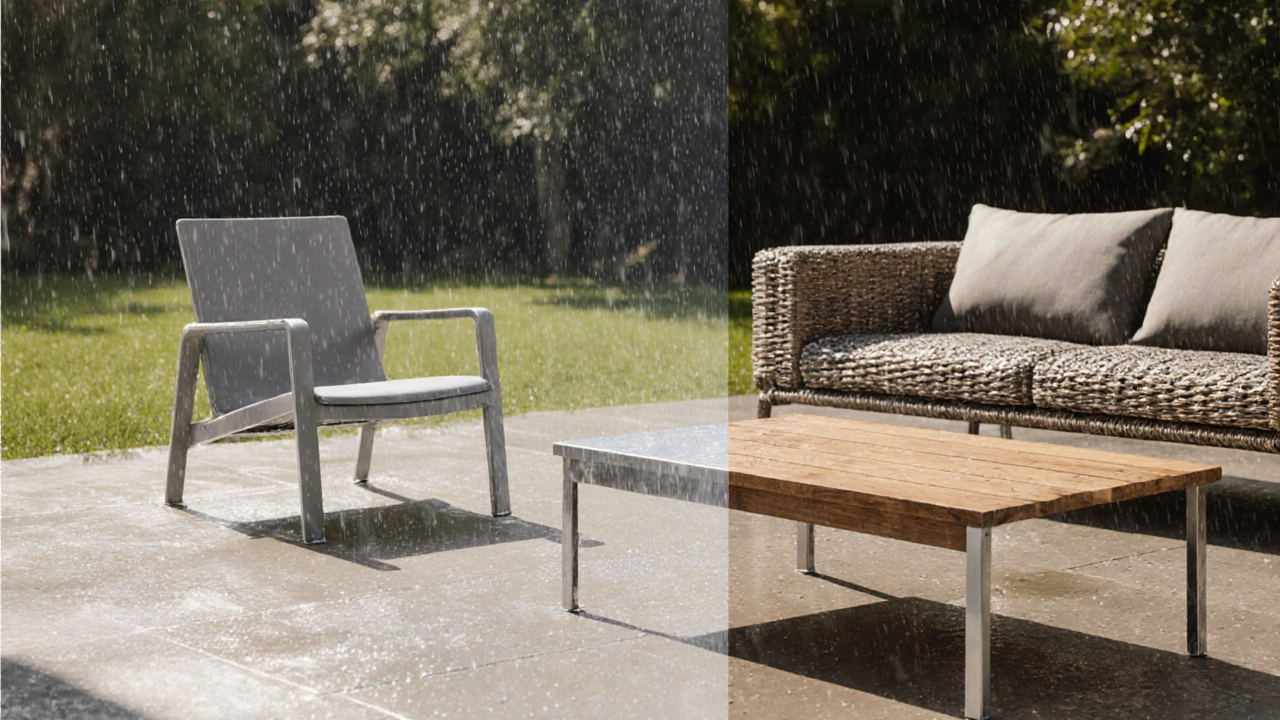
Weather‑resistant furniture encompasses a range of styles, from sleek aluminium frames to classic teak benches. The core attribute is durability: aluminium resists rust, teak naturally oils itself, and synthetic wicker offers the look of rattan without rot. Those material choices directly Furniture Materials dictate how well a piece handles moisture and UV exposure. For example, a teak table will deepen in colour over years, while a powder‑coated steel chair stays bright longer. Understanding which material fits your climate saves you money and hassle down the road.
How Maintenance Extends Life
Even the toughest pieces need a bit of care. Regular cleaning with mild soap removes dirt that can hold moisture against the surface. Applying a fresh layer of Protective Oil on wood every season keeps it from drying out. For metal or synthetic frames, a quick wipe‑down after a storm prevents salt buildup that accelerates corrosion. And when the weather turns especially harsh—think heavy rain or freezing temperatures—using a fitted cover can make a huge difference. A tight‑fit cover acts like a blanket, shielding against water ingress, UV rays and wind‑driven debris.
One practical tip is to match your cover choice to the furniture shape. A sofa with deep seats needs a cover with extra room at the corners, while a slim metal table can get away with a simple plastic sheet. This nuance is why many experts recommend custom‑fit covers for high‑value pieces. The effort pays off: covered furniture retains its finish longer, and you avoid costly repairs or replacements.
Temperature swings also play a role. When it gets too cold, some materials (especially certain plastics) can become brittle and crack. According to recent tests, aluminium retains strength down to -20°C, while cheap resin frames start showing stress at -5°C. Knowing the temperature limits of your chosen material helps you decide whether to store pieces indoors during winter or simply use a thermal blanket. That decision is a classic example of how Climate Considerations influence furniture longevity.
Beyond the physical aspects, style matters too. Modern outdoor trends favour modular sets that you can rearrange as seasons change. A modular system with interchangeable backs and arms lets you replace only the worn sections instead of the whole set. This approach aligns with sustainability goals and keeps your space looking fresh without a full overhaul.
All of these factors—materials, finishes, covers, climate awareness and modular design—intersect to create a seamless outdoor living experience. When you understand how each element works together, you can pick pieces that fit your budget, style and local weather patterns. Our curated articles below dive deeper into each topic, from choosing the right material to protecting grass under patio furniture.
Ready to explore practical guides, product comparisons and maintenance hacks? Scroll down to discover detailed advice that will help you pick, care for and enjoy weather‑resistant furniture for years to come.
-
Quentin Melbourn

- 9 October 2025
Most Durable Outdoor Furniture Materials Explained
Learn which outdoor furniture materials last the longest, how to match them to your climate, and simple maintenance tips for lasting patio style.