TV Placement Ideas for Better Viewing and Room Flow
When you think about TV placement, how and where you position your television affects everything from comfort to room design. Also known as TV positioning, it’s not just about finding a spot that fits—it’s about creating a space where watching feels natural, not forced. A TV that’s too high, too far, or facing a window can turn your living room into a frustrating experience. You don’t need a fancy setup to fix this. Just the right height, the right distance, and a little attention to light and layout make all the difference.
One of the most common mistakes? Mounting the TV too high. If you’re looking up at the screen, your neck pays for it. Experts agree: the center of your screen should be at eye level when you’re seated. For a 70-inch TV, a large screen that needs careful positioning to avoid strain, that usually means the bottom of the screen sits about 24 to 30 inches off the floor. That’s not guesswork—it’s science. And it’s the same whether you’re in Hull, Scarborough, or a small cottage in the East Yorkshire countryside. Your viewing angle, the angle between your eyes and the center of the screen matters just as much as height. If you’re sitting too close, the image overwhelms you. Too far, and you miss details. A good rule: sit about 1.5 to 2.5 times the screen size away. So for a 70-inch TV, aim for 9 to 15 feet.
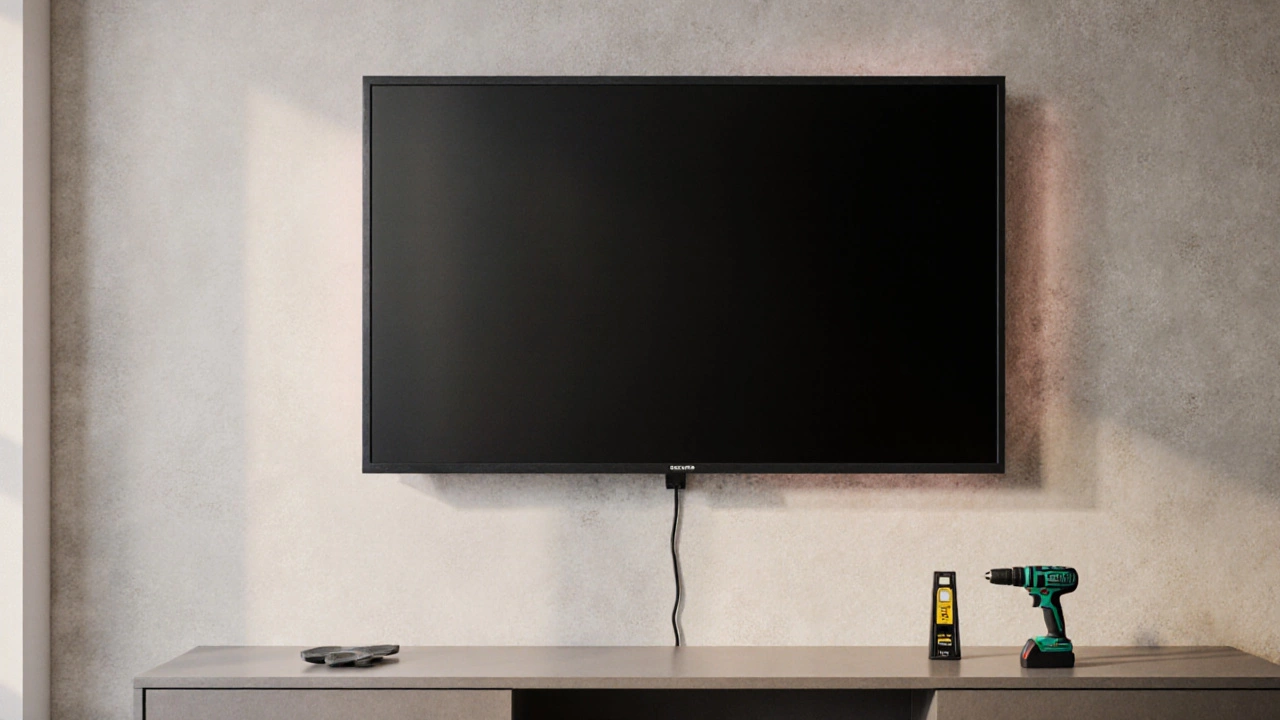
Then there’s the TV stand, a common base for TVs that affects both function and style. Does it match your coffee table? Does it block vents? Is it stable? You don’t need matching furniture, but you do need balance. A heavy TV on a flimsy stand is a safety risk. And if your stand is too wide, it eats up floor space you could use for seating or movement. Wall mounting solves some of this—but only if done right. Use a stud finder. Don’t rely on drywall anchors alone. And think ahead: will you need to hide cables? Will future upgrades fit? These aren’t just design questions—they’re practical ones.
Lighting is another silent killer of good TV viewing. A window behind the TV causes glare. A lamp shining directly on the screen? That’s worse. Position your TV perpendicular to windows if you can. Use blackout curtains or dimmable lights to control brightness. Even simple tweaks like moving a lamp or adjusting blinds can bring your viewing experience back to life.
And don’t forget the room itself. Is your sofa too far from the TV? Is there a doorway right in front of the screen? Is the layout built for watching, or just for filling space? A good TV placement doesn’t just look right—it works with how you live. It lets you sit back, relax, and actually enjoy what’s on screen without craning your neck or squinting.
Below, you’ll find real advice from people who’ve been there—fixing awkward setups, avoiding glare, choosing the right height, and making their living rooms actually work for TV time. No fluff. Just clear, tested ideas that fit East Yorkshire homes, whether you’re in a new build or a centuries-old cottage.
-
Quentin Melbourn

- 23 November 2025
How to Keep Your TV Up Without a Stand: 7 Safe, Simple Solutions
Discover 7 safe, affordable ways to keep your TV up without a stand-from wall mounts to DIY shelves. No need to buy new furniture. Just secure, smart solutions that work.