Sedentary Lifestyle: How Sitting Too Much Affects Your Health and Home
When we talk about a sedentary lifestyle, a way of living with little to no physical activity, often involving long hours sitting. Also known as inactive living, it’s not just about skipping the gym—it’s about how your whole day unfolds on a couch, chair, or desk. Most people don’t realize their bedroom or living room setup might be making it worse. If you spend eight hours at a desk, two on the sofa, and another two scrolling in bed, your body pays the price—not just with aches, but with deeper health risks.
Research shows that sitting for long stretches affects more than your back. It changes how your body processes sugar, slows your metabolism, and even messes with your sleep. And here’s the catch: it doesn’t matter if you go for a run after work. If you’re sitting most of the day, you’re still at risk. That’s why the posture, the way you hold your body while seated or lying down. Also known as body alignment, it’s not just about comfort—it’s about survival. Poor posture from slumping in a recliner or sleeping on a mattress that doesn’t support your spine can make a sedentary lifestyle even harder to break. That’s why so many people end up searching for better recliners, firmer mattresses, or even Japanese-style bedding—because they’re trying to fix the damage caused by sitting too much.
Your furniture choices aren’t just about style. They’re part of the problem or the solution. A recliner that lets you sink too deep? It encourages more sitting. A bed that’s too soft? It might feel nice, but it won’t help your spine. And if your bedroom is just a place to collapse after work, you’re missing a chance to build healthier habits. The good news? Small changes add up. Moving your chair closer to a window, standing while you read, or swapping your couch for a floor cushion can make a real difference.
Below, you’ll find real advice from people who’ve dealt with this exact issue—how to pick a recliner that supports your back, why Japanese bedding helps with spinal alignment, how to stop sliding down in a chair, and what colors and materials actually help you feel more alert instead of sluggish. These aren’t just design tips. They’re health fixes disguised as home upgrades.
-
Quentin Melbourn

- 20 November 2025
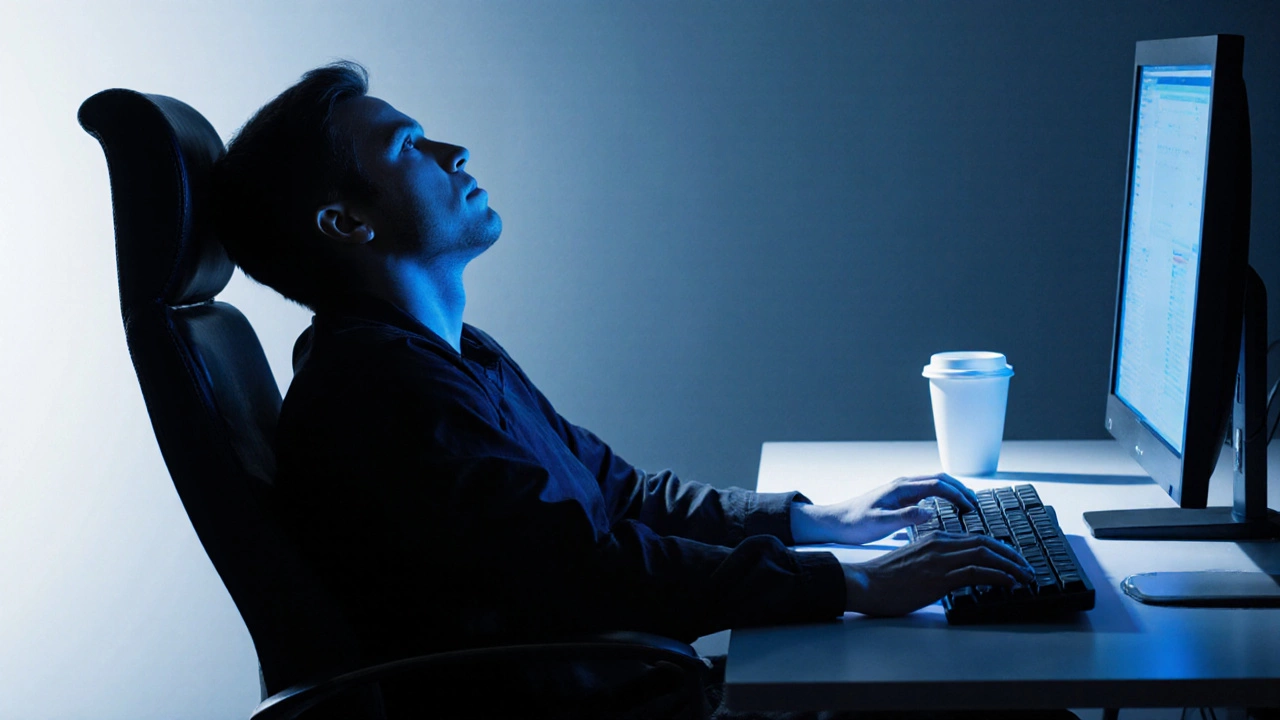
Is It OK to Sit on a Chair All Day? The Real Health Impact and What to Do Instead
Sitting all day harms your back, heart, and mind-even if you exercise after work. Learn how to move smarter, choose the right chair, and break the habit without quitting your job.